
The Sheep People
The Ontology of Making Lives, Building Homes and Forging Herds in Early Bronze Age Norway
by Kristin Armstrong Oma

Hardback (Published)
(May 2018)
ISBN: 9781781792513
6.1 x 9.17 inches
Price: $100.00
In stock
The overarching aim of The Sheep People is to examine what happens to the understanding of past societies when animals are perceived as sentient beings, agents with the ability to impact human lives. Not only are the agentive powers and potential of animals recognised, but also how this shaped prehistoric societies. Throughout, animals are considered as themselves, not as props, tools or consumables for human societies. A thorough review of recent research that supports the agential potential of animals from Human-Animal Studies and the social sciences, as well as ethology, biology and neurology is given, and discussed in light of the archaeological case study. In the Early Bronze Age in northern Europe, a transition from building two-aisled to three-aisled longhouses as the primary farm dwelling took place. In Rogaland, southwestern Norway, this architectural change happened as the result of intensified human-sheep relationships, born from greater engagement and proximity needed to utilise wool. Evidence from landscape changes, settlements, mortuary practices and rock art give an in-depth understanding of the life-world of Bronze Age human and non-human agents and the nature of the choices they made. A rock art panel portraying sheep, man and dog demonstrates the entangled choreography of sheep herding.
The overarching aim of The Sheep People is to examine what happens to the understanding of past societies when animals are perceived as sentient beings, agents with the ability to impact human lives. Not only are the agentive powers and potential of animals recognised, but also how this shaped prehistoric societies. Throughout, animals are considered as themselves, not as props, tools or consumables for human societies. A thorough review of recent research that supports the agential potential of animals from Human-Animal Studies and the social sciences, as well as ethology, biology and neurology is given, and discussed in light of the archaeological case study. In the Early Bronze Age in northern Europe, a transition from building two-aisled to three-aisled longhouses as the primary farm dwelling took place. In Rogaland, southwestern Norway, this architectural change happened as the result of intensified human-sheep relationships, born from greater engagement and proximity needed to utilise wool. Evidence from landscape changes, settlements, mortuary practices and rock art give an in-depth understanding of the life-world of Bronze Age human and non-human agents and the nature of the choices they made. A rock art panel portraying sheep, man and dog demonstrates the entangled choreography of sheep herding.
- By (author) Kristin Armstrong Oma
"This is a wonderfully written, richly illustrated monograph, which nominally presents the Bronze Age archaeology of a number of coastal settlements in Rogaland (southwestern Norway), but which in fact is a manifesto for a new type of mindful archaeology which includes human-animal relations at its heart. . . . This is a passionate and carefully crafted book." --David G. Anderson, University of Aberdeen, Primitive Tider, 21 "This is not a study that is old fashioned or out of date; in fact, it reminds us that there is more to science than analysing samples and results, including a broader understanding of the relationship between people and animals. In this sense, the book is an important contribution in a context where knowledge must continually be justified; there are several different pathways to scientific knowledge and many alternative interpretations of the past." --Nils Anfinset, Antiquity, February 2020 "This book is an enjoyable read and highly recommended to anyone interested in human-animal relations." --Natasha Fijn, Norwegian Archaeological Review, 2019
—
Similar Books


 Colour Concept “Secoli bui” a colori
Codici cromatici e architetture dipinte nell’età tardoantica e medievale
 Crossing Disciplines in the Study of Archaeology and Prehistoric Art: Insights from the Sahara and Mediterranean Africa
Proceedings of the XX UISPP World Congress (5–9 September 2023, Timișoara, Romania) Volume / Session 18
 Crossing Sacred Landscapes
Contacts and Continuities in the Desert Cults and Beliefs of Ancient Northern Arabia and the Arid Southern Levant
 Cuneiform Artefacts from Archaeological Contexts: New Research on Ancient Iraq
Proceedings of a Conference Held at the Bavarian Academy of Sciences and Humanities, July 4–5, 2024
Volume 2


 Exploring Prehistoric Pottery in Japan
A Study of Organic Inclusions, Adhering Materials, and Impressions of Woven Items
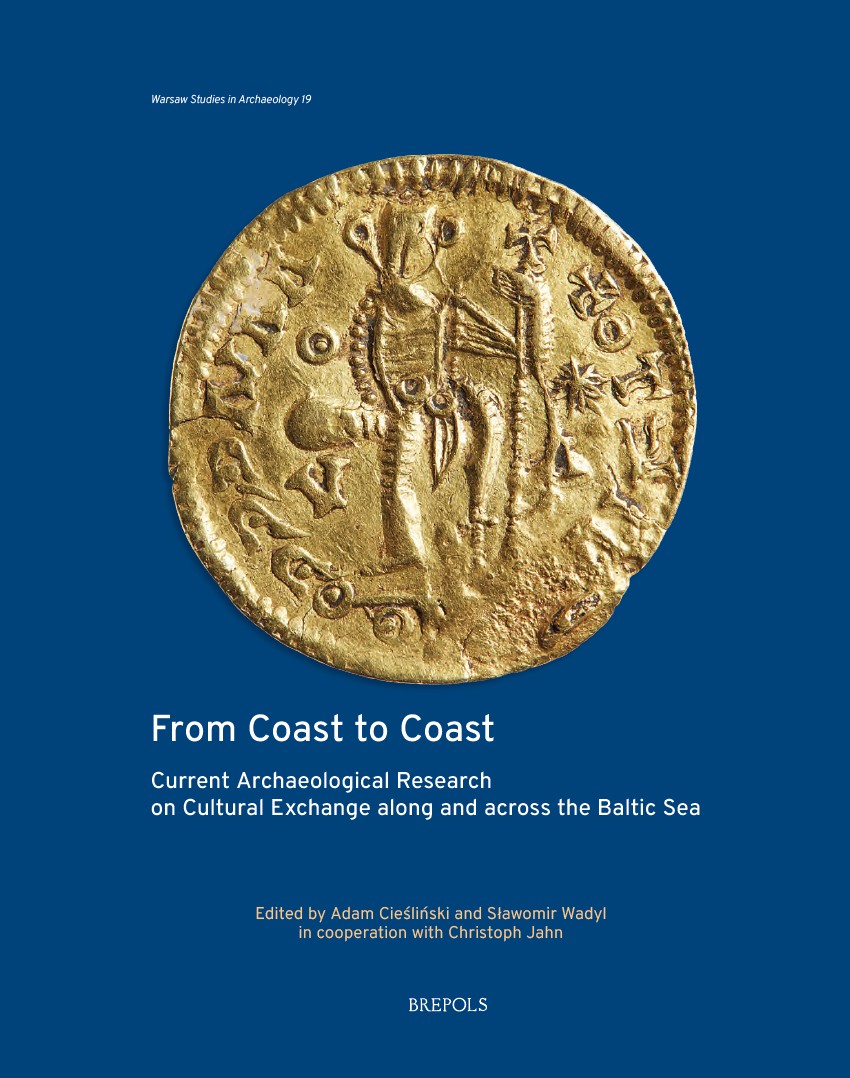 From Coast to Coast
Current Archaeological Research on Cultural Exchange along and across the Baltic Sea
Volume 19

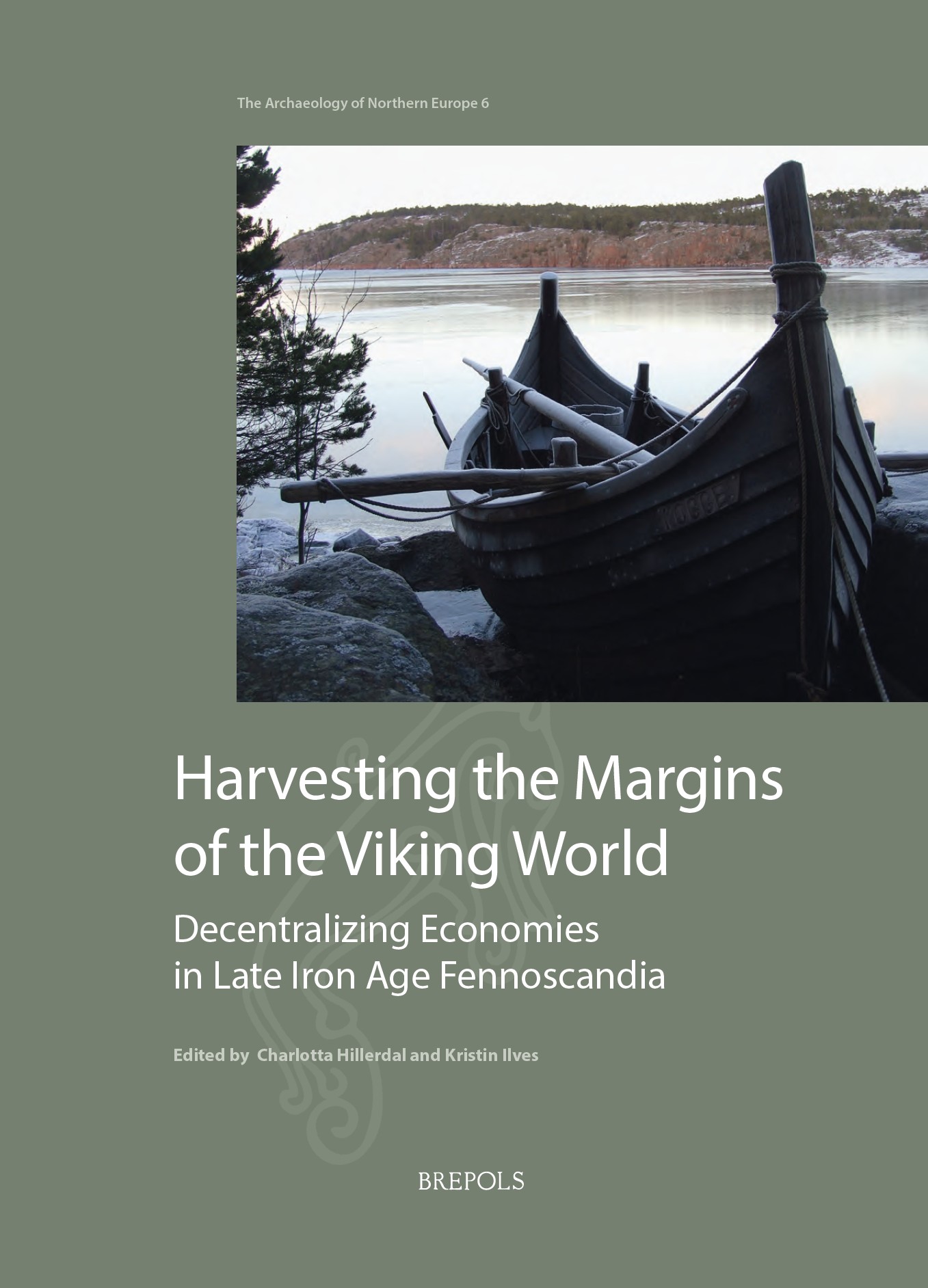 Harvesting the Margins of the Viking World
Decentralizing Economies in Late Iron Age Fennoscandia
Volume 6


 Linguistic and Cultural Dynamics in a Frontier Society
New Perspectives on Northeastern Bavaria and Western Bohemia in the Early Middle Ages
Volume 9

 Making and Meaning in the Bronze and Iron Ages
Chronology, Landscapes and Societies across Europe. Proceedings from the METALAGES2024 Colloquium (Florence, 23 October 2024)
 Medieval Yeghegis, Armenia
History, Archaeology, Society. Local Multiplicities and Global Connections of a Rural Centre on the Silk Road(s)


 Promoting the Profession
Papers in Honour of Peter Hinton Director of the Chartered Institute for Archaeologists 1997-2025




 The Body
Lived, Cultured, Adorned: Essays on Dress and the Body in the Bible and Ancient Near East in Honor of Nili S. Fox
