
The Roman Peasant Project 2009-2014
Excavating the Roman Rural Poor
Edited by Kim Bowes

Hardback (Published)
(June 2021)
ISBN: 9781949057072
8.46 x 10.98 inches
Price: $120.00
In stock
This book presents the results of the first systematic archaeological study of Roman peasants. It examines the spaces, architecture, diet, agriculture, market interactions, and movement habitus of non-elite rural dwellers in a region of southern Tuscany, Italy, during the Roman period. Volume 1 presents the excavation data from eight non-elite rural sites including a farm, a peasant house, animal stall/work huts, a ceramics factory, field drains, and a site of uncertain function, here framed as individual chapters complete with finds analysis. Volume 2 examines this data synthetically in thematic chapters addressing land use, agriculture, diet, markets, and movement. The results suggest a different, more sophisticated Roman peasant than heretofore assumed. The data suggests that Roman peasants particularly in the first century BC/AD built specialized sites distributed throughout the landscape to maximize use of diverse land parcels. This has important implications for the interpretation of field survey data, the estimate of rural demographics from that survey, and assumptions about the long-term changes to human settlement. It also points to an important moment of agricultural intensification in this period, a contention beginning to be supported by other studies. The project also identified sophisticated systems of land use, including crop rotation and an important investment in animal agriculture. This work presents the first systematic data from Roman Italy for rural consumption, tracking the fine wares made at a production site to local sites nearby. This supports the largely theoretical problematizing of the so-called consumer city model and suggests the potential importance of rural aggregate demand. Movement studies, based on finds from the sites themselves, describe a more mobile population than anticipated, engaged in quotidian and long-distance movement patterns, supported by the small but steady stream of imports and exports into and out of this seemingly liminal region. The book concludes by addressing the implications of this new data for major questions in Roman social and economic history.
- Edited by Kim Bowes
Similar Books

 Caesar’s Visions and Impact on the Roman Empire
Revisiting the Archaeological and Historical Record of the 40s BC
Volume 2


 Etruscan and Roman Hellenistic Anatomical ex votos
Reassessing Popular Religious Expressions in Central Italy
Volume 8


 Invisible Labour in Antiquity
Visualizing Obscure Work in the Ancient Mediterannean and West Asia
Volume 1
 Late Antique villae in the Balkans (3rd–7th c. AD): Current Research Questions and Perspectives
HAEMUS Companion to the Late Antique Balkans 1
Volume 4


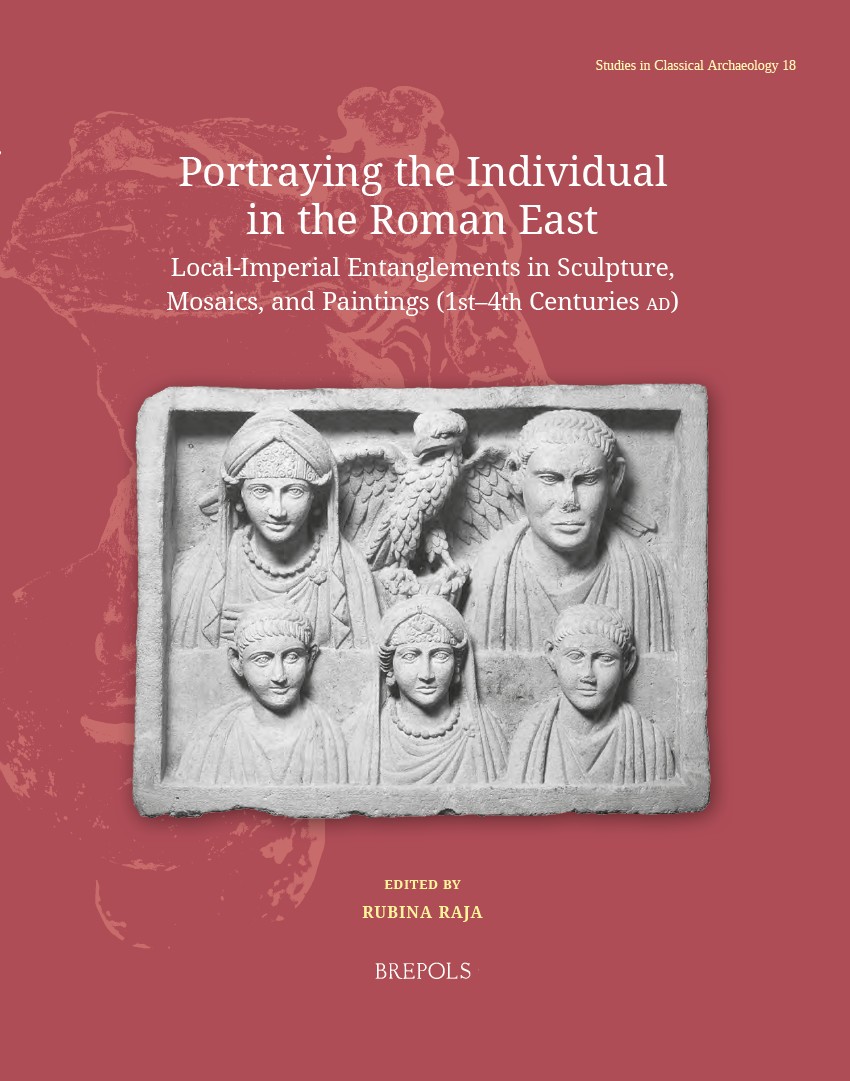 Portraying the Individual in the Roman East
Local–Imperial Entanglements in Sculpture, Mosaics, and Paintings (First–Fourth Centuries AD)
Volume 18

 Small Worlds and Relational Agencies: Local Societies in Early Medieval Iberia
Pequeños mundos y Agencias relacionales: Sociedades locales altomedievales en la Península Ibérica

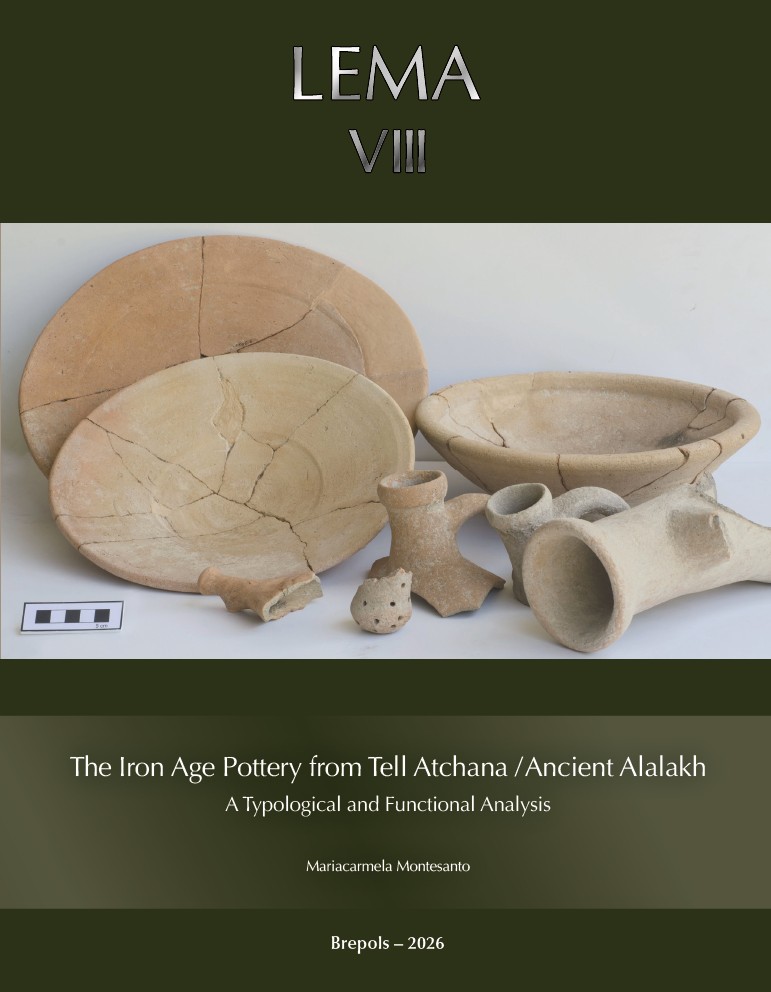 The Iron Age Pottery from Tell Atchana / Ancient Alalakh
A Typological and Functional Analysis
Volume 8

 Writing in the Church of the Nativity in Bethlehem
Inscription and Graffiti in a Multilingual and Multigraphic Perspective
Volume 45




 Atlante tematico di topografia antica 36-2026
Urbanistica e monumenti, porti, Roma. Ricerche sui monti Aurunci
Volume 36
 Cerámica común romana y ciclo haliéutico
Análisis de los contextos de las cetariae de Iulia Traducta

 Nuove scoperte e progressi nelle metodologie di rilievo e analisi dell’arte rupestre post-paleolitica in Italia
New discoveries and progress in the tracing and analysis methodologies of the post-Paleolithic rock art in Italy


 A Dramatic Event in Late Roman Florence
The Anomalous Burial Site Discovered beneath the Uffizi Gallery

 Alexander the Great and the Campaign of Gaugamela
New Research on Topography and Chronology. IAMNI 1 (Italian Archaeological Mission to Northern Iraq)
Volume 53


 Approaching Ancient Greek Coastal and Inland Poleis in the Northern Peloponnese
New Research in the Microregions of Aigeira, Lousoi and Sikyon
Volume 4