
The Risorgimento
Italy’s Path to Modernity, 1770–1870
By (author) Gabriele B. Clemens Translated by Kate Tranter

Hardback (Published)
(September 2025)
ISBN: 9783412533151
6.34 x 9.09 inches
Price: $49.00
In stock
Gabriele Clemens presents a new, up-to-date and well-founded overview of the history of the Risorgimento. Her account covers an entire century of Italian history, beginning around 1770, before the French Revolution, and ending in 1870 with the conquest of Rome by the troops of the burgeoning nation state. This balanced and highly readable account combines the perspective of political cultural history with an economic and social historical approach. At the same time, it offers new interpretations, for example on the roles played by the nobility and the bourgeoisie. It questions the established claim that the masses were mobilized by means of art, music and literature and critically analyses the significance of Garibaldi, the man and the myth. The path to the nation state is described as the work of a state-supporting elite that acts consistently in transnational networks.
The Risorgimento, the period of nation-state formation, has always had particular significance not only in the historiography of Italy but also for the transnational and comparative history of the founding of nation-states. Gabriele Clemens presents a new, up-to-date and well-founded overview of the history of the Risorgimento. Her account covers an entire century of Italian history, beginning around 1770, before the French Revolution, and ending in 1870 with the conquest of Rome by the troops of the burgeoning nation state. This balanced and highly readable account combines the perspective of political cultural history with an economic and social historical approach. At the same time, it offers new interpretations, for example on the roles played by the nobility and the bourgeoisie. It questions the established claim that the masses were mobilized by means of art, music and literature and critically analyses the significance of Garibaldi, the man and the myth. The path to the nation state is described as the work of a state-supporting elite that acts consistently in transnational networks.
- By (author) Gabriele B. Clemens
- Translated by Kate Tranter
Similar Books


 As Messianism Turns to Heresy
The Regenstein Chair Lectures On Lurianic Kabbalah and Shabbatai Tzevi at Hebrew Union College - Cincinnati
 Behind the Scenes of Medieval Roofs
An Overview of the Roofing Systems of Italian Churches
Volume 90

 Beyond Sovereign Courts
Agents and Practices in Early Modern Spanish and Habsburg Diplomacy
Volume 3



 European Drama and Performance Studies
Dramatisations politiques. Théâtre, politique et idéologie au XIXe siècle (1806-1914)
Volume 27

 Food Security under Armed Conflict
Global Knowledge Landscape and Public Attention to Social, Economic, and Humanitarian Dimensions

 From the Frontiers of the Empire to the Borders of the Nations
Borderland Security and Safety in the (post-)Ottoman Spaces (1700–1939)


 Innovationes Lovanienses: Arts, Law and Theology at the University of Louvain (1425–1797)
Studium Lovaniense: Learning across Borders, 2
Volume 18


 Music and Colonialism in Fascist Italy
Identity, Propaganda, and Ethnographic Representation
Volume 13
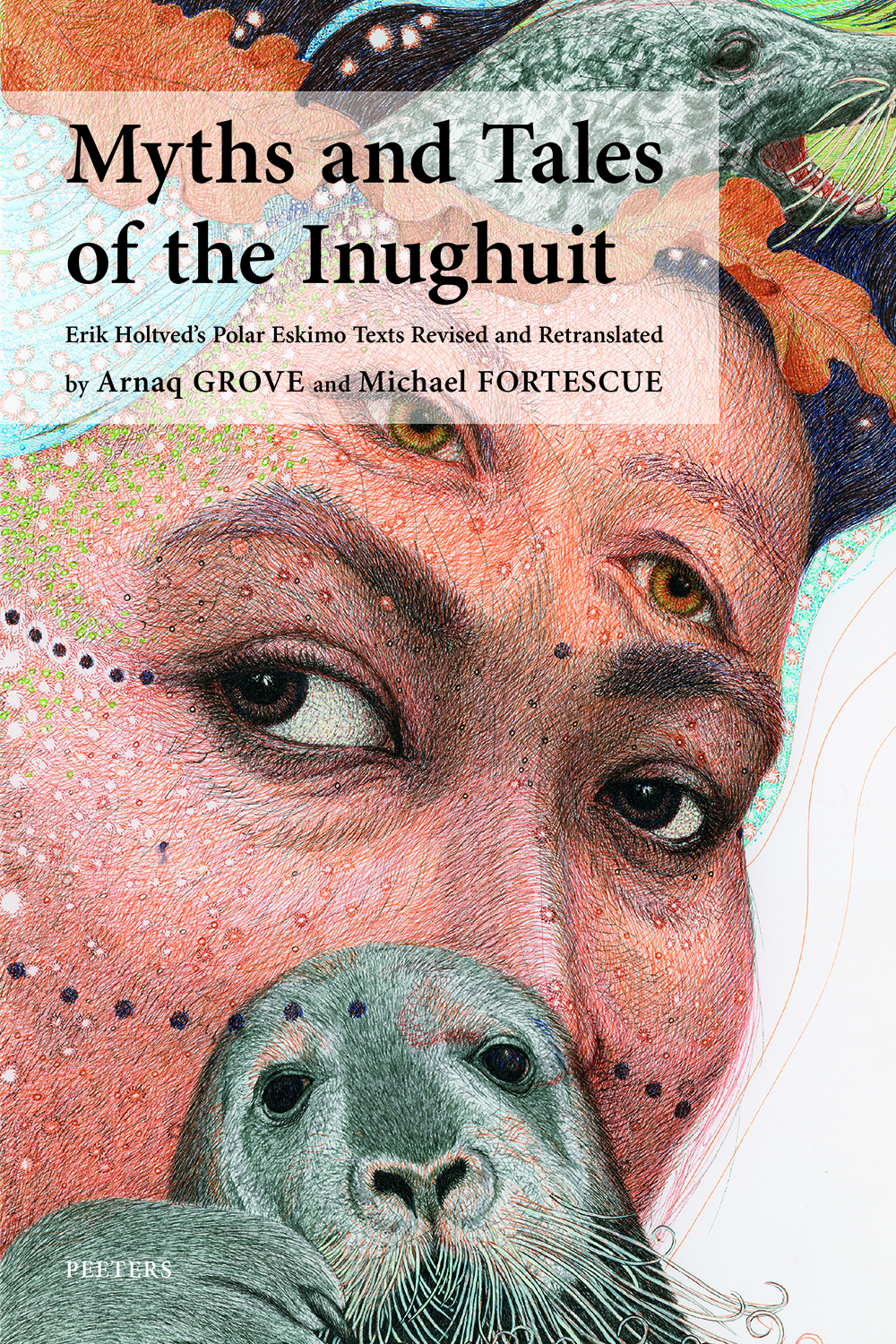 Myths and Tales of the Inughuit
Erik Holtved's Polar Eskimo Texts Revised and Re-translated into Danish and English
Volume 475, 12
 Naples as Laboratory / Laboratorium Neapel
Style Options, Artistic Rivalry and Self Fashioning in Neapolitan Baroque Painting / Plurale Stilbildung, Kunstlerkonkurrenz und Self Fashioning in der neapolitanischen Barockmalerei


 Performing Science, Mediating Knowledge
Science, Showmanship, and the Performance of Authority in the Long Nineteenth Century
Volume 21


 Students, Scholars and Their Books at the University of Louvain (1425-1797)
Studium Lovaniense: Learning across Borders, 1
Volume 17

