The Myth of Republicanism in Renaissance Italy
By (author) Fabrizio Ricciardelli

The period between the late thirteenth and early fourteenth centuries saw significant discussion in Italy about the two different political models of republicanism and seignorialism, reaching a climax at the end of the Trecento when the most influential scholars of Florence and Venice began to attack the despotism imposed on Milan by the Visconti. The arguments put forward by both sides were largely predictable: supporters of a Republic argued that liberty–represented by an elective government and independence from foreign powers–was of greatest importance, while those in favour of seignorialism instead claimed that they brought order, unity, and social peace. In this book, the two systems of government represented in Italy are revisited, the arguments put forward by their supporters are compared and contrasted, and the development in the use of political language, especially in the city-states of Central and Northern Italy, is explored. The reality, it is suggested, is that the political systems of republicanism and seignorialism were not so very different. Republican governments ignored universal suffrage, those supported by signori did not always run totalitarian governments, and in both cases, power continued to be held by recurring oligarchical groups who were unwilling to enter into constructive dialogue with their opponents. However, as the two sides fought for power, the political arena became the testing ground for new forms of communication that could be used to manage and manipulate public opinion.
The period between the late thirteenth and early fourteenth centuries saw significant discussion in Italy about the two different political models of republicanism and seignorialism, reaching a climax at the end of the Trecento when the most influential scholars of Florence and Venice began to attack the despotism imposed on Milan by the Visconti. The arguments put forward by both sides were largely predictable: supporters of a Republic argued that liberty–represented by an elective government and independence from foreign powers–was of greatest importance, while those in favour of seignorialism instead claimed that they brought order, unity, and social peace. In this book, the two systems of government represented in Italy are revisited, the arguments put forward by their supporters are compared and contrasted, and the development in the use of political language, especially in the city-states of Central and Northern Italy, is explored. The reality, it is suggested, is that the political systems of republicanism and seignorialism were not so very different. Republican governments ignored universal suffrage, those supported by signori did not always run totalitarian governments, and in both cases, power continued to be held by recurring oligarchical groups who were unwilling to enter into constructive dialogue with their opponents. However, as the two sides fought for power, the political arena became the testing ground for new forms of communication that could be used to manage and manipulate public opinion.
- By (author) Fabrizio Ricciardelli
Other Titles in this Series
 Guests, Strangers, Aliens, Enemies
Ambiguities of Hospitality in the Middle Ages, c. 1000-1350
Volume 45

 Pregnancy and Childbirth in the Premodern World
European and Middle Eastern Cultures, from Late Antiquity to the Renaissance
Volume 36
 The Presence of Medieval English Literature
Studies at the Interface of History, Author, and Text in a Selection of Middle English Literary Landmarks
Volume 14


 Visions of Unity after the Visigoths
Early Iberian Latin Chronicles and the Mediterranean World
Volume 26

 Visions of Medieval History in North America and Europe
Studies on Cultural Identity and Power
Volume 41

 King John’s Delegation to the Almohad Court (1212)
Medieval Interreligious Interactions and Modern Historiography
Volume 23


 A Renaissance Baron and his Possessions
Paolo Giordano I Orsini, Duke of Bracciano (1541-1585)
Volume 15

 From Tyrant to Philosopher-King
A Literary History of Alexander the Great in Medieval and Early Modern England
Volume 19


 Victorine Restoration
Essays on Hugh of St Victor, Richard of St Victor, and Thomas Gallus
Volume 39

 Writing History in Medieval Poland
Bishop Vincentius of Cracow and the 'Chronica Polonorum'
Volume 28

 Order into Action
How Large-Scale Concepts of World-Order determine Practices in the Premodern World
Volume 40
 Dreams, Medicine, and Literary Practice
Exploring the Western Literary Tradition Through Chaucer
Volume 18


Similar Books


 As Messianism Turns to Heresy
The Regenstein Chair Lectures On Lurianic Kabbalah and Shabbatai Tzevi at Hebrew Union College - Cincinnati
 Balthasar Caymox of Nuremberg
Early Modern German Print Publishers: Popular Prints of the Seventeenth Century


 Beyond Sovereign Courts
Agents and Practices in Early Modern Spanish and Habsburg Diplomacy
Volume 3


 Circulation, Use, Impact
The Consumption of Architectural Books in the Early Modern Eastern Adriatic
Volume 1



 Councils, Conflicts, Correspondence
Urban Diplomacy in Reval (Tallinn) and Lübeck (c. 1470–1570)
Volume 67



 Food Security under Armed Conflict
Global Knowledge Landscape and Public Attention to Social, Economic, and Humanitarian Dimensions

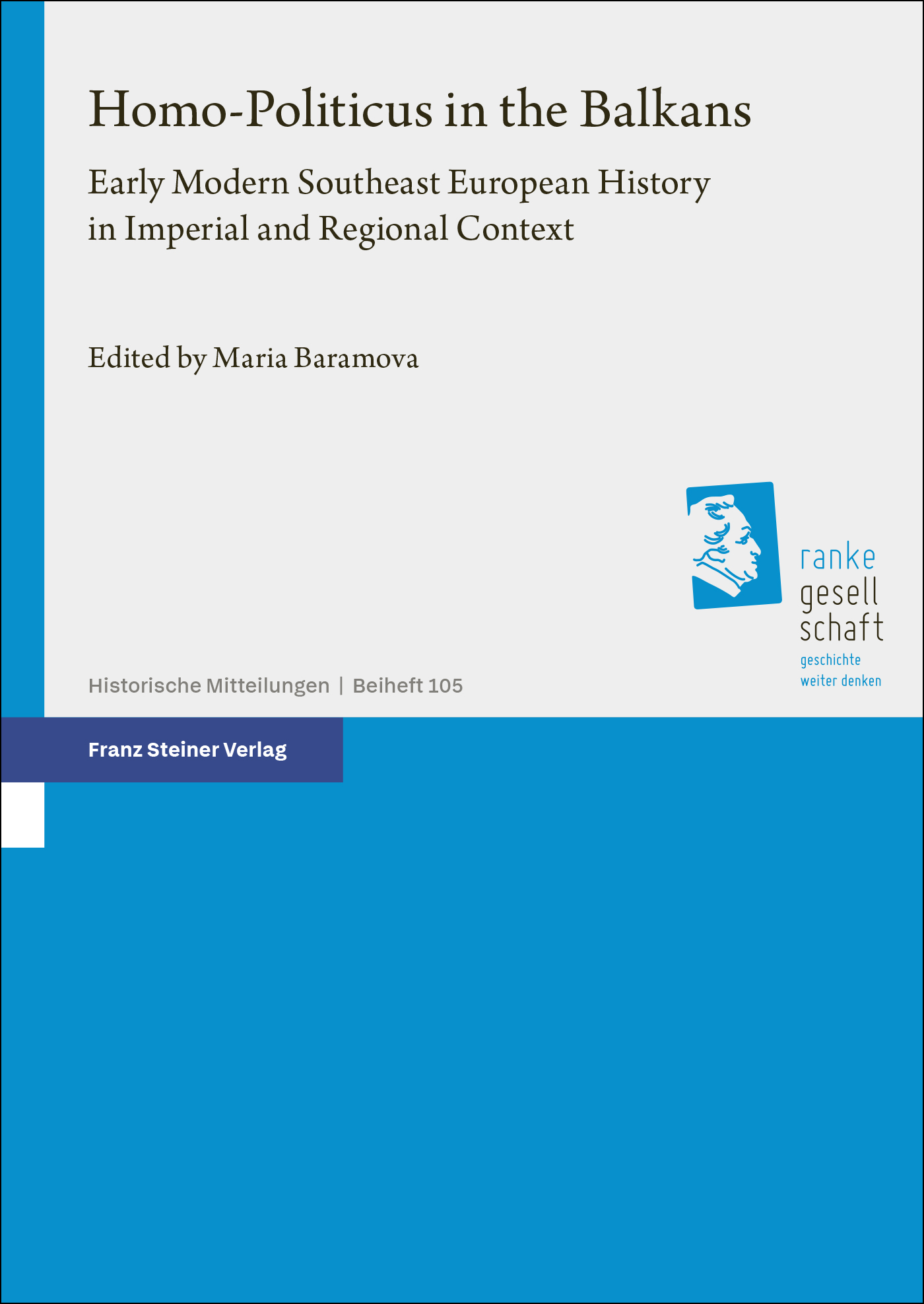 Homo-Politicus in the Balkans
Early Modern Southeast European History in Imperial and Regional Context

 Innovationes Lovanienses: Arts, Law and Theology at the University of Louvain (1425–1797)
Studium Lovaniense: Learning across Borders, 2
Volume 18

 Legal Visuality
Exegesis, Ambiguity, and Dissimulation of the Donation of Constantine in the Early Modern Period


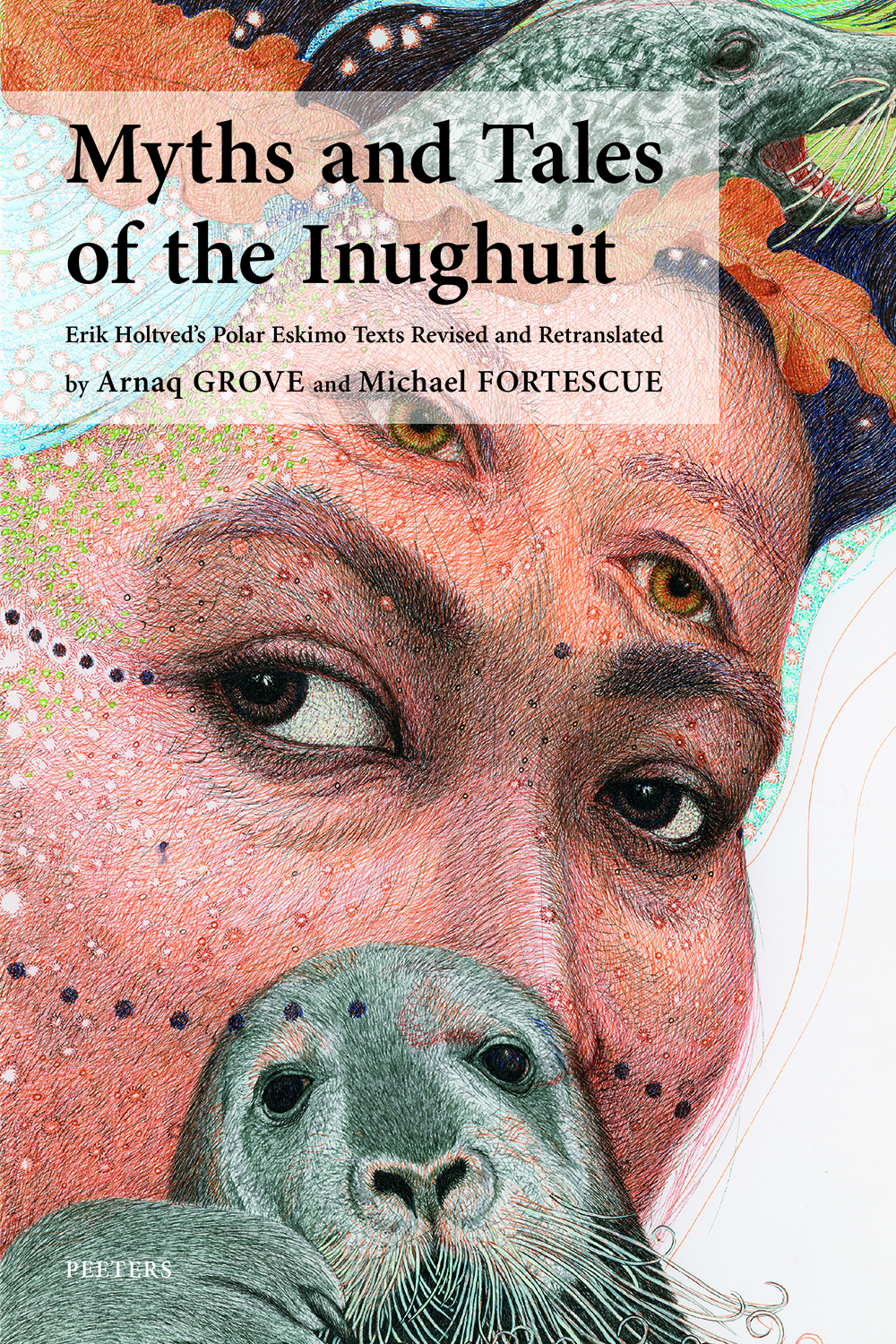 Myths and Tales of the Inughuit
Erik Holtved's Polar Eskimo Texts Revised and Re-translated into Danish and English
Volume 475, 12

 Naples as Laboratory / Laboratorium Neapel
Style Options, Artistic Rivalry and Self Fashioning in Neapolitan Baroque Painting / Plurale Stilbildung, Kunstlerkonkurrenz und Self Fashioning in der neapolitanischen Barockmalerei