
The Early Karl Barth
Historical Contexts and Intellectual Formation 1905-1935
by Paul Silas Peterson

Hardback (Published)
(April 2018)
ISBN: 9783161553608
7.44 x 10.39 inches
Price: $168.00
In stock
Paul Silas Peterson presents Karl Barth (1886-1968) in his sociopolitical, cultural, ecclesial and theological contexts from 1905 to 1935. The time period begins in 1905, as Barth began to prepare for a speech on the “social question” (which he held in 1906). It ends in 1935, the year he returned to Switzerland from Germany. In the foreground of Peterson’s inquiry is Barth’s relation to the features of his time, especially radical socialist ideology, WWI, an intellectual trend that would later be called the Conservative Revolution, the German Christians, the Young Reformation Movement, and National Socialism. Barth’s view of and interaction with the Jews is also analyzed along with other issues, such as radical thinking, anti-liberalism, alterity, anti- or trans-historicism, Expressionism, and New Objectivity.
Paul Silas Peterson presents Karl Barth (1886-1968) in his sociopolitical, cultural, ecclesial and theological contexts from 1905 to 1935. The time period begins in 1905, as Barth began to prepare for a speech on the “social question” (which he held in 1906). It ends in 1935, the year he returned to Switzerland from Germany. In the foreground of Peterson’s inquiry is Barth’s relation to the features of his time, especially radical socialist ideology, WWI, an intellectual trend that would later be called the Conservative Revolution, the German Christians, the Young Reformation Movement, and National Socialism. Barth’s view of and interaction with the Jews is also analyzed along with other issues, such as radical thinking, anti-liberalism, alterity, anti- or trans-historicism, Expressionism, and New Objectivity.
- By (author) Paul Silas Peterson
Other Titles in this Series

 Die kritische Identitat des neuzeitlichen Christentums
Schleiermachers Wesensbestimmung der christlichen Religion
Volume 96
 Wittenberger Universitatstheologie im fruhen 17. Jahrhundert
Eine Fallstudie zu Friedrich Balduin (1575-1627)
Volume 183
 Prophecy, Piety, and the Problem of Historicity
Interpreting the Hebrew Scriptures in Cotton Mather's 'Biblia Americana'
Volume 179

 Modernes Fruhchristentum
Christian C. J. Bunsens Hippolytuswerk als Programmschrift des 19. Jahrhunderts
Volume 208

 Karl Barth’s Dialogue with Catholicism in Gottingen and Munster
Its Significance for His Doctrine of God
Volume 149
 Brenz als Kontroverstheologe
Die Apologie der Confessio Virtembergica und die Auseinandersetzung zwischen Johannes Brenz und Pedro de Soto
Volume 138
 Die Mitte der Reformation
Eine Studie zu Buchdruck und Publizistik im deutschen Sprachgebiet, zu ihren Akteuren und deren Strategien, Inszenierungs- und Ausdrucksformen
Volume 187
 Frommigkeitstheologie am Anfang des 16. Jahrhunderts
Studien zu Johannes von Paltz und seinem Umkreis
Volume 65
 Aufklarung bis zum Himmel
Emanuel Swedenborg im Kontext der Theologie und Philosophie des 18. Jahrhunderts
Volume 161

 Zwischen Kulturprotestantismus und volkischer Bewegung
Arthur Bonus (1864-1941) als religioser Schriftsteller im wilhelminischen Kaiserreich
Volume 185


 Die katholische Rezeption Karl Barths
Theologische Erneuerung im Vorfeld des Zweiten Vatikanischen Konzils
Volume 152
 Die wahre Ausubung der Kunst ist religios
Schleiermachers Asthetik im Kontext der zeitgenossischen Entwurfe Kants, Schillers und Friedrich Schlegels
Volume 136
 Verstehen und Religion im Werk Wilhelm Diltheys
Theologische Dimensionen auf kulturphilosophischer Grundlage
Volume 188
 Klosterreform und monastische Spiritualitat im 15. Jahrhundert
Conrad von Zenn OESA (gest. 1460) und sein Liber de vita monastica
Volume 75
 Vom Erhabenen
Der Traktat 'Peri Hypsous' und seine asthetisch-religiose Renaissance im 18. Jahrhundert
Volume 160
 Der junge Alois Emanuel Biedermann
Lebensweg und theologische Entwicklung bis zur 'Freien Theologie' 1819-1844
Volume 98
 Solus Christus
Die Ausbildung von Bugenhagens Rechtfertigungslehre in der Paulusauslegung (1524-25) und ihre Bedeutung fur die theologische Argumentation im Sendbrief 'Von dem christlichen Glauben' (1526). Eine Untersuchung zur Genese von Bugenhagens Theologie
Volume 63

 Woellner und das Religionsedikt
Kirchenpolitik und kirchliche Wirklichkeit im Preussen des spaten 18. Jahrhunderts
Volume 150
 Theologische Anthropologie in G. E. Lessings Frühwerk
Literarische Bilder von Gemeinschaft und Nonkonformität, Glück und Sünde

 Johann Christoph Gottsched und die philosophische Predigt
Studien zur aufklarerischen Transformation der protestantischen Homiletik im Spannungsfeld von Theologie, Philosophie, Rhetorik und Politik
Volume 151
Similar Books
 ‘For You I Study, For You I Work, For You I Live, For You I Am Ready To Even Give My Life’
Essays in Honour of Francis (Frank) J Moloney, SDB




 Ars Prophetica
Theology in the Poetry of Twentieth-Century Hebrew Poets Avraham Halfi, Shin Shalom, Amir Gilboa, and T. Carmi
 As Messianism Turns to Heresy
The Regenstein Chair Lectures On Lurianic Kabbalah and Shabbatai Tzevi at Hebrew Union College - Cincinnati


 Drunk the Potion, No Whit Charmed
The Doctrine of Pure and Perfect Souls from Iamblichus to Damascius



 Extracanonical Traditions and the Holy Land
Texts, Rituals, and Material Culture in Late Antique Palestine
 Fear, Fear of God, God-Fearers
Philological and Historical Perspectives on the World of Ancient Judaism and Christianity




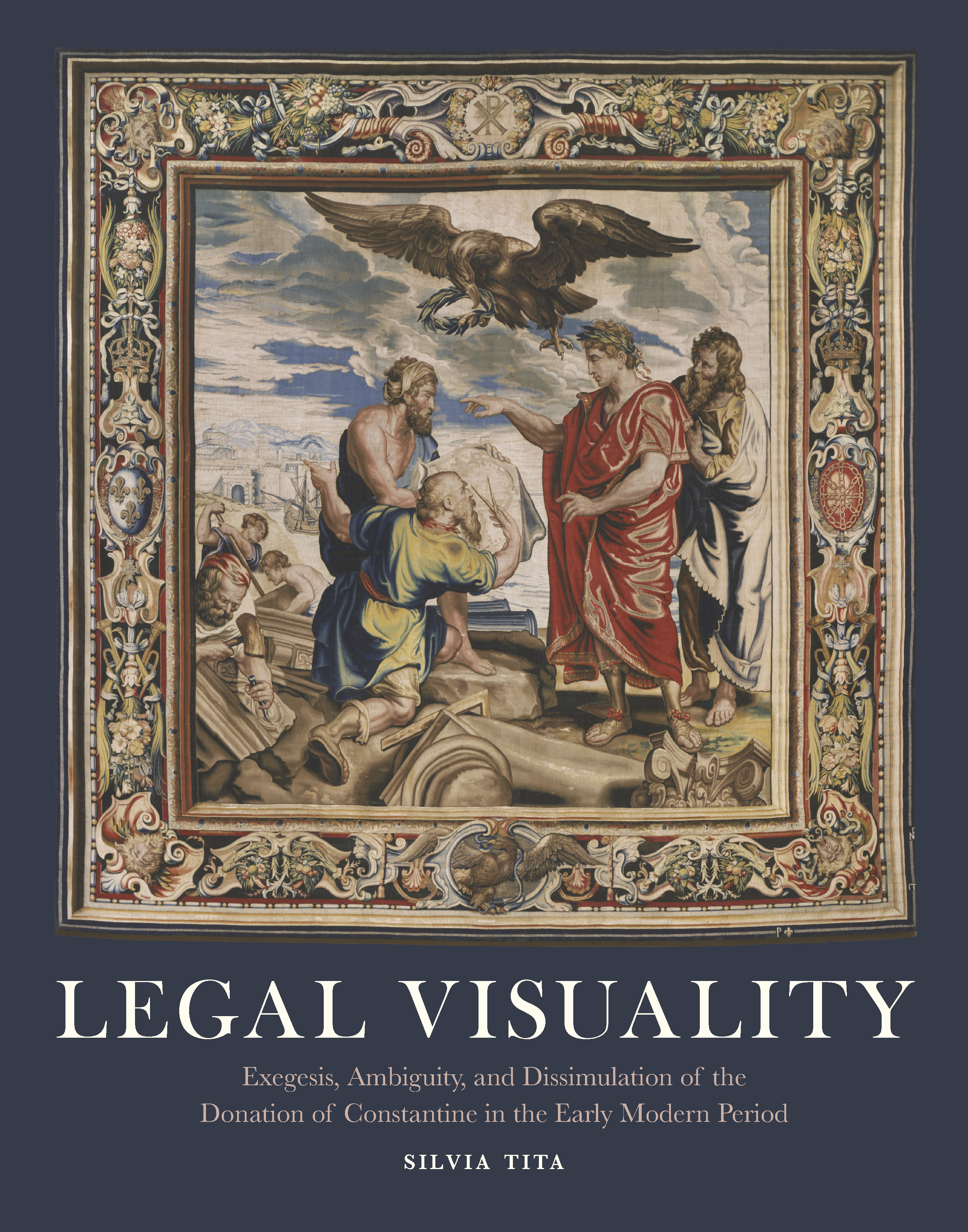 Legal Visuality
Exegesis, Ambiguity, and Dissimulation of the Donation of Constantine in the Early Modern Period