
The Closet of Sir Kenelm Digby Opened
edited by Jane Stevenson and Peter Davidson

Paperback (Published)
(October 2010)
ISBN: 9781903018705
5.35 x 7.32 inches
Price: $30.00
In stock
This is a paperback edition of a classic of 17th-century English writing about food and drink. There is perhaps none that is more frequently quoted than this, no title more familiar, although the complete title, The closet of the eminently learned Sir Kenelm Digbie Kt. opened: Whereby is discovered several ways for making of metheglin, sider, cherry-wine &c. together with excellent directions for cookery: as also for preserving, conserving, candying, &c. may be somewhat tricky to remember. Digby was also a European figure of some renown in scientific, philosophical and mathematical circles (besides being a military man, a pirate and a womaniser) who, among other accomplishments is credited with inventing the modern wine bottle. This recipe collection made by him (in line with similar collections made by male enthusiasts and intellectuals of the time, for example the diarist John Evelyn) was published after his death by his former assistant George Hartman and supposedly authorized by his son. It is perhaps the most literate of such cookery books. Digby was a natural writer, as entertaining as instructive. Many of the recipes are for drinks, particularly of meads or metheglins, but the culinary material provides a remarkable conspectus of accepted practice among court circles in Restoration England, with extra details supplied from Digby’s European travels. The editors also include the inventory of Digby’s own kitchen in his London house, discovered amongst papers now deposited in the British Library; and they have provided a few modern interpretations of Digby’s recipes. The work was last printed in 1910, in an edition that is no longer easily available. This new version has several improvements. The editors discuss the role of George Hartman in the compilation of the book, and compare its contents to another work that went out in 1682 over Hartman’s own name, The True Preserver and Restorer of Health. There is a full glossary and the reader will be helped by the extensive biographical notes about people named in the text as the source of recipes.
This is a paperback edition of a classic of 17th-century English writing about food and drink. There is perhaps none that is more frequently quoted than this, no title more familiar, although the complete title, The closet of the eminently learned Sir Kenelm Digbie Kt. opened: Whereby is discovered several ways for making of metheglin, sider, cherry-wine &c. together with excellent directions for cookery: as also for preserving, conserving, candying, &c. may be somewhat tricky to remember. Digby was also a European figure of some renown in scientific, philosophical and mathematical circles (besides being a military man, a pirate and a womaniser) who, among other accomplishments is credited with inventing the modern wine bottle. This recipe collection made by him (in line with similar collections made by male enthusiasts and intellectuals of the time, for example the diarist John Evelyn) was published after his death by his former assistant George Hartman and supposedly authorized by his son. It is perhaps the most literate of such cookery books. Digby was a natural writer, as entertaining as instructive. Many of the recipes are for drinks, particularly of meads or metheglins, but the culinary material provides a remarkable conspectus of accepted practice among court circles in Restoration England, with extra details supplied from Digby’s European travels. The editors also include the inventory of Digby’s own kitchen in his London house, discovered amongst papers now deposited in the British Library; and they have provided a few modern interpretations of Digby’s recipes. The work was last printed in 1910, in an edition that is no longer easily available. This new version has several improvements. The editors discuss the role of George Hartman in the compilation of the book, and compare its contents to another work that went out in 1682 over Hartman’s own name, The True Preserver and Restorer of Health. There is a full glossary and the reader will be helped by the extensive biographical notes about people named in the text as the source of recipes.
- Edited by Peter Davidson
- Edited by Jane Stevenson
Other Titles in this Series


Similar Books


 Balthasar Caymox of Nuremberg
Early Modern German Print Publishers: Popular Prints of the Seventeenth Century


 Beyond Sovereign Courts
Agents and Practices in Early Modern Spanish and Habsburg Diplomacy
Volume 3

 Circulation, Use, Impact
The Consumption of Architectural Books in the Early Modern Eastern Adriatic
Volume 1

 Councils, Conflicts, Correspondence
Urban Diplomacy in Reval (Tallinn) and Lübeck (c. 1470–1570)
Volume 67




 Homo-Politicus in the Balkans
Early Modern Southeast European History in Imperial and Regional Context

 Innovationes Lovanienses: Arts, Law and Theology at the University of Louvain (1425–1797)
Studium Lovaniense: Learning across Borders, 2
Volume 18
 Legal Visuality
Exegesis, Ambiguity, and Dissimulation of the Donation of Constantine in the Early Modern Period

 Naples as Laboratory / Laboratorium Neapel
Style Options, Artistic Rivalry and Self Fashioning in Neapolitan Baroque Painting / Plurale Stilbildung, Kunstlerkonkurrenz und Self Fashioning in der neapolitanischen Barockmalerei

 Power and Women in Southeast and Central Europe in Late Medieval and Early Modern Period (1300-1600)
Volume 10




 Staging the Spectacle of Majesty
Ceremonial, Courtly Space, and Collecting under the Spanish Habsburgs
Volume 9
 Students, Scholars and Their Books at the University of Louvain (1425-1797)
Studium Lovaniense: Learning across Borders, 1
Volume 17


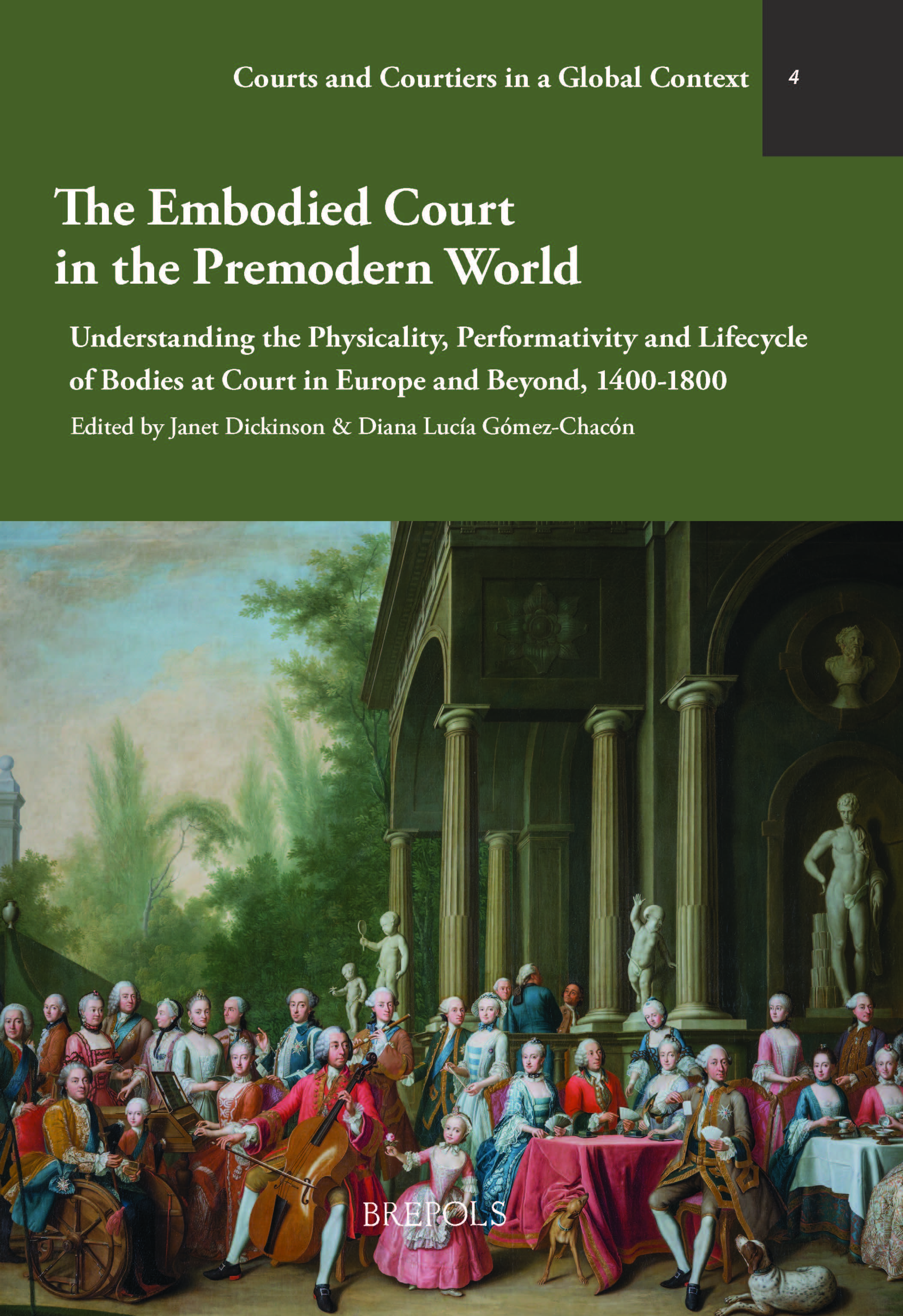 The Embodied Court in the Premodern World
Understanding the Physicality, Performativity and Lifecycle of Bodies at Court in Europe and Beyond, 1400-1800
Volume 4
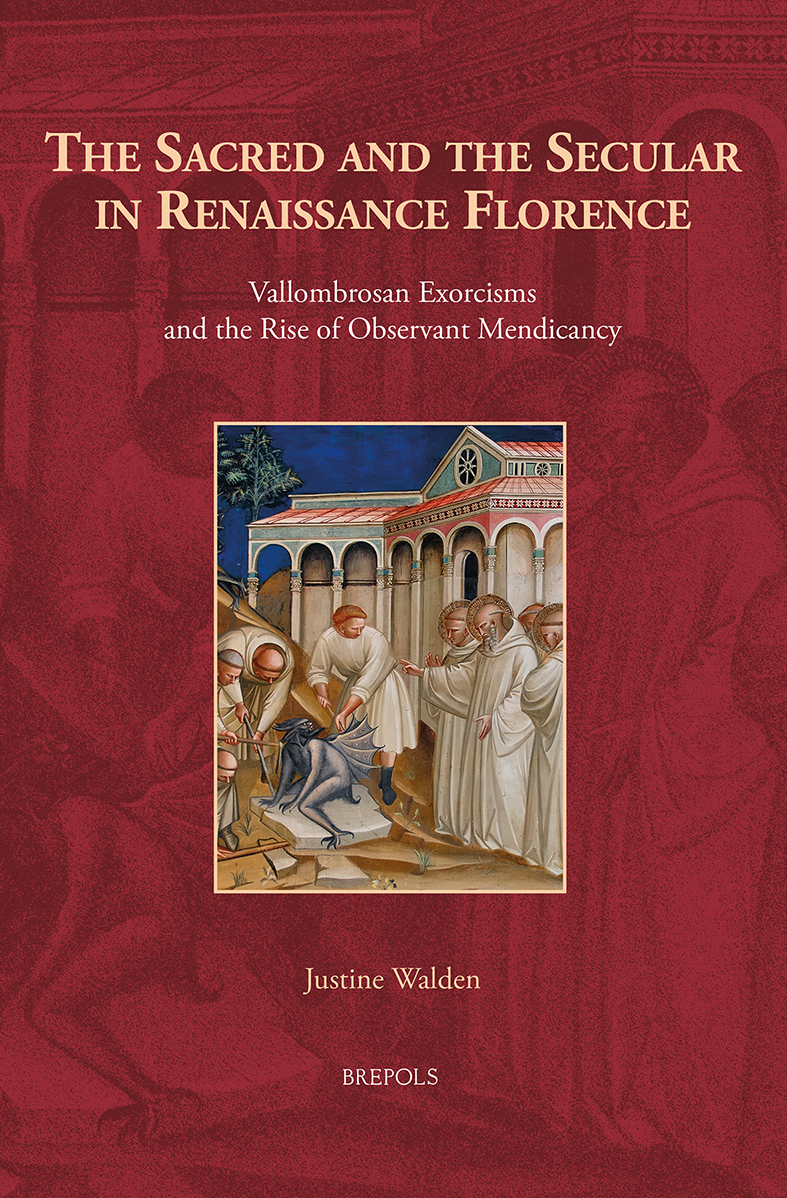 The Sacred and the Secular in Renaissance Florence
Vallombrosan Exorcisms and the Rise of Observant Mendicancy
Volume 31
 Tradition, Interpretation, and Change
Developments in the Liturgy of Medieval and Early Modern Ashkenaz