The Caliphate and Islamic Statehood
Formation, Fragmentation and Modern Interpretations
Edited by Carool Kersten

This 3-volume reference work tracks the history of the Caliphate as what many Muslims believe to be a genuine and authentic Islamic political institution: from its emergence in 7th-century Arabia until highly contested and controversial attempts at its revival at the beginning of the 21st-century by radical Islamists in Afghanistan a
Although the Caliphate was formally abolished ninety years ago, it had already ceased to exist as a unitary and effectively administered political institution many centuries earlier. The ever widening gap between political ideal and historical reality is also reflected in the varying conceptualizations and theories of the Caliphate developed by Islamic religious scholars and Muslim intellectuals past and present. However, recent events in the Islamic world show that the idea of a Caliphate still appeals to Muslims of varying persuasions. This three-volume reference work tracks the history of the Caliphate as what many Muslims believe to be a genuine and authentic Islamic political institution: From its emergence in seventh-century Arabia until highly contested and controversial attempts of its revival at the beginning of the twenty-first century by radical Islamists in Afghanistan and Iraq. No matter how grandiose such interpretations of a seemingly archaic institution may be, they show the Caliphate’s longevity as a rallying point – real or symbolic – for Muslims across the world. Volume I: Origins and Formation Volume II: Challenges and Fragmentation Volume III: Modern Interpretations
- Edited by Carool Kersten
Similar Books


 As Messianism Turns to Heresy
The Regenstein Chair Lectures On Lurianic Kabbalah and Shabbatai Tzevi at Hebrew Union College - Cincinnati
 Beyond Sovereign Courts
Agents and Practices in Early Modern Spanish and Habsburg Diplomacy
Volume 3
 Cities through Time
Glimpses into Urbanity and Community in Mediaeval to Modern West Asia and Egypt
Volume 1
 Cuneiform Artefacts from Archaeological Contexts: New Research on Ancient Iraq
Proceedings of a Conference Held at the Bavarian Academy of Sciences and Humanities, July 4–5, 2024
Volume 2


 Food Security under Armed Conflict
Global Knowledge Landscape and Public Attention to Social, Economic, and Humanitarian Dimensions
 Global Gulf
Geo-Economic, Geo-Political, and Geo-Technological Transformation in Saudi Arabia, the United Arab Emirates, and Qatar

 Innovationes Lovanienses: Arts, Law and Theology at the University of Louvain (1425–1797)
Studium Lovaniense: Learning across Borders, 2
Volume 18
 Ismail Hakki Bursevi’s translation of and commentary on Fusus al-Hikam By Muhyiddin Ibn ‘Arabi
Volumes 1-4


 Monastic Manuscripts from the Eastern Mediterranean (Sinai, Jerusalem, Antioch)
Production, Use, and Contexts
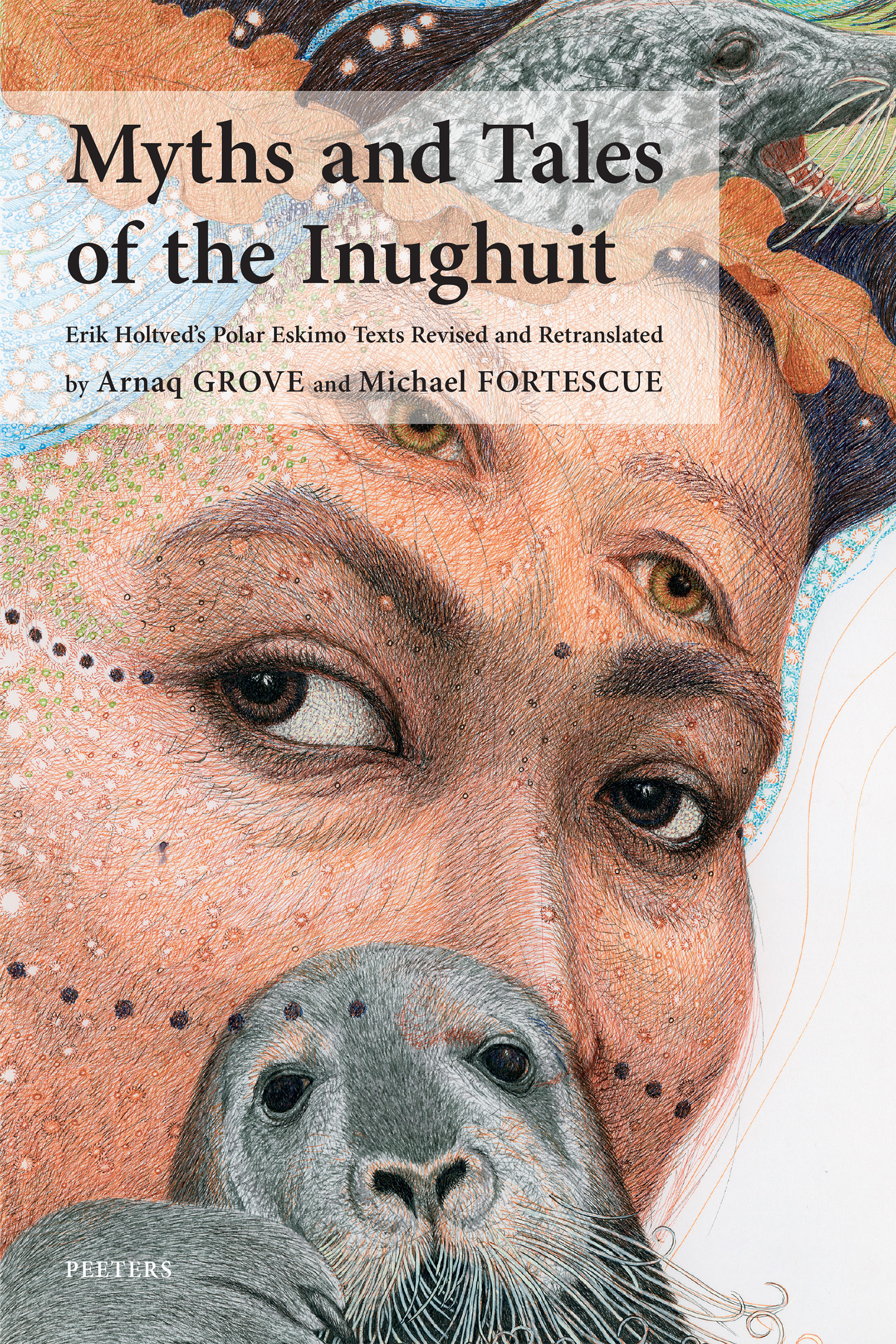 Myths and Tales of the Inughuit
Erik Holtved's Polar Eskimo Texts Revised and Re-translated into Danish and English
Volume 475, 12


 Qatar’s Societal Security
Towards the Inclusive National Concept of ‘Baladna’ Identity, Migration and External Threats Since 2017


 Students, Scholars and Their Books at the University of Louvain (1425-1797)
Studium Lovaniense: Learning across Borders, 1
Volume 17


 The Biblical Tale of Judah and Tamar in Fourteenth-Century Iran
A Judeo-Persian Versified Account by Shāhīn with Scholarly Edition, Annotated Translation and Persian Transliteration
Volume 94, 951

 The Discourse of Rites
Shaping and Reshaping the (Counter-)Priestly Rituals Conducted Outside the Tabernacle