
Stone Vessels in the Near East during the Iron Age and the Persian Period
(c. 1200-330 BCE)
By (author) Andrea Squitieri

Paperback (Published)
(March 2017)
ISBN: 9781784915520
8.07 x 11.46 inches
Price: $90.00
In stock
This book focuses on the characteristics and the development of the stone vessel industry in the Near East during the Iron Age and the Persian period (c. 1200 – 330 BCE). Three main aspects of this industry are investigated. First, the technology behind the manufacture of stone vessels, the tools and techniques, and how these changed across time. Second, the mechanisms of exchange of stone vessels and how these were affected by the changing political landscape through time. Third, the consumption patterns of stone vessels in both elite and non-elite contexts, and how these patterns changed through time. The aim is to evaluate how the formation of new regional states, occurred in the Iron Age I-II, and their subsequent inclusion within large-scale empires, in the Iron Age III and Persian period, transformed the Near Eastern societies by exploring how the stone vessel industry was affected by these transformations. For the period and area under analysis, such a comprehensive study of stone vessels, covering a wide area and connecting this industry to the broader socioeconomic and political landscapes, has never been attempted before.
Andrea Squitieri obtained BA (2006) and MA (2008) at the University of Torino (Italy) in Archaeology of the Near East, with a final dissertation on alabaster vessels in the Mediterranean during the 1st millennium BC. He continued his academic career at the University College, London, where he completed the PhD in 2015 with a thesis on stone vessels in the Iron Age and the Persian period. Andrea has participated in excavation projects in Turkmenistan (Parthian Nisa), Sardinia (Tharros), Syria (Tell Afis), Turkey (Tell Atchana), Israel (Tell es-Safi/Gath) and in Iraqi Kurdistan (Gird-i Bazar and Qalat-i Dinka). Since 2015, he has been a member of the Peshdar Plain Project directed by prof. K. Radner of the Ludwig-Maximilians University of Munich (Germany). He is also involved in the project for the study of the stone materials from Shahr-i Sokhta (east Iran), held in the Museum of Oriental Art of Rome (Italy).
- By (author) Andrea Squitieri
'To his credit [the author] has successfully broken new ground in the field of research on the history and development of stone vessels. The book's historical spectrum is admirably extensive, and because of this, will undoubtedly serve as the primary reference authority for future work on the subject.'
— Jeffrey D. Lerner
Other Titles in this Series


 Stone Tools in the Ancient Near East and Egypt
Ground stone tools, rock-cut installations and stone vessels from Prehistory to Late Antiquity


 Composite Artefacts in the Ancient Near East
Exhibiting an imaginative materiality, showing a genealogical nature
 New Research on Old Collections in Southwest Asian Archaeology
Proceedings of the Workshop Held at the British Museum, London, 31 July – 2 August, 2023
 Par la bêche et le stylet! Cultures et sociétés syro-mésopotamiennes
Mélanges offerts à Olivier Rouault
 Penser l’espace en Mésopotamie : contributions à la compréhension spatiale à travers les aménagements
Scripta memoriae Jean-Claude Margueron dedicata

 Mortals, Deities and Divine Symbols: Rethinking Ancient Images from the Levant to Mesopotamia
Studies Offered to Tallay Ornan
Similar Books




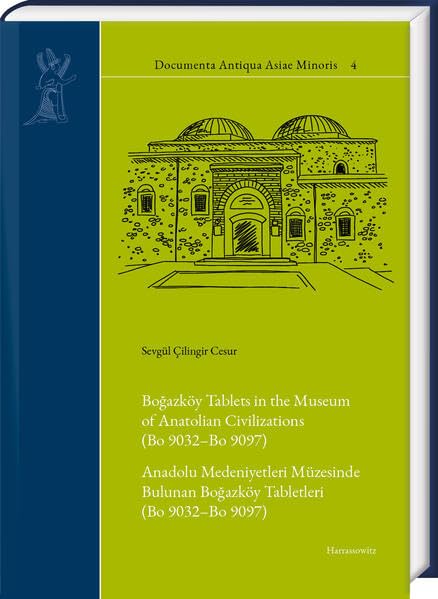 Boğazköy Tablets in the Museum of Anatolian Civilizations (Bo 9032–Bo 9097)
Anadolu Medeniyetleri Müzesinde Bulunan Boğazköy Tabletleri (Bo 9032–Bo 9097)
Volume 4

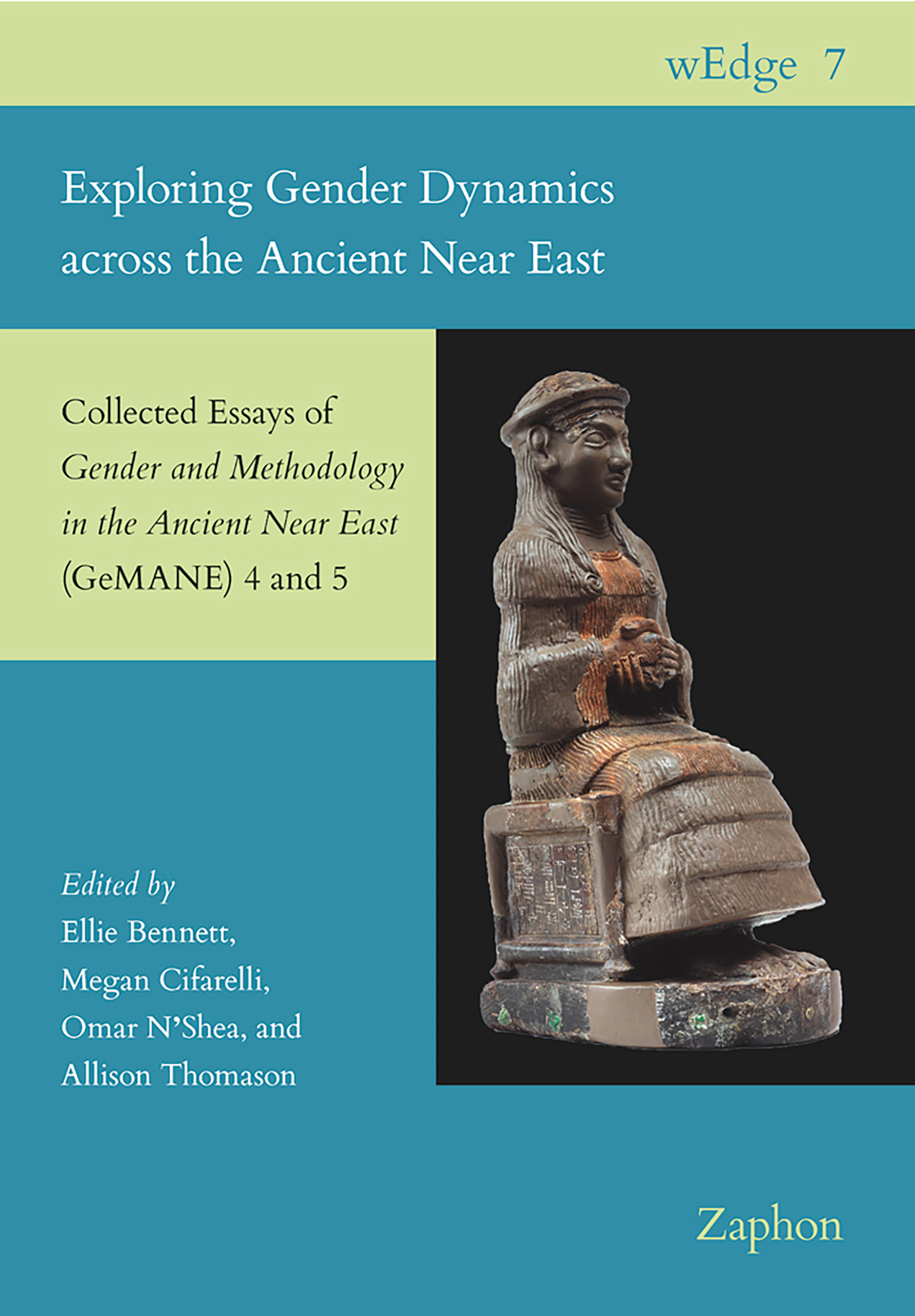 Exploring Gender Dynamics across the Ancient Near East
Collected Essays of Gender and Methodology in the Ancient Near East (GeMANE) 4 and 5
Volume 7

 Ḫattušaš utnē išḫameški
Hittite and Other Ancient Near Eastern Studies Presented to Piotr Taracha on the Occasion of His 65th Birthday
 Kultur – Kontakt – Kultur
Beiträge anlässlich der 66. Rencontre Assyriologique Internationale in Frankfurt/Main und Mainz, 25.–29. Juli 2022
Volume 35
 Old Aramaic Inscriptions and their Contexts
An Epigraphic, Archaeological, and Historical Synthesis
Volume 63
 Politics, Peoples, and Polities in the Ancient Near East
Proceedings of the 69th Rencontre Assyriologique Internationale, Helsinki
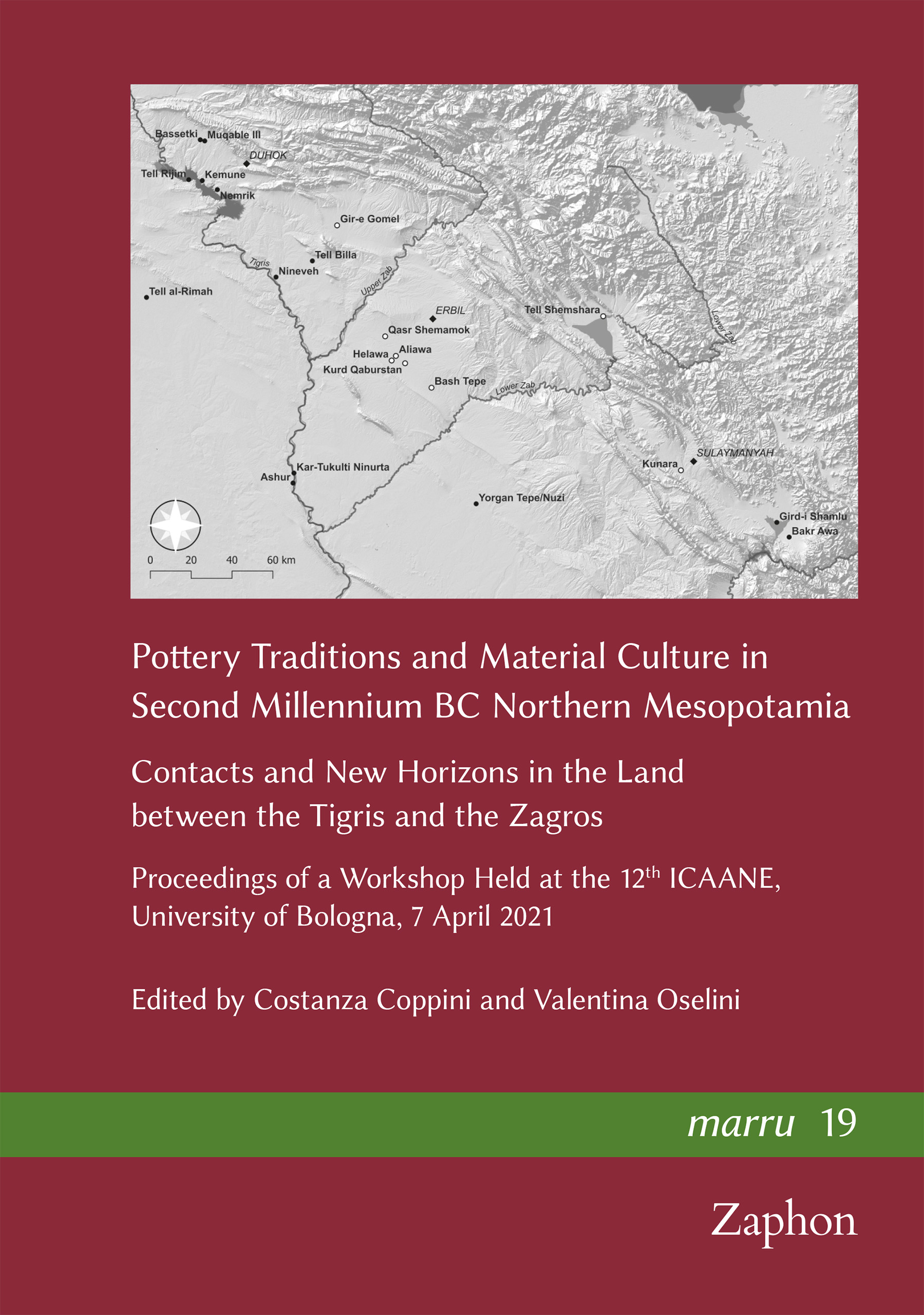 Pottery Traditions and Material Culture in Second Millennium BC Northern Mesopotamia
Contacts and New Horizons in the Land between the Tigris and the Zagros. Proceedings of a Workshop Held at the 12th ICAANE, University of Bologna, 7 April 2021
Volume 19
 Punning in Odd or Elegant Constructions in Jeremiah
The Convergence of Linguistics, Rhetoric, and Textuality in the Hebrew Text of Jeremiah
 Telling Contexts
Archaeological and Textual Studies in Honor of Elizabeth Bloch-Smith and Mark S. Smith
 The Body
Lived, Cultured, Adorned: Essays on Dress and the Body in the Bible and Ancient Near East in Honor of Nili S. Fox

 Die Entwicklung erdbebensicherer Bautechniken in der Frühen und Mittleren Eisenzeit in Ostanatolien
Volume 11
 Menschenwürde und Menschenrechte im Altem Orient, Israel und Hellas. Band 1
Human Dignity and Human Rights in the Ancient Near East, Ancient Israel, and Hellas. Volume 1
Volume 311
 Sprachwissenschaftliche und kulturhistorische Reflexionen
Festschrift zu Ehren von Jörg Klinger
Volume 31



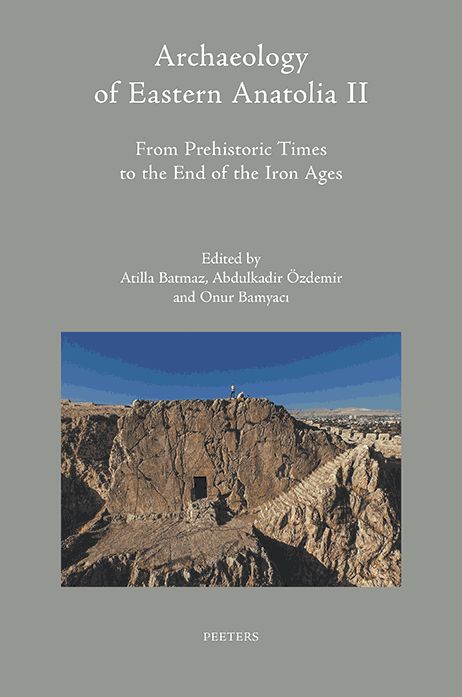 Archaeology of Eastern Anatolia II: From Prehistoric Times to the End of the Iron Ages
Proceedings of the 2nd Archaeology of Eastern Anatolia Colloquium, 23-25 April 2021, Online (Arkeolojihaber Youtube Channel)
Volume 43
 Assyria and the West
A Fresh Look at the Unshakeable Pillars of Late Bronze and Iron Age Chronology in the Eastern Mediterranean World

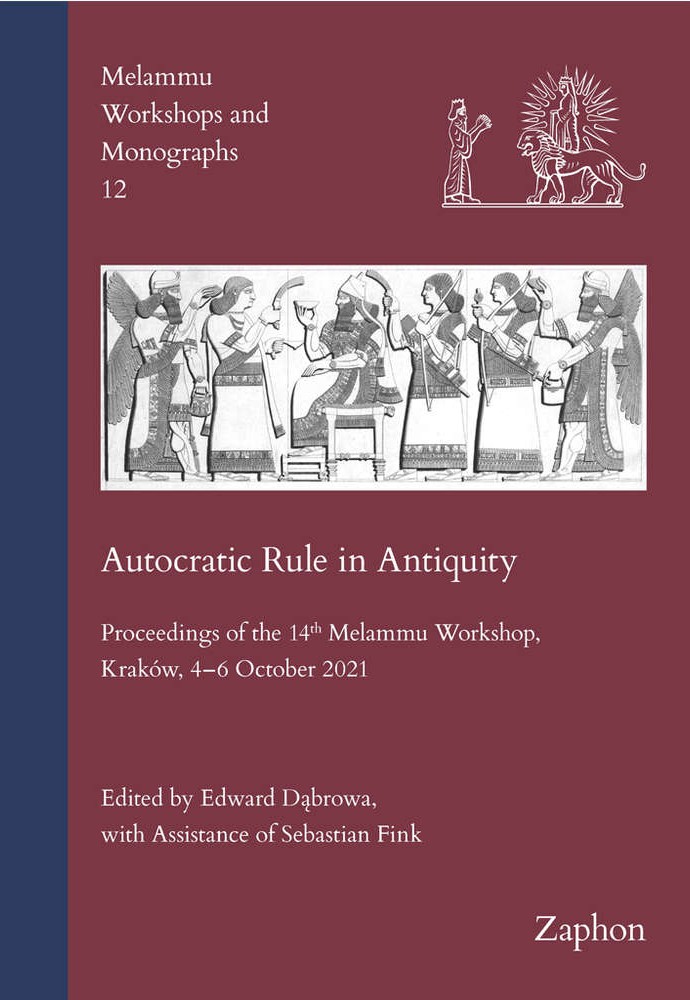 Autocratic Rule in Antiquity
Proceedings of the 14th Melammu Workshop, Krakow, 46 October 2021
Volume 12
 Boğazköy Tablets in the Museum of Anatolian Civilisations (Bo 95–Bo 3993)
Anadolu Medeniyetleri Müzesinde Bulunan Boğazköy Tabletleri (Bo 95–Bo 3993)
Volume 3
 Bridging the Gap: Disciplines, Times, and Spaces in Dialogue – Volume 2
Sessions 3, 7 and 8 from the Conference Broadening Horizons 6 Held at the Freie Universität Berlin, 24–28 June 2019
 Ceramic Finds in Context (Roman to Early Islamic Times)
Final Publications from the Danish-German Jerash Northwest Quarter Project VII
Volume 13
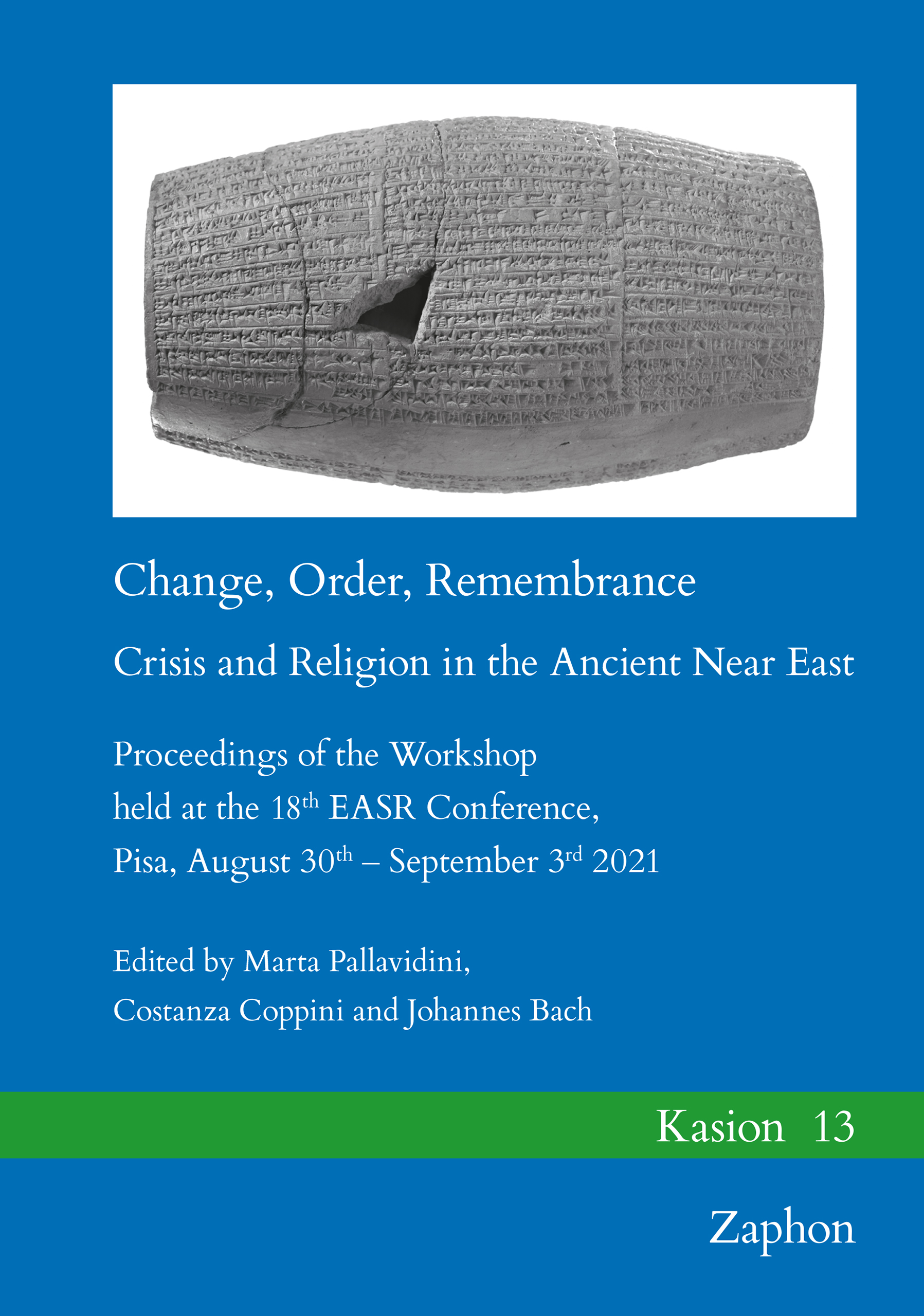 Change, Order, Remembrance
Crisis and Religion in the Ancient Near East: Proceedings of the Workshop held at the 18th EASR Conference, Pisa, August 30th - September 3rd 2021
Volume 13
 Domestic Trade and Maritime Trade in the Eastern Mediterranean and the Ancient Near East
Proceedings of the 10th Melammu Workshop, TRANSMARE Institute Trier, 11–13 December 2019
Volume 11
 From Egypt to the Levant and Beyond
African Individuals and Groupsain Cuneiform Texts from the Late Bronze Age
Volume 133
 Groundbreaking Technologies in the Middle Paleolithic of the Levant
8igh Resolution and Multi-scale Functional Analysis of Ground Stone Tools
Volume 3
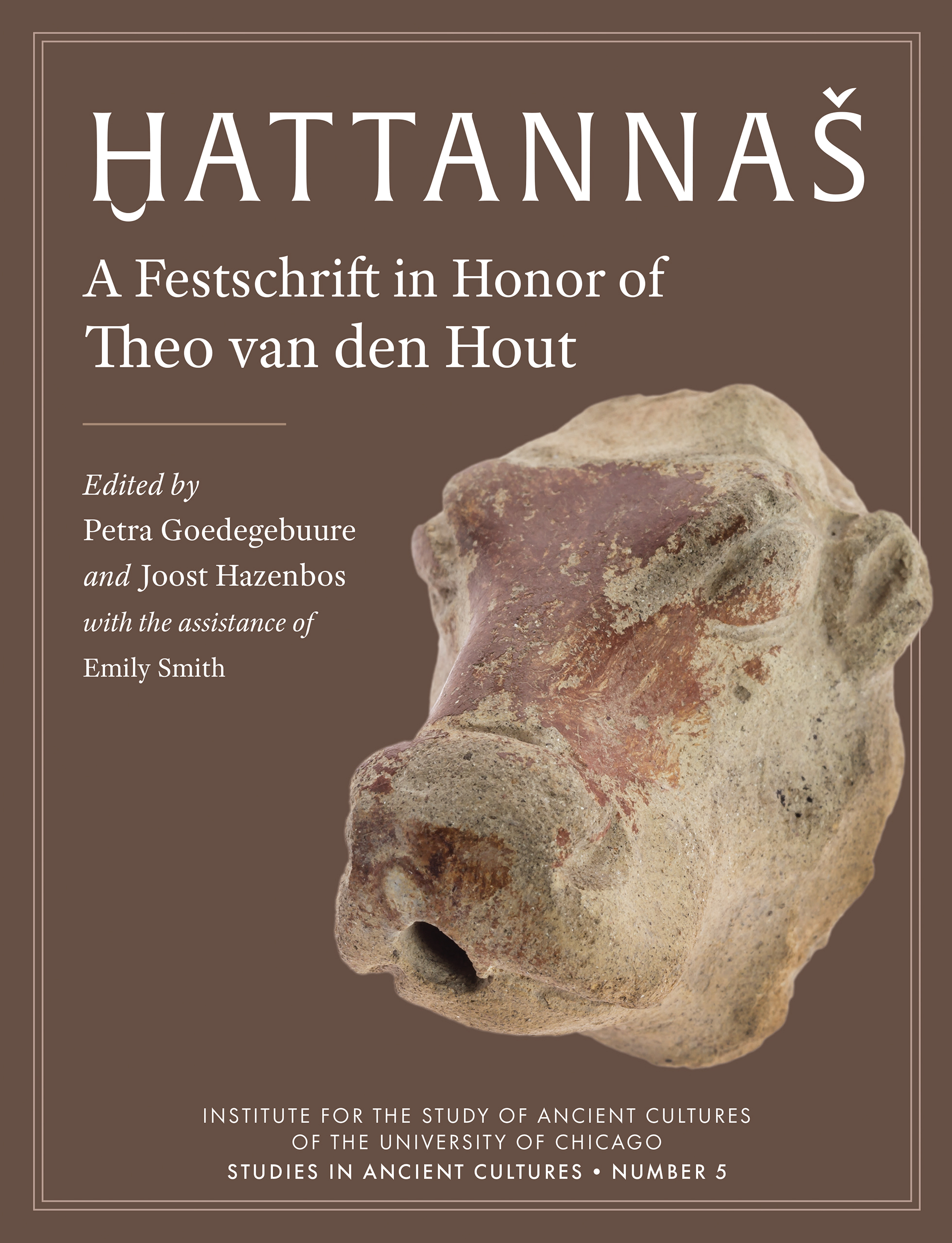
 It All Began with Stratigraphy and Chronology
Archaeology in Central Anatolia. Festschrift Dedicated to Sachihiro Omura on his 77th Birthday