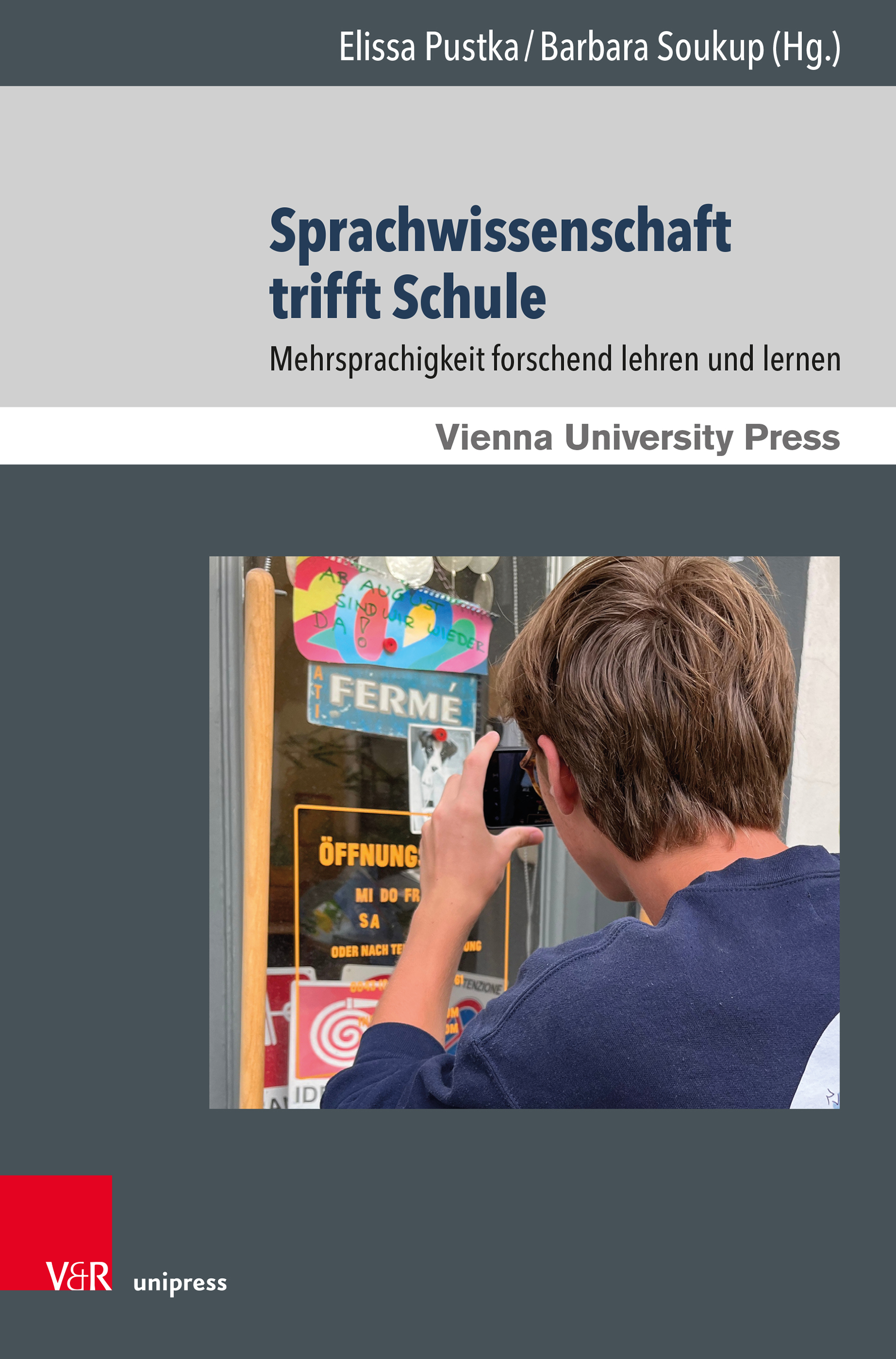
Sprachwissenschaft trifft Schule
Mehrsprachigkeit forschend lehren und lernen
Contributions by Linda Bäumler Contributions by Anna Berthold Contributions by Aleksandra Brill Contributions by Lisa Marie Brinkmann Contributions by Inci Dirim Contributions by Franziska Gerwers Contributions by Barbara Heinisch Contributions by Elisabeth Heiszenberger Contributions by Bettina Kögl Contributions by Lisa Krammer Contributions by Silvia Melo-Pfeifer Contributions by Elissa Pustka Contributions by Lukas Rammerstorfer Contributions by Kerstin Reiner Contributions by Sophia Seereiner Contributions by Cornelia Siller Contributions by Barbara Soukup Contributions by Marie-Luise Volgger Edited by Elissa Pustka Edited by Barbara Soukup
Mehrsprachigkeit macht Schule: Forschung zum Mitmachen – von der Linguistic Landscape ins Klassenzimmer
Die Mehrsprachigkeit an der Schnittstelle von Sprachwissenschaft, Citizen Science und Didaktik wird in diesem Band empirisch beleuchte. Berichtet wird von der Konzeption, Durchführung und Auswertung von Projekten wie VisibLL und IamDiÖ, inklusive der Motivation der Beteiligten, der Datenerhebung und -annotation in der Linguistic Landscape (u. a. mit Lingscape) und der Organisation von Ausstellungen mit Schüler*innen als Wissenstransfer in die Gesellschaft. Fächerübergreifende Formate (z.B. ein Linguistic Landscape-Orientierungslauf) werden ebenso vorgestellt wie Bezüge zu den UN‑Zielen für nachhaltige Entwicklung. Der Band liefert damit eine Grundlage für künftige Studien und Aktivitäten im Bereich Third Mission und in der Schulpraxis.
The edited volume brings together 11 scholarly contributions that empirically examine multilingualism at the intersection of linguistics, citizen science, and didactics. It reports on the design, implementation, and evaluation of projects such as VisibLL and IamDiÖ, including participant motivation, data collection and annotation in the linguistic landscape (including with Lingscape), and the organization of exhibitions with students as knowledge transfer to society. Cross-curricular formats (e.g., a linguistic landscape orienteering course) are presented, as are links to the UN Sustainable Development Goals. The volume thus provides a foundation for future studies and activities in the area of the “third mission” and in school practice.
- Contributions by Linda Bäumler
- Contributions by Anna Berthold
- Contributions by Aleksandra Brill
- Contributions by Lisa Marie Brinkmann
- Contributions by Inci Dirim
- Contributions by Franziska Gerwers
- Contributions by Barbara Heinisch
- Contributions by Elisabeth Heiszenberger
- Contributions by Bettina Kögl
- Contributions by Lisa Krammer
- Contributions by Silvia Melo-Pfeifer
- Contributions by Elissa Pustka
- Contributions by Lukas Rammerstorfer
- Contributions by Kerstin Reiner
- Contributions by Sophia Seereiner
- Contributions by Cornelia Siller
- Contributions by Barbara Soukup
- Contributions by Marie-Luise Volgger
- Edited by Elissa Pustka
- Edited by Barbara Soukup
Other Titles in this Series

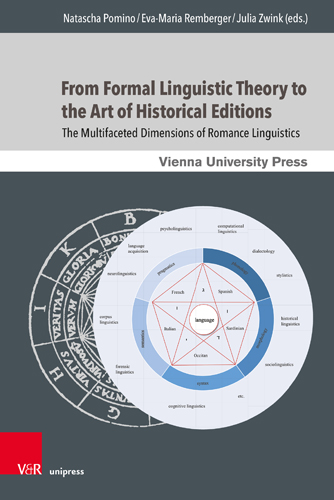 From Formal Linguistic Theory to the Art of Historical Editions
The Multifaceted Dimensions of Romance Linguistics


 Standarddeutsch im 21. Jahrhundert
Theoretische und empirische Ansätze mit einem Fokus auf Österreich
Similar Books


 Cahiers de lexicologie
Particules floues — Nouvelles études sur le français et l'espagnol
Volume 128
 Des mots aux actes
Traduction épistémique et littéraire. Nouvelles tendances en histoire et didactique
Volume 15


 Deutsch als Fremdsprache nach Englisch an chinesischen Hochschulen
Eine empirische Forschung über Lernstrategien zum Wortschatzlernen






 Punning in Odd or Elegant Constructions in Jeremiah
The Convergence of Linguistics, Rhetoric, and Textuality in the Hebrew Text of Jeremiah






 Communication, Strategy and Perception in the Changing World
Studies in Language, Translation and Education

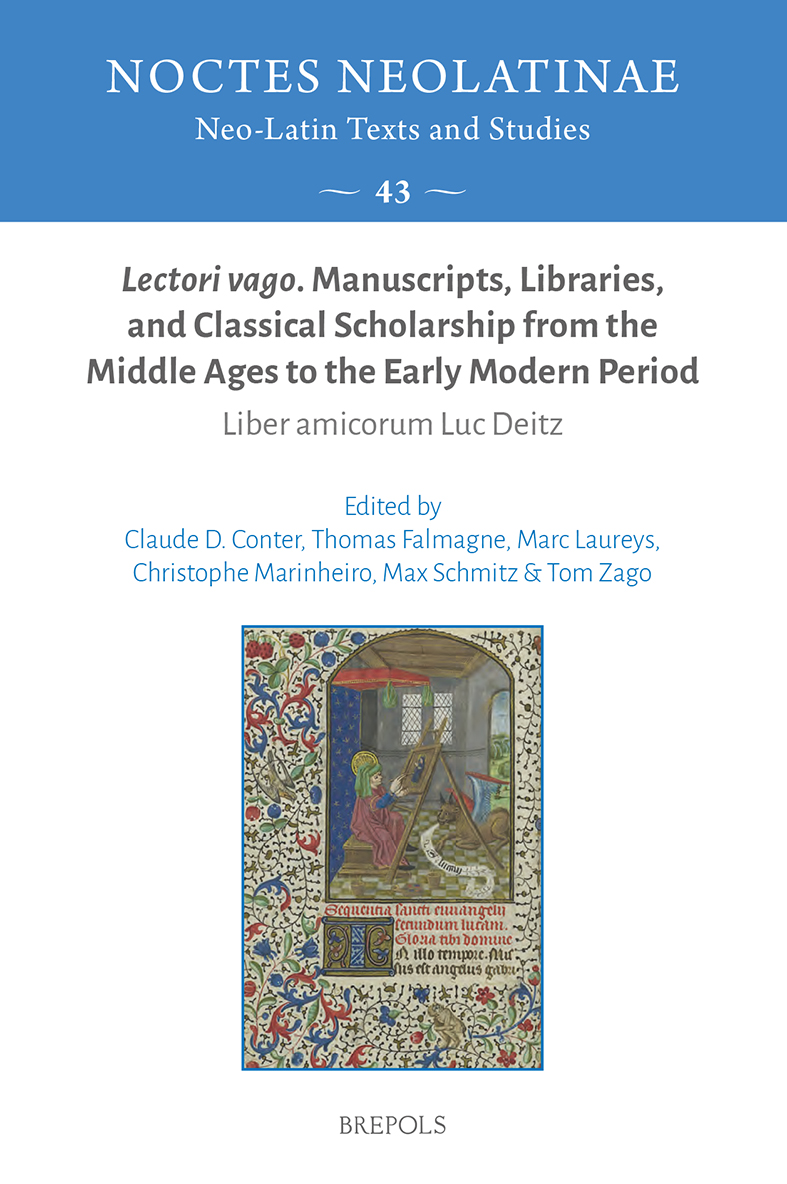 Lectori vago. Manuscripts, Libraries, and Classical Scholarship from the Middle Ages to the Early Modern Period
Liber amicorum Luc Deitz
Volume 43

 The Role of Language and Pragmatics in Conceptual Abstraction
Interactive Experiments and Emergent Communication Models Using Reference Games