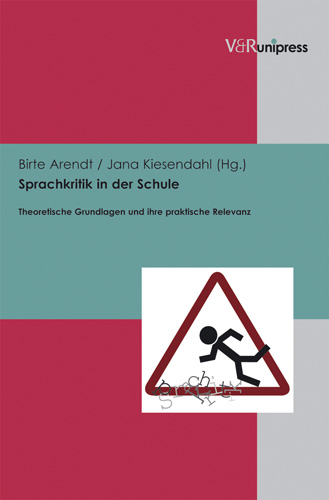
Sprachkritik in der Schule
Theoretische Grundlagen und ihre praktische Relevanz
Edited by Birte Arendt Edited by Jana Kiesendahl
Hardback (Published)
(April 2011)
ISBN: 9783899718201
6.46 x 9.69 inches
Price: $82.00
On back order
Linguistisch begrundete Sprachreflexion – eine Schlusselkompetenz, die als Unterrichtsgegenstand implementiert werden muss.
English summary: Students today face many communication demands that require the knowledge of possible linguistic variations, as well as an awareness of the effect of different language traditions. This book assumes that a language-critical reflection based on the criterion of situational appropriateness can provide the necessary insights and practical skills. Such a foundation of both the reflection on language as well as general pedagogical processes is offered by the linguistically-founded critique of language: It expands the view of the monolingual primacy of standard language as propagated, for example, by Bastian Sick, and thus allows for insights into functionally differentiated varieties and their meaning. The linguistically-founded criticism of language can lay the foundation for both the knowledge of students on language assessment processes and enlightened speech acts. This book brings together contributions by renowned scholars of linguistics, didactics, pedagogy, and psychology, who together with teachers and students discuss the potential of voice-reflection and awareness of language in the classroom, as well as practical approaches to the didactic application. The result is a broad consensus on the need to implement stronger language criticism as a subject. German text. German description: SchulerInnen stehen heute vor vielfaltigen kommunikativen Anforderungen, die das Wissen uber mogliche sprachliche Variationen ebenso voraussetzen wie das Bewusstsein daruber, wie unterschiedliche Sprachgebrauche wirken. Dieser Band geht davon aus, dass eine sprachkritische Reflexion, die sich am Kriterium der situativen Angemessenheit orientiert, die hierfur notigen Einsichten und praktischen Kompetenzen vermitteln kann. Eine derartige Fundierung sowohl des Lernbereichs Reflexion uber Sprache als auch allgemeiner padagogischer Prozesse bietet die linguistisch begrundete Sprachkritik: Sie erweitert den Blick uber das monolinguale Primat der Standardsprache hinaus, wie es z.B. von Bastian Sick propagiert wird, und gestattet so Einsichten in funktional differenzierte Varietaten und ihre Bedeutung. Durch die linguistisch begrundete Sprachkritik kann sowohl das Wissen der SchulerInnen uber Sprachbewertungsprozesse gescharft als auch eine Grundlage zum aufgeklarten Sprachhandeln gelegt werden. Dieses Buch vereinigt Beitrage von renommierten WissenschaftlerInnen der Linguistik, Didaktik, Padagogik und Psychologie, die gemeinsam mit LehrerInnen und Studierenden das Potenzial von Sprachreflexion und Sprachbewusstsein im Unterricht sowie praktikable Konzepte fur die didaktische Umsetzung diskutieren. Ergebnis ist ein breiter Konsens hinsichtlich der Notwendigkeit, Sprachkritik als Unterrichtsgegenstand starker zu implementieren.
Dr. Birte Arendt ist seit 2009 Lehrkraft für besondere Aufgaben am Institut für Deutsche Philologie der Universität Greifswald.
- Edited by Birte Arendt
- Edited by Jana Kiesendahl
Similar Books


 Cahiers de lexicologie
Particules floues — Nouvelles études sur le français et l'espagnol
Volume 128
 Des mots aux actes
Traduction épistémique et littéraire. Nouvelles tendances en histoire et didactique
Volume 15


 Deutsch als Fremdsprache nach Englisch an chinesischen Hochschulen
Eine empirische Forschung über Lernstrategien zum Wortschatzlernen







 Punning in Odd or Elegant Constructions in Jeremiah
The Convergence of Linguistics, Rhetoric, and Textuality in the Hebrew Text of Jeremiah







 Communication, Strategy and Perception in the Changing World
Studies in Language, Translation and Education


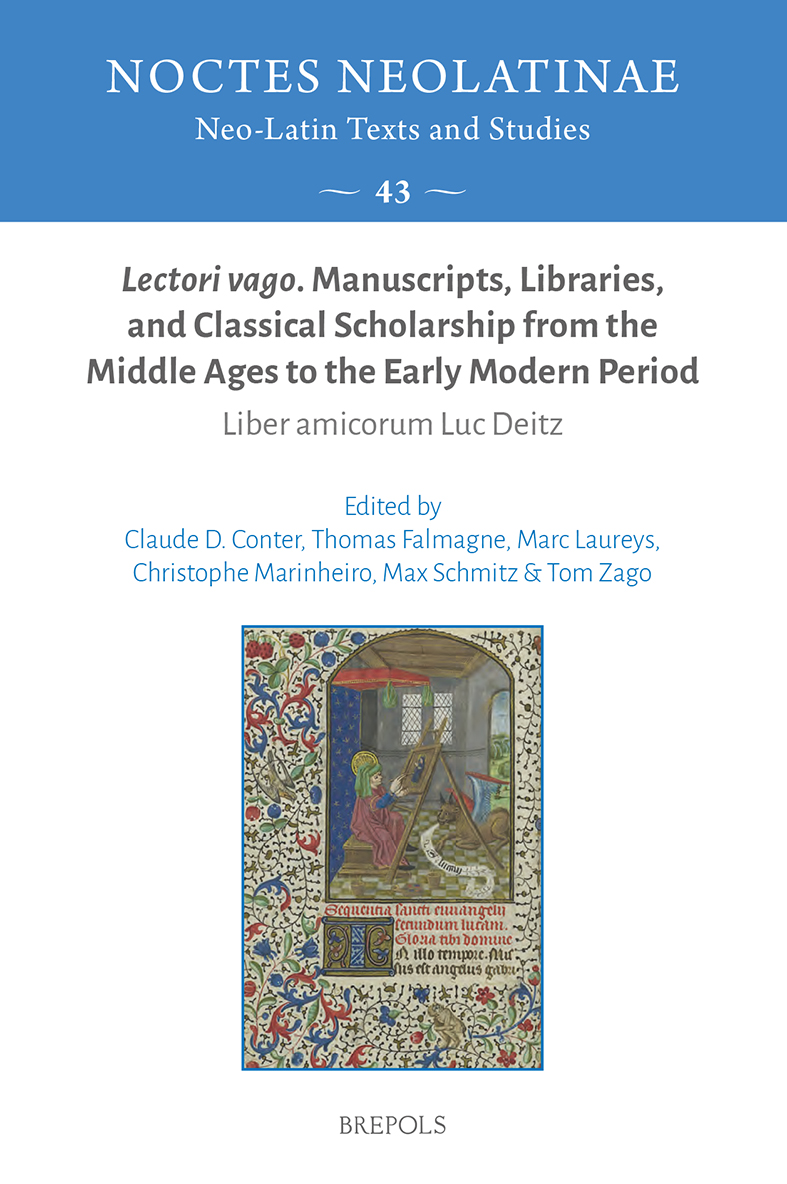 Lectori vago. Manuscripts, Libraries, and Classical Scholarship from the Middle Ages to the Early Modern Period
Liber amicorum Luc Deitz
Volume 43

 The Role of Language and Pragmatics in Conceptual Abstraction
Interactive Experiments and Emergent Communication Models Using Reference Games