
Sowjetisierung oder Neutralität?
Optionen sowjetischer Besatzungspolitik in Deutschland und Österreich 1945–1955
Contributions by Reiner Behring Contributions by Burghard Ciesla Contributions by Jan Foitzik Contributions by Gerhard Jagschitz Contributions by Otto Klambauer Contributions by Harald Knoll Contributions by Jochen Laufer Contributions by Jörg Morré Contributions by Wolfgang Mueller Contributions by Klaus-Dieter Mulley Contributions by Rolf Steininger Contributions by Barbara Stelzl-Marx Contributions by Alexei Filitov Contributions by Nikita Petrov Contributions by Oliver Rathkolb Contributions by Manfred Mugrauer Edited by Andreas Hilger Edited by Mike Schmeitzner Edited by Clemens Vollnhals

Hardback (Out of print)
(December 2006)
ISBN: 9783525369067
6.69 x 9.65 inches
Price: $94.00
On back order
English summary: The present volume attempts, for the first time, a systematic comparison of the Soviet occupation policies in Austria and Germany after 1945. The question of why Austria was able to retain its sovereignty and achieve the withdrawal of occupation troops in 1955, while, in the same year, Moscow definitively cemented its doctrine of the existence of two German states, is the focal point of this study. The contributed articles examine, on the one hand, the often very similar procedures and policies implemented by the occupying power in the two zones while, on the other hand, inquiring into the fundamental differences in circumstances that initially prevailed after the war. At the same time, the dynamics of the interaction between the two areas in the process of their evolution is not ignored. German description: Dieser Band vergleicht erstmals systematisch die sowjetische Besatzungspolitik in Osterreich und in Deutschland nach 1945. Weshalb konnte Osterreich seine staatliche Souveranitat bewahren und 1955 den Abzug aller Besatzungstruppen erreichen, wahrend Moskau im selben Jahr seine These von der Existenz zweier deutscher Staaten endgultig zementierte? Die Beitrage stellen die Gemeinsamkeiten der Instrumente und Maanahmen der Besatzungsmacht dar und beleuchten daruber hinaus die fundamentalen Unterschiede in der Ausgangslage und der Besatzungssituation.
- Contributions by Reiner Behring
- Contributions by Burghard Ciesla
- Contributions by Jan Foitzik
- Contributions by Gerhard Jagschitz
- Contributions by Otto Klambauer
- Contributions by Harald Knoll
- Contributions by Jochen Laufer
- Contributions by Jörg Morré
- Contributions by Wolfgang Mueller
- Contributions by Klaus-Dieter Mulley
- Contributions by Rolf Steininger
- Contributions by Barbara Stelzl-Marx
- Contributions by Alexei Filitov
- Contributions by Nikita Petrov
- Contributions by Oliver Rathkolb
- Contributions by Manfred Mugrauer
- Edited by Andreas Hilger
- Edited by Mike Schmeitzner
- Edited by Clemens Vollnhals
Other Titles in this Series


 Die Entwicklung der SED-Diktatur auf dem Lande
Die Landkreise Liebenwerda und Schweinitz in der Sowjetischen Besatzungszone 1945–1949
Volume 58
 Politischer Humanismus und »Verspätete Nation«
Helmuth Plessners Auseinandersetzung mit Deutschland und dem Nationalsozialismus
Volume 42
 Gewerkschaftlicher Niedergang im sozialistischen Aufbau
Der Freie Deutsche Gewerkschaftsbund (FDGB) 1945 bis 1953
Volume 26
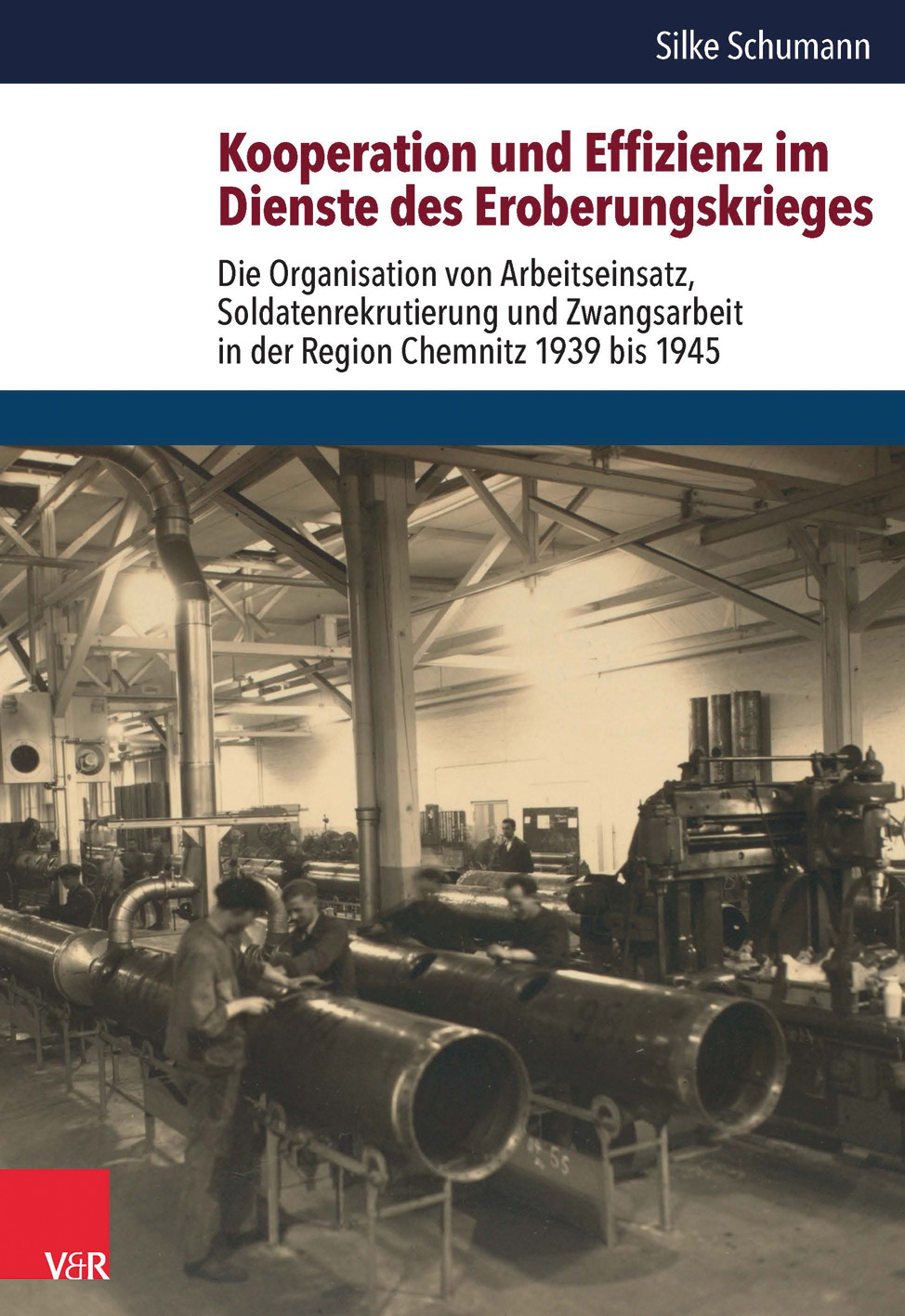 Kooperation und Effizienz im Dienste des Eroberungskrieges
Die Organisation von Arbeitseinsatz, Soldatenrekrutierung und Zwangsarbeit in der Region Chemnitz 1939 bis 1945
Volume 61
 Kontrollierte Kontrolleure
Die Bedeutung der Zollverwaltung für die »politisch-operative Arbeit« des Ministeriums für Staatssicherheit der DDR
Volume 44


 Totalitarismus und Literatur
Deutsche Literatur im 20. Jahrhundert – Literarische Öffentlichkeit im Spannungsfeld totalitärer Meinungsbildung
Volume 33
 Kontrolle und Repression
Individuelle Erfahrungen in der DDR 1971–1989. Historische Studie und methodologischer Beitrag zur Oral History
Volume 30


 Totalitarismus und Transformation
Defizite der Demokratiekonsolidierung in Mittel- und Osteuropa
Volume 37
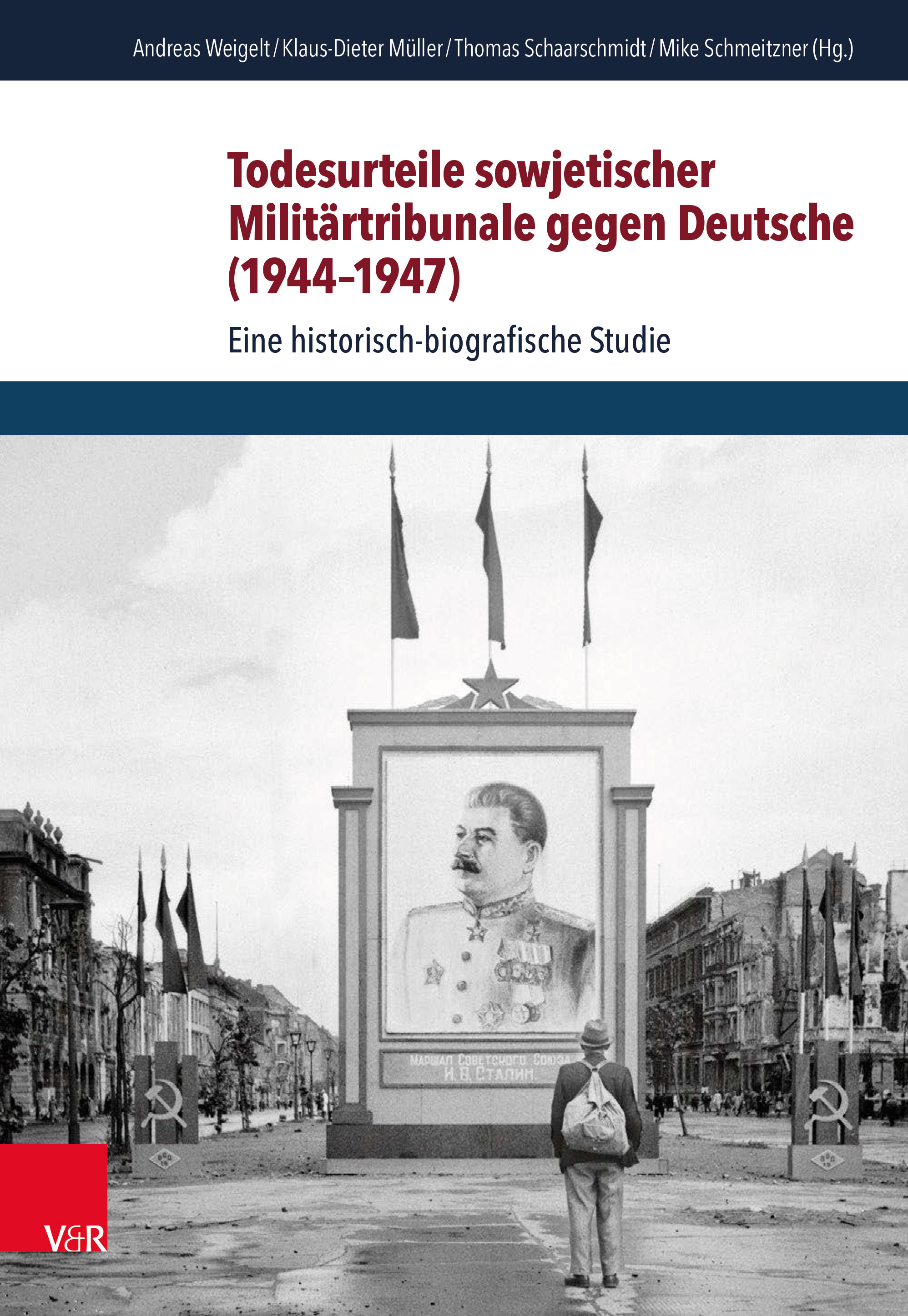 Todesurteile sowjetischer Militärtribunale gegen Deutsche (1944–1947)
Eine historisch-biografische Studie
Volume 56


 Das Präsidium der Landesverwaltung Sachsen
Die Protokolle der Sitzungen vom 9. Juli 1945 bis 10. Dezember 1946
Volume 40

 Auslese für die Siedlergesellschaft
Die Einbeziehung Volksdeutscher in die NS-Erbgesundheitspolitik im Kontext der Umsiedlungen 1939–1945
Volume 55

 Planwirtschaft – Privatisierung – Marktwirtschaft
Wirtschaftsordnung und -entwicklung in der SBZ/DDR und den neuen Bundesländern 1945–1994
Volume 63

 Die Bildung des Freistaates Sachsen
Friedliche Revolution, Föderalisierung, deutsche Einheit 1989/90
Volume 24

 »Gestapoagenten, Trotzkisten, Verräter«
Kommunistische Parteisäuberungen in Sachsen-Anhalt 1918–1953
Volume 27
Similar Books




 European Drama and Performance Studies
Dramatisations politiques. Théâtre, politique et idéologie au XIXe siècle (1806-1914)
Volume 27


 Modernization, Crises, Cultural Revolutions
Yugoslavia’s 1960s and 1970s through the amateur film lens


 Visual Memory and Oblivion
Monuments and Conflicts in Urban Spaces in Central and Eastern Europe from the Nineteenth Century to the Present Day


 “Tod durch Erschießen”
Generaloberst Nikolaus von Falkenhorst. Wehrmachtsbefehlshaber in Norwegen 1940–1945. Erinnerungen – Verhörprotokolle – Urteilssprüche
Volume 63
 “Zum Siege unserer menschenfreundlichen Prinzipien”
Ungarische Freimaurernetzwerke im „Orient“ 1886-1920


 Das Generalgouvernement Belgien im Ersten Weltkrieg 1914-17–1918
Die Erinnerungen des Generalobersten Ludwig Freiherrn von Falkenhausen
Volume 64
 Das Werden einer Universität
Die Protokolle des Akademischen Senats der Hamburgischen Universität 1919–1921


 Gelebtes Europa
Die innereuropäischen Beziehungen der altkatholischen Kirchen der Utrechter Union 1945 bis 1989


 Katechetischer Text, oder Unterricht vom christlichen Lehrbegrif für Unstudirte
2 Auflagen: 1765–1772. Bibliothek der Neologie. Kritische Ausgabe in zehn Bänden. Band X
 Konstruktion und Management deutscher Gemeinschaften 1933–1960
Irma Steinsch und die Ungarndeutschen
 L’Archive du Coup de dés
Étude critique de la réception d’Un coup de dés jamais n’abolira le hasard de Stéphane Mallarmé (1897-2007)
Volume 11

 Nach der Zerstörung
Die gewaltsame Einnahme von Städten von der Antike bis zum 20. Jahrhundert zwischen Disruption und Kontinuität

 A Companion to Political Leadership in Central and Eastern Europe after 1990
Democratization – Political Parties – Elections
Volume 3

