Seeing the Invisible in Late Antiquity and the Early Middle Ages
Papers from Verbal and Pictorial Imaging: Representing and Accessing Experience of the Invisible, 400-1000 (Utrecht, 11-13 December 2003)
Edited by Giselle de Nie Edited by Karl F Morrison Edited by Marco Mostert

Limiting itself to the vital centuries when the late Roman West reshaped itself into a first “Europe,” the conference explored the dominant conception of human nature in that era: that human existence was both body (in the visible world of material things) and soul (in the invisible world of spirit). This was a legacy of pre-Christian elements handed down from Greek philosophy and Hebrew Scriptures. Assimilating it to indigenous cultures in the Roman West, many alien to the ancient Mediterranean world, precipitated sea-changes in the understanding of human psychology. Ensuing frictions sparked extraordinary expressions of creativity in words and visual images. It also created dangerously subversive disequilibriums in the collective mentality within elites and between them and majority cultures. The papers in this volume investigate numerous configurations of a new culture taking shape in that volatile environment. They contribute to continuing debates about the cognitive co-ordination of words and pictorial images, and to cross-disciplinary dialogues in such disparate fields as art history, religious literature, mysticism, and cultural anthropology.
Limiting itself to the vital centuries when the late Roman West reshaped itself into a first “Europe,” the conference explored the dominant conception of human nature in that era: that human existence was both body (in the visible world of material things) and soul (in the invisible world of spirit). This was a legacy of pre-Christian elements handed down from Greek philosophy and Hebrew Scriptures. Assimilating it to indigenous cultures in the Roman West, many alien to the ancient Mediterranean world, precipitated sea-changes in the understanding of human psychology. Ensuing frictions sparked extraordinary expressions of creativity in words and visual images. It also created dangerously subversive disequilibriums in the collective mentality within elites and between them and majority cultures. The papers in this volume investigate numerous configurations of a new culture taking shape in that volatile environment. They contribute to continuing debates about the cognitive co-ordination of words and pictorial images, and to cross-disciplinary dialogues in such disparate fields as art history, religious literature, mysticism, and cultural anthropology.
- Edited by Giselle de Nie
- Edited by Karl F Morrison
- Edited by Marco Mostert
Other Titles in this Series


 Strategies of Writing
Studies on Text and Trust in the Middle Ages: Papers from Trust in Writing in the Middle Ages (Utrecht, 28-29 November 2002)
Volume 13


 Looking Back from the Invention of Printing
Mothers and the Teaching of Reading in the Middle Ages
Volume 40
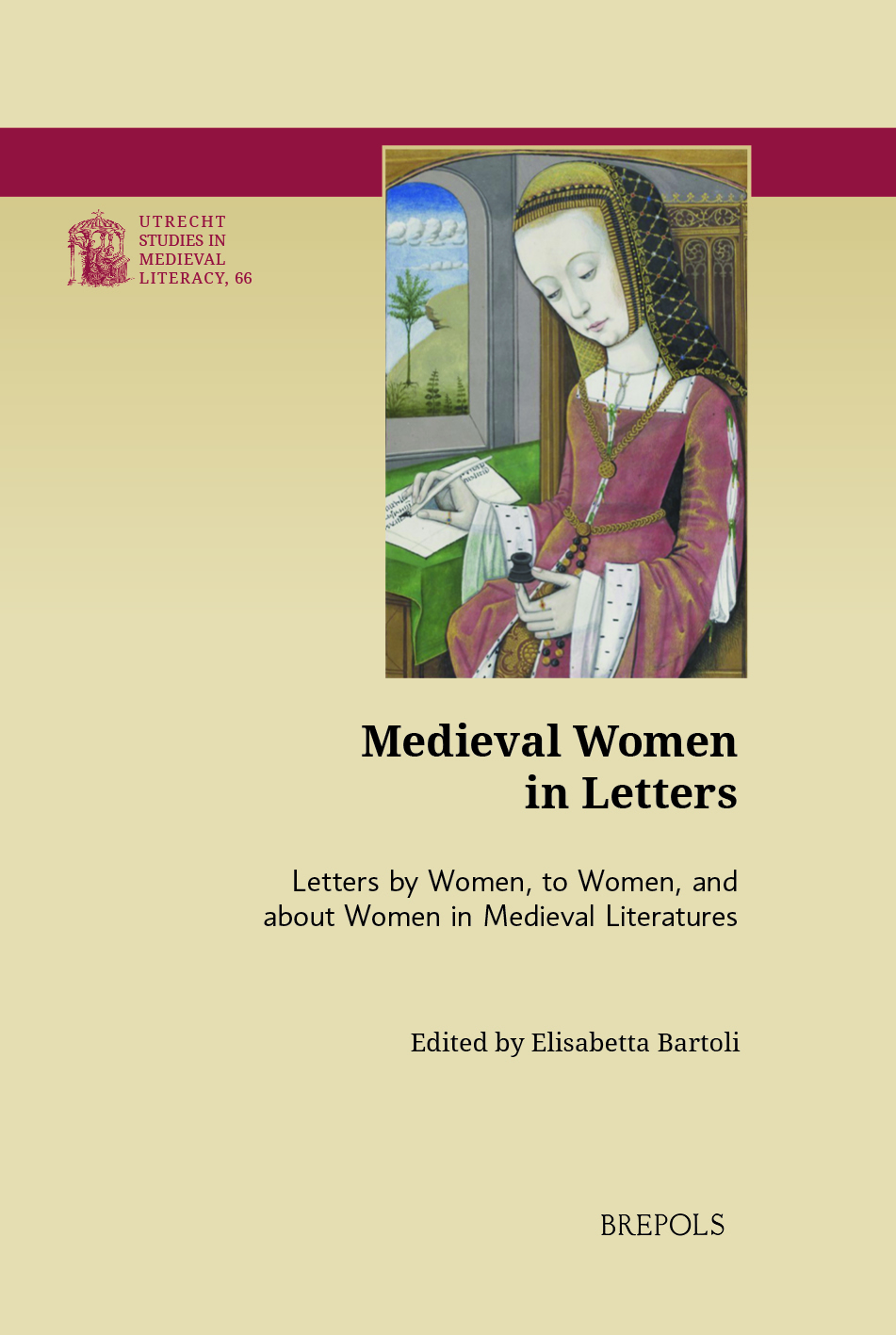 Medieval Women in Letters
Letters by Women, to Women, and about Women in Medieval Literatures
Volume 66

 Homo Legens
Styles et pratiques de lecture: Analyses comparees des traditions orales et ecrites au Moyen Age / Styles and Practices of Reading: Comparative Analyses of Oral and Written Traditions in the Middle Ages
Volume 26
 Writing Names in Medieval Sacred Spaces
Inscriptions in the West, from Late Antiquity to the Early Middle Ages
Volume 56


 Manuscript Communication
Visual and Textual Mechanics of Communication in Hagiographical Texts from the Southern Low Countries, 900-1200
Volume 32


 Literacy in Medieval and Early Modern Vilnius
Forms of Writing and Rhetorical Spaces in the City
Volume 55

 Documenting the Everyday in Medieval Europe
The Social Dimensions of a Writing Revolution, 1250-1350
Volume 42


 Orality and Literacy in the Middle Ages
Essays on a Conjunction and its Consequences in Honour of D. H. Green
Volume 12
Similar Books
 A Collaborative Tapestry in Honour of Shirley Ann Brown / Une fresque brodée en l’honneur de Shirley Ann Brown
The Bayeux Tapestry Seen by her Colleagues and Friends / La Tapisserie de Bayeux vue par ses collègues et amis
 Behind the Scenes of Medieval Roofs
An Overview of the Roofing Systems of Italian Churches
Volume 90


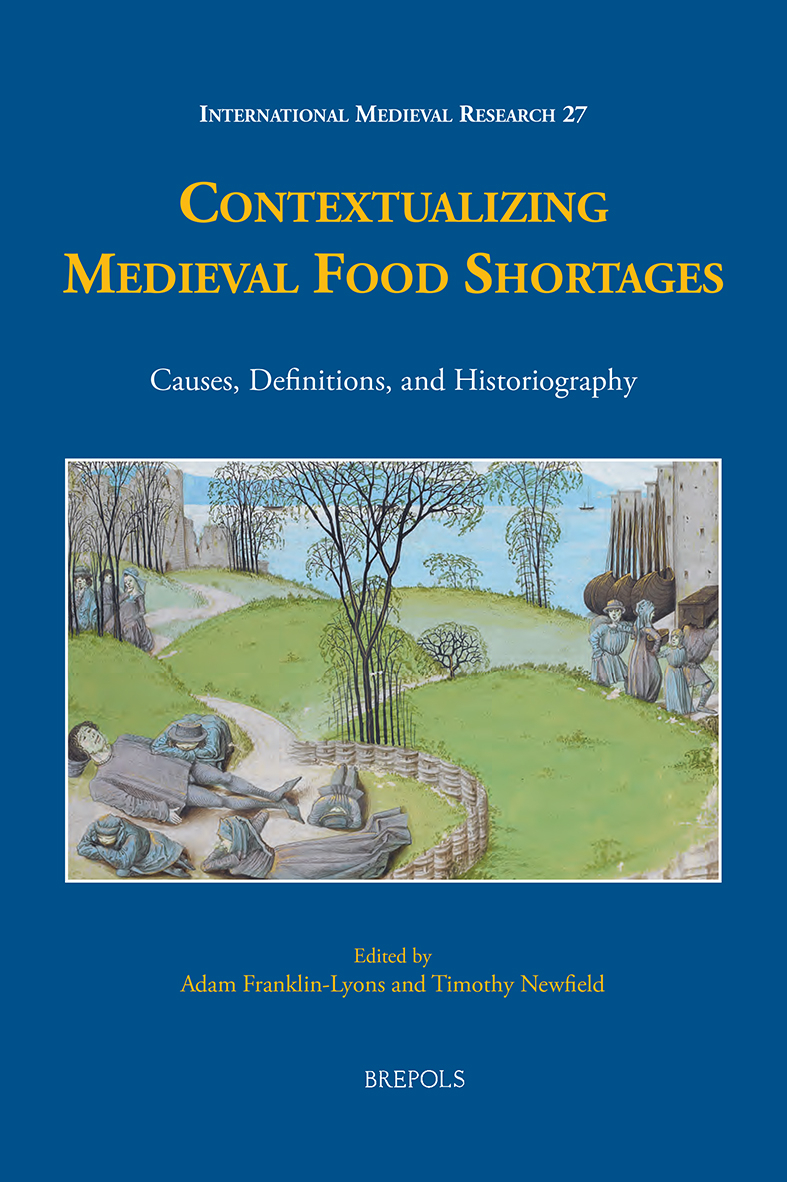

 Drunk the Potion, No Whit Charmed
The Doctrine of Pure and Perfect Souls from Iamblichus to Damascius


 Epiphanies of the Divine in the Septuagint and the New Testament
Fifth International Symposium of the Corpus Judaeo-Hellenisticum Novi Testamenti (CJHNT), 14-17 May 2015, Nottingham

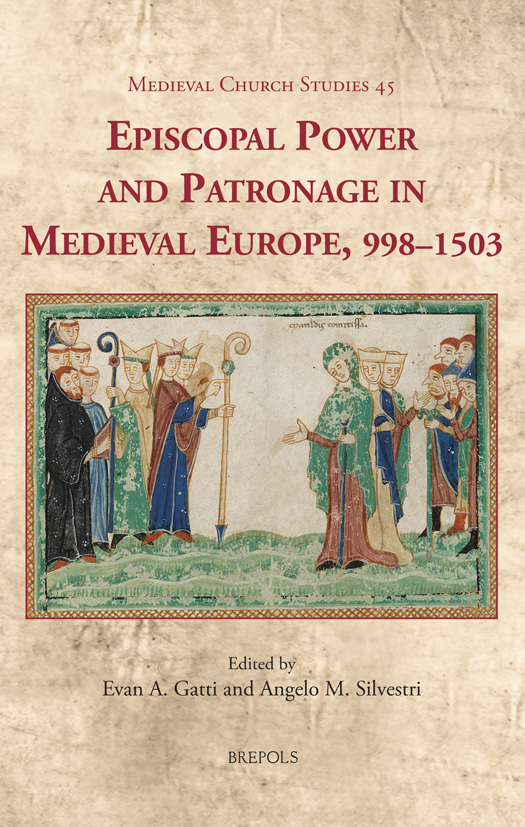


 Innovation and Medieval Communities
The Circulation of Ideas and Practices in and out of the Town (1200-1500)
Volume 63
 John Dunstaple Reading Boethius
John Dunstaple’s Annotations to Boethius’s “De institutione musica” in the Manuscript Oxford, Corpus Christi College Library, MS 118
 Language and Power in the Roman Empire and Early India
Hierarchy, Ambiguity, and the Art of Reading the Signs in Cosmopolitan Cultures
 Late Antique villae in the Balkans (3rd–7th c. AD): Current Research Questions and Perspectives
HAEMUS Companion to the Late Antique Balkans 1
Volume 4
 Linguistic and Cultural Dynamics in a Frontier Society
New Perspectives on Northeastern Bavaria and Western Bohemia in the Early Middle Ages
Volume 9
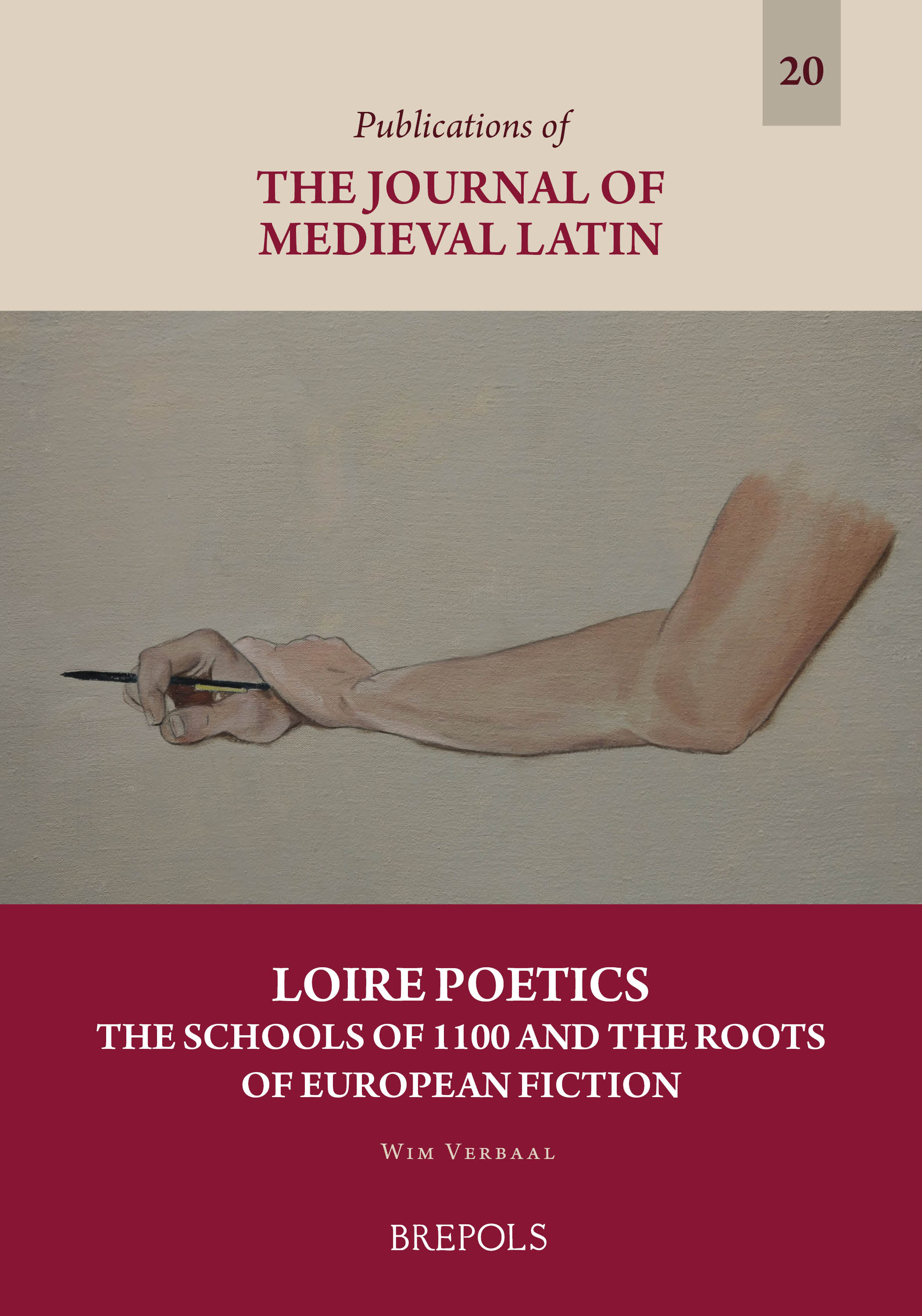
 Medieval Debates on Foreknowledge: Future Contingents, Prophecy, and Divination
Acts of the XXVII Annual Colloquium of the SIEPM, Trento 12-15 September 2023
Volume 31
 Medieval Yeghegis, Armenia
History, Archaeology, Society. Local Multiplicities and Global Connections of a Rural Centre on the Silk Road(s)
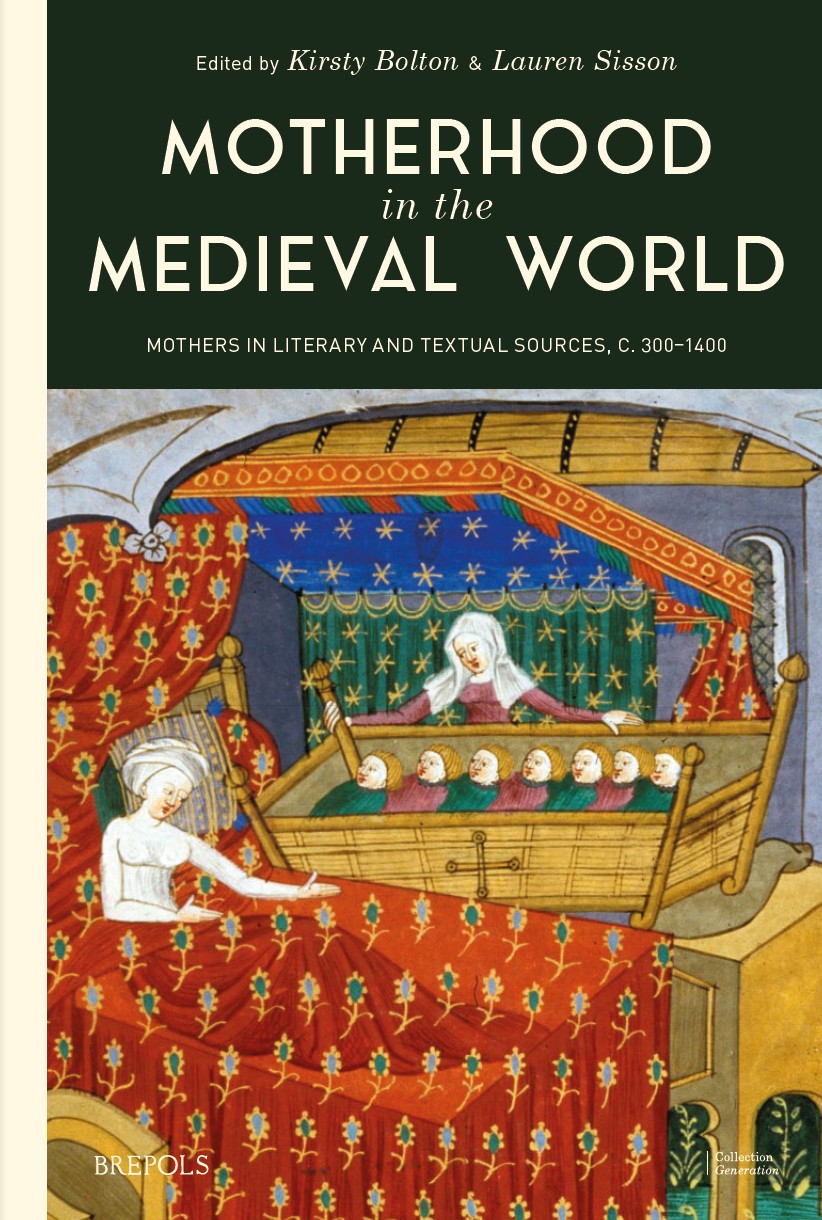
 Nurturing the Elite
Representations of Drinking, Eating, and Religious Vessels in Palmyrene Funerary Iconography
Volume 13