Scaffolds of the Church
Towards Poststructural Ecclesiology
by Cyril Hovorun
Paperback (No longer our product)
(July 2018)
ISBN: 9780227176870
5.98 x 9.02 inches
Price: $41.00
On back order
An examination of how the ecclesial structures of Eastern Church evolved and how they contributed, or failed to contribute, to Church unity.
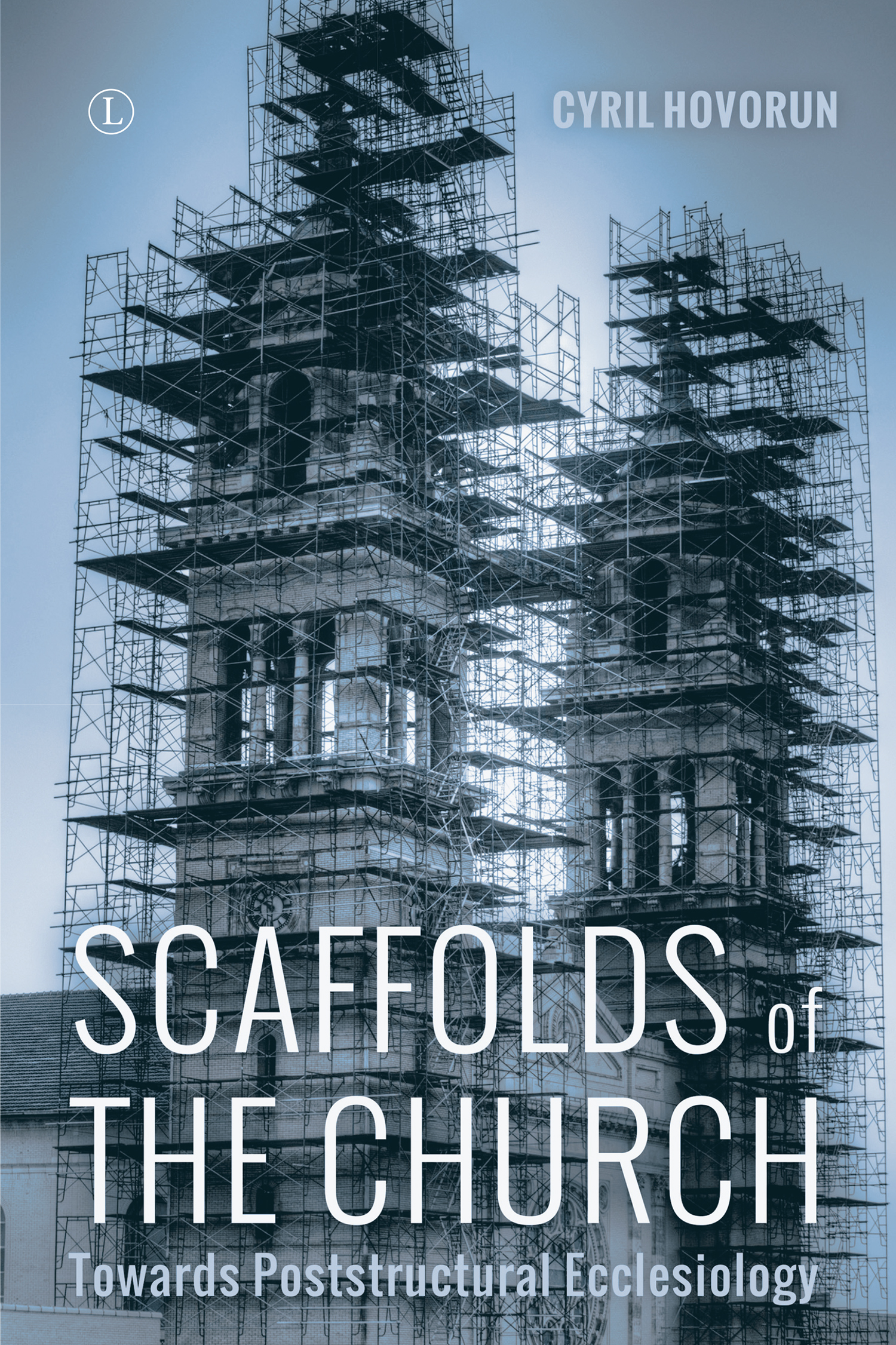
Unity is the categorical imperative of the Church. It is not just the Church’s bene esse, but its esse. In addition to being a theological concept, unity has become a raison d’etre of various structures that the Church has established and developed.All of these structures are supposed to serve the end of unity. However, from time to time some of them deviate from their initial purpose and contribute to disunity. This happens because the structures of the Church are not a part of its nature and can therefore turn against it. They are like scaffolding, which facilitates the construction and maintenance of a building without actually being part of it. Likewise, ecclesial structures help the Church function in accordance with its nature but should not be identified with the Church proper. Scaffolds of the Church considers the evolution of some of these structures and evaluates their correspondence to their initial rationale. It focusses on particular structures that have developed in the eastern part of the Christian oecumene, such as patriarchates, canonical territory, and autocephaly, all of which are explored in the more general frame of hierarchy and primacy. They were selected because they are most neuralgic in the life of the Orthodox Churches today and bear in them the greatest potential to divide.
- By (author) Cyril Hovorun
"Cyril Hovorun is emerging as one of the foremost ecclesiologists of modern times. . . . Hovorun's analysis has profound insights for ecumenism, as well as for the struggle for some practical coherence within the Orthodox Churches themselves."-Andrew Louth, Durham University"Hovorun's critique of the limitations of hierarchy-centered and eucharistic ecclesiologies is bound to be controversial, while making an important contribution to the ongoing dialogue between the Christian East and West."-Paul L. Gavrilyuk, University of St. Thomas, Minnesota"Hovorun offers a refreshing analysis of the various structures of the church as they developed over time. . . . [He] convincingly argues that the nature of the church should not lead to reified structures, and points the way to faithful reform in the face of new problems and challenges facing the church." -Aristotle Papanikolaou, Fordham University 'a highly original work in constructive ecclesiology'Mark D Chapman, University of Oxford, Expository Times vol. 130 no. 7, April 2019
—
Similar Books
 ‘For You I Study, For You I Work, For You I Live, For You I Am Ready To Even Give My Life’
Essays in Honour of Francis (Frank) J Moloney, SDB
 A Connecting Polemic in the Medieval Mediterranean
The Correspondence of Leo III and ʿUmar II
Volume 6





 Cultic Kisses
Fruitful Encounters Between Deities and Humans. Festschrift for Angelika Berlejung on the Occasion of Her 65th Birthday




 Extracanonical Traditions and the Holy Land
Texts, Rituals, and Material Culture in Late Antique Palestine
 Fear, Fear of God, God-Fearers
Philological and Historical Perspectives on the World of Ancient Judaism and Christianity


 Hoghe minne es deen vor dander
Essays on the Christian Mystical Tradition in Honour of Rob Faesen SJ
Volume 122
 Liturgia semper reformanda
Adaptations and accommodations in the liturgy in light of canon 838 of the Code of Canon Law


 On Becoming a Theologian of the Cross
Revisiting Luther’s theologus crucis from the Heidelberg Disputation to the Genesis Lectures

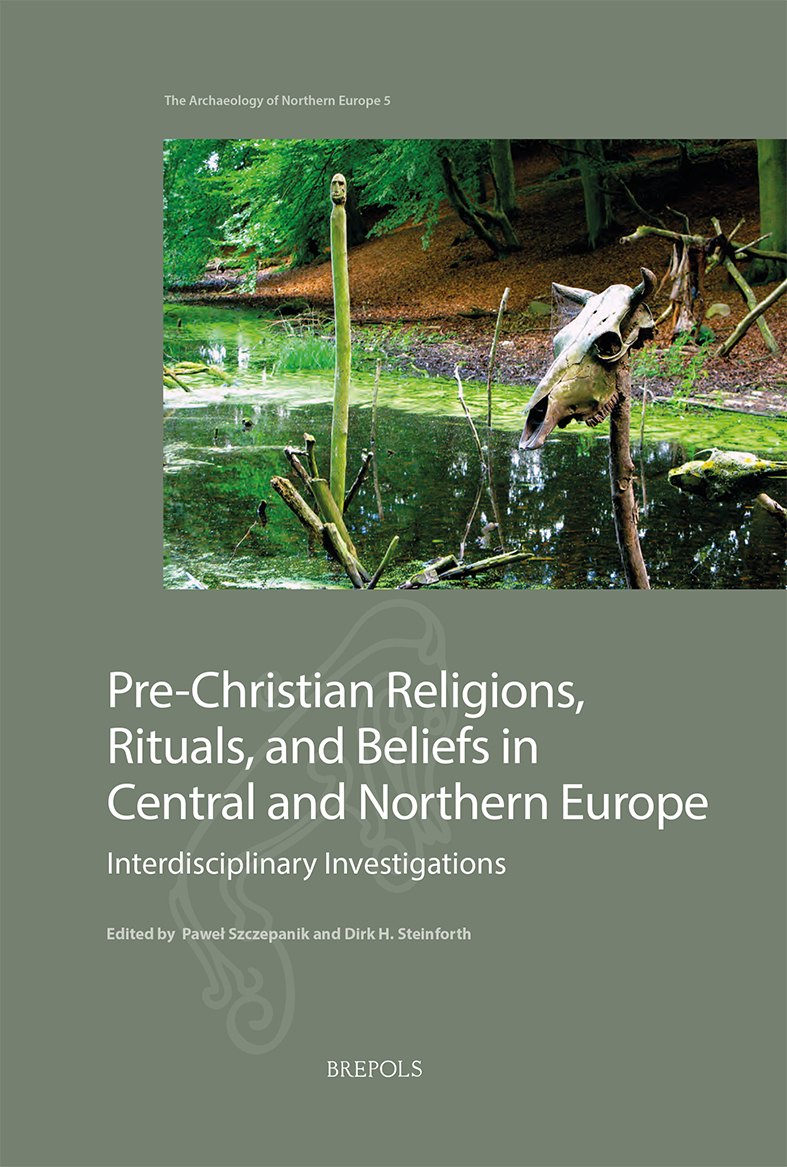 Pre-Christian Religions, Rituals, and Beliefs in Central and Northern Europe
Interdisciplinary Investigations
Volume 5
 Reforming Good Works in Geneva
Bénédict Pictet’s Doctrine of Good Works and His Place in Late Reformed Orthodoxy
Volume 85