
Sayat’-Nova, an 18th-century troubadour. A Biographical and Literary Study

This book investigates the life and work, and the literary and historical background, of the most popular Armenian poet and minstrel of the early modern era, Arut’in called Sayat’-Nova (c. 1712-1795). The most important of his songs in Armenian, Tiflis Armenian, Georgian and Azeri Turkish, one in four languages (these plus Persian), are edited in a unified transliteration from the original Georgian and Armenian scripts on the texts in the Tetrak, a 1765/6 MS in at least partly his own hand, and versions made in 1823 at St. Petersburg by his youngest son Ioane, with notes on variants, loanwords, cryptica (“trobar clus”), puns, etc. Six odes in poor Russian, hitherto ignored, are examined for motive and sentiments. Chapters are devoted to versification, genres and influences (mainly Persian), an attempt being made to analyse the attraction of his verse. Comparisons are drawn with the work, and where relevant the lives of Sappho, Ovid (fellow exile), Hafiz, Bernard de Ventadorn (fellow victim of the backbiter), Shakespeare (and his Dark Lady), etc. Sayat’-Nova’s poems are mainly love-songs, others, mainly in Georgian, are complaints to his patron (eulogised as “the Emperor of China”, etc.) concerning injustices at his hand and those of Georgian courtiers who held him, and Armenian Orthodox (which he was proud to be, as he declared in Azeri) among Georgian Orthodox and Muslims, for an unwelcome upstart. His religious odes (ilahis) and his religious views, to some extent coloured by Islam, are discussed. According to tradition, he died a martyr, refusing to apostasize when challenged by the troops of Agha Mahmad Khan on the invasion of Tiflis in 1795. Sayat’-Nova considered himself a builder of bridges between the various ethnic cultures of Georgia in whose languages he sang, reflecting the statesman-like aspirations of his royal patron. The present work is one of the few to treat the poems in each language on an equal basis.
Other Titles in this Series


 Histoire de Mar Abba, catholicos de l’Orient. Martyres de Mar Grigor, général en chef du roi Khusro Ier et de Mar Yazd-panah, juge et gouverneur
T.
Volume 658, 254


 Vie et conduite des Bienheureux Justes-nus et de notre saint Père Zosime: trois traductions géorgiennes
V.
Volume 687, 26

 Arméniens et Byzantins à l’époque de Photius: Deux débats théologiques après le Triomphe de l’Orthodoxie
Volume 609, 117
 Kirakos Ganjakec’i (XIIIe siècle). Histoire d’Arménie
Traduction, introduction et notes
Volume 696, 144
 Catalogue of Syriac and Garshuni Manuscripts
Manuscripts Owned by the Iraqi Department of Antiquities and Heritage
Volume 639, 126


 Histoire de Mar Abba, catholicos de l’Orient. Martyres de Mar Grigor, général en chef du roi Khusro Ier et de Mar Yazd-panah, juge et gouverneur
V.
Volume 659, 255
 Saint Basil of Caesarea and Armenian Cosmology
A Study of the Armenian Version of Saint Basil's Hexaemeron and its Influence on Medieval Armenian Views about the Cosmos
Volume 646, 130


 Das Berliner “Koptische Buch” (P20915). Eine wieder hergestellte frühchristlich-theologische Abhandlung
T.
Volume 610, 49

 Pseudo-Atanasio. Dialoghi IV e V sulla santa Trinità (testo greco con traduzione italiana, versione latina e armena)
Volume 634, 125


 Interregnum
Introduction to a Study on the Formation of Armenian Identity (ca 600-750)
Volume 640, 127
 Analecta Hymnica Coptica
Bohairic Hymns for the Liturgical Year from Medieval Chant Manuscripts
Volume 705, 56


Similar Books
 ‘For You I Study, For You I Work, For You I Live, For You I Am Ready To Even Give My Life’
Essays in Honour of Francis (Frank) J Moloney, SDB

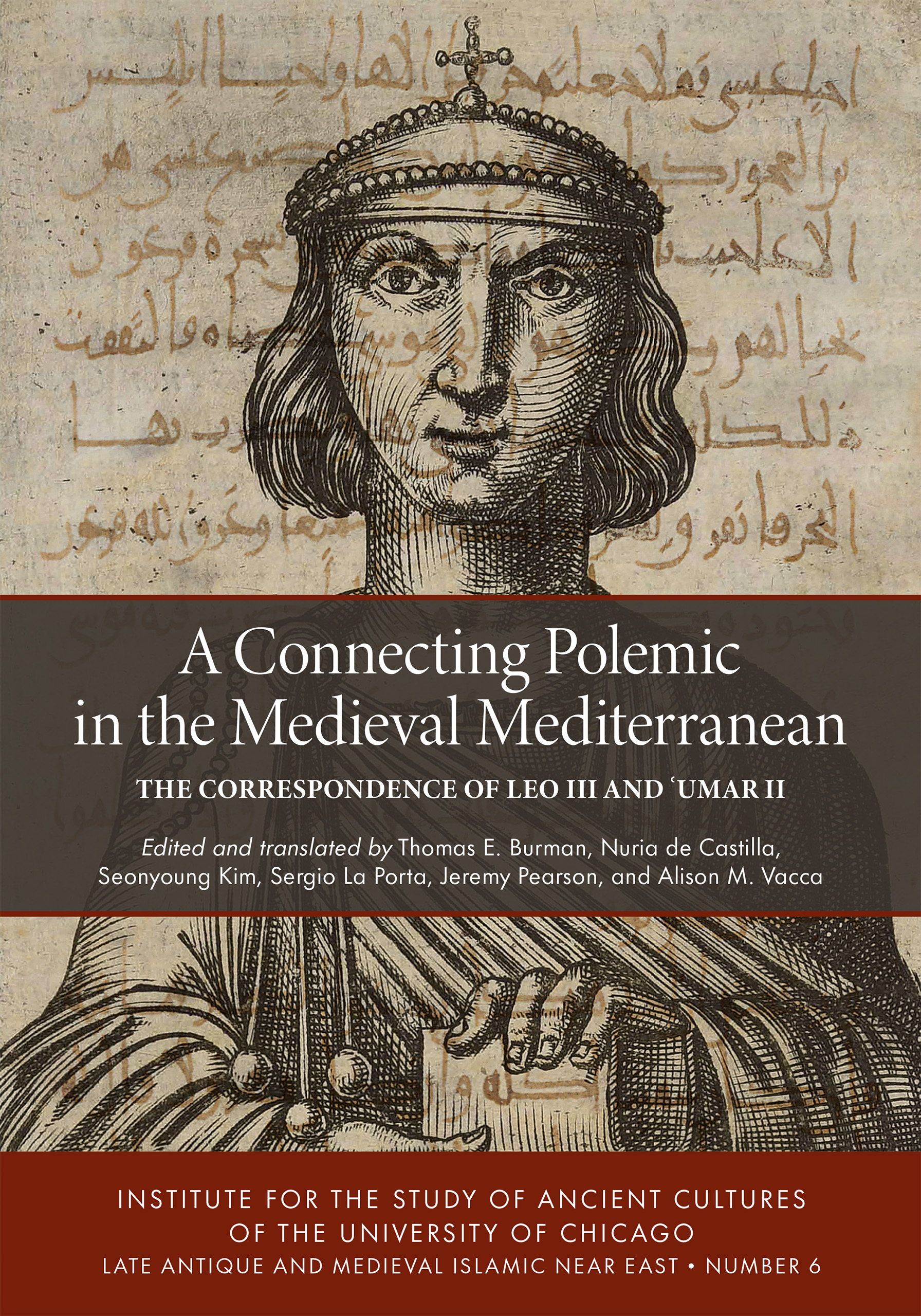 A Connecting Polemic in the Medieval Mediterranean
The Correspondence of Leo III and ʿUmar II
Volume 6


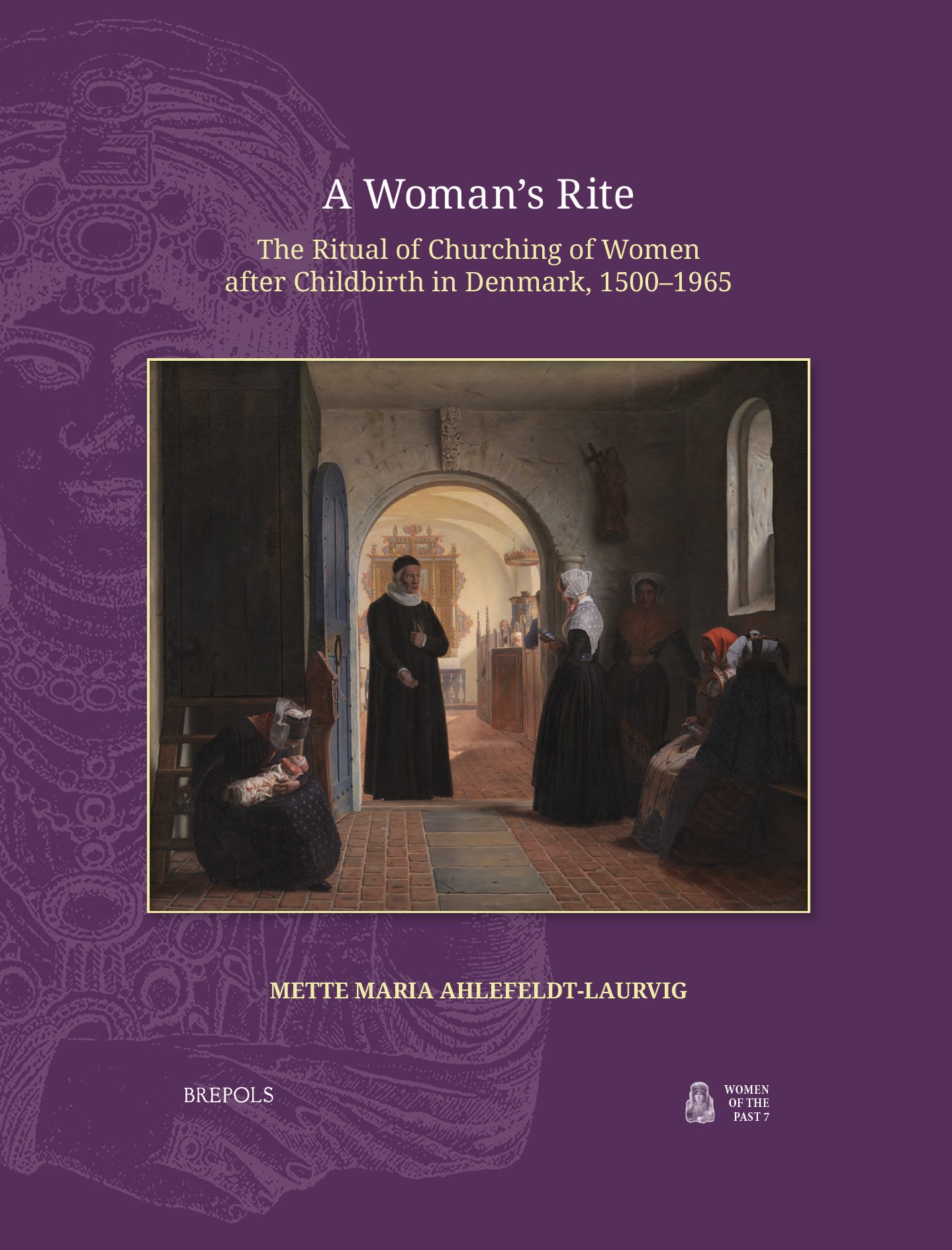


 Ars Prophetica
Theology in the Poetry of Twentieth-Century Hebrew Poets Avraham Halfi, Shin Shalom, Amir Gilboa, and T. Carmi
 As Messianism Turns to Heresy
The Regenstein Chair Lectures On Lurianic Kabbalah and Shabbatai Tzevi at Hebrew Union College - Cincinnati


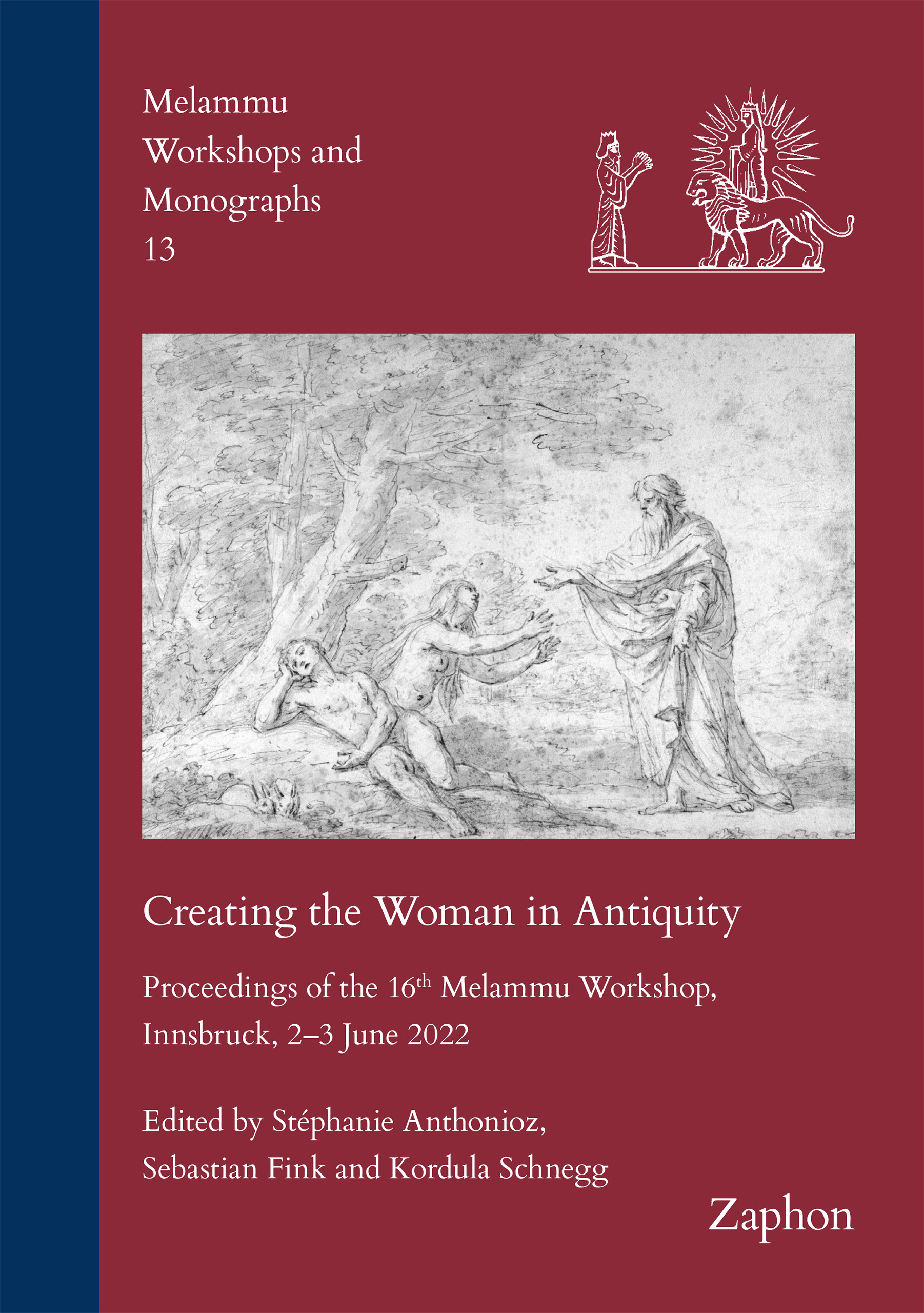 Creating the Woman in Antiquity
Proceedings of the 16th Melammu Workshop, Innsbruck, 2–3 June 2022
Volume 13
 Des mots aux actes
Traduction épistémique et littéraire. Nouvelles tendances en histoire et didactique
Volume 15


 Drunk the Potion, No Whit Charmed
The Doctrine of Pure and Perfect Souls from Iamblichus to Damascius


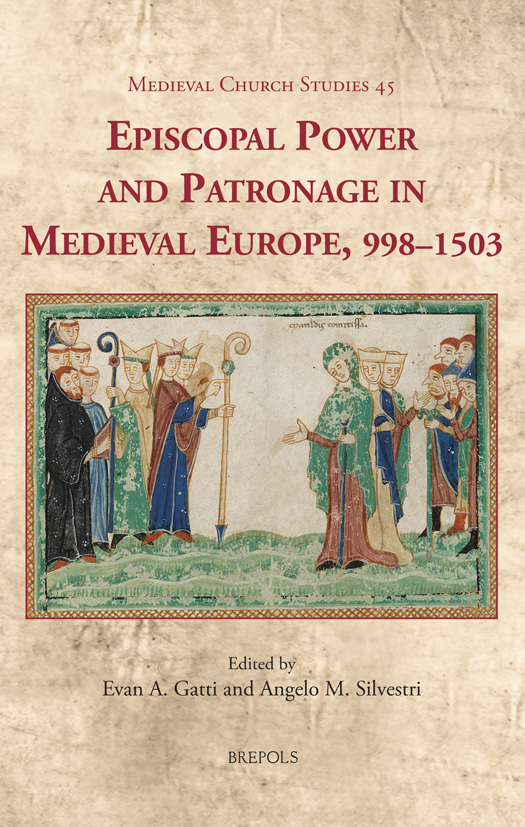

 Extracanonical Traditions and the Holy Land
Texts, Rituals, and Material Culture in Late Antique Palestine
 Fear, Fear of God, God-Fearers
Philological and Historical Perspectives on the World of Ancient Judaism and Christianity


