
Ruby, Sapphire & Spinel
an Archaeological, Textual and Cultural Study
By (author) Derek J Content

Until about two hundred years ago, no gemological distinction was made between ruby and spinel. Red spinel and red ruby are not infrequently found together and though gem cutters and engravers noticed and commented on the difference in hardness, the assumption was that spinel was simply an unripe version of ruby. Additionally, ruby and sapphire are both versions of the mineral corundum, distinguished only by color and minute traces of the metal oxides that caused these different colors. Sapphires may be pink, yellow, and green as well as blue, while rubies come in many shades of red which, inevitably causes confusion as one person’s pale red ruby is another’s pink sapphire–there are no absolutes. Consequently, the nomenclature is confused, both within early texts, and also in later translations of those texts. The ancient authors could only report on the basis of the information available to them at the time, while those writing the later translations were fine textual scholars or epigraphers, but not infrequently poor gemologists, not familiar with the mineralogical distinctions between the gems. It has often been difficult to get an overarching view of the many different factors that all played a part in the spread of precious gems and of the dissemination of knowledge about them. Given the paucity of available information concentrating exclusively on the use of ancient precious gemstones, the author combed the literature for relevant references. A surprising amount of descriptive and factual information was found, mostly scattered throughout early texts. The most interesting passages were selected and wherever possible the original authors’ words were quoted rather than paraphrased. The early translations in the languages used by 17th-19th century scholars are given, names of people, places or objects that otherwise might have remained obscure are explained. Gems travel. They follow wealth and because of their natural immutability, the only way they can be identified by culture is by the way man has affected their appearance, deliberately or accidentally. The dating of gems that are still in original period settings is easier because the dated typology of rings and jewelry settings generally, is more secure than the study of gem shapes, while the study and dating of specific faceting styles of unmounted stones is still in its infancy.
- By (author) Derek J Content
Similar Books
 A Collaborative Tapestry in Honour of Shirley Ann Brown / Une fresque brodée en l’honneur de Shirley Ann Brown
The Bayeux Tapestry Seen by her Colleagues and Friends / La Tapisserie de Bayeux vue par ses collègues et amis





 Archaeological Excavations at Irmis Rka: An Investigation of a Multi-Layered Settlement in Southwest Georgia
Results from the 2020 Season: Early Bronze Age to Medieval Occupations


 Balthasar Caymox of Nuremberg
Early Modern German Print Publishers: Popular Prints of the Seventeenth Century


 Catuvellaunia and Rome: Economic and Political Relations during the Final Decades Pre-conquest
The Role of Grain from Southeastern Britain and Its Potential for Maintenance of the Roman Military along the Frontier on the Rhine
 Colour Concept “Secoli bui” a colori
Codici cromatici e architetture dipinte nell’età tardoantica e medievale


 Crossing Disciplines in the Study of Archaeology and Prehistoric Art: Insights from the Sahara and Mediterranean Africa
Proceedings of the XX UISPP World Congress (5–9 September 2023, Timișoara, Romania) Volume / Session 18
 Crossing Sacred Landscapes
Contacts and Continuities in the Desert Cults and Beliefs of Ancient Northern Arabia and the Arid Southern Levant
 Cuneiform Artefacts from Archaeological Contexts: New Research on Ancient Iraq
Proceedings of a Conference Held at the Bavarian Academy of Sciences and Humanities, July 4–5, 2024
Volume 2


 ENTANGLED AFRICA
Intra-African Relations Between Rain Forest and Mediterranean from Around 4,000 BCE to 1,500 CE



 Exploring Prehistoric Pottery in Japan
A Study of Organic Inclusions, Adhering Materials, and Impressions of Woven Items


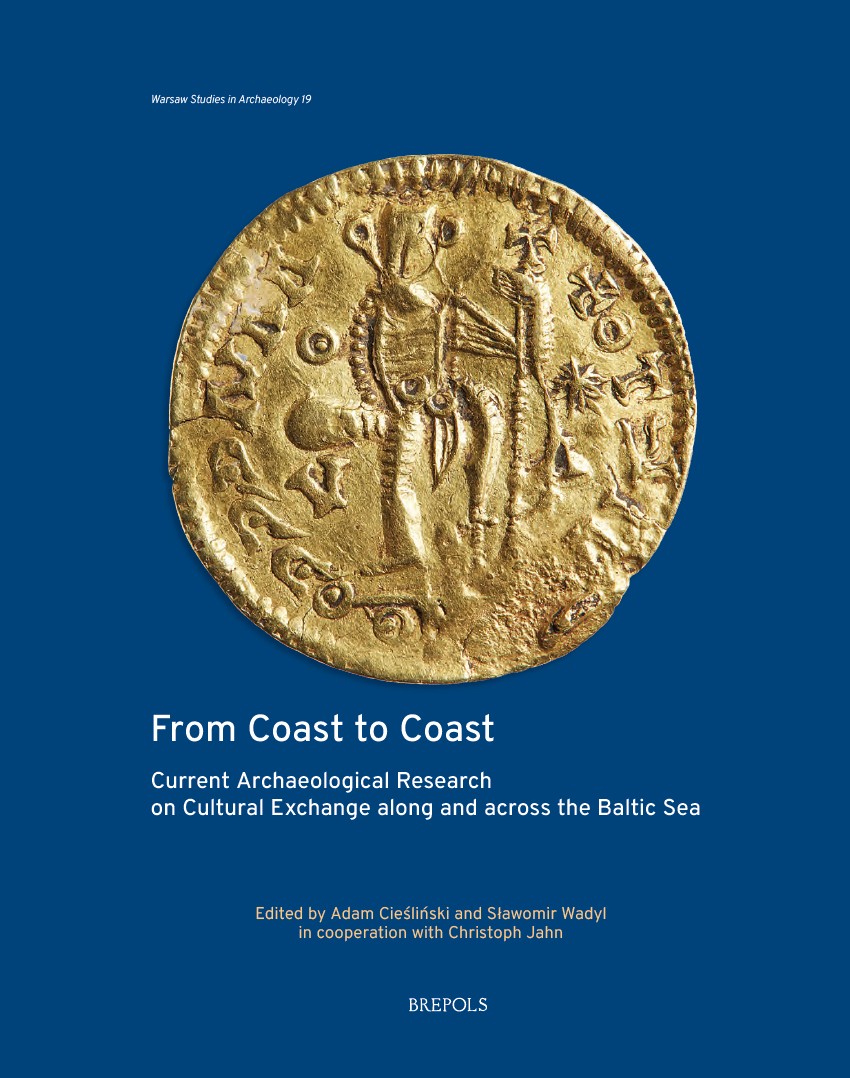 From Coast to Coast
Current Archaeological Research on Cultural Exchange along and across the Baltic Sea
Volume 19
 Frontiers of the Roman Empire: The Frontier of the Roman Province of Raetia
Grenzen des Römischen Reiches: Die Grenze der Römischen Provinz Raetien
 Gold, Silver and Glass: Power Networks, Cultural Identities, Technology Transfers and Agency across the Old World (7th Century BC – 1st Century AD)
Proceedings of a Conference Held at the British Museum, 16–18 June 2023
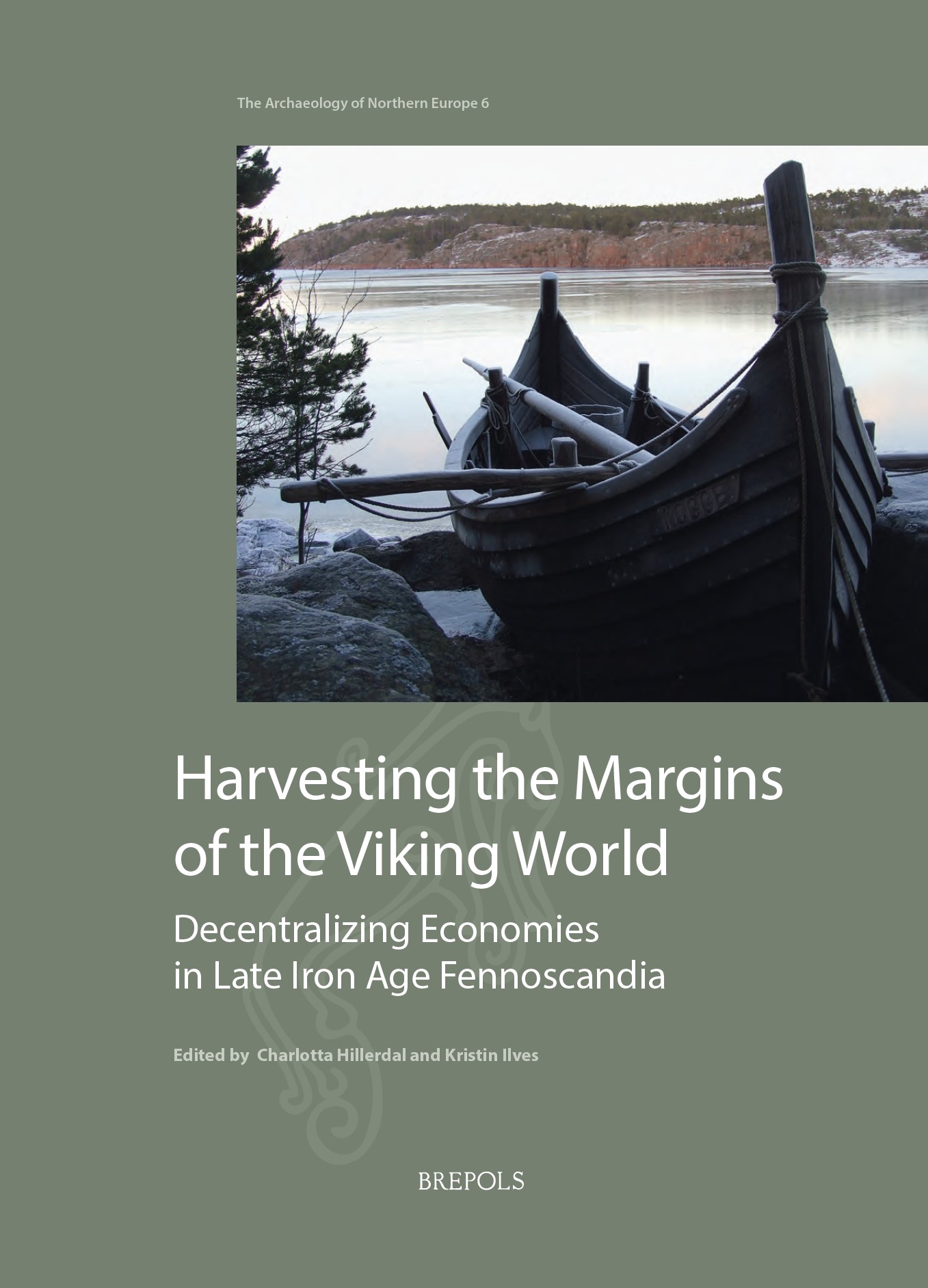 Harvesting the Margins of the Viking World
Decentralizing Economies in Late Iron Age Fennoscandia
Volume 6


 Images of Anonymous Women
A Semiotic Approach to Image-Text Relations in Interpretation of Ancient Near Eastern Art and the Hebrew Bible
Volume 310
