
Proso, Sorghum, Tiger Nut
Some Minor Crops in the Cuneiform Sources
by Aron Dornauer

Hardback (Published)
(September 2018)
ISBN: 9783935012300
6.85 x 9.61 inches
Price: $44.00
In stock
The so called Fertile Crescent was home of some founder crops important in early agriculture: einkorn, emmer, barley, flax, chick pea, pea, lentil, and bitter vetch. However, research on the proportions and ubiquity of cultivated, measured, delivered, processed and consumed food crops shows a dramatic dominance of the cultivation of barley. Thus, one could assume that there was no significant interspecific but only intraspecific crop diversity and that Mesopotamian agriculture was a kind of a barley monoculture. In contrast, the plenty of cuneiform terms for cereal-like and legume-like plants might indicate some kind of biodiversity. Indeed, some cuneiform scientists specializing in crop plants and vegetables consider that some of the Sumerian še compounds, as well as their Akkadian equivalents, might be identified with millets, with some kinds of pulses such as bitter vetch and cowpea, or with some kind of tuber plants. Against this background, this study undertakes research on some Sumero-Akkadian taxa: In the first part of this study I evaluate some terms which several specialists propose to be millet or sorghum varieties: še’eštub (še-eštub) = arsuppu, šemuš (še-muš(3/5)) = šeguššu, šezahgebar (še-ne-ge-bar), šegunu (še-gu-nu, še-gunu3) = šegunu, še-ka, še-ka sig-ga = arsikku, še-ud-e-de3 = duhnu. In this context, the question that has to be asked is if it is possible that millets were cultivated in Babylonia as early as the late third millennium BC. To address this issue, the contribution of the Bronze Age Gulf trade in exchange for domesticated crops, including African and Asian millets, will be examined. Finally, the study discusses why, despite their excellent heat and drought tolerances, none of the millet species in arid Babylonia could displace the winter sown main crops. The second part addresses the question of whether the recently proposed identification of the Akkadian crop (se/u’qayyātu with Cyperus esculentus, a plant that has been demonstrated to have been present in ancient Egypt but not in Mesopotamia, is supported by the cuneiform evidence. I undertake some more detailed ecotrophological research on the use of qayyātu as an intermediate in the production of beer and foodstuff. In this context, I also study some other semi-baked and fermented intermediates.
- By (author) Aron Dornauer
Other Titles in this Series
 Methoden zur Restaurierung von ungebrannten und gebrannten Keilschrifttafeln
Gestern und Heute.
Volume 22
 Sprachwissenschaftliche und kulturhistorische Reflexionen
Festschrift zu Ehren von Jörg Klinger
Volume 31


 Entre les fleuves–I
Untersuchungen zur historischen Geographie Obermesopotamiens im 2. Jahrtausend v. Chr.
Volume 20
 Normes et pratiques–L’homme, la mesure et l’ecriture en Mesopotamie
I. Les mesures de capacite et de poids en Syrie Ancienne, d'Ebla a Emar.
Volume 21
Similar Books


 Connecting the Dots: Counting, Writing, and the Beginnings of Civilization
The Secret Lives of Clay Tokens: A Memoir

 Exploring Gender Dynamics across the Ancient Near East
Collected Essays of Gender and Methodology in the Ancient Near East (GeMANE) 4 and 5
Volume 7


 Ḫattušaš utnē išḫameški
Hittite and Other Ancient Near Eastern Studies Presented to Piotr Taracha on the Occasion of His 65th Birthday

 New Research on Old Collections in Southwest Asian Archaeology
Proceedings of the Workshop Held at the British Museum, London, 31 July – 2 August, 2023
 Old Aramaic Inscriptions and their Contexts
An Epigraphic, Archaeological, and Historical Synthesis
Volume 63

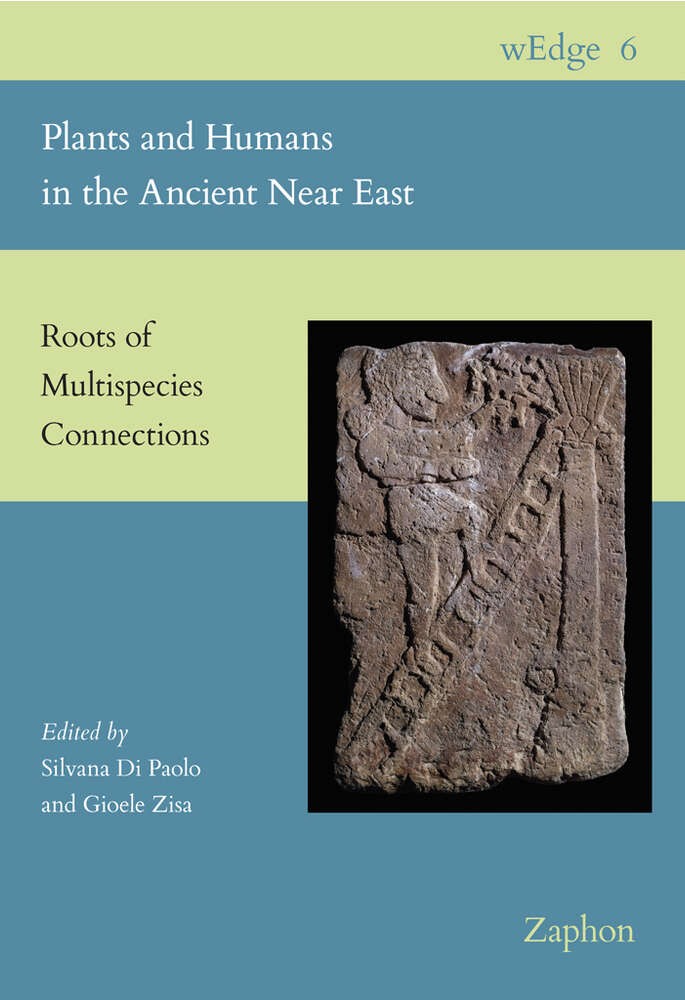
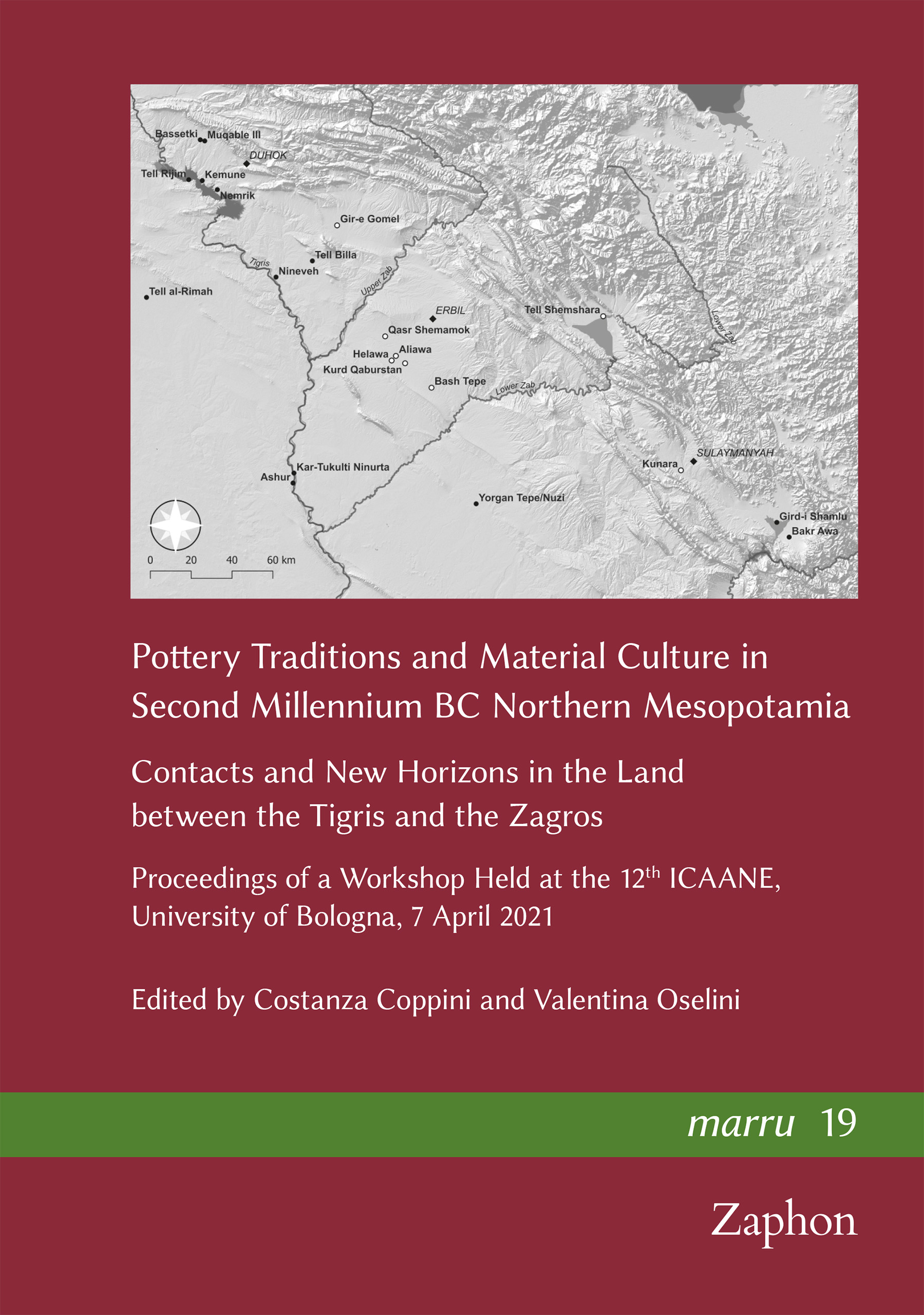 Pottery Traditions and Material Culture in Second Millennium BC Northern Mesopotamia
Contacts and New Horizons in the Land between the Tigris and the Zagros. Proceedings of a Workshop Held at the 12th ICAANE, University of Bologna, 7 April 2021
Volume 19
 Punning in Odd or Elegant Constructions in Jeremiah
The Convergence of Linguistics, Rhetoric, and Textuality in the Hebrew Text of Jeremiah
 Shame in the Worlds of the Hebrew Bible and Akkadian Texts
A Linguistic Study and Its Implications
Volume 33
 Telling Contexts
Archaeological and Textual Studies in Honor of Elizabeth Bloch-Smith and Mark S. Smith
 The Body
Lived, Cultured, Adorned: Essays on Dress and the Body in the Bible and Ancient Near East in Honor of Nili S. Fox
 The Discourse of Rites
Shaping and Reshaping the (Counter-)Priestly Rituals Conducted Outside the Tabernacle
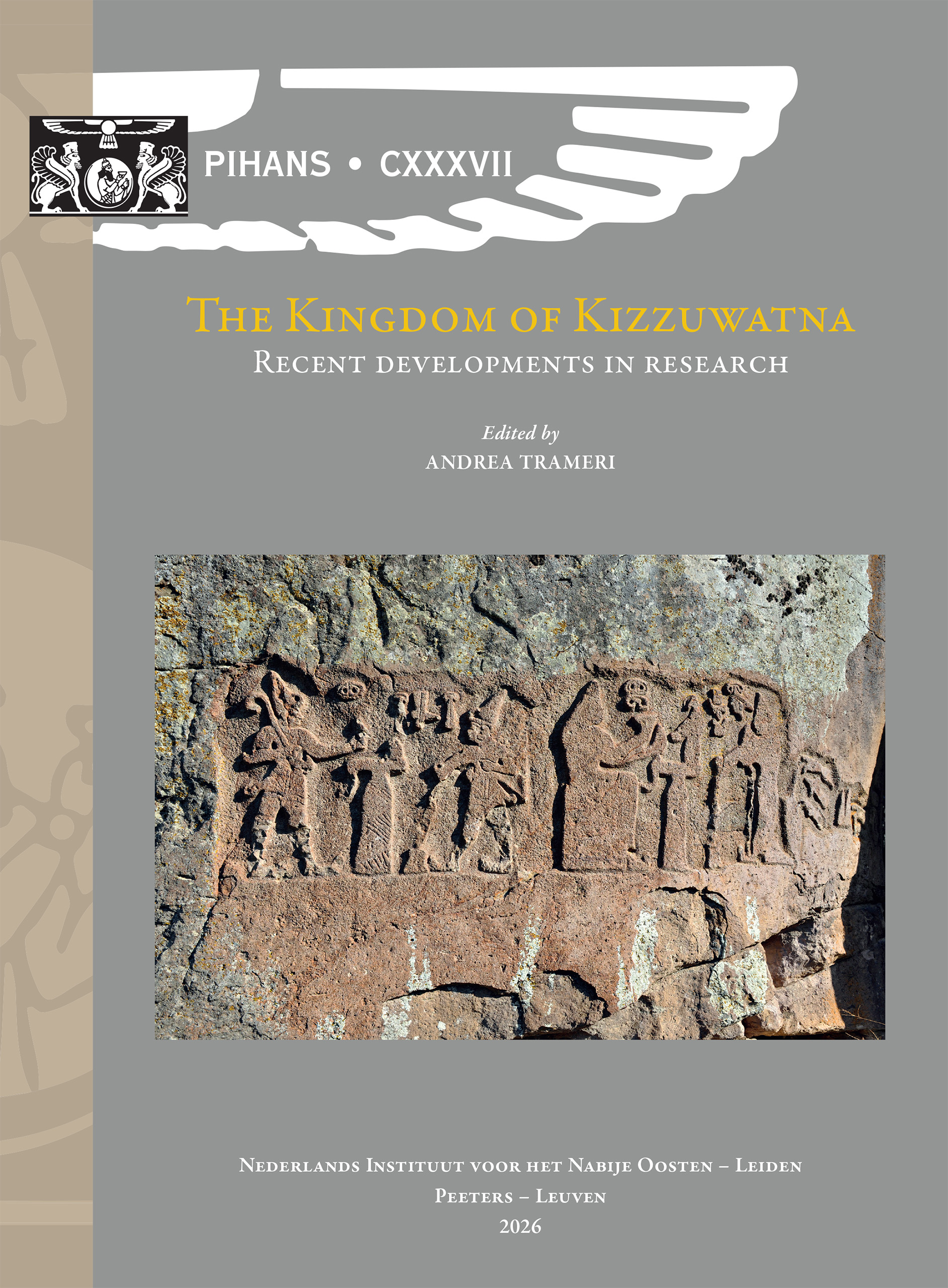 The Kingdom of Kizzuwatna: Recent Developments in Research
Proceedings of the Third NINO Postdoctoral Research Fellow Annual Conference, Leiden, 23rd-25th March 2023
Volume 137


 Die Entwicklung erdbebensicherer Bautechniken in der Frühen und Mittleren Eisenzeit in Ostanatolien
Volume 11
 Die JHWH-Religion und die Vorstellung göttlicher Gesetzgebung
Überschneidungen zwischen der Rechtsentwicklung und der Sphäre der Religion in der Geschichte des antiken Israel und Juda

 Kultur – Kontakt – Kultur
Beiträge anlässlich der 66. Rencontre Assyriologique Internationale in Frankfurt/Main und Mainz, 25.–29. Juli 2022
Volume 35
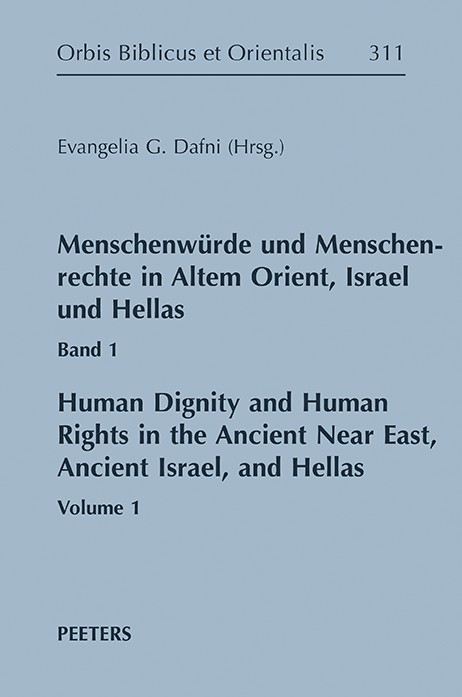 Menschenwürde und Menschenrechte im Altem Orient, Israel und Hellas. Band 1
Human Dignity and Human Rights in the Ancient Near East, Ancient Israel, and Hellas. Volume 1
Volume 311
 Ptolemaiou Procheiroi Kanones. Les «Tables Faciles» de Ptolemée. Volume 2a: Tables A3-A13
Édition critique, Transcription
Sprachwissenschaftliche und kulturhistorische Reflexionen
Festschrift zu Ehren von Jörg Klinger
Volume 31

 Vom Mädchen zur Frau
Weihgaben als Indikatoren rituellen und kommunikativen Handelns von Frauen in griechischen Kulten
Volume 188
 Von der Symmachie zur Arché und zurück
Die Entwicklungsphasen des Ersten Attischen Seebundes (478/7–404 v. Chr.)
