
Encoding Metalinguistic Awareness
Ancient Mesopotamia and Beyond
edited by E. Cancik-Kirschbaum and J. C. Johnson

The Ancient Near East provides a particularly striking example for the dynamics of knowledge transfer throughout space and time. The civilizations that emerged here, at the dawn of history, attest to continuous processes of exchange, adaption, and negotiation, to the emergence of content and its reconfiguration, to diffusion, disappearance and resurgence of themes, concepts, topics and ideas. In the late fourth millennium the creation and implementation of supraregional notational systems in southern Mesopotamia triggers a cognitive revolution: within a few centuries the use of writing becomes a dominant cultural technique and over the subsequent millennia the technique of wedge-writing spreads throughout southwest Asia. Numerous indigenous cuneiform subcultures came into being in a wide variety of times and places, but these distinct instantiations were held together (and preserved the possibility of common legibility) through shared practices of teaching and learning, a common core of textual materials and, not least, a systematic instrumentarium for representing speech and notation. This repertoire is part of each of these streams of tradition, which characterise the cuneiform cultures as a whole. In light of the centuries of tradition, the great effort that has gone into its construction and maintenance as well as the preservation of original linguistic materials and their translation into more familiar languages, the validity of this scientific tradition, broadly conceived, cannot be disputed. Still, even if the historical processes of transmission within the cuneiform world and the difficulties of translating cuneiform sources into non-cuneiform traditions prevented a general and far-reaching mobilisation of the cuneiform sources as vehicles for scientific reflection, these same factors also ensured its continued survival in Mesopotamia and Syria for not centuries, but rather millennia. One of the most important components of this process was the awareness of practitioners about language, its role for and its impact on the generation of knowledge, and specifically about linguistic patterns. Among the literally innumerable textual artefacts from the ancient Near East, there are some that both explicitly and implicitly encode traces of this distinctively linguistic awareness. It was in pursuit of these traces of (meta)linguistic awareness that the participants in this volume came together.
- Edited by E. Cancik-Kirschbaum
- Edited by J. C. Johnson
Other Titles in this Series
 Entre les fleuves–I
Untersuchungen zur historischen Geographie Obermesopotamiens im 2. Jahrtausend v. Chr.
Volume 20
 Normes et pratiques–L’homme, la mesure et l’ecriture en Mesopotamie
I. Les mesures de capacite et de poids en Syrie Ancienne, d'Ebla a Emar.
Volume 21
 Methoden zur Restaurierung von ungebrannten und gebrannten Keilschrifttafeln
Gestern und Heute.
Volume 22
 Sprachwissenschaftliche und kulturhistorische Reflexionen
Festschrift zu Ehren von Jörg Klinger
Volume 31


Similar Books


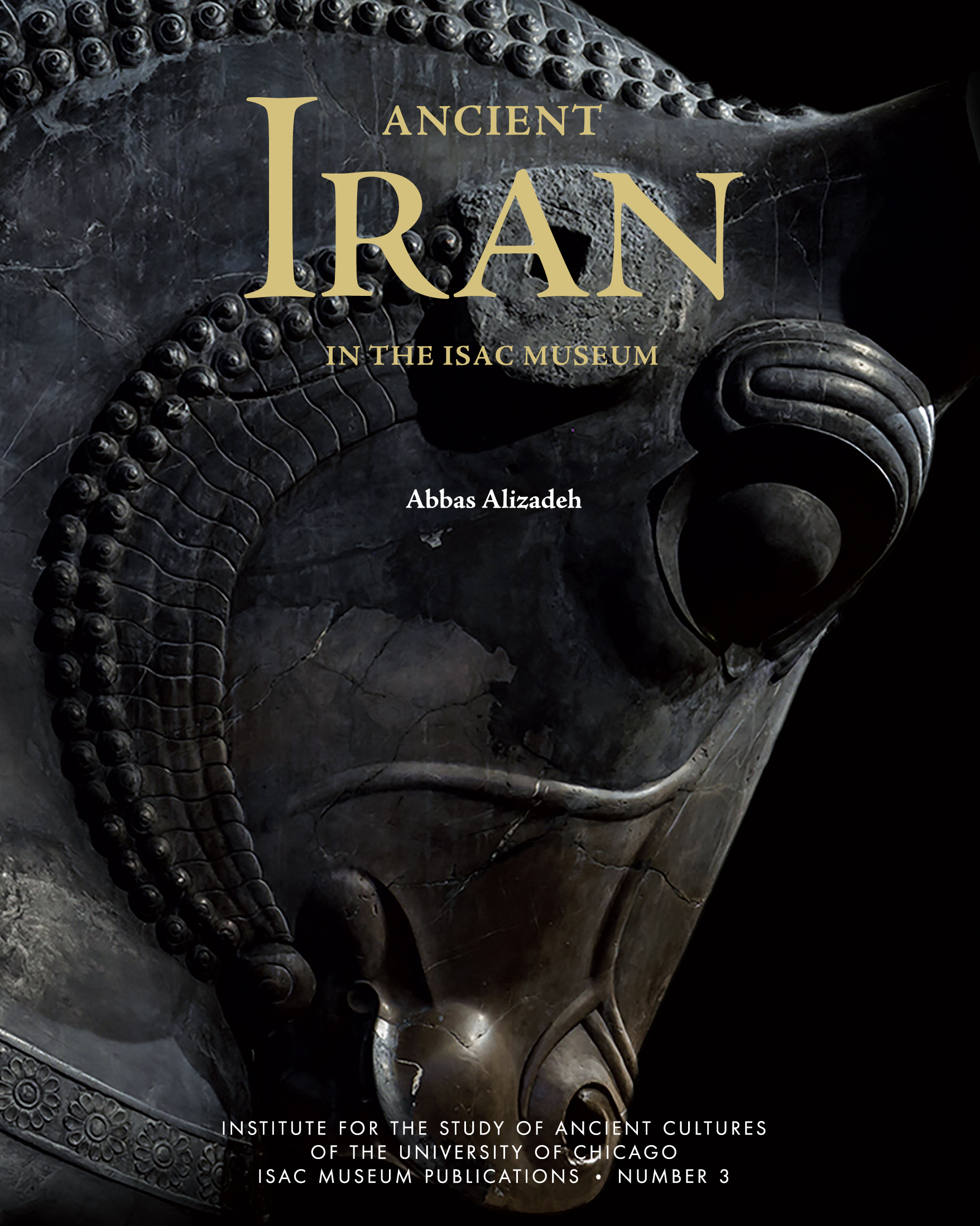
 Connecting the Dots: Counting, Writing, and the Beginnings of Civilization
The Secret Lives of Clay Tokens: A Memoir
 Des mots aux actes
Traduction épistémique et littéraire. Nouvelles tendances en histoire et didactique
Volume 15


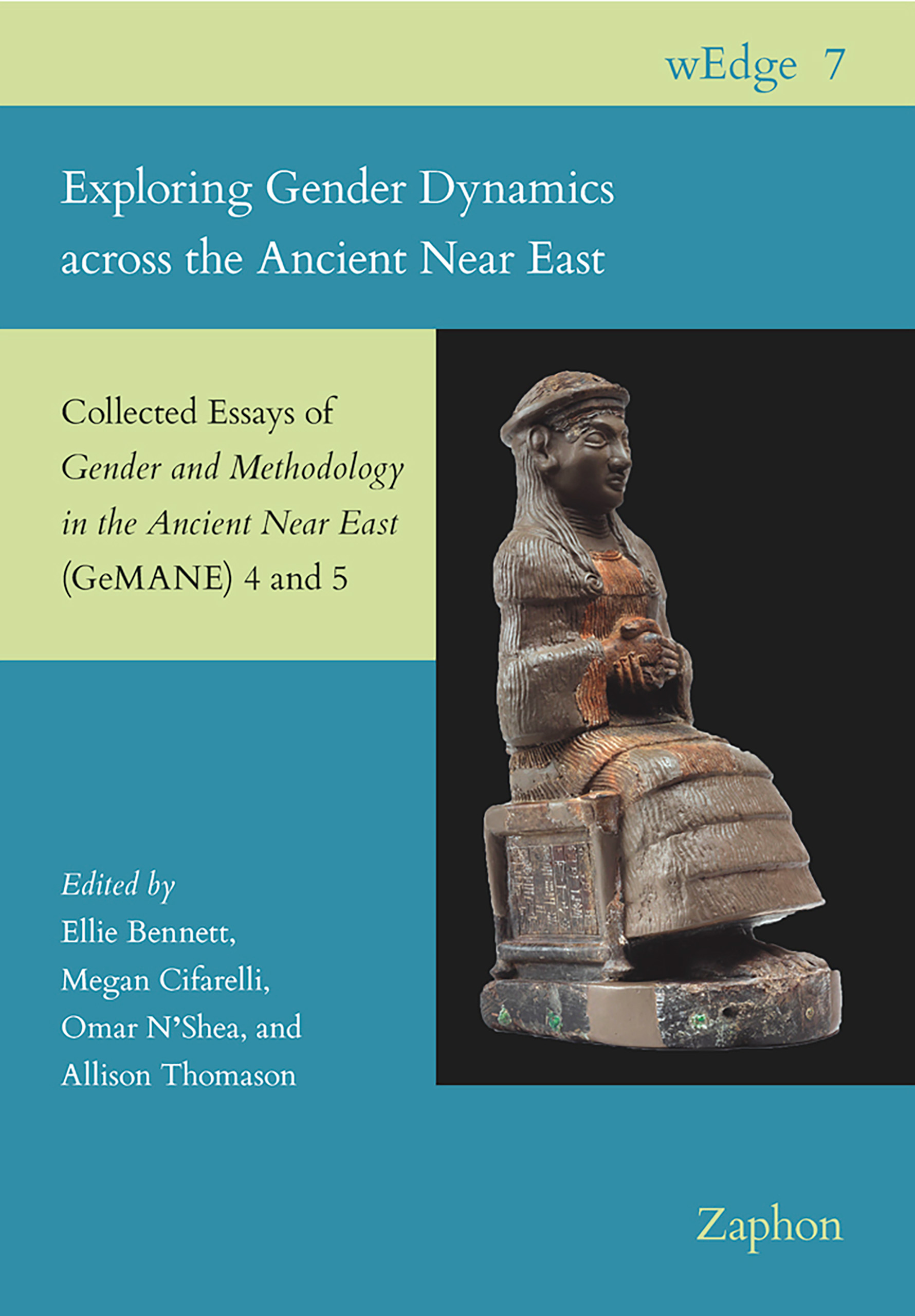 Exploring Gender Dynamics across the Ancient Near East
Collected Essays of Gender and Methodology in the Ancient Near East (GeMANE) 4 and 5
Volume 7


 Ḫattušaš utnē išḫameški
Hittite and Other Ancient Near Eastern Studies Presented to Piotr Taracha on the Occasion of His 65th Birthday




 New Research on Old Collections in Southwest Asian Archaeology
Proceedings of the Workshop Held at the British Museum, London, 31 July – 2 August, 2023
 Old Aramaic Inscriptions and their Contexts
An Epigraphic, Archaeological, and Historical Synthesis
Volume 63


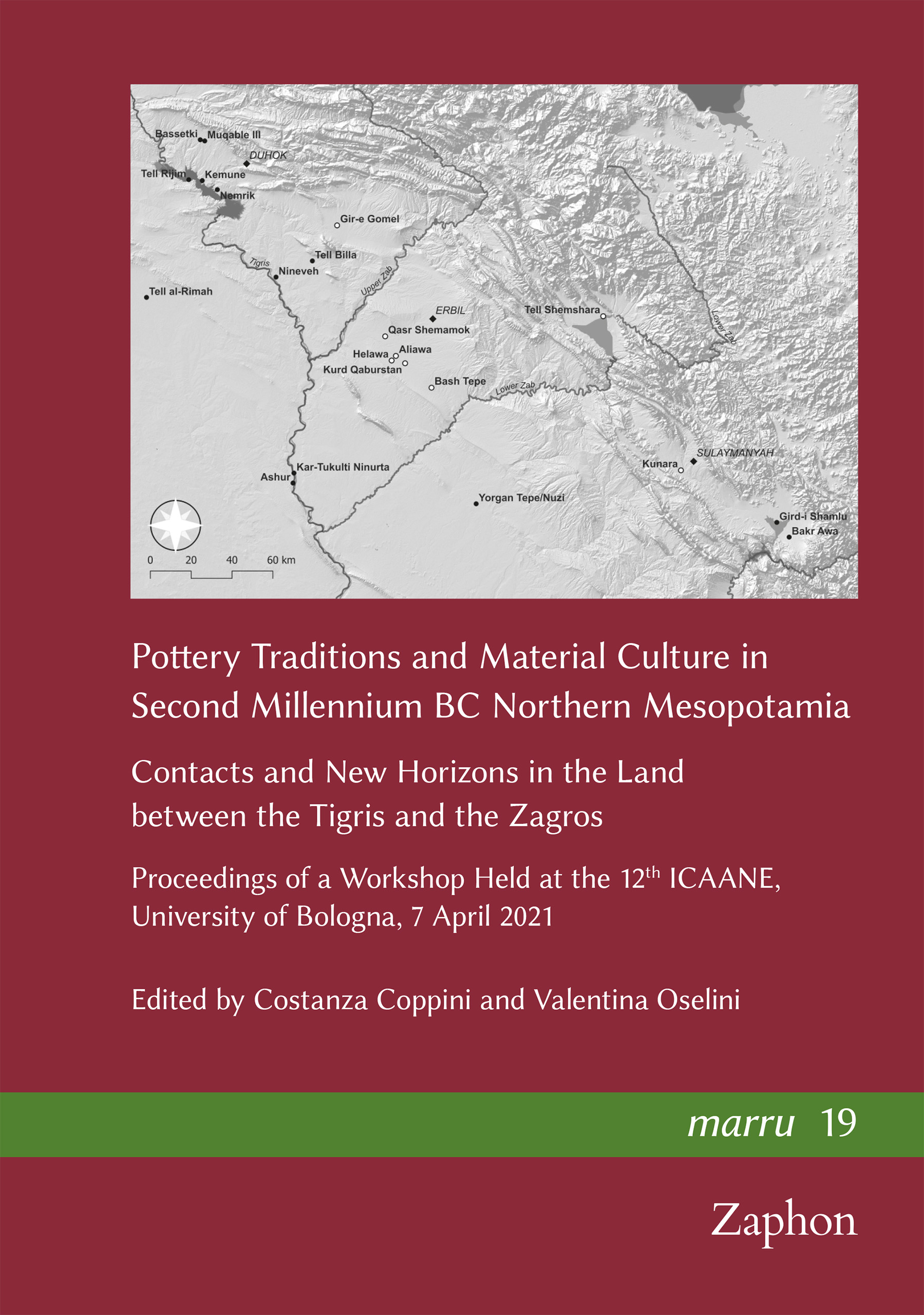 Pottery Traditions and Material Culture in Second Millennium BC Northern Mesopotamia
Contacts and New Horizons in the Land between the Tigris and the Zagros. Proceedings of a Workshop Held at the 12th ICAANE, University of Bologna, 7 April 2021
Volume 19
 Punning in Odd or Elegant Constructions in Jeremiah
The Convergence of Linguistics, Rhetoric, and Textuality in the Hebrew Text of Jeremiah
 Shame in the Worlds of the Hebrew Bible and Akkadian Texts
A Linguistic Study and Its Implications
Volume 33


 Telling Contexts
Archaeological and Textual Studies in Honor of Elizabeth Bloch-Smith and Mark S. Smith
 The Body
Lived, Cultured, Adorned: Essays on Dress and the Body in the Bible and Ancient Near East in Honor of Nili S. Fox
 The Discourse of Rites
Shaping and Reshaping the (Counter-)Priestly Rituals Conducted Outside the Tabernacle
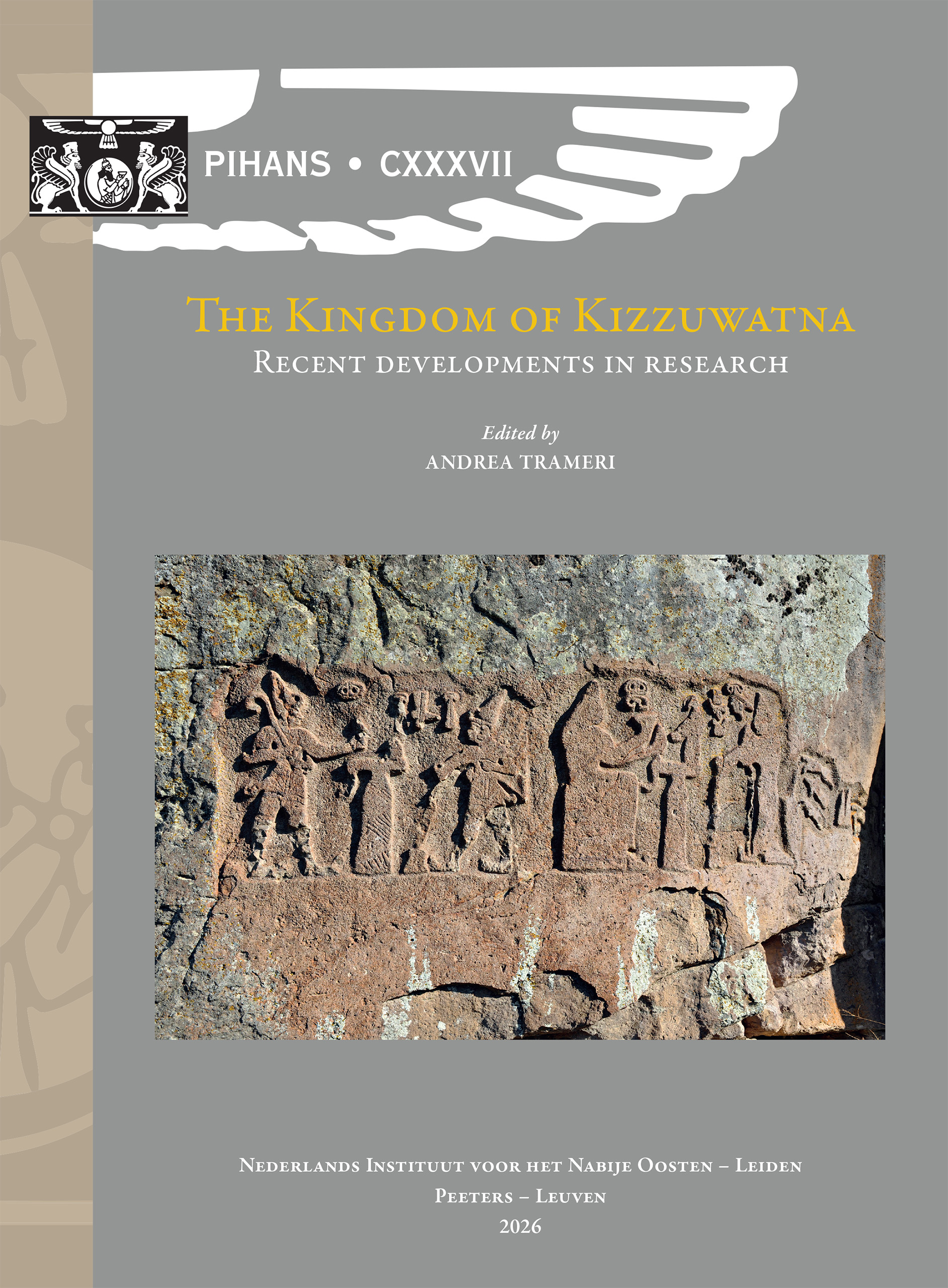 The Kingdom of Kizzuwatna: Recent Developments in Research
Proceedings of the Third NINO Postdoctoral Research Fellow Annual Conference, Leiden, 23rd-25th March 2023
Volume 137
