
Paul’s Line of Thought in 2 Corinthians 4
16-5:10
by Fredrik Lindgard

Fredrik Lindgard analyzes verses 4:16-5:10 in 2 Corinthians, verses which have often been used to argue that Paul’s eschatology developed over time or to ascertain whether or not Paul is an anthropological dualist. Paul’s concern is how the Corinthians see him. His aim is to show them that he is frank and open to them and that his attitude to adversities confirms that he is a real apostle. He reveals his thoughts and emotions when facing suffering. The author shows that the section and its context do not support the view that Paul changed or developed his eschatology. Instead, the text displays the unsystematic character of Paul’s eschatology. Concepts which Paul normally uses separately occur side by side without elaboration. Although Paul uses both dualistic and holistic language, the dominating feature is dualism. The analysis shows that a wide rhetorical approach can be useful when trying to understand Paul.
Fredrik Lindgard, Born 1964; 1990 Master of Theology; 2006 Doctor of Theology; Pastor in the Lutheran Church of Finland.
- By (author) Fredrik Lindgard
Other Titles in this Series

 John among the Other Gospels
The Reception of the Fourth Gospel in the Extra-Canonical Gospels
Volume 347


 Jesus as the Eschatological Davidic Shepherd
Studies in the Old Testament, Second Temple Judaism, and in the Gospel of Matthew
Volume 216
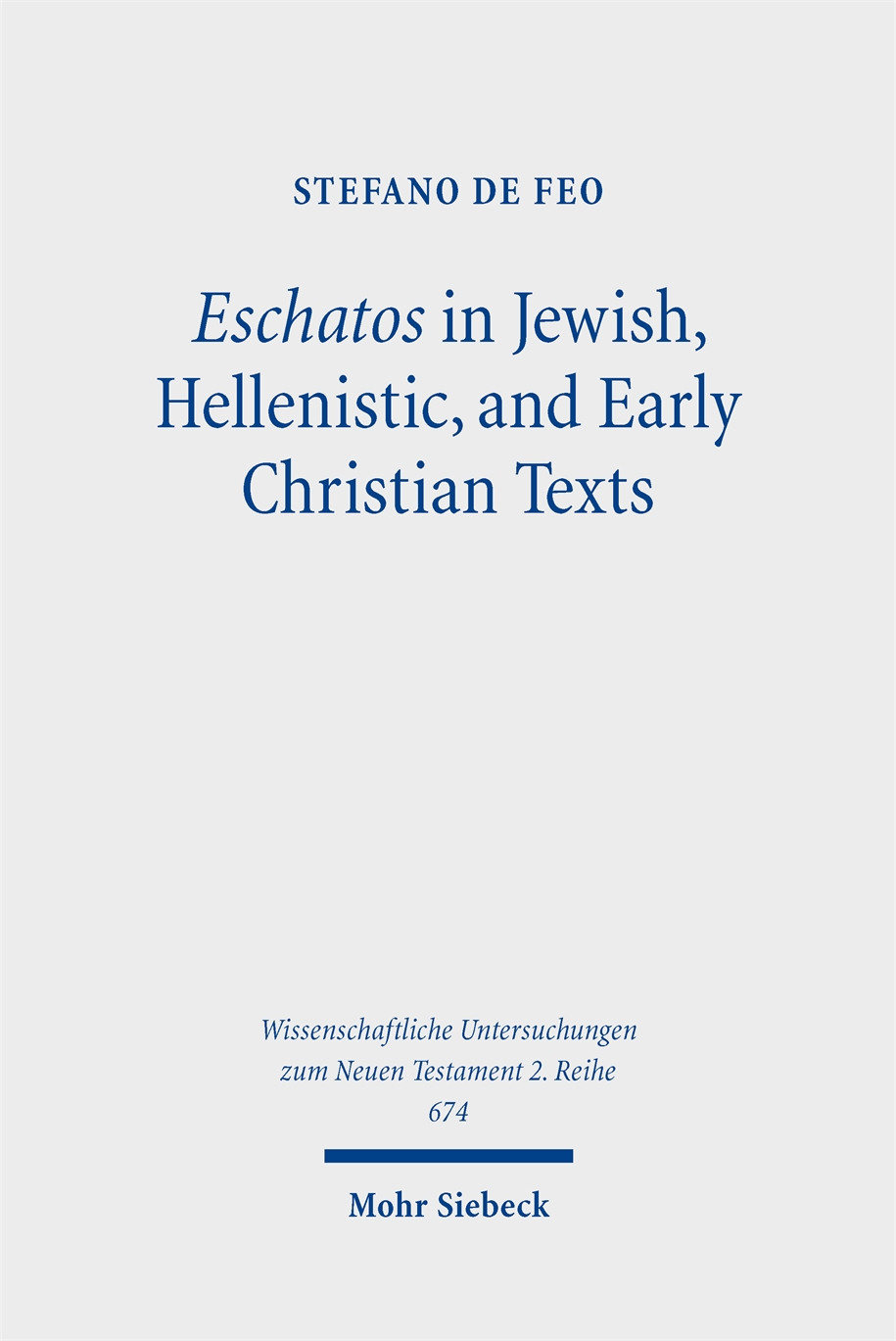 Eschatos in Jewish, Hellenistic, and Early Christian Texts
A Diachronic Analysis (3rd cent. BCE – 1st cent. CE)
 Der verborgene Vater im Matthausevangelium
Ein Beitrag zum Gottesbild und zur Gebetstheologie von Mt 6,1-6.16-18
Volume 617
 Intercession of Jesus in Hebrews
The Background and Nature of Jesus' Heavenly Intercession in the Epistle to the Hebrews
Volume 585


 Participation, Justification, and Conversion
Eastern Orthodox Interpretation of Paul and the Debate between Old and New Perspectives on Paul
Volume 442
 Temporal Dimensions of the Apocalypse
Ancient Christian Reception and Contemporary Hermeneutical Reflections

 Renaming Abraham’s Children
Election, Ethnicity, and the Interpretation of Scripture in Romans 9
Volume 421


 Die heiligen Propheten, eure Apostel und ich
Metatextuelle Studien zum zweiten Petrusbrief
Volume 300
 Animals in the Apocryphal Acts of the Apostles
The Wild Kingdom of Early Christian Literature
Volume 247
 From Messiah to Preexistent Son
Jesus' Self-Consciousness and Early Christian Exegesis of Messianic Psalms
Volume 192
 The Colossian Hymn in Context
An Exegesis in Light of Jewish and Greco-Roman Hymnic and Epistolary Conventions
Volume 228
 Forgiveness as a Hermeneutical Key to the Gospel of Matthew
An Exegetical Investigation of the ?f??µ? Logia in the Matthean Gospel


 The Strength Needed to Enter the Kingdom of God
An Exegetical and Theological Study of Luke 16:16 in Context
Volume 485


Similar Books


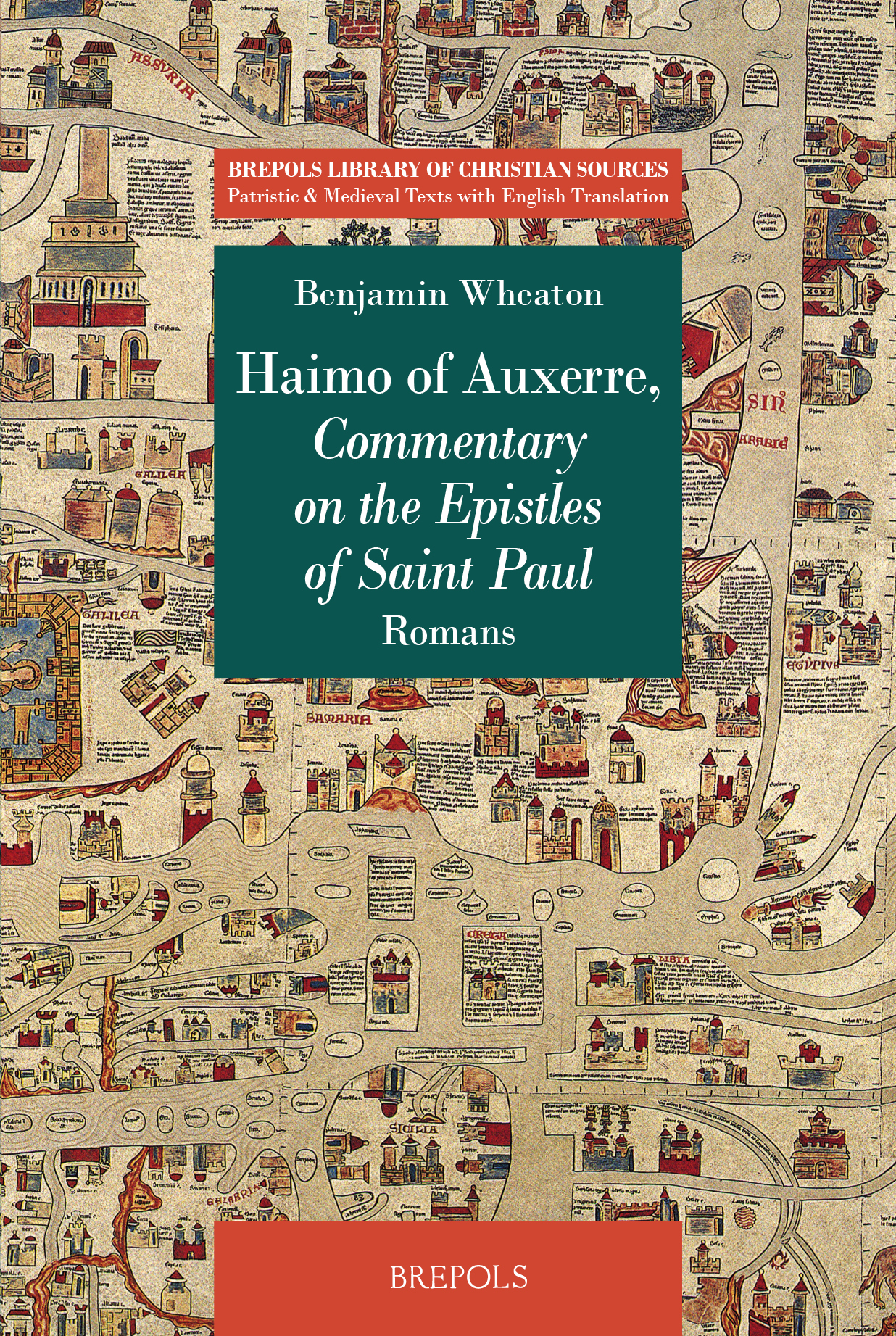


 Cyril of Alexandria’s Christological Exegesis
Explorations of Partitive Exegesis in the Dialogues on the Trinity
Volume 70
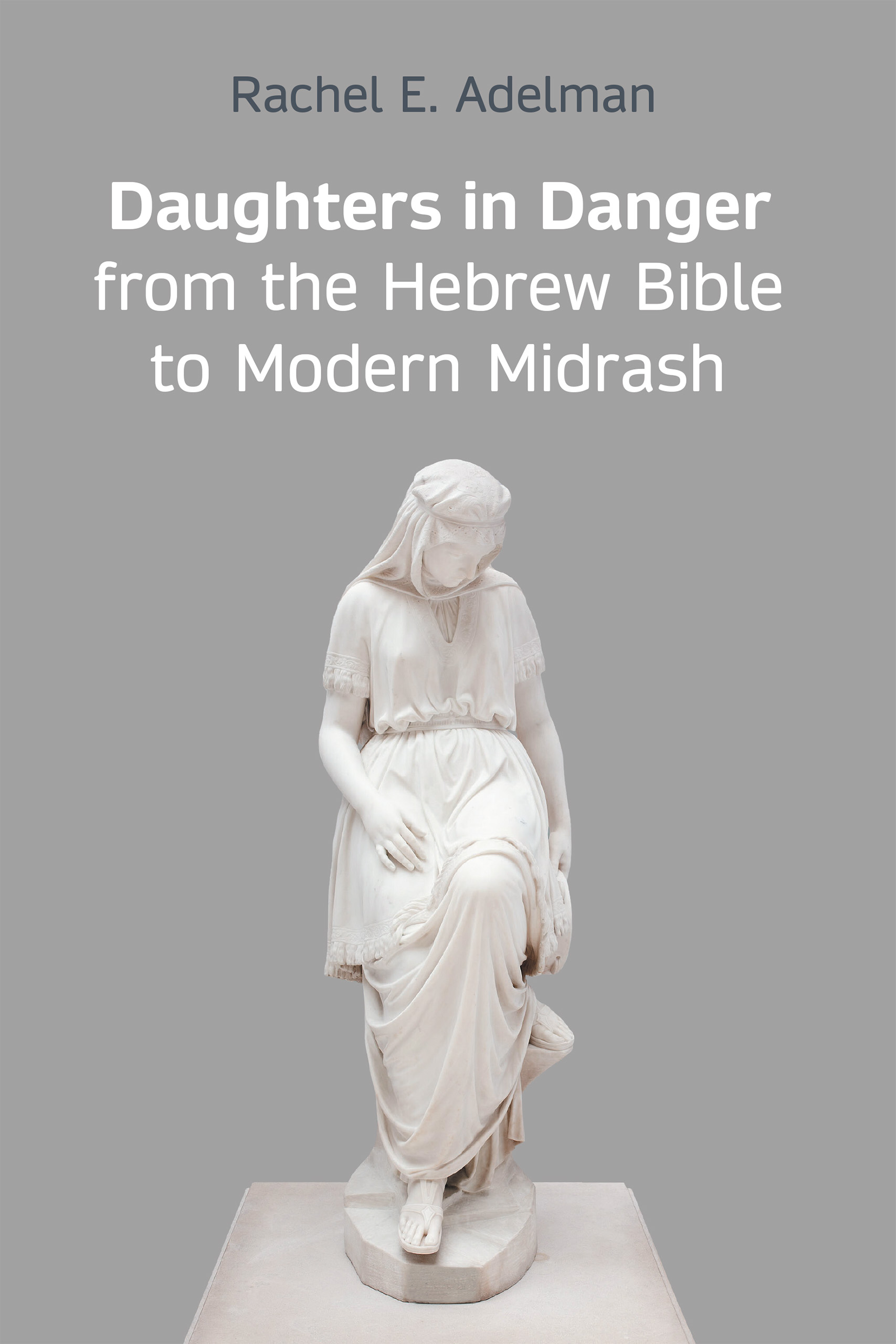


 Extracanonical Traditions and the Holy Land
Texts, Rituals, and Material Culture in Late Antique Palestine
 From Joseph to Jesus
The Joseph Narrative as a Compositional Template from Old Greek Esther to the Gospel of Luke
Volume 125


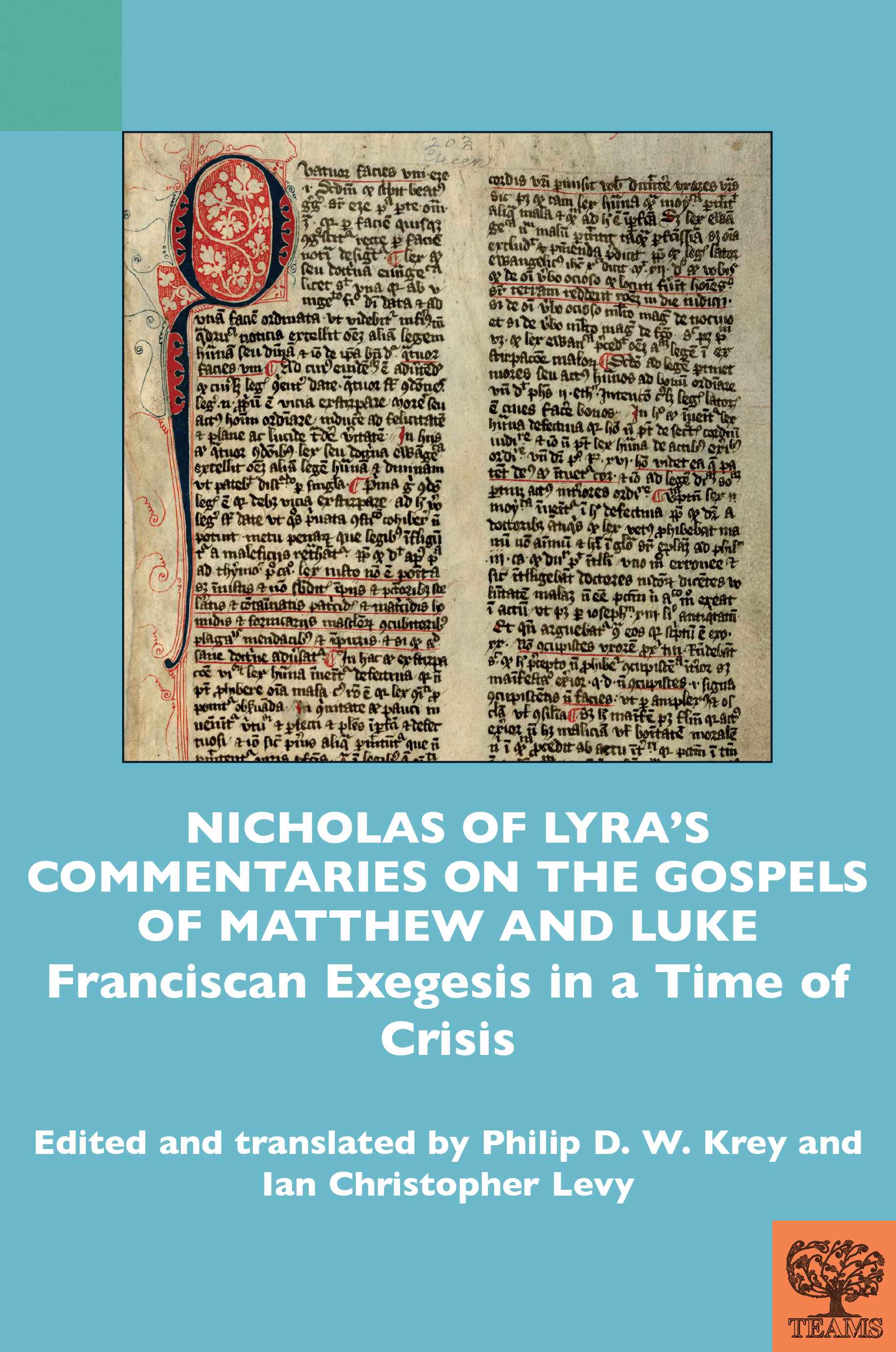 Nicholas of Lyra’s Commentaries on the Gospels of Matthew and Luke
Franciscan Exegesis in a Time of Crisis

 Punning in Odd or Elegant Constructions in Jeremiah
The Convergence of Linguistics, Rhetoric, and Textuality in the Hebrew Text of Jeremiah


 Reformed Covenantal Eudaimonism
Wilhelmus à Brakel (1635–1711) on Highest Good, Virtue, and Law
Volume 87


 The Biblical Tale of Judah and Tamar in Fourteenth-Century Iran
A Judeo-Persian Versified Account by Shāhīn with Scholarly Edition, Annotated Translation and Persian Transliteration
Volume 94, 951
 The Body
Lived, Cultured, Adorned: Essays on Dress and the Body in the Bible and Ancient Near East in Honor of Nili S. Fox






 The Therapeutae as the Best Paradigm for the Contemplative Life
A Contextual Reading of Philo of Alexandria's De Vita Contemplativa
