
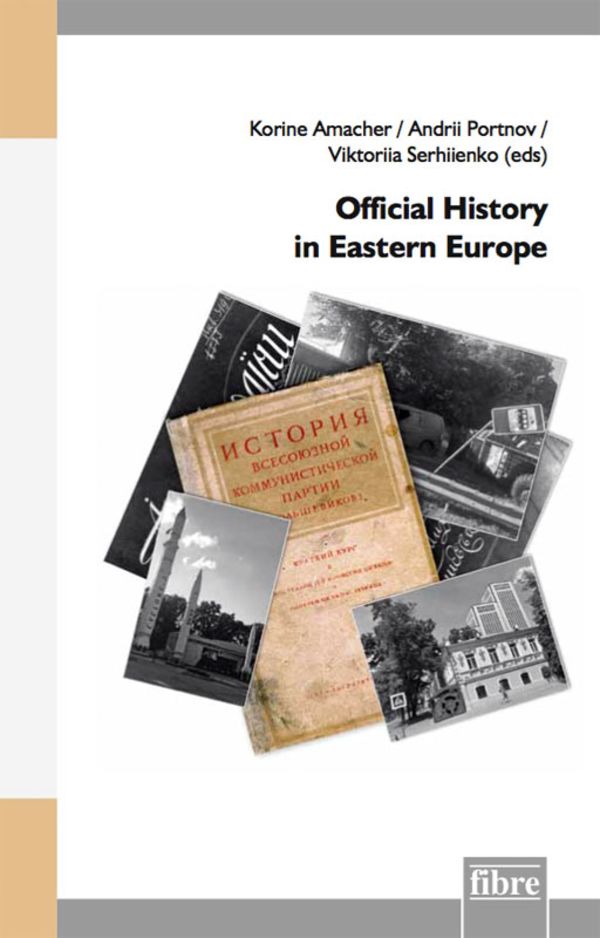
Official History in Eastern Europe
Edited by Korine Amacher Edited by Andrii Portnov Edited by Viktoriia Serhiienko
Hardback (Published)
(January 2021)
ISBN: 9783944870717
5.94 x 9.09 inches
Price: $116.00
In stock
»Official history« is generally understood as state-sponsored and ideologically inclined construction of the past which serves certain political aims of mostly non-democratic regimes. The optimistic believes that it will end up with the collapse of the Soviet Union proved to be rather naive. As Pierre Nora argued, over the last thirty years we have experienced a »general politicization of history« – the process of transforming what historians produce into an ideology.
How are the intellectual choices made by historians today influenced by the long twentieth-century experiences of Eastern Europe? What could »official history« mean for a stateless nation or a self-proclaimed »republic«? How did Ukrainian historiography become or how was it forced to become Soviet? What spaces for individual research initiatives or even for modest disagreement with obligatory planned research existed in the official history institutions of Soviet Ukraine and socialist Poland? How were Russian textbooks on history re-written during the post-Soviet years? What role do literature, film, monuments, holidays or rituals play in the politics of history? How have memories of the Second World War been instrumentalised in the ongoing Russian-Ukrainian conflict and how have images of the ongoing war in the Donbas influenced memory debates in neighbouring post-Soviet states?
All those questions are reflected in the interdisciplinary contributions to the volume by scholars from Austria, France, Germany, Great Britain, Lithuania, Poland, Switzerland and Ukraine. The majority of research papers were developed within the research project Divided Memories, Shared Memories. Ukraine/Russia/Poland (20th–21st centuries): An Entangled History (supported by the Swiss National Science Foundation) at the University of Geneva, and were first presented at the conference Official History in Eastern Europe. Transregional Perspectives at the German Historical Institute Warsaw in June 2018.
- Edited by Korine Amacher
- Edited by Andrii Portnov
- Edited by Viktoriia Serhiienko
Other Titles in this Series
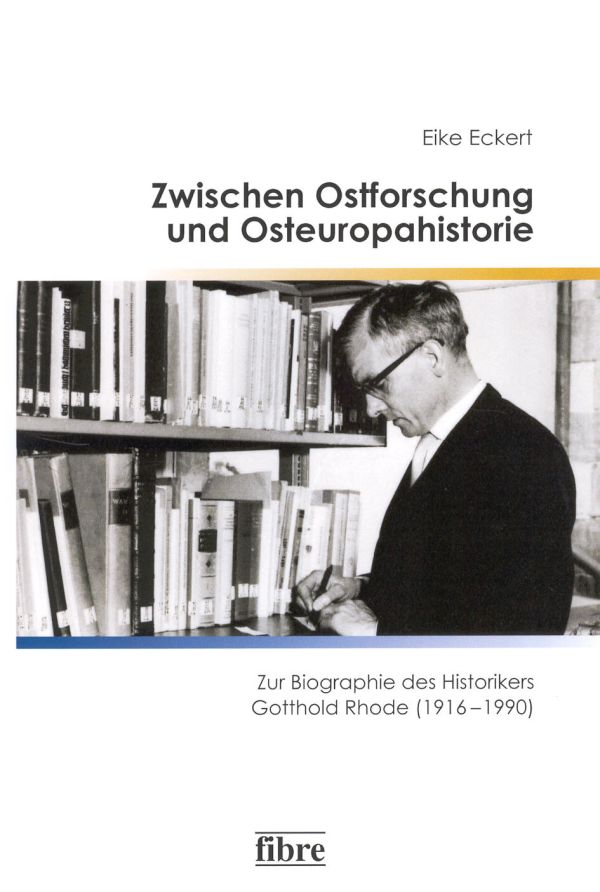 Zwischen Ostforschung und Osteuropahistorie
Zur Biographie des Historikers Gotthold Rhode (1916–1990)
Volume 27
 Wirtschaftskrisen als Wendepunkte
Ursachen, Folgen und historische Einordnungen vom Mittelalter bis zur Gegenwart
Volume 33
 Sport zwischen Ost und West
Beiträge zur Sportgeschichte Osteuropas im 19. und 20. Jahrhundert
Volume 16
 Shades of a Nation
The Dynamics of Belonging among the Silesian and Jewish Populations in Eastern Upper Silesia (1922–1934)
Volume 34
 Selbstbewusstsein und Modernisierung
Sozialkultureller Wandel in Preussisch-Litauen vor und nach dem Ersten Weltkrieg
Volume 3
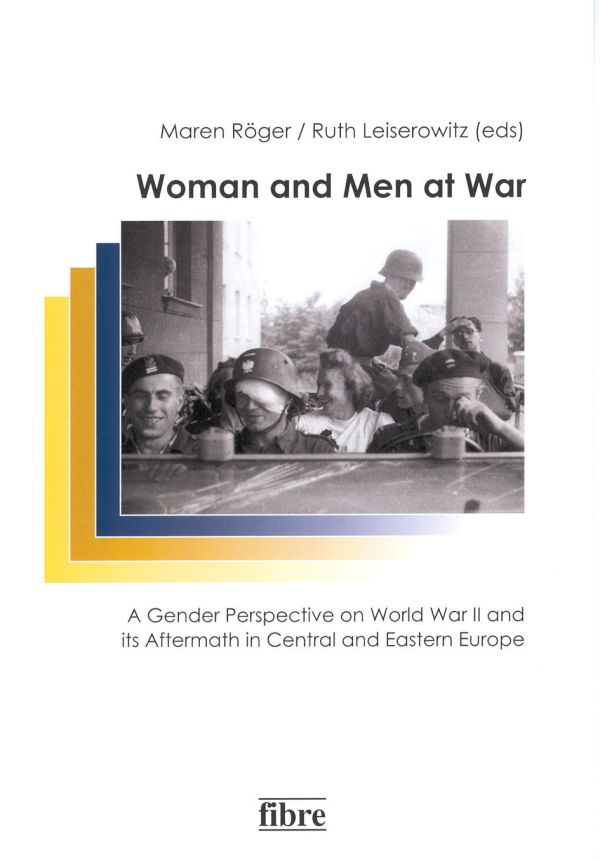 Women and Men at War
A Gender Perspective on World War II and its Aftermath in Central and Eastern Europe
Volume 28
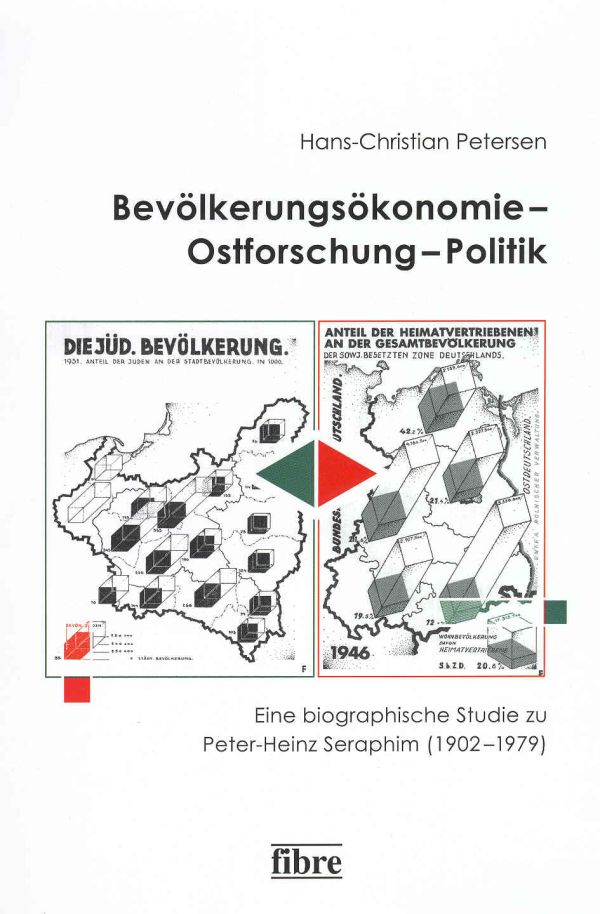 Bevölkerungsökonomie – Ostforschung – Politik
Eine biographische Studie zu Peter-Heinz Seraphim (1902–1979)
Volume 17
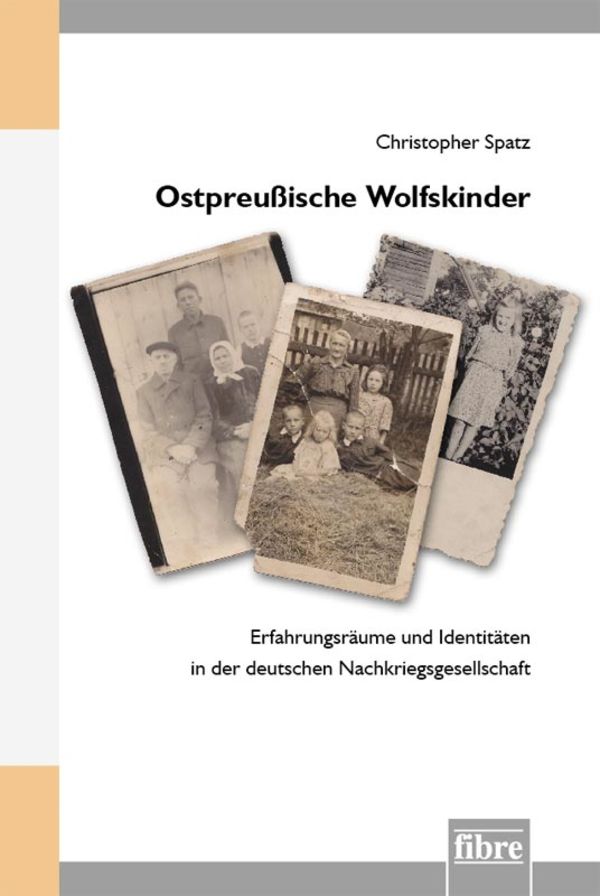 Ostpreußische Wolfskinder
Erfahrungsräume und Identitäten in der deutschen Nachkriegsgesellschaft
Volume 35
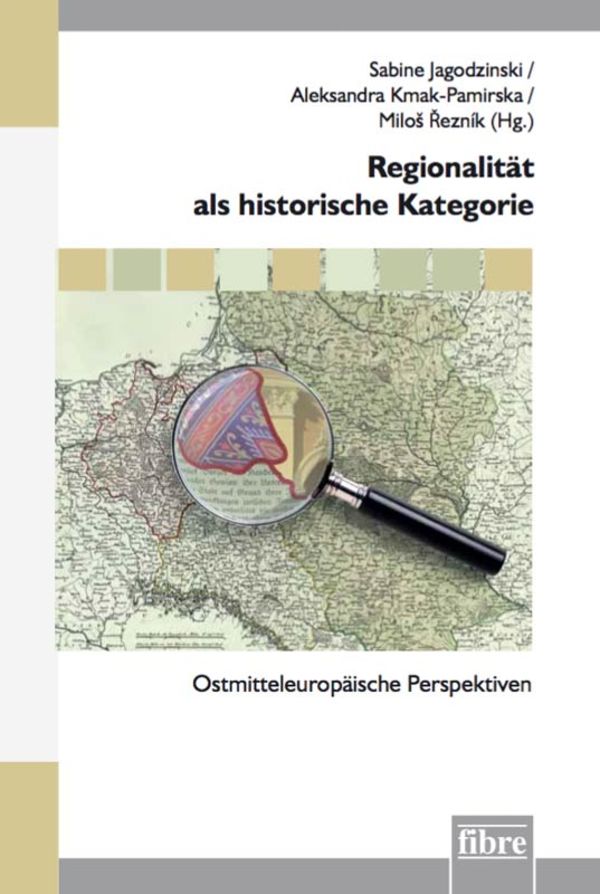
 Regionalität im Fluss
Die kaschubische Bewegung – Zugehörigkeit, Raum und Geschichte (1840–1920)
Volume 48
 Beruf und Berufung transnational
Deutsche und polnische Akademikerinnen in der Zwischenkriegszeit
Volume 38
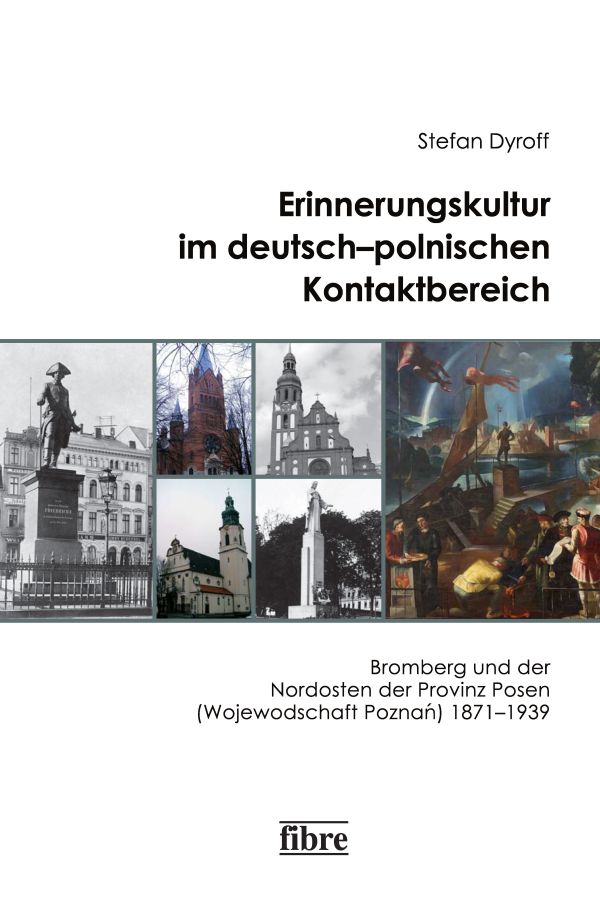 Erinnerungskultur im deutsch-polnischen Kontaktbereich
Bromberg und der Nordosten der Provinz Posen (Wojewodschaft Poznań) 1871–1939
Volume 19
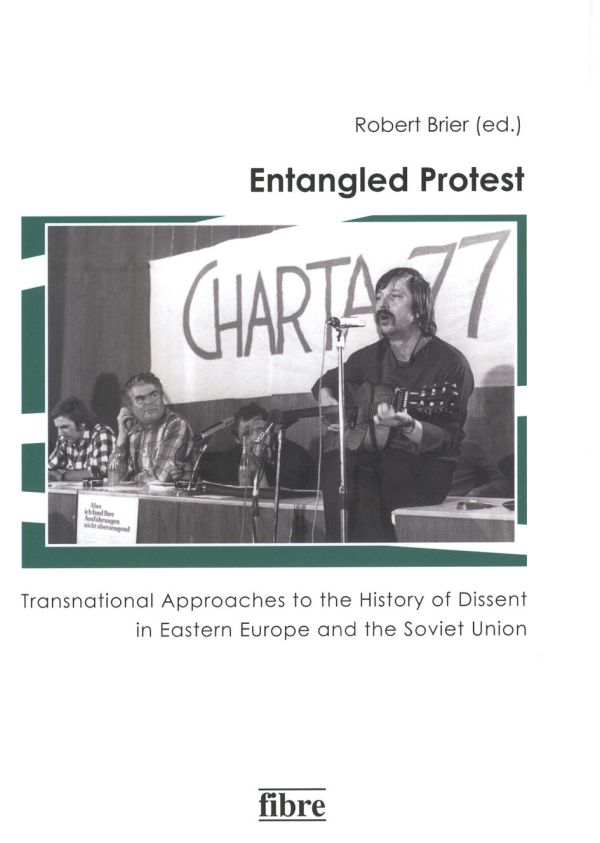 Entangled Protest
Transnational Approaches to the History of Dissent in Eastern Europe and the Soviet Union
Volume 31
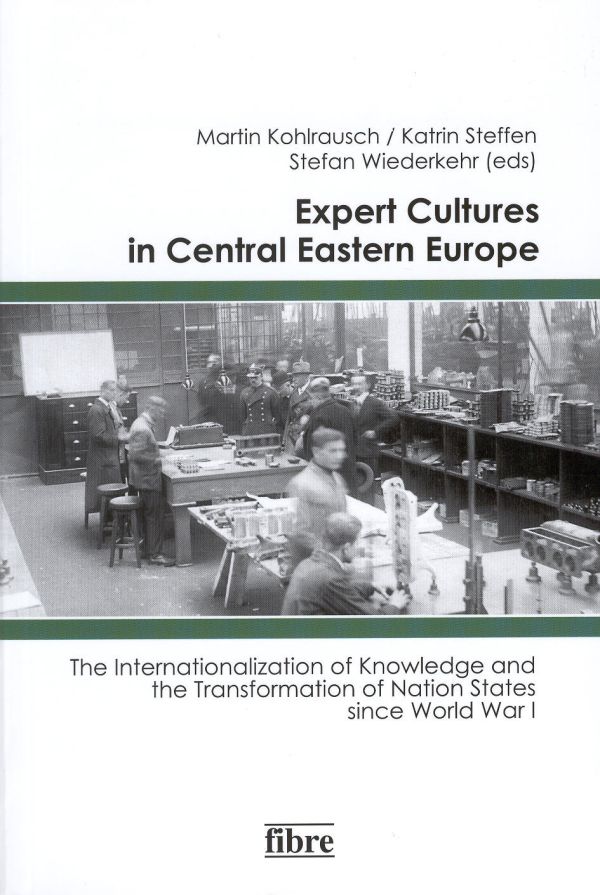 Expert Cultures in Central Eastern Europe
The Internationalization of Knowledge and the Transformation of Nation States since World War I
Volume 23
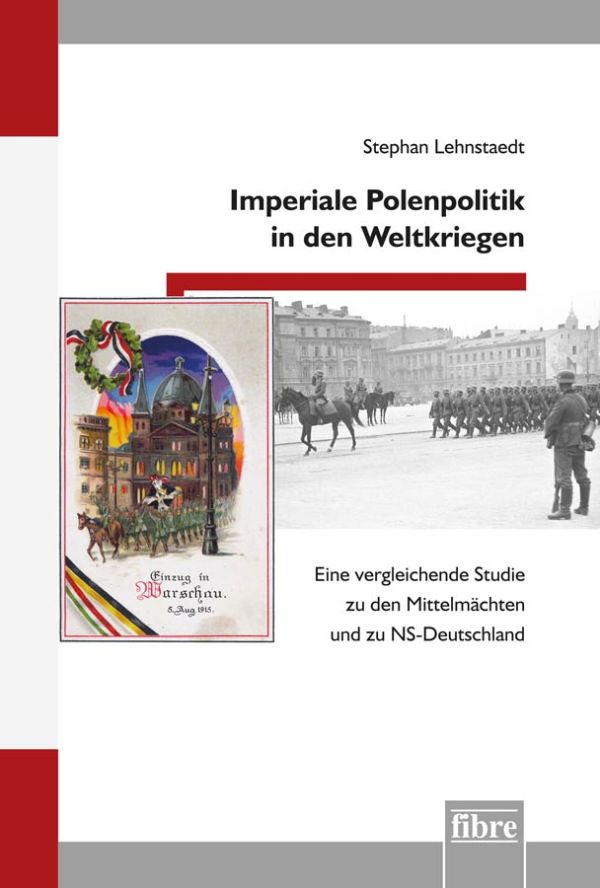 Imperiale Polenpolitik in den Weltkriegen
Eine vergleichende Studie zu den Mittelmächten und zu NS-Deutschland
Volume 36
Similar Books


 Dis/United States of Vulnerability
Literary and Cultural Transgressions in U.S. Poetry Since the 1960s
Volume 330


 European Drama and Performance Studies
Dramatisations politiques. Théâtre, politique et idéologie au XIXe siècle (1806-1914)
Volume 27


 Modernization, Crises, Cultural Revolutions
Yugoslavia’s 1960s and 1970s through the amateur film lens


 Visual Memory and Oblivion
Monuments and Conflicts in Urban Spaces in Central and Eastern Europe from the Nineteenth Century to the Present Day



 “Tod durch Erschießen”
Generaloberst Nikolaus von Falkenhorst. Wehrmachtsbefehlshaber in Norwegen 1940–1945. Erinnerungen – Verhörprotokolle – Urteilssprüche
Volume 63
 “Zum Siege unserer menschenfreundlichen Prinzipien”
Ungarische Freimaurernetzwerke im „Orient“ 1886-1920


 Coburgs südöstliche Netzwerke – Coburg’s Networks in Southeastern Europe
Bulgarien, Rumänien und Ostmitteleuropa im 19. und 20. Jahrhundert. Hrsg. von Franziska Bartl und Frank-Lothar Kroll mit einem Grußwort Seiner Majestät des Königs der Bulgaren Simeon II.
Volume 39


 Dark Like You
Zur medienreflexiven Modernität der Kinder- und Jugendzeitschrift ‚The Brownies’ Book‘ (1920–1921)
Volume 191
 Das Generalgouvernement Belgien im Ersten Weltkrieg 1914-17–1918
Die Erinnerungen des Generalobersten Ludwig Freiherrn von Falkenhausen
Volume 64
 Das Werden einer Universität
Die Protokolle des Akademischen Senats der Hamburgischen Universität 1919–1921