
Music and the Politics of Censorship
From the Fascist Era to the Digital Age
Edited by James Garratt

This book aims to enhance our understanding of censorship practices.
In relation to music, the word censorship immediately calls to mind the totalitarian regimes of the twentieth century, in particular those of Nazi Germany and the USSR. But music censorship is arguably even more prominent and pervasive in our own age, not only in authoritarian states but also in Western liberal democracies. This book aims to enhance our understanding of censorship practices, the social and political values they serve, and the governmental and legal frameworks that have enabled them to flourish. Its twenty chapters – written by a team of international scholars – explore both historical case studies and the new forms of censorship that have emerged in the digital age. It evaluates different theories and models for understanding censorship, applying the concept not only to top-down government controls but also to the measures that cultural institutions, the media, and global corporations have put in place to police music and musicians. Crucial too is the exploration of how music censorship relates to other forms of political action, including cancelling, critique, and performative activism. The book also reveals the diverse strategies that musicians and listeners have employed to circumvent censorial control and to march to a different beat.
- Edited by James Garratt
Other Titles in this Series


 Music and Colonialism in Fascist Italy
Identity, Propaganda, and Ethnographic Representation
Volume 13

 Luigi Dallapiccola between Politics, Text and Musical Thought
With an Appendix of New Sources
Volume 11

Similar Books


 As Messianism Turns to Heresy
The Regenstein Chair Lectures On Lurianic Kabbalah and Shabbatai Tzevi at Hebrew Union College - Cincinnati
 Beyond Sovereign Courts
Agents and Practices in Early Modern Spanish and Habsburg Diplomacy
Volume 3




 Food Security under Armed Conflict
Global Knowledge Landscape and Public Attention to Social, Economic, and Humanitarian Dimensions


 Innovationes Lovanienses: Arts, Law and Theology at the University of Louvain (1425–1797)
Studium Lovaniense: Learning across Borders, 2
Volume 18

 John Dunstaple Reading Boethius
John Dunstaple’s Annotations to Boethius’s “De institutione musica” in the Manuscript Oxford, Corpus Christi College Library, MS 118


 Music and Colonialism in Fascist Italy
Identity, Propaganda, and Ethnographic Representation
Volume 13


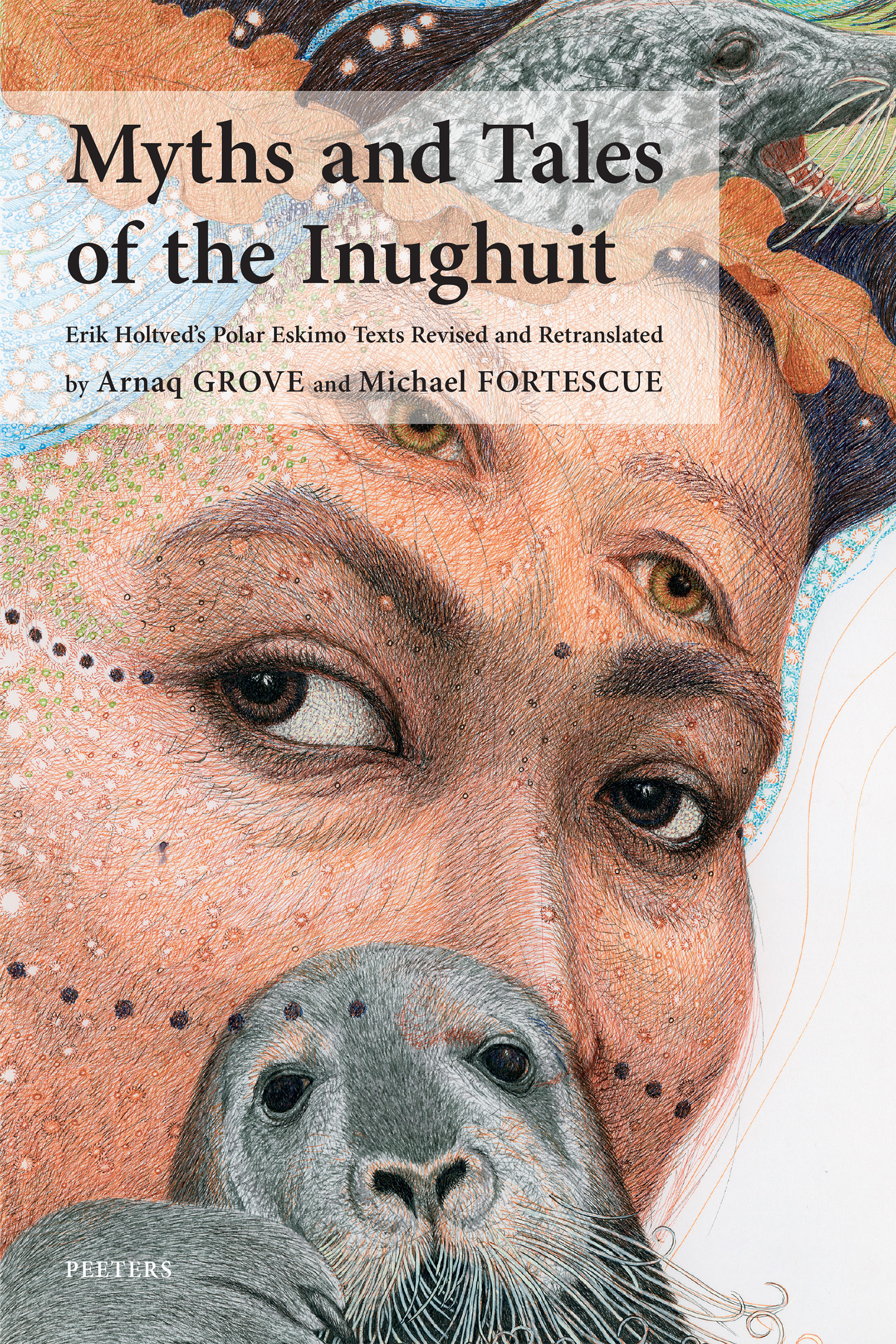 Myths and Tales of the Inughuit
Erik Holtved's Polar Eskimo Texts Revised and Re-translated into Danish and English
Volume 475, 12


 Students, Scholars and Their Books at the University of Louvain (1425-1797)
Studium Lovaniense: Learning across Borders, 1
Volume 17