
Luigi Dallapiccola between Politics, Text and Musical Thought
With an Appendix of New Sources
Edited by Roberto Illiano

This volume offers essays on Dallapiccola’s mature works, from the 1940s through to the 1970s, including the so-called ‘protest music’ works (Canti di prigionia, Prigioniero and Canti di liberazione), with analyses related to text, timbre and compositional process.
Luigi Dallapiccola represents one of the most important Italian composers of the twentieth century. Born in Pazin, on the border between three frontiers, he experienced a certain multiculturalism from a young age that led him to take an interest in the new musical languages that were flourishing. Approaching the music of Schoenberg, from the 1930s he began his natural inclination toward twelve-tone music, which he developed fully after the 1950s. After 1950, the composer sought to bring his work into a principle of structural unity and stylistic uniformity, directing himself “toward patient clarification, toward sensibility, not theory”. This volume offers essays on Dallapiccola’s mature works, from the 1940s through to the 1970s, including the so-called ‘protest music’ works (Canti di prigionia, Prigioniero and Canti di liberazione), with analyses related to text, timbre and compositional process. In addition, the volume is enriched by an important section of musical and documentary sources, reproducing letters from and to Dallapiccola, as well as musical autographs, sketches, and quotations from works such as “Sex Carmina Alcaei”, “Il prigioniero”, “Canti di liberazione”, and “Ulisse”.
- Edited by Roberto Illiano
Other Titles in this Series


 Music and Colonialism in Fascist Italy
Identity, Propaganda, and Ethnographic Representation
Volume 13


Similar Books


 As Messianism Turns to Heresy
The Regenstein Chair Lectures On Lurianic Kabbalah and Shabbatai Tzevi at Hebrew Union College - Cincinnati
 Behind the Scenes of Medieval Roofs
An Overview of the Roofing Systems of Italian Churches
Volume 90
 Beyond Sovereign Courts
Agents and Practices in Early Modern Spanish and Habsburg Diplomacy
Volume 3





 Food Security under Armed Conflict
Global Knowledge Landscape and Public Attention to Social, Economic, and Humanitarian Dimensions


 Innovationes Lovanienses: Arts, Law and Theology at the University of Louvain (1425–1797)
Studium Lovaniense: Learning across Borders, 2
Volume 18

 John Dunstaple Reading Boethius
John Dunstaple’s Annotations to Boethius’s “De institutione musica” in the Manuscript Oxford, Corpus Christi College Library, MS 118


 Music and Colonialism in Fascist Italy
Identity, Propaganda, and Ethnographic Representation
Volume 13


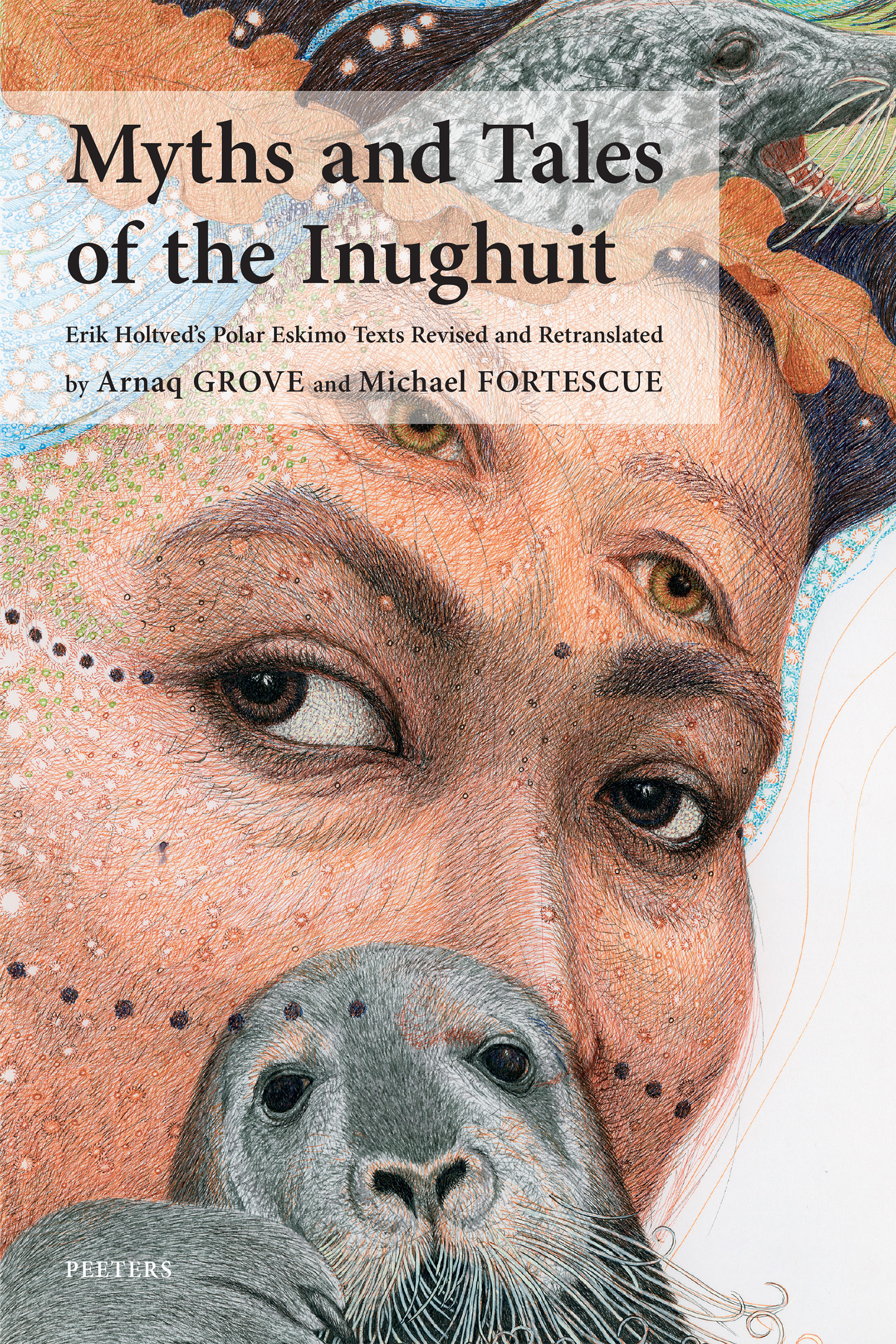 Myths and Tales of the Inughuit
Erik Holtved's Polar Eskimo Texts Revised and Re-translated into Danish and English
Volume 475, 12
 Naples as Laboratory / Laboratorium Neapel
Style Options, Artistic Rivalry and Self Fashioning in Neapolitan Baroque Painting / Plurale Stilbildung, Kunstlerkonkurrenz und Self Fashioning in der neapolitanischen Barockmalerei


