
Mochi’s Edge and Bernini’s Baroque
By (author) Estelle Lingo

The book offers wholly new interpretations of Mochi’s monumental works and a new, historically engaged account of the origins of baroque sculpture and the rise to dominance of Bernini’s mature sculptural style. The volume is enriched by specially commissioned color photographs of Mochi’s sculptures.
This book takes the extraordinary art of the Tuscan sculptor Francesco Mochi (1580-1654) as the entry point for an inquiry into the historical and cultural forces reshaping sculpture at the beginning of the seventeenth century. Mochi has long been understood as an early innovator of the baroque style whose career was eclipsed by the rise of his younger contemporary Gianlorenzo Bernini. But for his sole seventeenth-century biographer, what distinguished Mochi’s sculpture was his determination to adhere to the Florentine manner. This study argues that the post-Tridentine religious climate and the demands of consolidating absolutist regimes posed specific challenges for sculpture, particularly as the medium had been assertively developed during the first half of the sixteenth century by Florentine sculptors, most famously Michelangelo. As analyzed here, Mochi’s highly distinctive sculptural style stemmed directly from his attempt to carry forward a Florentine and Michelangelesque tradition of sculpture-above all its commitments to the representation of the body, the materiality of sculpture, and the agency of the artist-and to reconcile that tradition with imperatives of his own day. Mochi’s ambitious undertaking produced an extreme tension in his art that resulted in some of the century’s most breathtaking sculptures, though ultimately fracturing his career. The book offers wholly new interpretations of Mochi’s monumental works and a new, historically engaged account of the origins of baroque sculpture and the rise to dominance of Bernini’s mature sculptural style. The volume is enriched by specially commissioned color photographs of Mochi’s sculptures.
- By (author) Estelle Lingo
Other Titles in this Series
 The Burgeoning European Print Trade
The Distribution of Prints via the Plantin-Moretus Press of Antwerp
Volume 19


 The Letters of Salvator Rosa (1615-1673)
An Italian Transcription, English Translation and Critical Edition
Volume 10


Similar Books
 A Collaborative Tapestry in Honour of Shirley Ann Brown / Une fresque brodée en l’honneur de Shirley Ann Brown
The Bayeux Tapestry Seen by her Colleagues and Friends / La Tapisserie de Bayeux vue par ses collègues et amis



 Balthasar Caymox of Nuremberg
Early Modern German Print Publishers: Popular Prints of the Seventeenth Century
 Beyond Sovereign Courts
Agents and Practices in Early Modern Spanish and Habsburg Diplomacy
Volume 3

 Circulation, Use, Impact
The Consumption of Architectural Books in the Early Modern Eastern Adriatic
Volume 1


 Councils, Conflicts, Correspondence
Urban Diplomacy in Reval (Tallinn) and Lübeck (c. 1470–1570)
Volume 67


 Innovationes Lovanienses: Arts, Law and Theology at the University of Louvain (1425–1797)
Studium Lovaniense: Learning across Borders, 2
Volume 18
 Legal Visuality
Exegesis, Ambiguity, and Dissimulation of the Donation of Constantine in the Early Modern Period
 Monastic Manuscripts from the Eastern Mediterranean (Sinai, Jerusalem, Antioch)
Production, Use, and Contexts

 Naples as Laboratory / Laboratorium Neapel
Style Options, Artistic Rivalry and Self Fashioning in Neapolitan Baroque Painting / Plurale Stilbildung, Kunstlerkonkurrenz und Self Fashioning in der neapolitanischen Barockmalerei

 Nurturing the Elite
Representations of Drinking, Eating, and Religious Vessels in Palmyrene Funerary Iconography
Volume 13


 Portraying the Individual in the Roman East
Local–Imperial Entanglements in Sculpture, Mosaics, and Paintings (First–Fourth Centuries AD)
Volume 18
 Power and Women in Southeast and Central Europe in Late Medieval and Early Modern Period (1300-1600)
Volume 10


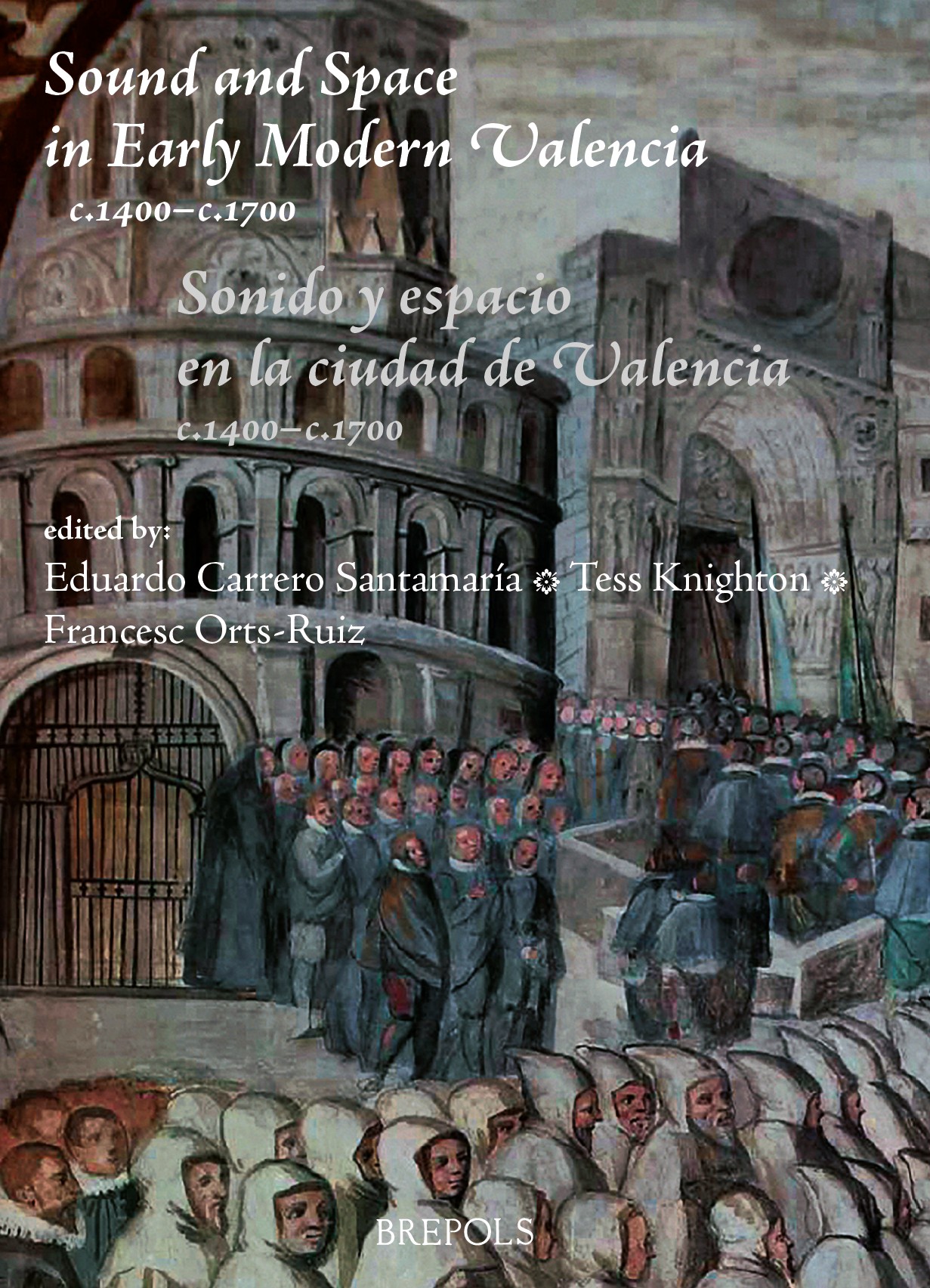
 Staging the Spectacle of Majesty
Ceremonial, Courtly Space, and Collecting under the Spanish Habsburgs
Volume 9
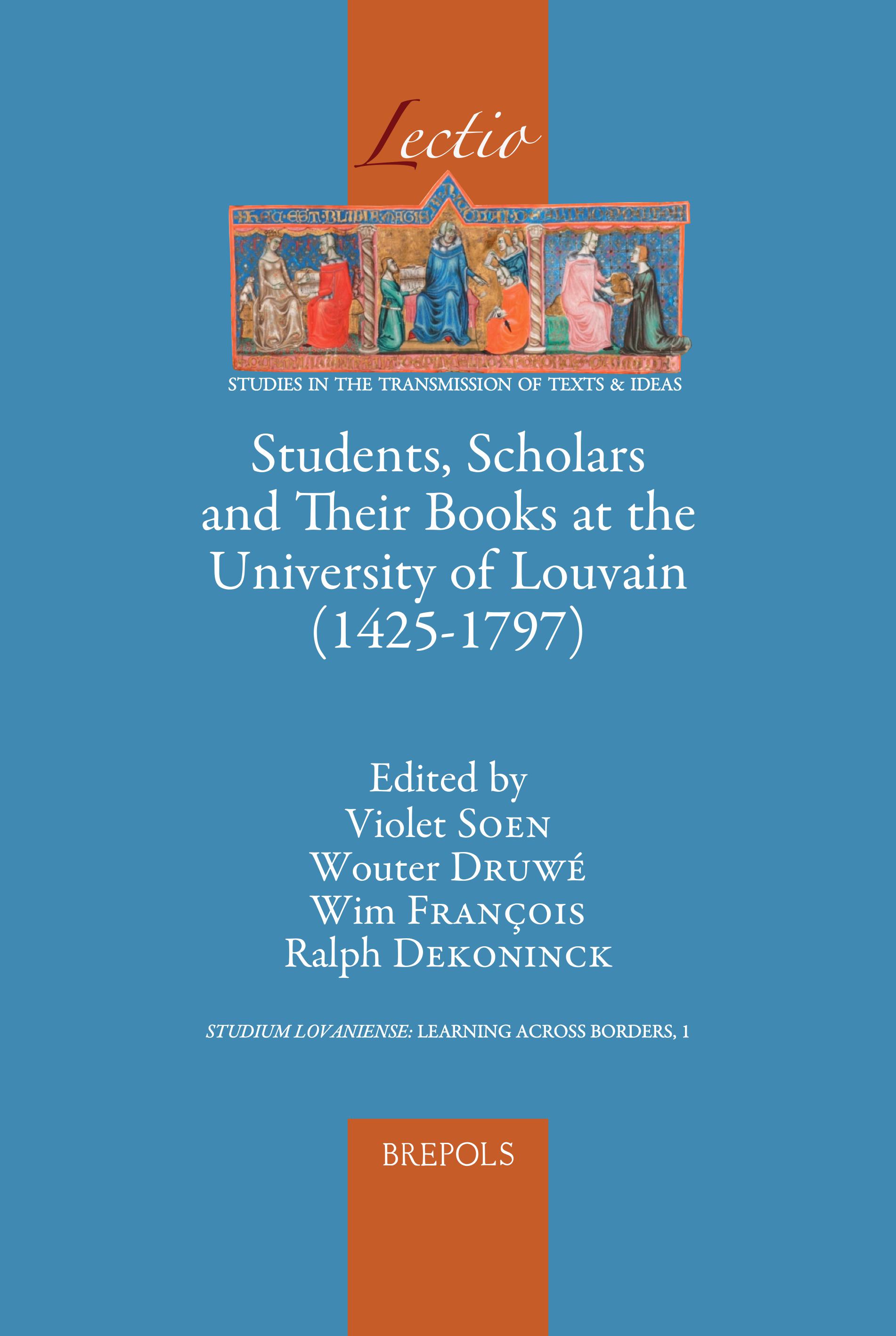 Students, Scholars and Their Books at the University of Louvain (1425-1797)
Studium Lovaniense: Learning across Borders, 1
Volume 17


 Technical Studies of Asian Art
Proceedings of the Seventh Forbes Symposium at the Freer Gallery of Art
