Caravaggio and Pictorial Narrative
Dislocating the Istoria in Early Modern Painting
By (author) Lorenzo Pericolo

Truly a distinguished achievement, this book is required reading for general readers as well as specialists in the history of art (Charles Dempsey, The Johns Hopkins University)A very important part of Caravaggio’s production consists of pictorial narratives, mostly religious. Thus, according to early modern aesthetics, Caravaggio practiced the artistic genre of the istoria: the most discussed and thoroughly defined pictorial institution of his time. Unanimously, seventeenth-century artists and art theorists censored and condemned Caravaggio’s art for its numerous deficiencies and faults in regard to the principles of the istoria. In spite of all these testimonies, Caravaggio’s innovations in and misuses of the techniques specific to early modern pictorial narrative have never been systematically studied, debated, and put into historical perspective. In this volume, Lorenzo Pericolo argues that Caravaggio’s multiple experimentations with the traditional devices of the istoria not only represent the core of an unprecedented poetics of dislocation, but also unsettled, dismantled, and expanded the scope of pictorial narrative in ways that would have redefined and deeply transformed the concept of painting and artistic creation, had Caravaggio’s enterprise not have been ferociously criticized and stigmatized as both aberrant and defective. To solidly establish the importance and groundbreaking charge of Caravaggio’s work, Pericolo examines the notion of Leon Battista Alberti’s istoria as interpreted and developed by early modern artists and theorists-from Leonardo to Vasari, from Lomazzo to Poussin, and from Michelangelo to Bellori-in vast surveys in which the concepts of diachrony, duration, eurythmy, propriety, verisimilitude, and pictorial truth- among others-are carefully examined on a theoretical and practical level. By analyzing the paintings of Caravaggio’s followers such as Cecco del Caravaggio, Battistello Caracciolo, Valentin de Boulogne and, not least, Diego Velazquez, Pericolo explores how Caravaggio’s innovations in the domain of pictorial narrative were variously construed, elaborated upon, and brought to fruition in the aftermath of the master’s death in 1610, thereby offering a critical explanation of the implosion and extinction of the Caravaggesque movement in the 1630s.
Truly a distinguished achievement, this book is required reading for general readers as well as specialists in the history of art (Charles Dempsey, The Johns Hopkins University)A very important part of Caravaggio’s production consists of pictorial narratives, mostly religious. Thus, according to early modern aesthetics, Caravaggio practiced the artistic genre of the istoria: the most discussed and thoroughly defined pictorial institution of his time. Unanimously, seventeenth-century artists and art theorists censored and condemned Caravaggio’s art for its numerous deficiencies and faults in regard to the principles of the istoria. In spite of all these testimonies, Caravaggio’s innovations in and misuses of the techniques specific to early modern pictorial narrative have never been systematically studied, debated, and put into historical perspective. In this volume, Lorenzo Pericolo argues that Caravaggio’s multiple experimentations with the traditional devices of the istoria not only represent the core of an unprecedented poetics of dislocation, but also unsettled, dismantled, and expanded the scope of pictorial narrative in ways that would have redefined and deeply transformed the concept of painting and artistic creation, had Caravaggio’s enterprise not have been ferociously criticized and stigmatized as both aberrant and defective. To solidly establish the importance and groundbreaking charge of Caravaggio’s work, Pericolo examines the notion of Leon Battista Alberti’s istoria as interpreted and developed by early modern artists and theorists-from Leonardo to Vasari, from Lomazzo to Poussin, and from Michelangelo to Bellori-in vast surveys in which the concepts of diachrony, duration, eurythmy, propriety, verisimilitude, and pictorial truth- among others-are carefully examined on a theoretical and practical level. By analyzing the paintings of Caravaggio’s followers such as Cecco del Caravaggio, Battistello Caracciolo, Valentin de Boulogne and, not least, Diego Velazquez, Pericolo explores how Caravaggio’s innovations in the domain of pictorial narrative were variously construed, elaborated upon, and brought to fruition in the aftermath of the master’s death in 1610, thereby offering a critical explanation of the implosion and extinction of the Caravaggesque movement in the 1630s.
- By (author) Lorenzo Pericolo
Other Titles in this Series


 The Letters of Salvator Rosa (1615-1673)
An Italian Transcription, English Translation and Critical Edition
Volume 10


 The Burgeoning European Print Trade
The Distribution of Prints via the Plantin-Moretus Press of Antwerp
Volume 19


Similar Books
 A Collaborative Tapestry in Honour of Shirley Ann Brown / Une fresque brodée en l’honneur de Shirley Ann Brown
The Bayeux Tapestry Seen by her Colleagues and Friends / La Tapisserie de Bayeux vue par ses collègues et amis

 Balthasar Caymox of Nuremberg
Early Modern German Print Publishers: Popular Prints of the Seventeenth Century


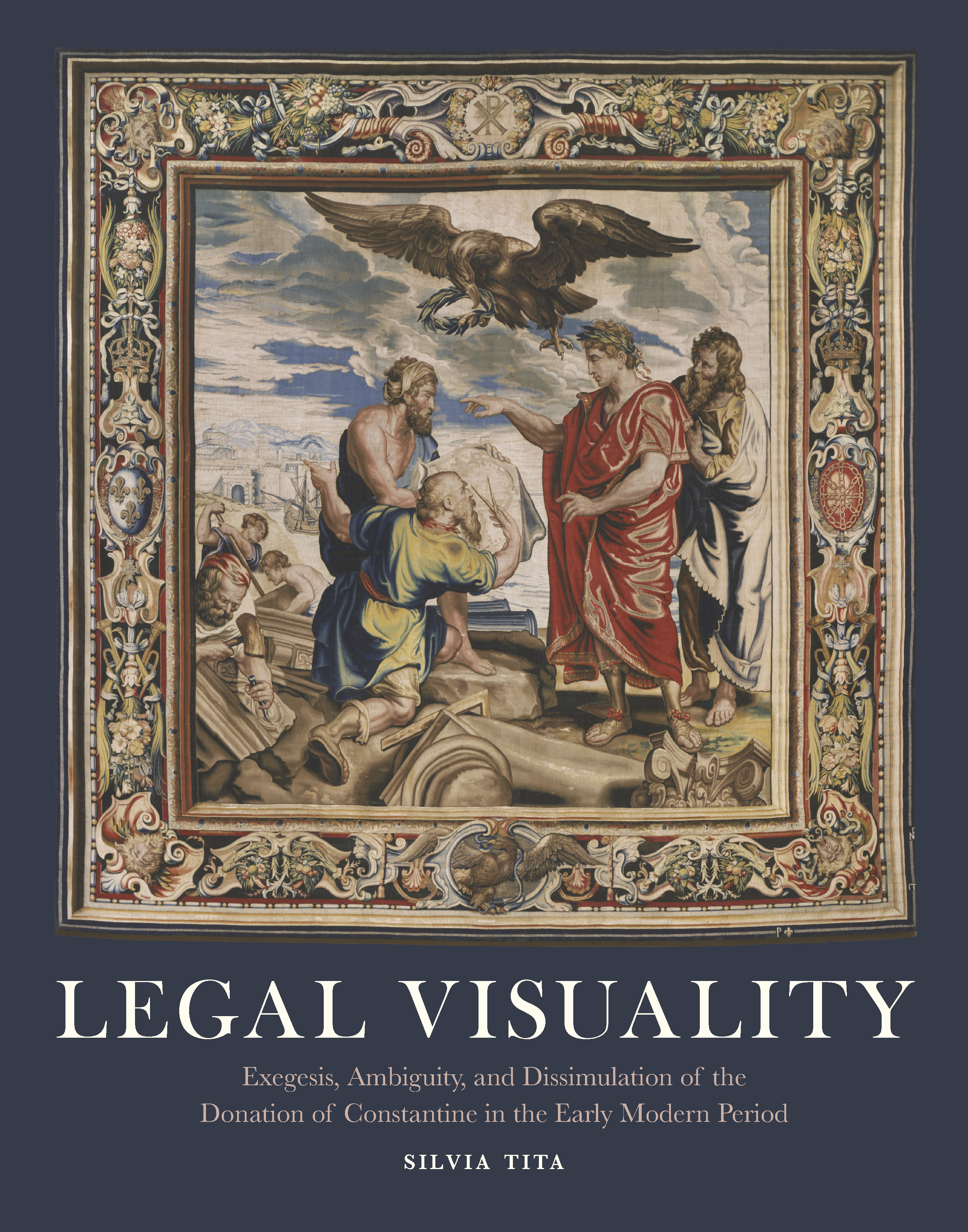 Legal Visuality
Exegesis, Ambiguity, and Dissimulation of the Donation of Constantine in the Early Modern Period
 Monastic Manuscripts from the Eastern Mediterranean (Sinai, Jerusalem, Antioch)
Production, Use, and Contexts
 Naples as Laboratory / Laboratorium Neapel
Style Options, Artistic Rivalry and Self Fashioning in Neapolitan Baroque Painting / Plurale Stilbildung, Kunstlerkonkurrenz und Self Fashioning in der neapolitanischen Barockmalerei

 Nurturing the Elite
Representations of Drinking, Eating, and Religious Vessels in Palmyrene Funerary Iconography
Volume 13


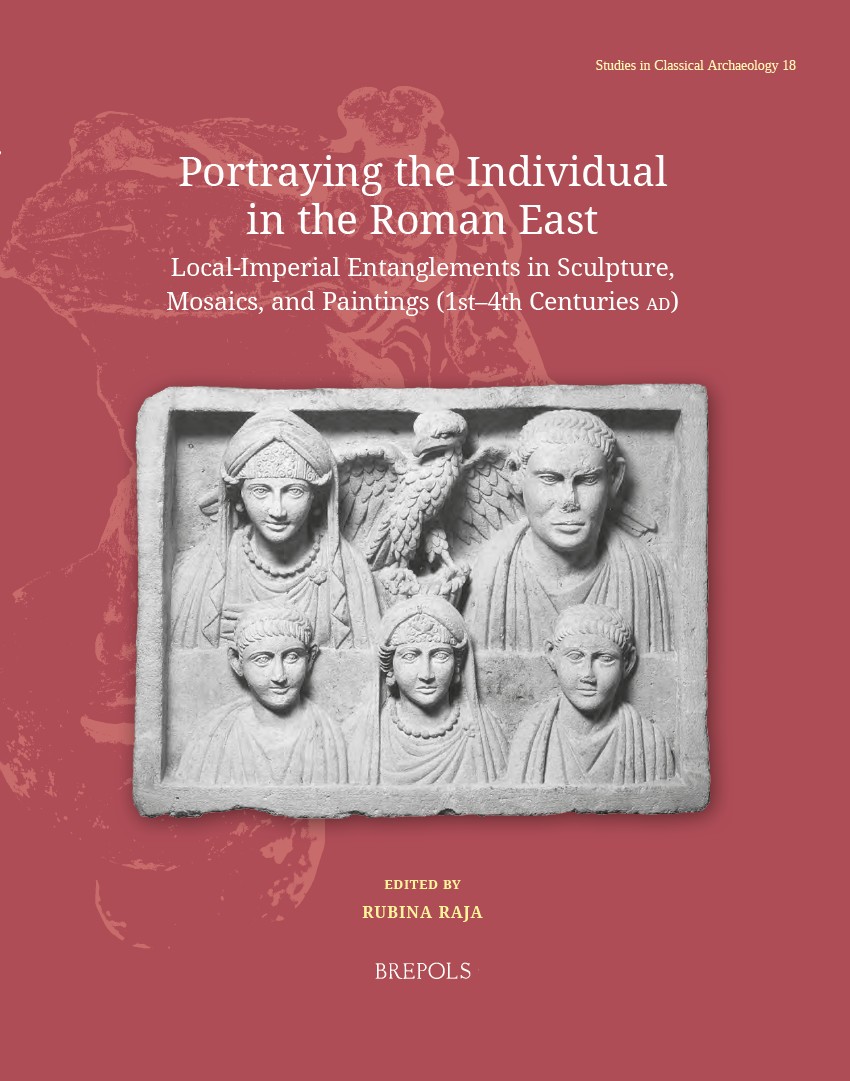 Portraying the Individual in the Roman East
Local–Imperial Entanglements in Sculpture, Mosaics, and Paintings (First–Fourth Centuries AD)
Volume 18


 Technical Studies of Asian Art
Proceedings of the Seventh Forbes Symposium at the Freer Gallery of Art


 Tricks of the Medieval Trades
The Trinity Encyclopedia, a collection of 14th century English craft recipes
 Venice Reimagined
The Resurgence of View Painting in Venice after the Fall of the Serenissima between 1797 and 1866

 Women’s Legacies in Natural Studies, Health, and Liberal Arts
Proceedings of the Second Annual International Women in the Arts Conference
Volume 4
 Writing in the Church of the Nativity in Bethlehem
Inscription and Graffiti in a Multilingual and Multigraphic Perspective
Volume 45