
Mezad Yeroham
A Caravanserai Site of the Roman and Byzantine Periods in the Negev Highlands
by Nicolas Benenstein, Oren Tal and Itamar Taxel
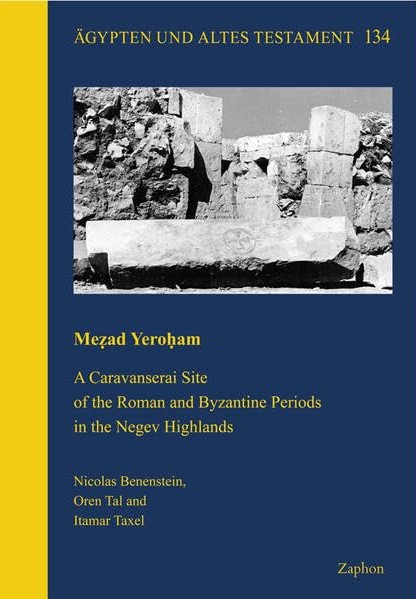
Situated to the southwest of the modern town of Yeroham, in the heartland of other Negebite towns of the classical periods (Mampsis to its northeast, Elusa and Rehovot-in-the-Negev to its northwest, Nessana and Sobota to its southwest and Oboda to its south), the site of Mezad Yeroham has received little attention in modern research due to lack of publications. Surveyed by Palmer (1870) and Glueck (1954) and excavated by Cohen (1966-1967, 1993) and Baumgarten (2000), the site’s four areas of excavations (A-D) revealed three layers of occupation dated from the Early Roman (1st/2nd century CE) through the Late Byzantine (6th and possibly early 7th century CE) period, based on the unearthed pottery and coins. While the early occupation at the site is restricted to Areas B and C, the site’s current architectural landscape dates to the Byzantine period and illustrates a relatively dense settlement whose character – apparently a caravanserai with a few buildings of military and domestic (familial) nature – differs from contemporaneous Negebite large villages and townlets. This function and use may also hint at its character during earlier periods of occupation. One of the Greek ostraca found at the site mentions a toponym, Μαραμαθως, perhaps the site’s ancient name which sadly is unrecorded in contemporaneous epigraphic material or known from historical sources. This study constitutes a full report of the site’s excavations, dealing with its history of research, environs, architecture and stratigraphy, architectural sculpture, pottery, glass, stone (and other artifacts) and coins, as well as ostraca, dipinti and shells. The site’s necropoleis and hinterland are also discussed in detail. The analysis of Mezad Yeroham is holistic in nature, based upon the finds recovered and the Zeitgeist of the current research of the classical periods in the Negev.
Situated to the southwest of the modern town of Yeroham, in the heartland of other Negebite towns of the classical periods (Mampsis to its northeast, Elusa and Rehovot-in-the-Negev to its northwest, Nessana and Sobota to its southwest and Oboda to its south), the site of Mezad Yeroham has received little attention in modern research due to lack of publications. Surveyed by Palmer (1870) and Glueck (1954) and excavated by Cohen (1966-1967, 1993) and Baumgarten (2000), the site’s four areas of excavations (A-D) revealed three layers of occupation dated from the Early Roman (1st/2nd century CE) through the Late Byzantine (6th and possibly early 7th century CE) period, based on the unearthed pottery and coins. While the early occupation at the site is restricted to Areas B and C, the site’s current architectural landscape dates to the Byzantine period and illustrates a relatively dense settlement whose character – apparently a caravanserai with a few buildings of military and domestic (familial) nature – differs from contemporaneous Negebite large villages and townlets. This function and use may also hint at its character during earlier periods of occupation. One of the Greek ostraca found at the site mentions a toponym, Μαραμαθως, perhaps the site’s ancient name which sadly is unrecorded in contemporaneous epigraphic material or known from historical sources. This study constitutes a full report of the site’s excavations, dealing with its history of research, environs, architecture and stratigraphy, architectural sculpture, pottery, glass, stone (and other artifacts) and coins, as well as ostraca, dipinti and shells. The site’s necropoleis and hinterland are also discussed in detail. The analysis of Mezad Yeroham is holistic in nature, based upon the finds recovered and the Zeitgeist of the current research of the classical periods in the Negev.
- By (author) Nicolas Benenstein
- By (author) Oren Tal
- By (author) Itarmar Taxel
Other Titles in this Series

 A Sage in New Haven
Essays on the Prophets, the Writings, and the Ancient World in Honor of Robert R. Wilson
Volume 117
 Der Raum der Zeit
Eine Untersuchung zu den altagyptischen Vorstellungen und Konzeptionen von Zeit und Raum anhand des Unterweltbuches Amduat
Volume 64
 From Stone Age to Stellenbosch
Studies on the Ancient Near East in Honour of Izak (Sakkie) Cornelius
Volume 107
 From Memphis to Babylon
African Individuals and Groups in Texts from Chaldean and Achaemenid Babylonia
Volume 125
 Agyptische Tier- und Gotterbronzen aus Unteragypten
Untersuchungen zu Typus, Ikonographie und Funktion sowie der Bedeutung innerhalb der Kulturkontakte zu Griechenland
Volume 81

 The Late Egyptian Underworld
Sarcophagi and Related Texts from the Nectanebid Period: Part I: Sacophagi and Texts, Part II: Plates
Volume 72

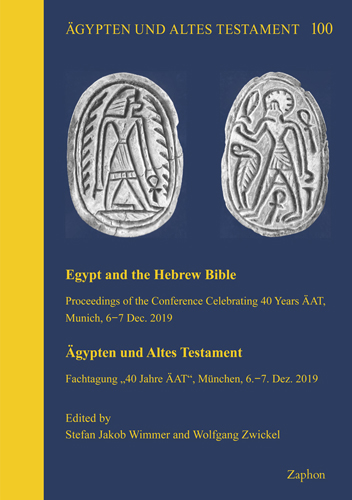 Egypt and the Hebrew Bible / Agypten und Altes Testament
Proceedings of the Conference Celebrating 40 Years AAT, Munich, 6-7 Dec. 2019 / Fachtagung '40 Jahre AAT', Munchen, 6-7. Dez. 2019
Volume 100
 Sonnenlauf und kosmische Regeneration
Zur Systematik der Lebensprozesse in den Unterweltsbuchern - Teil 1: Untersuchungen, Teil 2: Materialien des Tabellenwerks und der Schautafeln
Volume 71
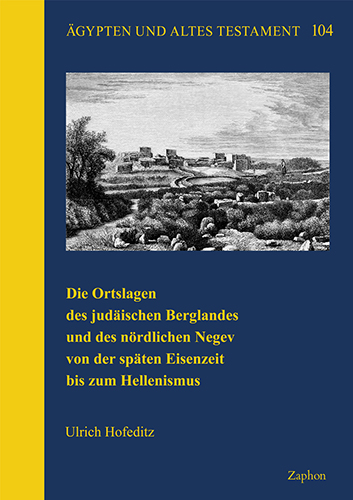

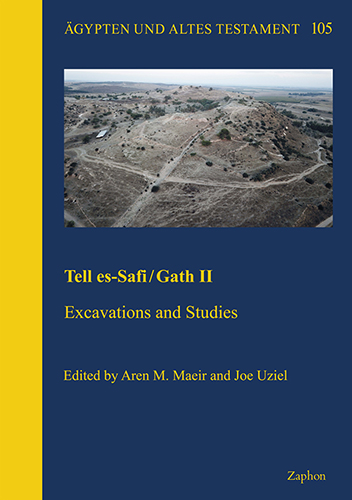
 Tell it in Gath
Studies in the History and Archaeology of Israel. Essays in Honor of Aren M. Maeir on the Occasion of his Sixtieth Birthday
Volume 90
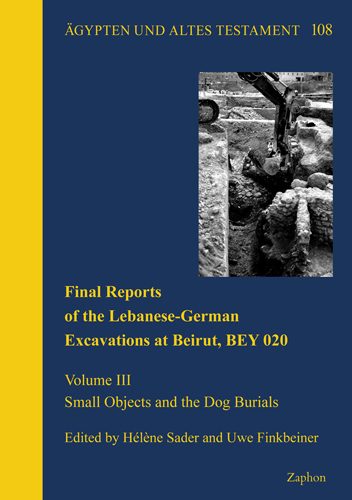 Final Reports of the Lebanese-German Excavations at Beirut, BEY 020. Volume III
Small Objects and the Dog Burials
Volume 108
 Aufruhrer, Rebellen, Widersacher
Untersuchungen zum Wortfeld 'Feind' im pharaonischen Agypten. Ein lexikalisch-phraseologischer Beitrag
Volume 74
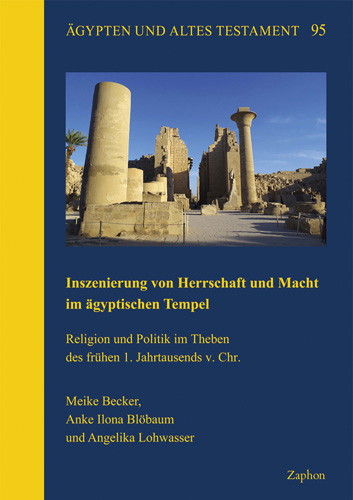 Inszenierung von Herrschaft und Macht im agyptischen Tempel
Religion und Politik im Theben des fruhen 1. Jahrtausends v. Chr.
Volume 95
 Auslander in Agypten wahrend des Mittleren Reiches und der Hyksoszeit / Die auslandische Bevolkerung
Volume 42.2
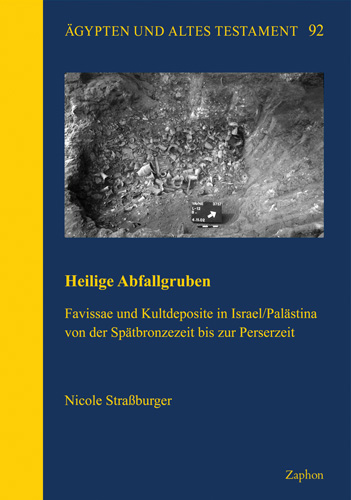 Heilige Abfallgruben
Favissae und Kultdeposite in Israel/Palastina von der Spatbronzezeit bis zur Perserzeit
Volume 92
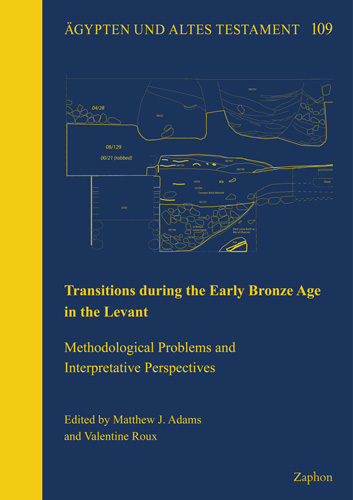 Transitions during the Early Bronze Age in the Levant
Methodological Problems and Interpretative Perspectives
Volume 109
 Altagyptische Weltsichten
Akten des Symposiums zur historischen Topographie und Toponymie Altagyptens vom 12.-14.Mai in Munchen
Volume 68
 From Egypt to the Levant and Beyond
African Individuals and Groupsain Cuneiform Texts from the Late Bronze Age
Volume 133
 Ein Kundiger, der in die Gottesworte eingedrungen ist
Festschrift fur den Agyptologen Karl Jansen-Winkeln zum 65. Geburtstag
Volume 99
Similar Books





 Byzantium Beyond Byzantium
Proceedings of the Plenary Sessions at the 25th International Congress of Byzantine Studies (Vienna, 24–29 August 2026)
 Caesar’s Visions and Impact on the Roman Empire
Revisiting the Archaeological and Historical Record of the 40s BC
Volume 2

 Connecting the Dots: Counting, Writing, and the Beginnings of Civilization
The Secret Lives of Clay Tokens: A Memoir
 Construction Processes in Historical Western Societies (5th c. BC – 10th c. AD)
Case Studies on Techniques, Models, and Costs

 Curating the Prehistoric Past
Studies on West Asian Archaeology and Beyond in Honour of Yoshihiro Nishiaki


 Etruscan and Roman Hellenistic Anatomical ex votos
Reassessing Popular Religious Expressions in Central Italy
Volume 8


 Exploring Gender Dynamics across the Ancient Near East
Collected Essays of Gender and Methodology in the Ancient Near East (GeMANE) 4 and 5
Volume 7


 Ḫattušaš utnē išḫameški
Hittite and Other Ancient Near Eastern Studies Presented to Piotr Taracha on the Occasion of His 65th Birthday




 Invisible Labour in Antiquity
Visualizing Obscure Work in the Ancient Mediterannean and West Asia
Volume 1


 Kultur – Kontakt – Kultur
Beiträge anlässlich der 66. Rencontre Assyriologique Internationale in Frankfurt/Main und Mainz, 25.–29. Juli 2022
Volume 35
 Late Antique villae in the Balkans (3rd–7th c. AD): Current Research Questions and Perspectives
HAEMUS Companion to the Late Antique Balkans 1
Volume 4


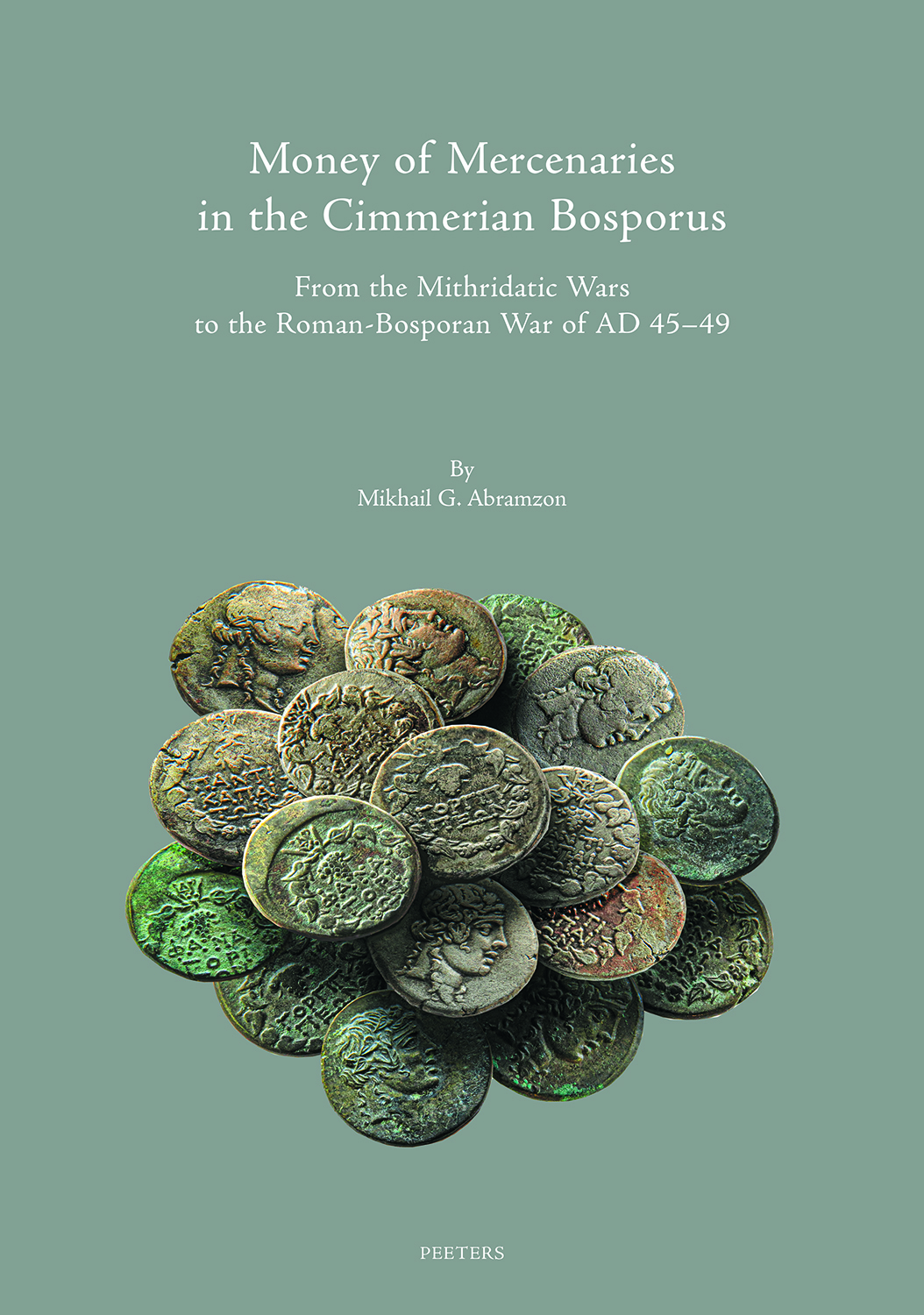 Money of Mercenaries in the Cimmerian Bosporus
From the Mithridatic Wars to the Roman-Bosporan War of AD 45-49
Volume 45
