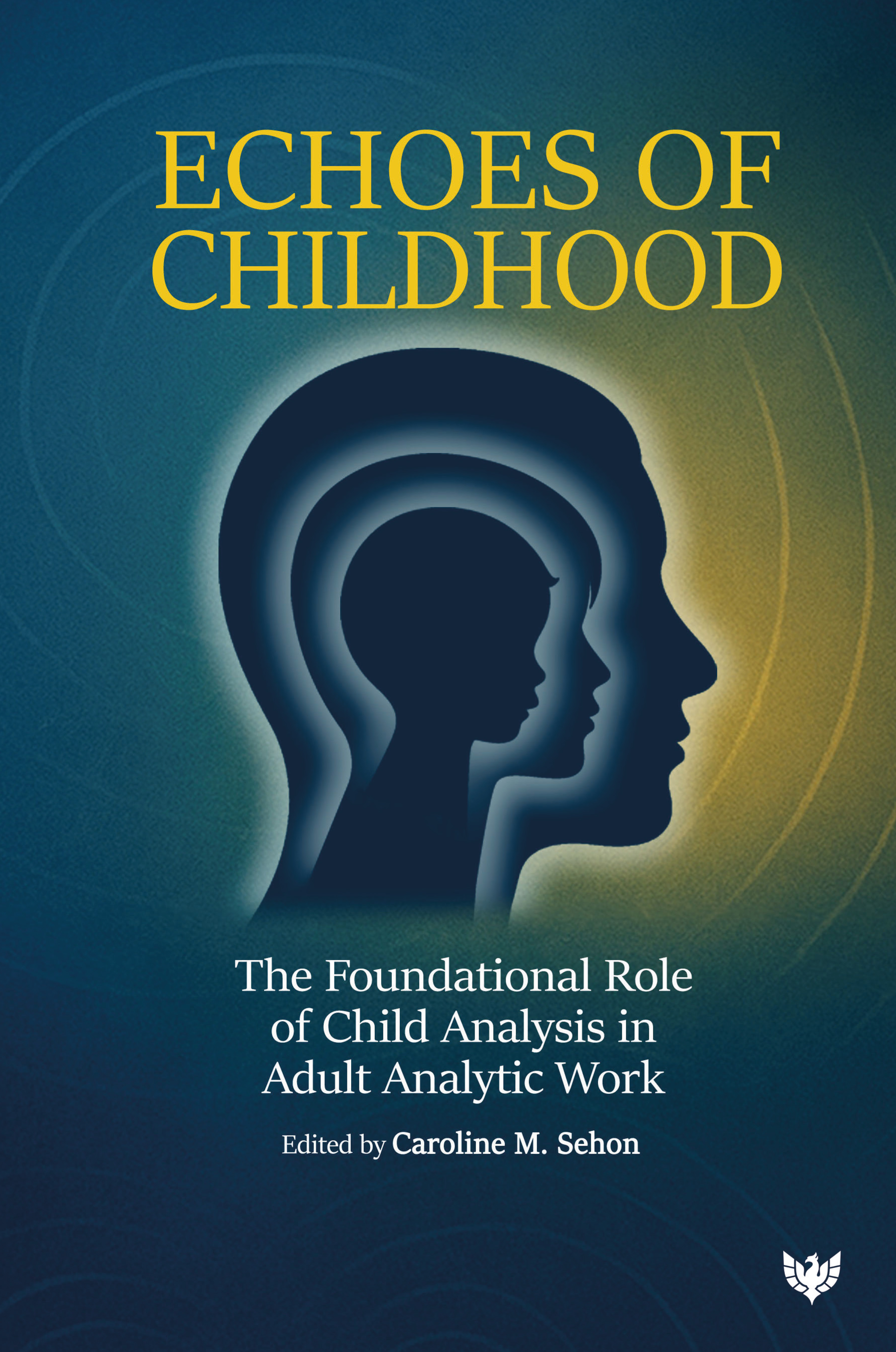
Legacies of the Occult
Psychoanalysis, Religion, and Unconscious Communication
by Marsha Aileen Hewitt
Hardback (Published)
(July 2020)
ISBN: 9781781792780
6.1 x 9.17 inches
Price: $100.00
In stock
The recognition of unconscious communication has persisted as a subterranean, quasi-spiritual presence in psychoanalysis to this day. As psychoanalysis becomes more interested in unconscious communication and develops theories of loosely boundaried subjectivities that open up to transcendent dimensions of reality, it begins to assume the features of a religious psychology. Thus, a fuller understanding of how unconscious communication resonates with mystical overtones may be more deeply clarified, articulated and elaborated in contemporary psychoanalysis in an explicit dialogue with psychoanalytically literate scholars of religion. In Legacies of the Occult Marsha Aileen Hewitt argues that some of the leading theorists of unconscious communication represent a ‘mystical turn’ that is infused with both a spirituality and a revitalized interest in paranormal experience that is far closer to James and Myers than to Freud.
Telepathy, thought transference, unconscious communication. While some important early psychological theorists such as William James, Frederic W. H. Myers and Sigmund Freud all agreed that the phenomenon exists, their theoretical approaches to it were very different. James’s and Myers’s interpretations of and experimental investigations into telepathy or thought transference were an inextricable part of their psychical researches. Freud’s insistence on the reality of thought transference had nothing to do with psychical research or paranormal phenomena, which he largely repudiated. Thought transference for Freud was located in a theory of the unconscious that was radically different from the subliminal mind embraced by James and Myers. Today thought transference is most commonly described as unconscious communication but was largely ignored by subsequent generations of psychoanalysts until most recently. Nonetheless, the recognition of unconscious communication has persisted as a subterranean, quasi-spiritual presence in psychoanalysis to this day. As psychoanalysis becomes more interested in unconscious communication and develops theories of loosely boundaried subjectivities that open up to transcendent dimensions of reality, it begins to assume the features of a religious psychology. Thus, a fuller understanding of how unconscious communication resonates with mystical overtones may be more deeply clarified, articulated and elaborated in contemporary psychoanalysis in an explicit dialogue with psychoanalytically literate scholars of religion. In Legacies of the Occult Marsha Aileen Hewitt argues that some of the leading theorists of unconscious communication represent a ‘mystical turn’ that is infused with both a spirituality and a revitalized interest in paranormal experience that is far closer to James and Myers than to Freud.
- By (author) Marsha Aileen Hewitt
"This book offers a rich account of the place of the occult in psychoanalysis, psychology, and religion and will appeal to readers interested in not only the history of psychology or psychoanalysis but also the history of ideas more generally." --M. Uebel, University of Texas "I found this book profound, brave, fair, and often genuinely moving. I felt myself in confident and sure hands with Hewitt's intellect, prose, and analysis. One of the book's and the author's great virtues, or acts of courage and humanity, is that the conversation opens out onto a new field of inquiry that is really quite old (the paranormal, the occult, the magical) and, as such, attempts to make some better sense of an entire spectrum of human experience that has been ignored, or just mocked, in the modern academic world. A number of us have been intuiting or orbiting around these strange phenomena for some time (and I detect a real quiet renaissance here, in which Hewitt's book will certainly participate), but in a way that generally lacks the broader history of psychology and therapeutic frameworks that Hewitt provides with such precision and richness." Jeffrey J. Kripal, J. Newton Rayzor Professor of Religion, Rice University
—
Similar Books

 A Companion to Christianity and Sport in Europe and North America (19th-21st centuries)
Volume 1: Western and Eastern Europe
 A Connecting Polemic in the Medieval Mediterranean
The Correspondence of Leo III and ʿUmar II
Volume 6





 Ars Prophetica
Theology in the Poetry of Twentieth-Century Hebrew Poets Avraham Halfi, Shin Shalom, Amir Gilboa, and T. Carmi
 As Messianism Turns to Heresy
The Regenstein Chair Lectures On Lurianic Kabbalah and Shabbatai Tzevi at Hebrew Union College - Cincinnati
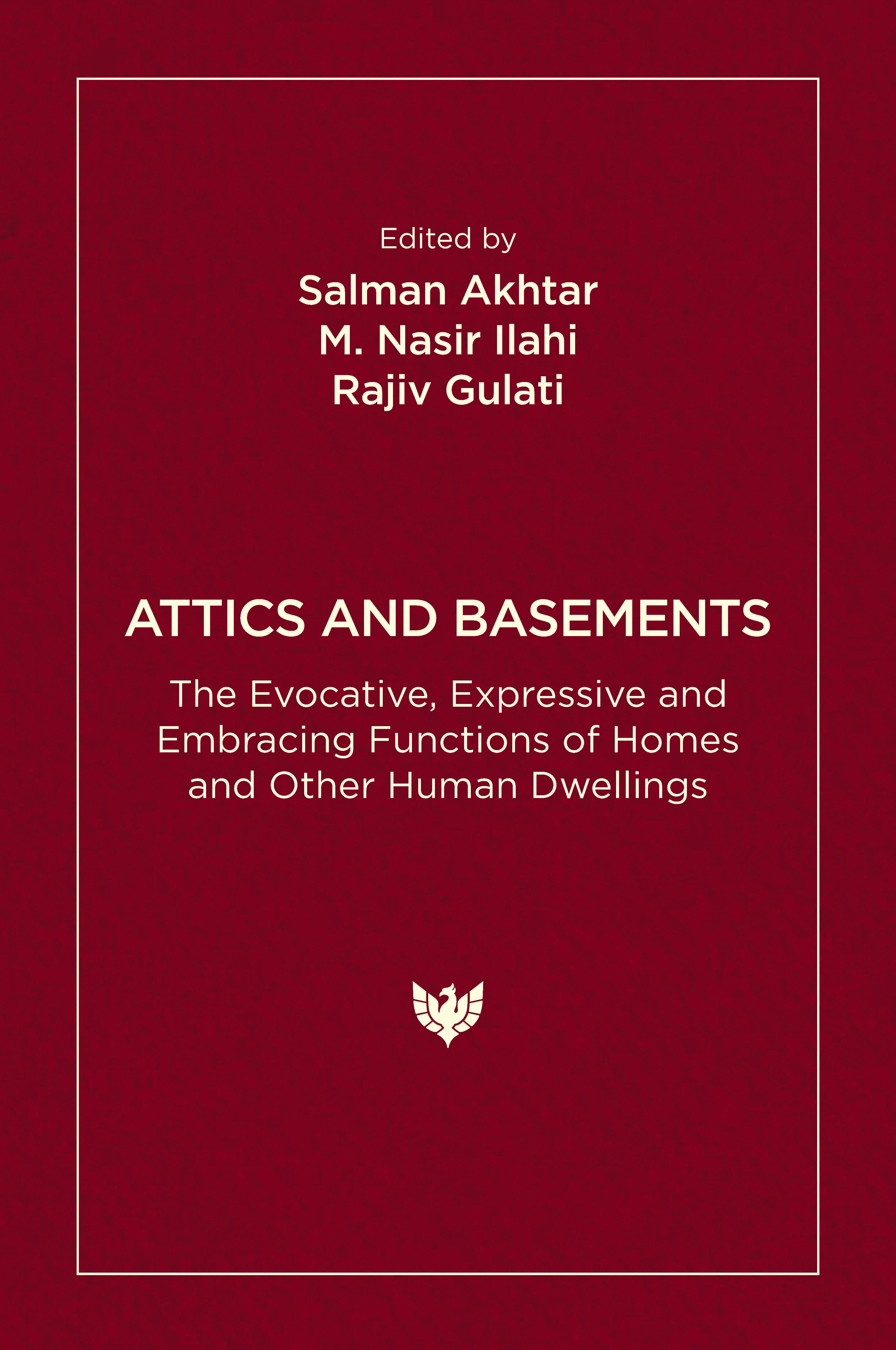 Attics and Basements
The Evocative, Expressive and Embracing Functions of Homes and Other Human Dwellings






 Creating the Woman in Antiquity
Proceedings of the 16th Melammu Workshop, Innsbruck, 2–3 June 2022
Volume 13

 Cultic Kisses
Fruitful Encounters Between Deities and Humans. Festschrift for Angelika Berlejung on the Occasion of Her 65th Birthday
 De/colonizing Theologies
Glocal Histories, Contemporary Challenges, Theoretical Reflections
Volume 4
 Drunk the Potion, No Whit Charmed
The Doctrine of Pure and Perfect Souls from Iamblichus to Damascius