
Kontinuität und Wandel in der russischen Politik gegenüber Aserbaidschan
Von Zar Peter I. bis Putin
By (author) Rauf Dschafarow

Hardback (Published)
(December 2013)
ISBN: 9783847100799
6.3 x 9.45 inches
Price: $94.00
In stock
Aserbaidschan war knapp 200 Jahre lang Bestandteil eines russisch dominierten Machtgefuges: erst des Zarenreiches, dann der Sowjetunion. Es gelang dem Land nur zwei Mal, unabhangig von Russland zu werden, namlich nach dem Zerfall des Zarenreiches (1917) und nach dem der Sowjetunion (1991).Diese Untersuchung vergleicht diese Zeitraume und legt uberraschende Ahnlichkeiten und Kontinuitaten offen. Der Autor arbeitet die Triebkrafte, Elemente, Erscheinungsformen und Instrumente der Aserbaidschanpolitik Russlands heraus. Er analysiert Kontinuitaten und Traditionslinien dieser Politik, auch um aufzuzeigen, mit welchen Entwicklungen in Zukunft zu rechnen ist.
English summary: For just under 200 years, Azerbaijan was part of a Russian-dominated power structure: first the Tsarist empire, then the Soviet Union, the core of which is today’s Russia. During this time, the country succeeded in achieving independence from Russia only twice – after the fall of the Tsarist empire (1917) and of the Soviet Union (1991). The present study is limited to a comparative analysis of these two periods, as their observation and examination reveals surprising similarities and continuities. In both cases, both actors had undergone drastic changes. Russia had to come to terms with the loss of its imperial status, and in this way Azerbaijan gained independence from the Russian metropolis. It emerged that despite the loss of its imperial supremacy, Russia perceived the whole Caucasus as its “back yard”, and continued to act like a supreme power. Azerbaijan, on the other hand, saw itself as an independent country and tried to maintain its independence from Russia at all costs. Against this background, the study aims firstly to identify the driving forces, elements, manifestations and instruments of Russia’s Azerbaijan policy in both phases, and secondly to retrospectively analyse continuities and traditions in this policy in order to demonstrate potential developments in the future. German description: Aserbaidschan war knapp zweihundert Jahre lang Bestandteil eines russisch dominierten Machtgefuges. In diesem Zeitraum gelang es dem Land nur zwei Mal, unabhangig von Russland zu werden: jeweils nach dem Zerfall des Zarenreiches (1917) und dem der Sowjetunion (1991). Diese Untersuchung legt uberraschende Ahnlichkeiten und Kontinuitaten in beiden Phasen offen. In beiden Fallen hatten die Akteure tiefe Einschnitte hinter sich. Russland musste sich mit dem Verlust seines imperialen Status abfinden, und Aserbaidschan gewann dadurch seine Unabhangigkeit von Russland. Dennoch sah Russland den Kaukasus als seinen Hinterhof an. Aserbaidschan hingegen verstand sich als ein unabhangiges Land. Der Autor arbeitet die Triebkrafte, Elemente, Erscheinungsformen und Instrumente der Aserbaidschanpolitik Russlands heraus. Er analysiert Kontinuitaten und Traditionslinien dieser Politik, auch um aufzuzeigen, mit welchen Entwicklungen in Zukunft zu rechnen ist.
- By (author) Rauf Dschafarow
Similar Books


 As Messianism Turns to Heresy
The Regenstein Chair Lectures On Lurianic Kabbalah and Shabbatai Tzevi at Hebrew Union College - Cincinnati
 Beyond Sovereign Courts
Agents and Practices in Early Modern Spanish and Habsburg Diplomacy
Volume 3


 Food Security under Armed Conflict
Global Knowledge Landscape and Public Attention to Social, Economic, and Humanitarian Dimensions


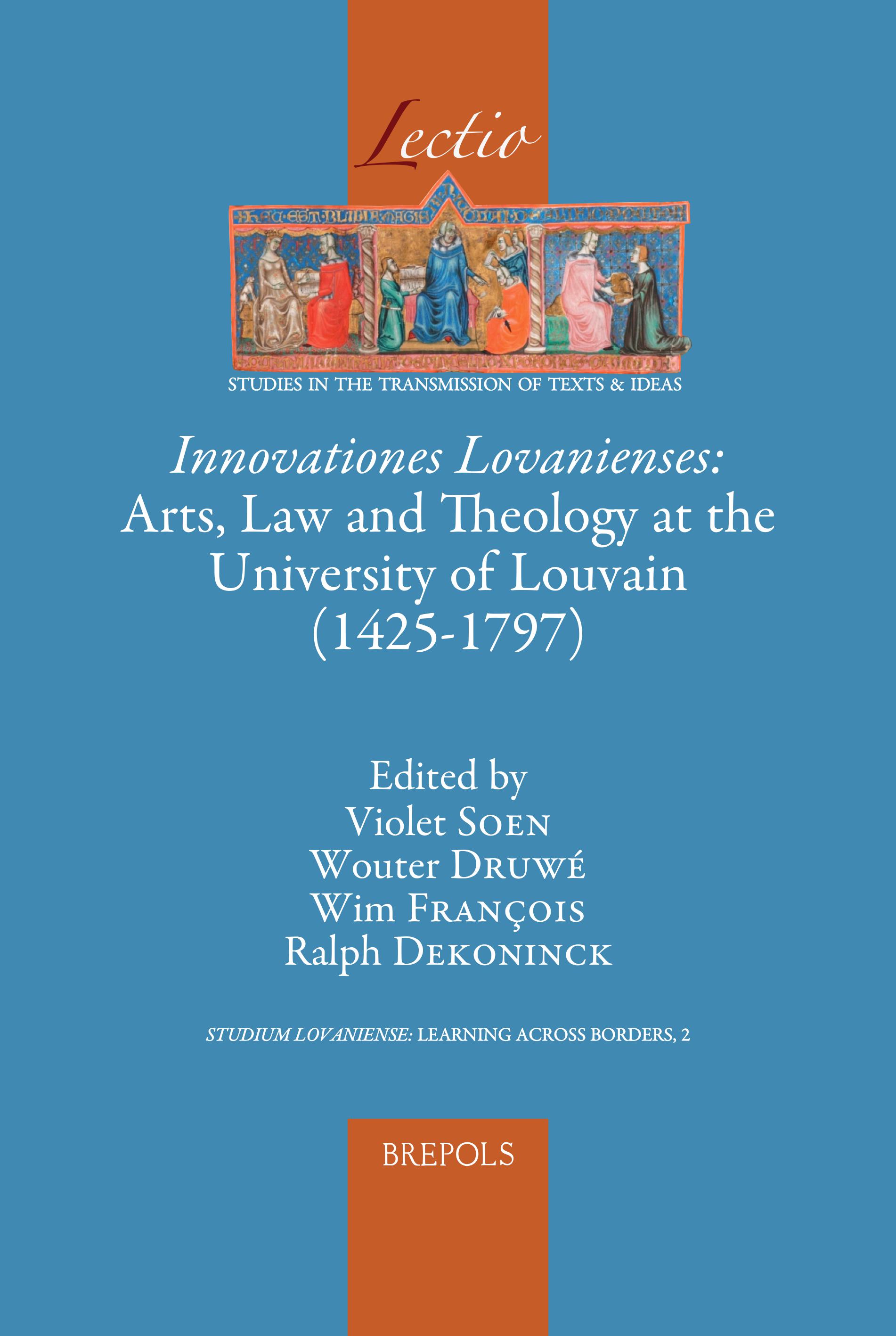 Innovationes Lovanienses: Arts, Law and Theology at the University of Louvain (1425–1797)
Studium Lovaniense: Learning across Borders, 2
Volume 18


 Linguistic and Media Studies Perspectives on Research into Social and Political Polarisation
The Case of Poland


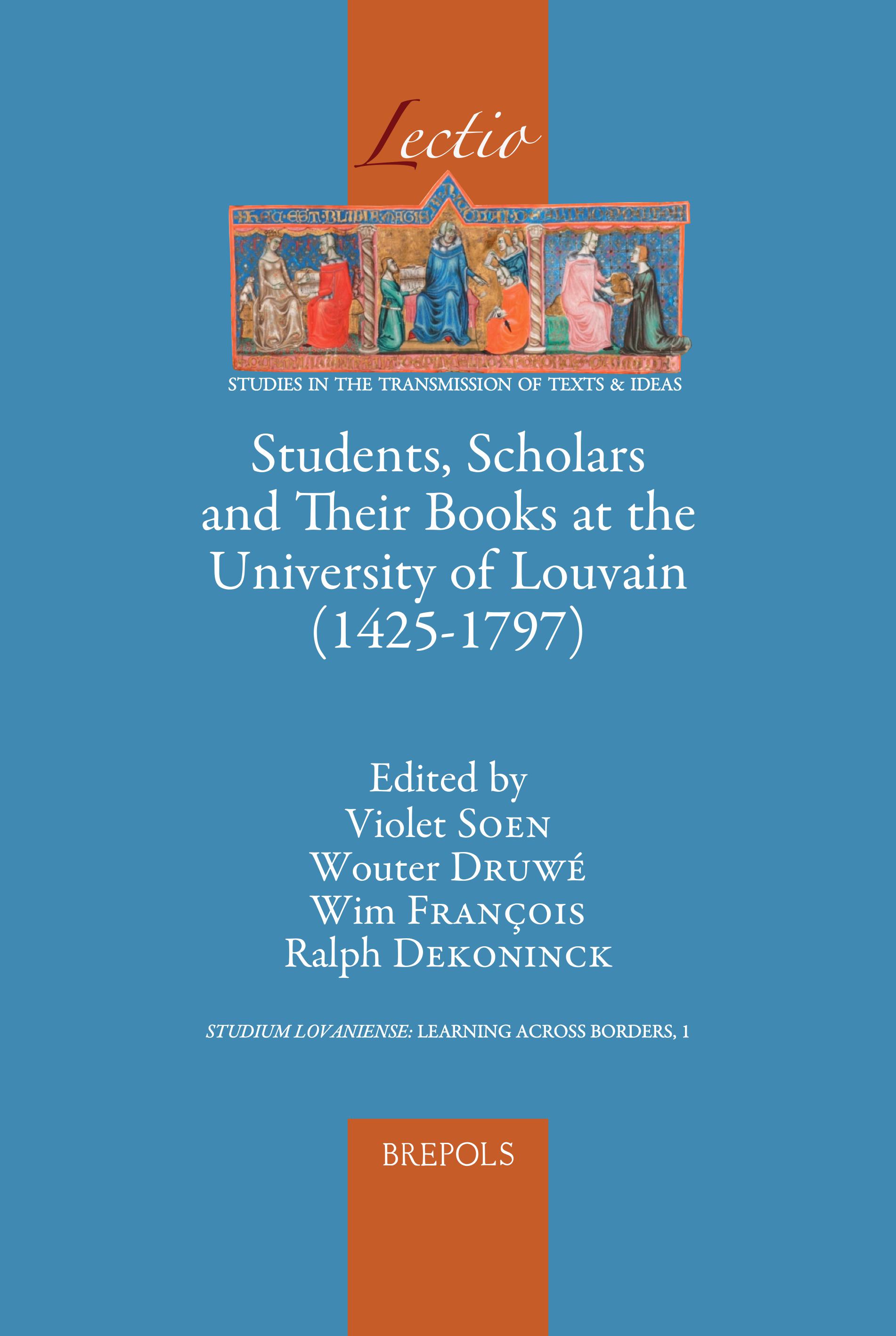 Students, Scholars and Their Books at the University of Louvain (1425-1797)
Studium Lovaniense: Learning across Borders, 1
Volume 17


 Unsilencing the Archives
New Approaches to the History of Archaeological Labor in the Mandate Period Middle East
Volume 80
 “Zum Siege unserer menschenfreundlichen Prinzipien”
Ungarische Freimaurernetzwerke im „Orient“ 1886-1920
 Aporien des Geschichtsunterrichts?
Suchbewegungen im Spannungsfeld zwischen Geschichtsdidaktik und Sonderpädagogik
Volume 40
