King Seneb-Kay’s Tomb and the Necropolis of a Lost Dynasty at Abydos
By (author) Kevin Cahail By (author) Josef Wegner

Hardback (Published)
(August 2021)
ISBN: 9781949057096
8.46 x 10.98 inches
Price: $120.00
In stock
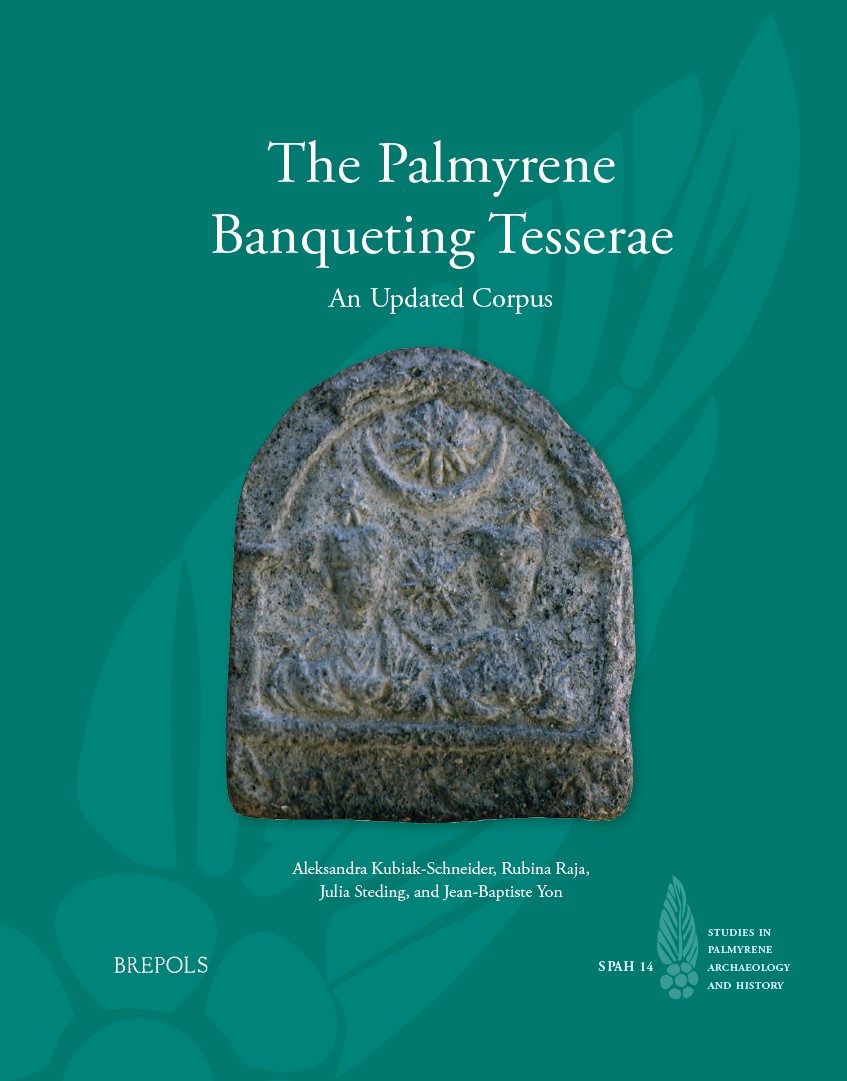
This volume is the publication and analysis of the tomb of pharaoh Seneb-Kay (ca. 1650-1600 BCE), and a cemetery of associated tombs at Abydos, all attributable to a group of kings of Egypt’s Second Intermediate Period. The tomb of Seneb-Kay has provided the first known king’s tomb of pharaonic Egypt that included decorated imagery in the burial chamber. That evidence, presented in full-color and discussed in detail in the volume, allows us to identify this previously unknown ruler along with a group of seven similar tombs that can be attributed to an Upper Egyptian Dynasty that survived for approximately half a century during a period of pronounced territorial fragmentation in the Nile Valley. The book examines the architecture and artifacts associated with these tombs as well as presents an osteological analysis of the bodies of Seneb-Kay and the other anonymous individuals buried at South Abydos. Seneb-Kay’s skeletonized mummy was recovered inside his tomb and provides a rare opportunity to examine the body of a king of this era. He is the earliest substantially preserved body of an Egyptian king to survive in the archaeological record, and the first known Egyptian pharaoh whose skeletal remains show that he died in battle. The analysis of his death in a military encounter, along with insights from the other skeletal remains indicates a line of kings whose rise to power was associated with their social background as members of the military elite. The book examines the wider implications of these bodies in terms of the pronounced militarization of society in the Second Intermediate Period. Seneb-Kay’s tomb has also provided extensive evidence, through its use of reused blocks bearing decoration, of earlier elite and royal monuments at Abydos. The combination of evidence provides a new archaeological and historical window into the political situation that defined Egypt’s Second Intermediate Period.
- By (author) Kevin Cahail
- By (author) Josef Wegner
Similar Books


 Archaeological Discoveries at the Temple of Ramesses II in Abydos
Vol. 2: Old Kingdom Wall, Papyri, Ostraca, and Leather Remains
 Behind the Scenes of Medieval Roofs
An Overview of the Roofing Systems of Italian Churches
Volume 90
 Caesar’s Visions and Impact on the Roman Empire
Revisiting the Archaeological and Historical Record of the 40s BC
Volume 2

 Circulation, Use, Impact
The Consumption of Architectural Books in the Early Modern Eastern Adriatic
Volume 1




 Etruscan and Roman Hellenistic Anatomical ex votos
Reassessing Popular Religious Expressions in Central Italy
Volume 8




 Invisible Labour in Antiquity
Visualizing Obscure Work in the Ancient Mediterannean and West Asia
Volume 1
 Late Antique villae in the Balkans (3rd–7th c. AD): Current Research Questions and Perspectives
HAEMUS Companion to the Late Antique Balkans 1
Volume 4


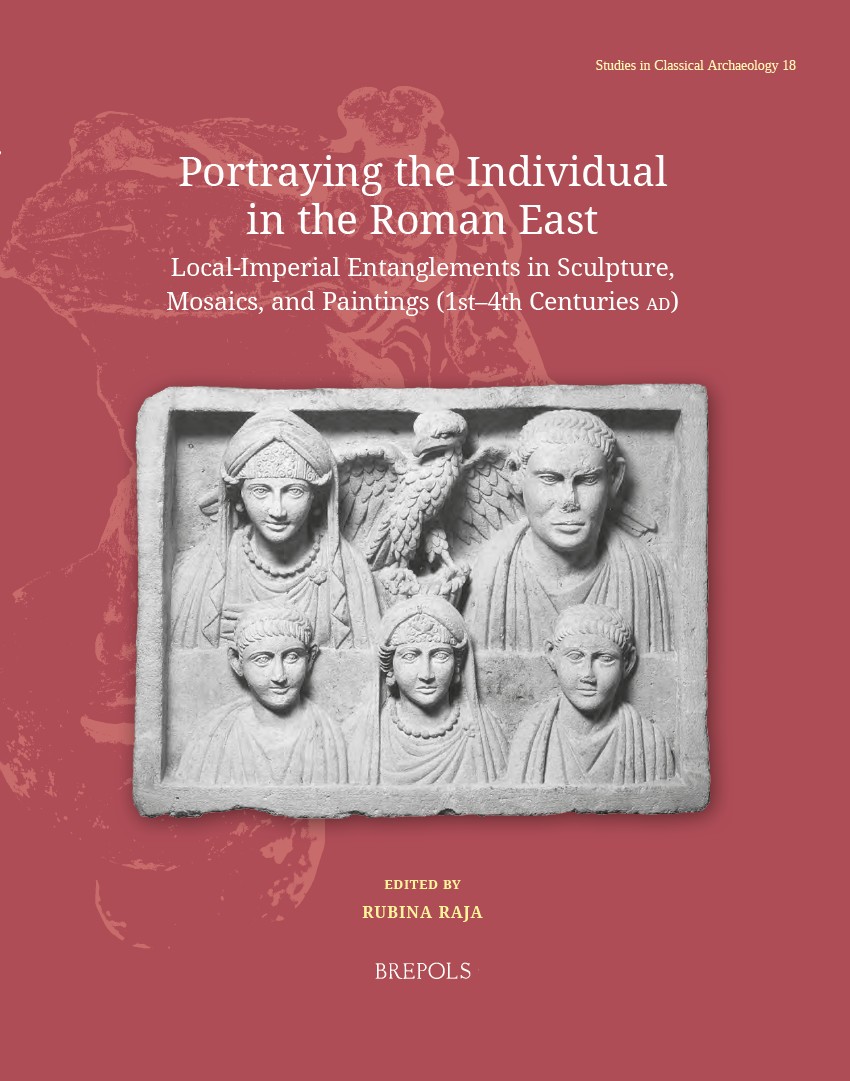 Portraying the Individual in the Roman East
Local–Imperial Entanglements in Sculpture, Mosaics, and Paintings (First–Fourth Centuries AD)
Volume 18


 Small Worlds and Relational Agencies: Local Societies in Early Medieval Iberia
Pequeños mundos y Agencias relacionales: Sociedades locales altomedievales en la Península Ibérica


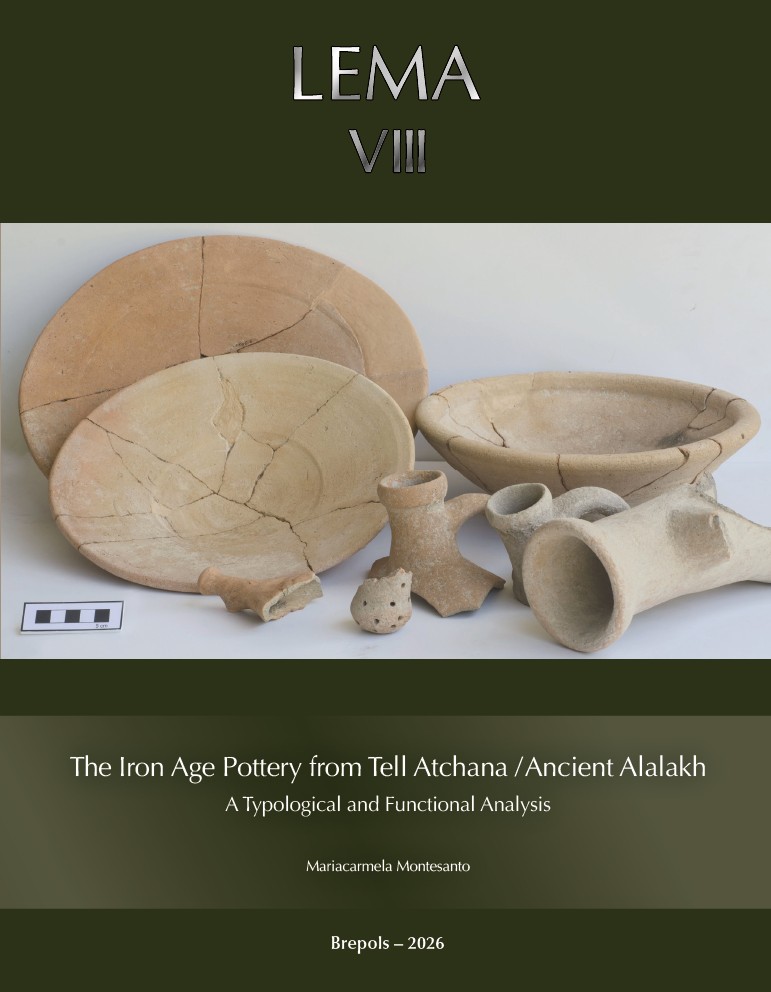 The Iron Age Pottery from Tell Atchana / Ancient Alalakh
A Typological and Functional Analysis
Volume 8