
Shaping Authority
How did a person become an authority in Antiquity, the Middle Ages and the Renaissance?
Edited by Shari Boodts Edited by Johan Leemans Edited by Brigitte Meijns

This volume offers case studies which reflect the variety of trajectories, concerns, actors and factors that contributed to the fashioning of the postmortem and lasting authority of historical persons in premodern intellectual history: a time span of two millennia.
The cultural and religious history from Antiquity through the Renaissance may be read through the lens of the rise and demise of auctoritates. Throughout this long period of about two millennia, many historical persons have been considered as exceptionally authoritative. Obviously, this authority derived from their personal achievements. But one does not become an authority on one’s own. In many cases, the way an authority’s achievements were received and disseminated by their contemporaries and later generations, was the determining factor in the construction of their authority. This volume focuses on the latter aspect: what are the mechanisms and strategies by which participants in intellectual life at large have shaped the authority of historical persons? On what basis, why and how were some persons singled out above their peers as exceptional auctoritates and by which processes did this continue (or discontinue) over time? What imposed geographical or other limits on the development and expansion of a person’s auctoritas? Which circumstances led to the disintegration of the authority of persons previously considered to be authoritative? The case-studies in this volume reflect the dazzling variety of trajectories, concerns, actors and factors that contributed over a time span of two millennia to the fashioning of the postmortem and lasting authority of historical persons.
- Edited by Shari Boodts
- Edited by Johan Leemans
- Edited by Brigitte Meijns
Other Titles in this Series


 Students, Scholars and Their Books at the University of Louvain (1425-1797)
Studium Lovaniense: Learning across Borders, 1
Volume 17

 Innovationes Lovanienses: Arts, Law and Theology at the University of Louvain (1425–1797)
Studium Lovaniense: Learning across Borders, 2
Volume 18

 Networking through Biography
Constructing Intellectual Junctions in Antiquity, the Renaissance and the Arabo-Islamic World
Volume 19
 Towards the Authority of Vesalius
Studies on Medicine and the Human Body from Antiquity to the Renaissance and beyond
Volume 6

 Outsiders and Forerunners
Modern Reason and Historiographical Births of Medieval Philosophy
Volume 5


 Le pere du siecle
The Early Modern Reception of Jean Gerson (1363-1429): Theological Authority between Middle Ages and Early Modern Era
Volume 14


 On Good Authority
Tradition, Compilation and the Construction of Authority in Literature from Antiquity to the Renaissance
Volume 3
Similar Books
 A Collaborative Tapestry in Honour of Shirley Ann Brown / Une fresque brodée en l’honneur de Shirley Ann Brown
The Bayeux Tapestry Seen by her Colleagues and Friends / La Tapisserie de Bayeux vue par ses collègues et amis


 Balthasar Caymox of Nuremberg
Early Modern German Print Publishers: Popular Prints of the Seventeenth Century
 Behind the Scenes of Medieval Roofs
An Overview of the Roofing Systems of Italian Churches
Volume 90
 Beyond Sovereign Courts
Agents and Practices in Early Modern Spanish and Habsburg Diplomacy
Volume 3

 Circulation, Use, Impact
The Consumption of Architectural Books in the Early Modern Eastern Adriatic
Volume 1


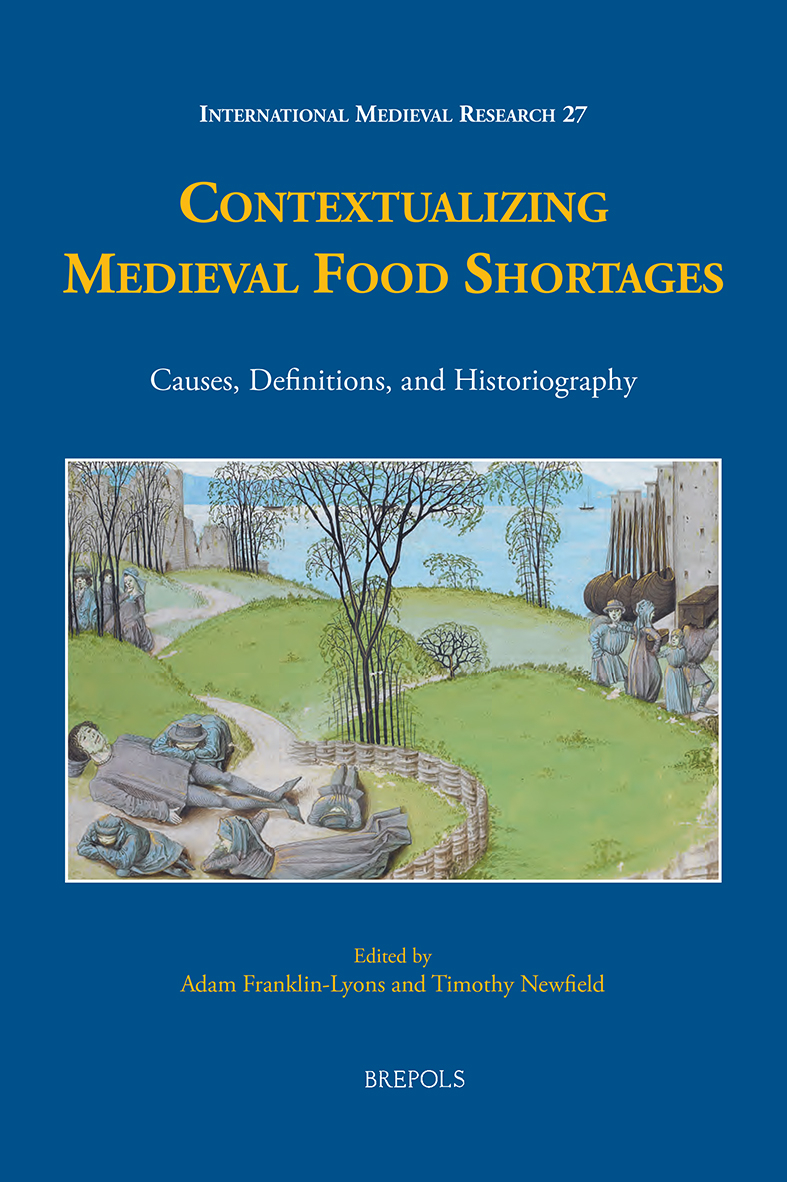
 Councils, Conflicts, Correspondence
Urban Diplomacy in Reval (Tallinn) and Lübeck (c. 1470–1570)
Volume 67


 Drunk the Potion, No Whit Charmed
The Doctrine of Pure and Perfect Souls from Iamblichus to Damascius


 Epiphanies of the Divine in the Septuagint and the New Testament
Fifth International Symposium of the Corpus Judaeo-Hellenisticum Novi Testamenti (CJHNT), 14-17 May 2015, Nottingham

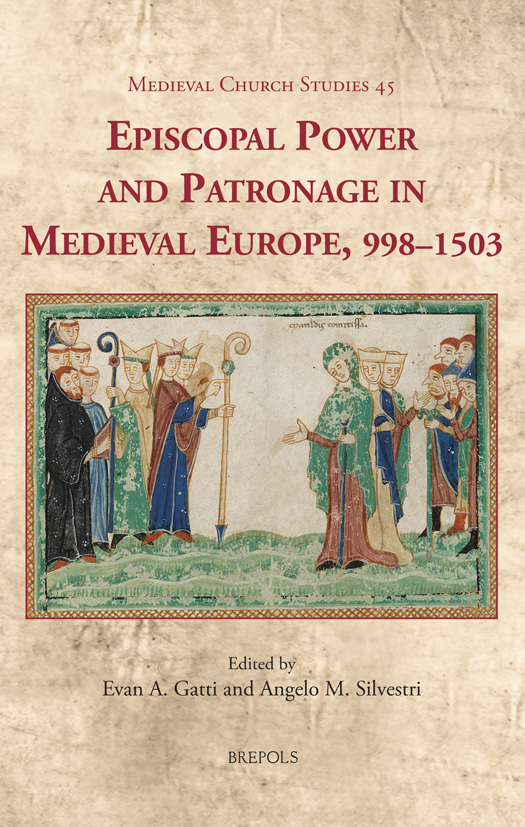


 Innovation and Medieval Communities
The Circulation of Ideas and Practices in and out of the Town (1200-1500)
Volume 63
Innovationes Lovanienses: Arts, Law and Theology at the University of Louvain (1425–1797)
Studium Lovaniense: Learning across Borders, 2
Volume 18
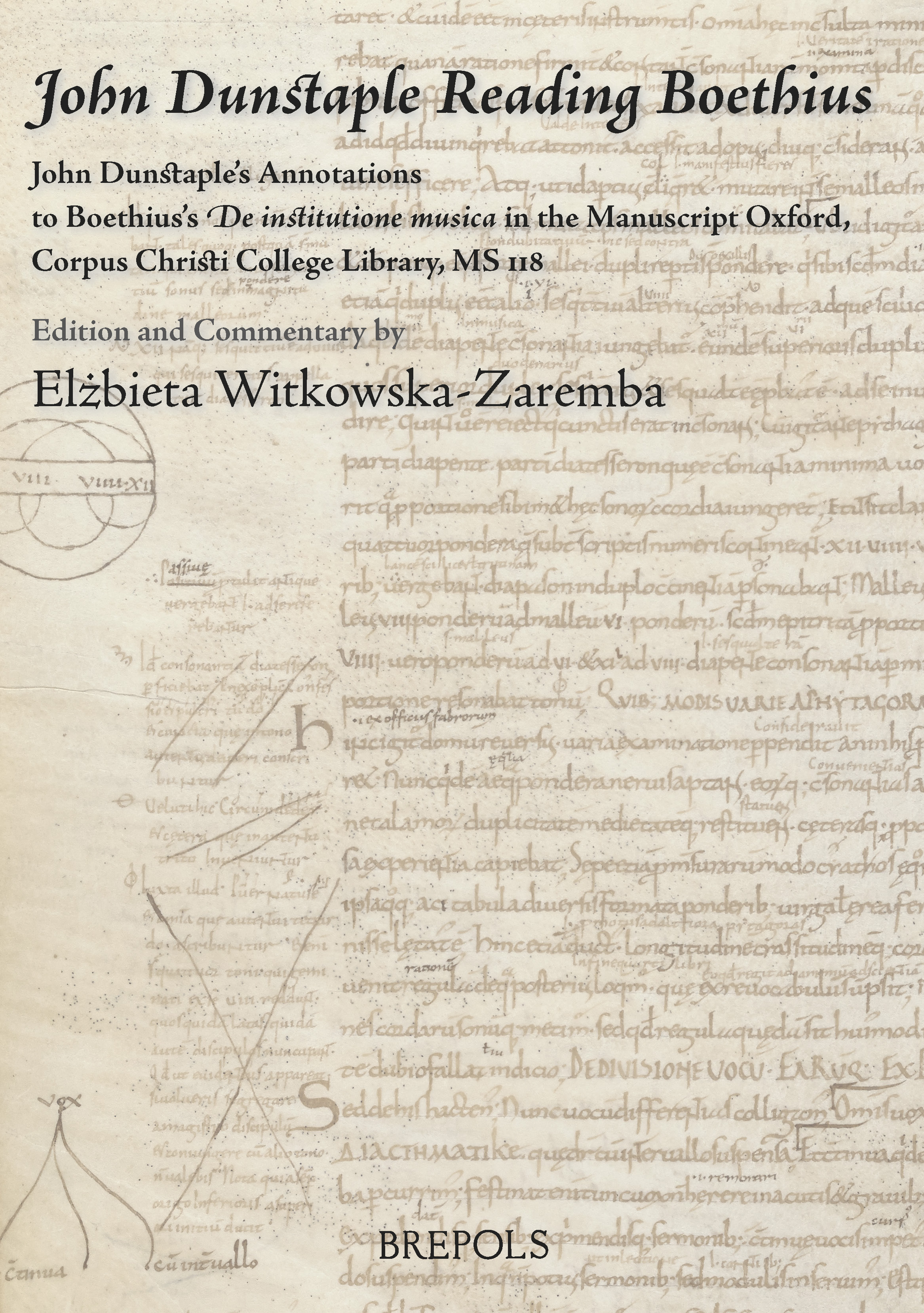 John Dunstaple Reading Boethius
John Dunstaple’s Annotations to Boethius’s “De institutione musica” in the Manuscript Oxford, Corpus Christi College Library, MS 118
 Language and Power in the Roman Empire and Early India
Hierarchy, Ambiguity, and the Art of Reading the Signs in Cosmopolitan Cultures
 Late Antique villae in the Balkans (3rd–7th c. AD): Current Research Questions and Perspectives
HAEMUS Companion to the Late Antique Balkans 1
Volume 4
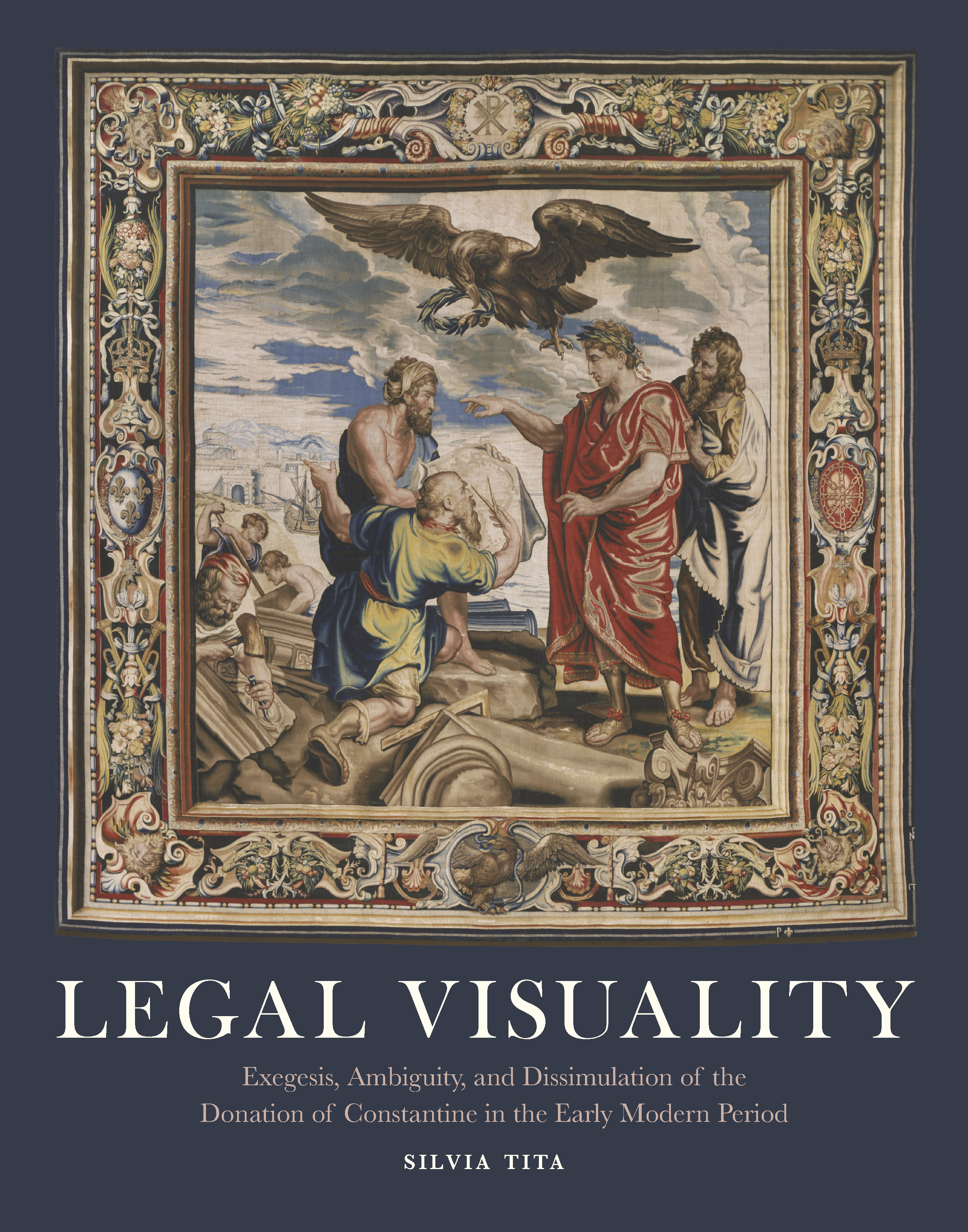 Legal Visuality
Exegesis, Ambiguity, and Dissimulation of the Donation of Constantine in the Early Modern Period
 Linguistic and Cultural Dynamics in a Frontier Society
New Perspectives on Northeastern Bavaria and Western Bohemia in the Early Middle Ages
Volume 9