
Gaspar van Weerbeke
New Perspectives on His Life and Music
Edited by Andrea Lindmayr-Brandl Edited by Paul Kolb

Gaspar van Weerbeke was one of the most successful Franco-Flemish musicians of the second half of the fifteenth century, holding prestigious positions in the Sforza court in Milan, the Burgundian court chapel, and the papal chapel in Rome. His compositions were widely transmitted in manuscript and print sources throughout Europe, and he was one of the best represented composers in the early Italian music prints of Ottaviano Petrucci. Despite the high esteem of his contemporaries, Gaspar has up to now played only a peripheral role in Renaissance music historiography. This book is the first collection of research articles dedicated exclusively to the life and works of Gaspar. While the basic facts of Gaspar’s life have long been known, the book fleshes out the details, presenting a more differentiated and complex picture of his biography. Analysis of a wide range of Gaspar’s compositional output leads to new interpretations of his approach to different genres: masses, motets, and motet cycles. His relatively small quantity of songs is revisited in light of the confusion-both then and now-over the meaning and validity of their attributions. This book seeks to promote further research on this composer and place him in his appropriate place in music history.
Gaspar van Weerbeke was one of the most successful Franco-Flemish musicians of the second half of the fifteenth century, holding prestigious positions in the Sforza court in Milan, the Burgundian court chapel, and the papal chapel in Rome. His compositions were widely transmitted in manuscript and print sources throughout Europe, and he was one of the best represented composers in the early Italian music prints of Ottaviano Petrucci. Despite the high esteem of his contemporaries, Gaspar has up to now played only a peripheral role in Renaissance music historiography. This book is the first collection of research articles dedicated exclusively to the life and works of Gaspar. While the basic facts of Gaspar’s life have long been known, the book fleshes out the details, presenting a more differentiated and complex picture of his biography. Analysis of a wide range of Gaspar’s compositional output leads to new interpretations of his approach to different genres: masses, motets, and motet cycles. His relatively small quantity of songs is revisited in light of the confusion-both then and now-over the meaning and validity of their attributions. This book seeks to promote further research on this composer and place him in his appropriate place in music history.
- Edited by Andrea Lindmayr-Brandl
- Edited by Paul Kolb
Other Titles in this Series

 Pietro Metastasio’s Operatic Storm
Texts and Musics for Didone abbandonata, Alessandro nell'Indie, Artaserse, Adriano in Siria, and Demofoonte
 Ludwig Senfl (c.1490-1543)
A Catalogue Raisonne of the Works and Sources: Vol. 1: Catalogue of the Works


 La musique en images
Instruments, voix et corps sonores dans les manuscrits enlumines (XIIIe-XVe siecles)


 Josquin and the Sublime
Proceedings of the International Josquin Symposium at Roosevelt Academy, Middelburg, 12-15 July 2009


Similar Books


 Balthasar Caymox of Nuremberg
Early Modern German Print Publishers: Popular Prints of the Seventeenth Century
 Beyond Sovereign Courts
Agents and Practices in Early Modern Spanish and Habsburg Diplomacy
Volume 3


 Circulation, Use, Impact
The Consumption of Architectural Books in the Early Modern Eastern Adriatic
Volume 1


 Councils, Conflicts, Correspondence
Urban Diplomacy in Reval (Tallinn) and Lübeck (c. 1470–1570)
Volume 67


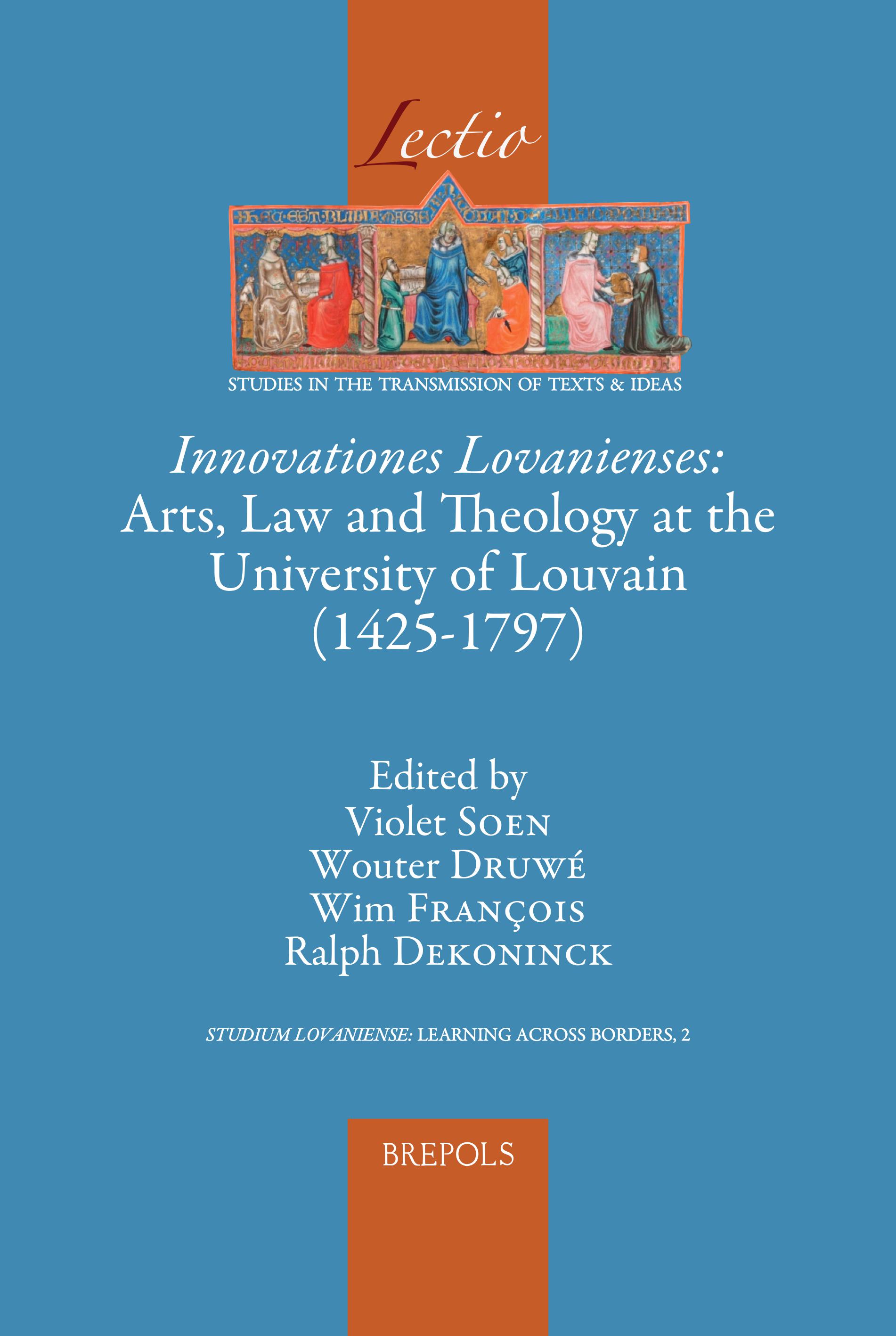 Innovationes Lovanienses: Arts, Law and Theology at the University of Louvain (1425–1797)
Studium Lovaniense: Learning across Borders, 2
Volume 18

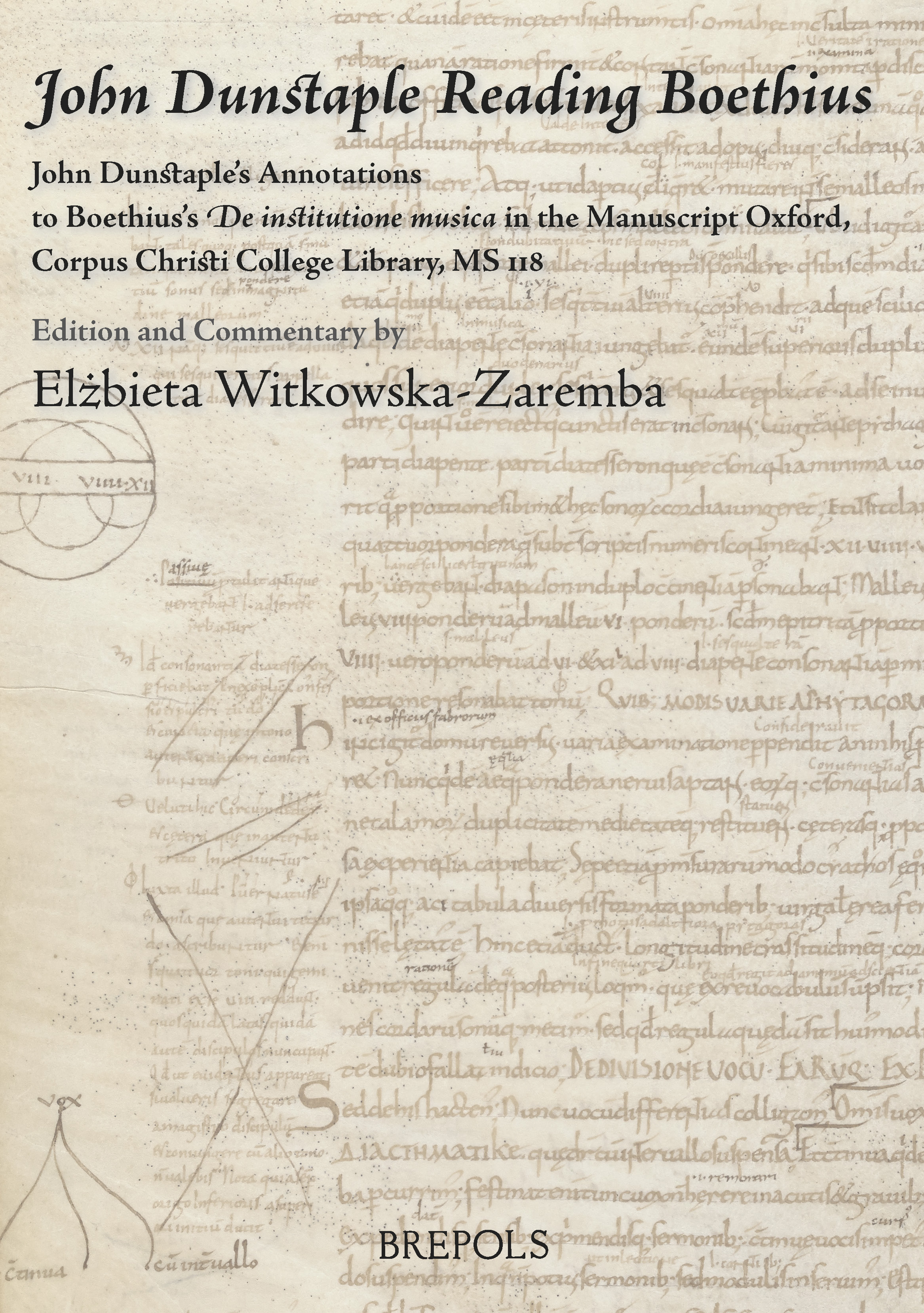 John Dunstaple Reading Boethius
John Dunstaple’s Annotations to Boethius’s “De institutione musica” in the Manuscript Oxford, Corpus Christi College Library, MS 118
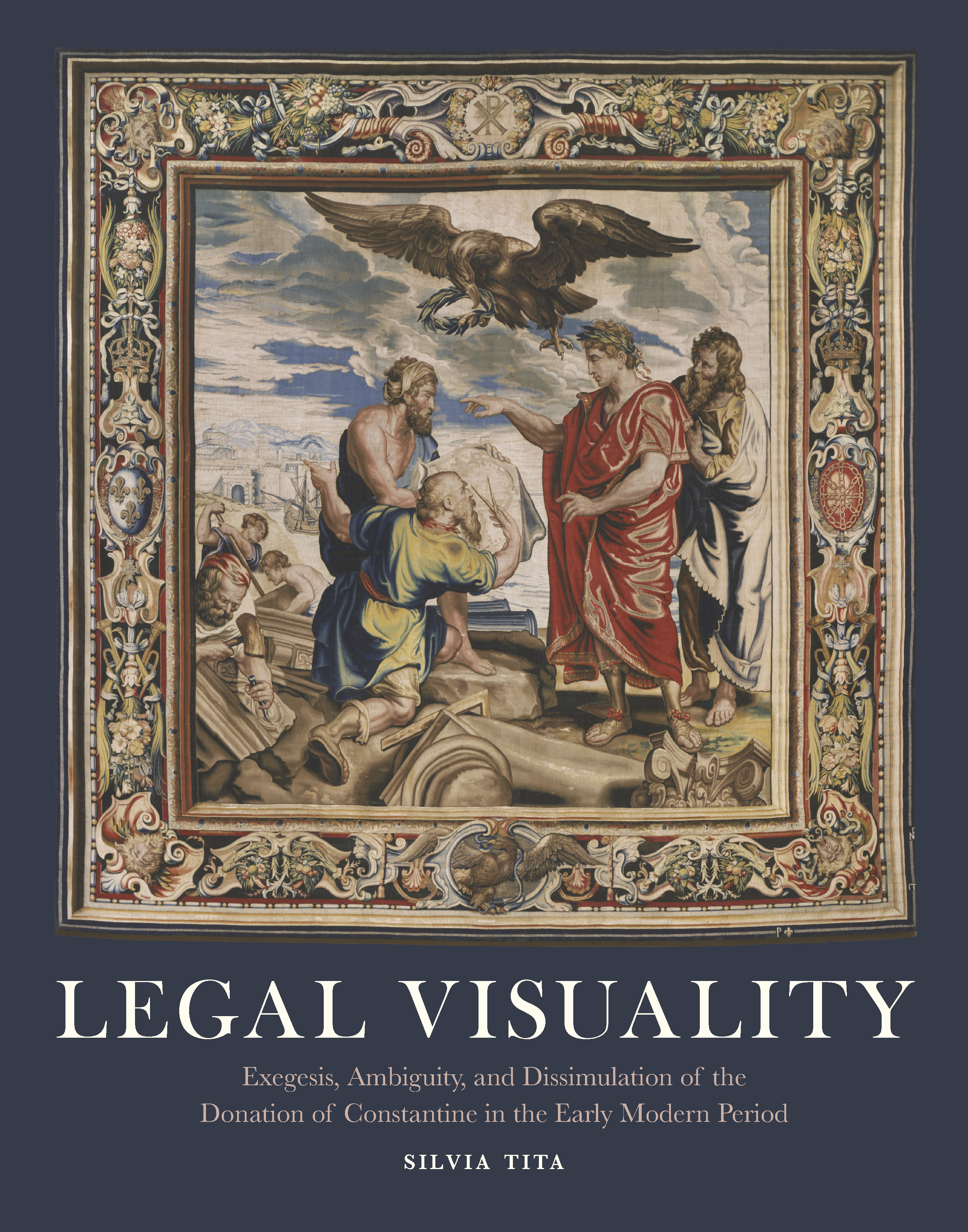 Legal Visuality
Exegesis, Ambiguity, and Dissimulation of the Donation of Constantine in the Early Modern Period
 Music and Colonialism in Fascist Italy
Identity, Propaganda, and Ethnographic Representation
Volume 13



 Naples as Laboratory / Laboratorium Neapel
Style Options, Artistic Rivalry and Self Fashioning in Neapolitan Baroque Painting / Plurale Stilbildung, Kunstlerkonkurrenz und Self Fashioning in der neapolitanischen Barockmalerei


 Power and Women in Southeast and Central Europe in Late Medieval and Early Modern Period (1300-1600)
Volume 10


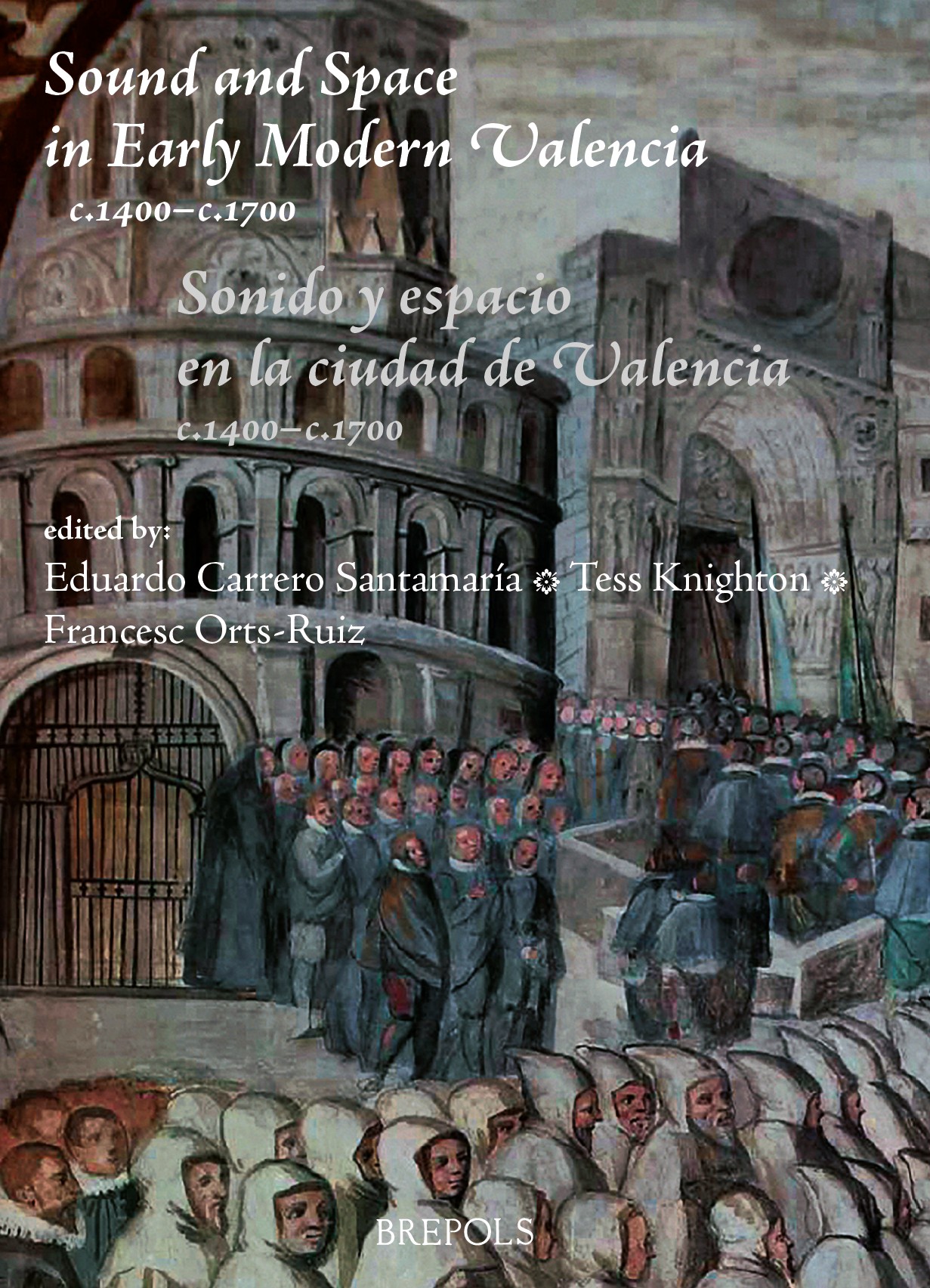

 Staging the Spectacle of Majesty
Ceremonial, Courtly Space, and Collecting under the Spanish Habsburgs
Volume 9
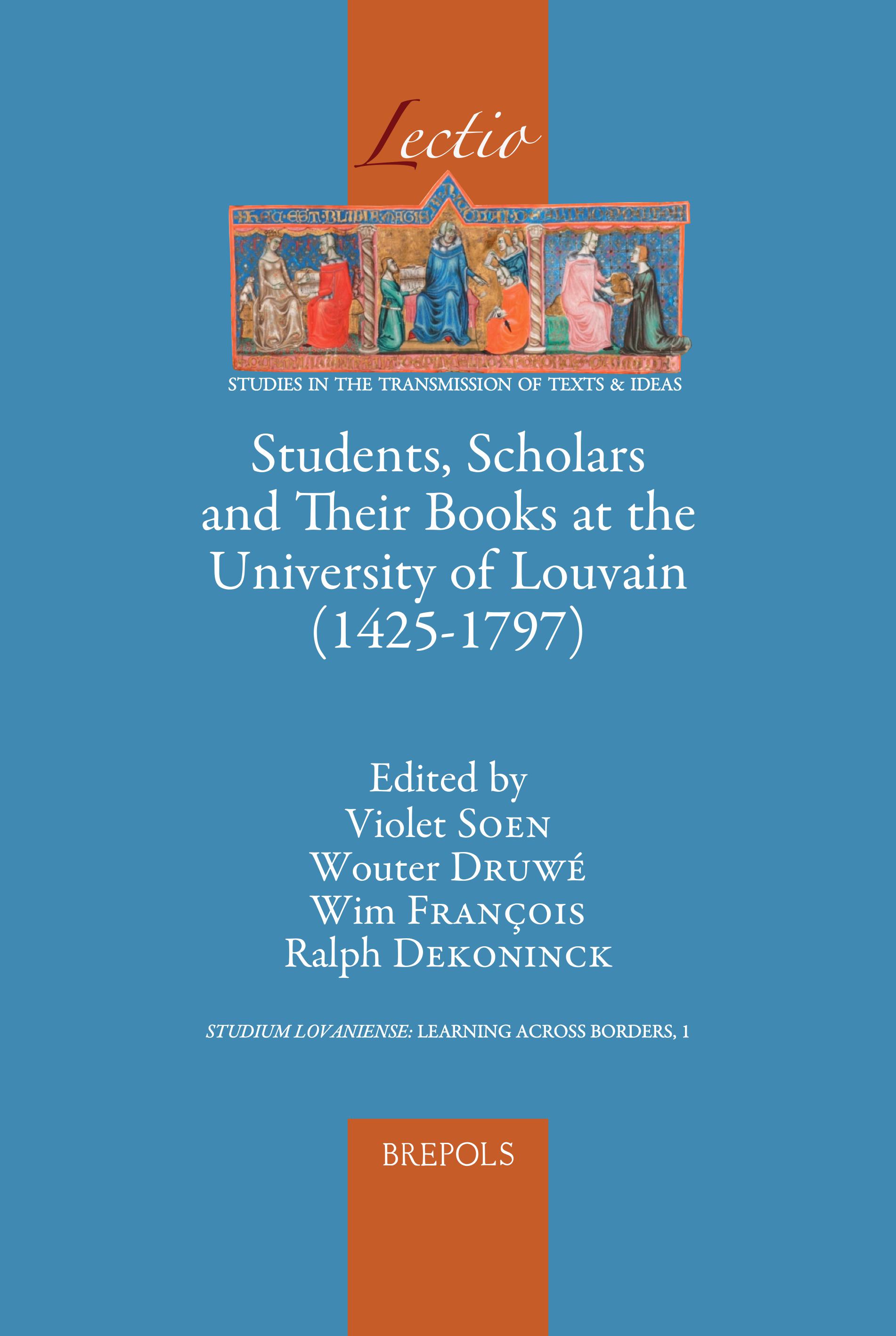 Students, Scholars and Their Books at the University of Louvain (1425-1797)
Studium Lovaniense: Learning across Borders, 1
Volume 17

