
The Queen Danced Alone
Court Ballet in Sweden during the Reign of Queen Christina (1638-1654)
By (author) Stefano Fogelberg Rota

Queen Christina of Sweden danced herself in the ballets she promoted. From the beginning of her personal rule until her abdication (1644-1654) court ballet was Christina’s privileged medium of political propaganda. The Queen Danced Alone is the first monograph on court ballet during Christina’s reign that offers an in-depth analysis
Queen Christina of Sweden danced herself in the ballets she promoted. From the beginning of her personal rule until her abdication (1644-1654) court ballet was Christina’s privileged medium of political propaganda. The Queen Danced Alone is the first monograph on court ballet during Christina’s reign that offers an in-depth analysis of all extant libretti and performances. Based on unstudied and unpublished sources The Queen Danced Alone offers a survey of participants in the production and performances – authors, dancers, musicians, artists – as well as the arts involved: dance, music, poetry, set design and costumes. Christina’s patronage is especially evident in the heroic motives of the ballets. Her self-fashioning through the parts of the goddesses Diana and Pallas mirrored her role as a young, unmarried and learned monarch and aimed at liberating her from the expectation of providing an heir to the throne. The praise of virtues such as self-control and chastity represented her as a superior being devoted to wisdom. Christina’s ballets supported her most important aim: independence.
- By (author) Stefano Fogelberg Rota
Other Titles in this Series


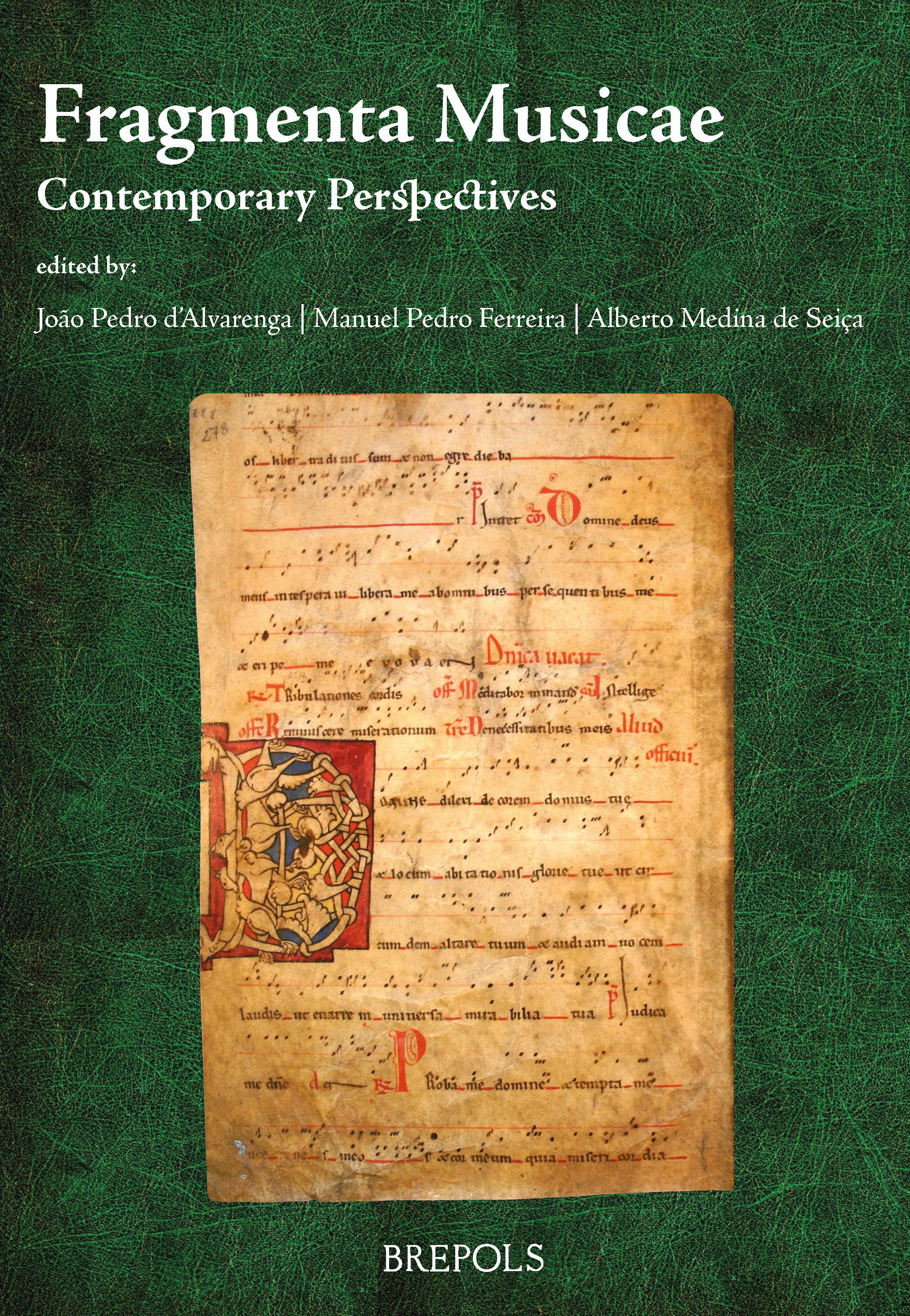


 Christophe Ballard, imprimeur-libraire en musique sous Louis XIV
Avec un inventaire des editions des Ballard de 1672 a 1715


 Ludwig Senfl (c.1490-1543)
A Catalogue Raisonne of the Works and Sources: Volume 2: Catalogue of the Sources Abbreviations, Bibliography and Indexes

 Le Metier du maitre de musique d’Eglise du XVIe siecle au debut du XIXe
Activites, sociologie, carrieres



 The Production and Reading of Music Sources
Mise-en-page in manuscripts and printed books containing polyphonic music, 1480-1530


 Music and the Identity Process
The National Churches of Rome and their Networks in the Early Modern Period
 A Late Medieval Songbook and its Context
New Perspectives on the Chantilly Codex (Bibliotheque du Chateau de Chantilly, Ms. 564)


Similar Books


 Balthasar Caymox of Nuremberg
Early Modern German Print Publishers: Popular Prints of the Seventeenth Century


 Beyond Sovereign Courts
Agents and Practices in Early Modern Spanish and Habsburg Diplomacy
Volume 3



 Circulation, Use, Impact
The Consumption of Architectural Books in the Early Modern Eastern Adriatic
Volume 1


 Councils, Conflicts, Correspondence
Urban Diplomacy in Reval (Tallinn) and Lübeck (c. 1470–1570)
Volume 67


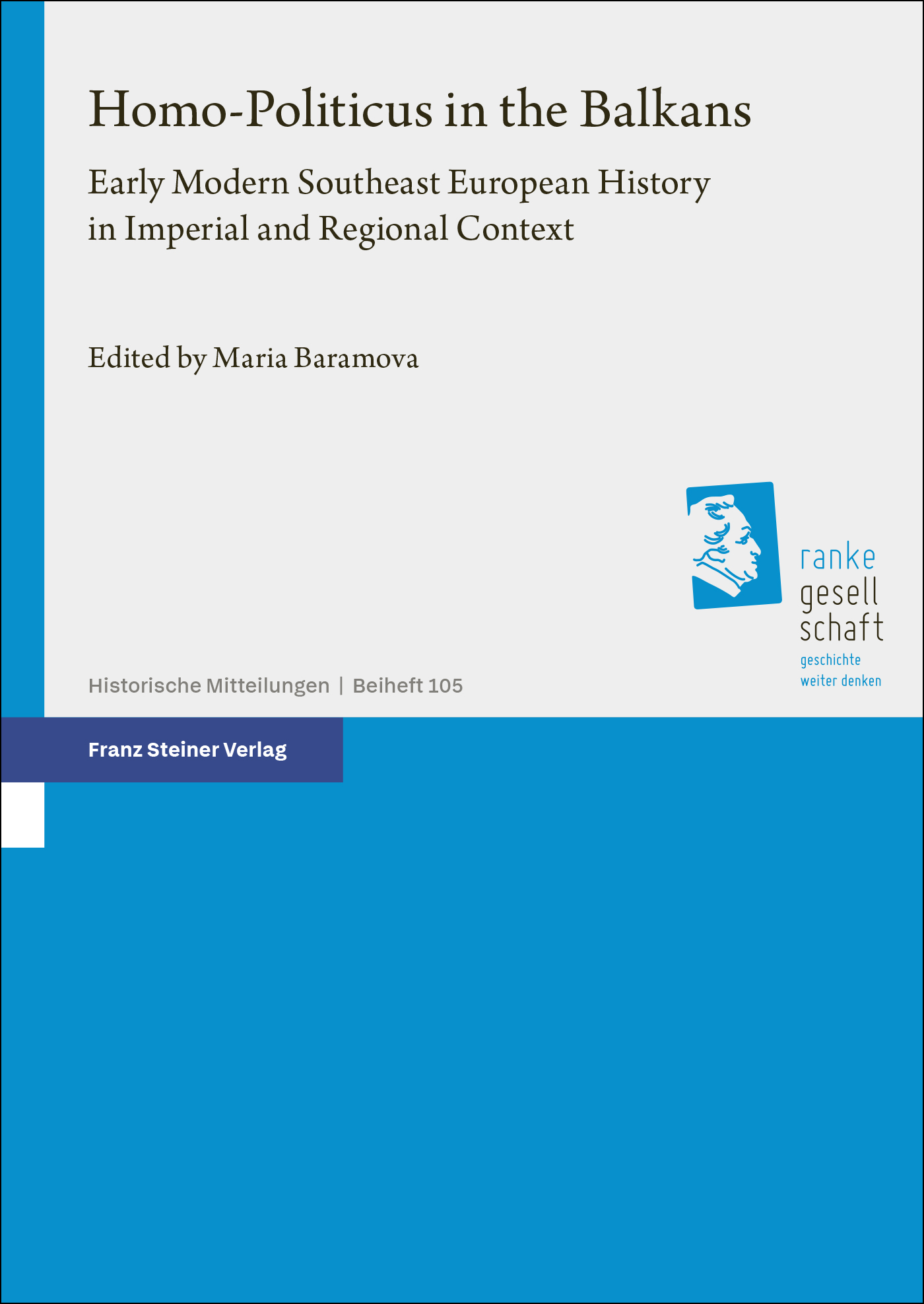 Homo-Politicus in the Balkans
Early Modern Southeast European History in Imperial and Regional Context


 Innovationes Lovanienses: Arts, Law and Theology at the University of Louvain (1425–1797)
Studium Lovaniense: Learning across Borders, 2
Volume 18

 John Dunstaple Reading Boethius
John Dunstaple’s Annotations to Boethius’s “De institutione musica” in the Manuscript Oxford, Corpus Christi College Library, MS 118
 Legal Visuality
Exegesis, Ambiguity, and Dissimulation of the Donation of Constantine in the Early Modern Period
 Music and Colonialism in Fascist Italy
Identity, Propaganda, and Ethnographic Representation
Volume 13



 Naples as Laboratory / Laboratorium Neapel
Style Options, Artistic Rivalry and Self Fashioning in Neapolitan Baroque Painting / Plurale Stilbildung, Kunstlerkonkurrenz und Self Fashioning in der neapolitanischen Barockmalerei


