
Venice, Schiavoni and the Dissemination of Early Modern Music
A Companion to Ivan Lukacic
Edited by Ennio Stipcevic Edited by Vito Balic Edited by Vincent Besson

Paperback (Published)
(August 2022)
ISBN: 9782503601953
7.01 x 9.96 inches
Price: $75.00
In stock
Ivan Lukacic (born around 1585, died in 1648), composer, Conventual Franciscan, long-time “maestro di cappella” of the cathedral in Split, is a typical “hero” of local historiography. As early as 1935, the Croatian-American musicologist Dragan Plamenac (real name Karl Siebenschein) prepared a selection from the only known collection of Lukacic’s compositions, the Sacrae cantiones (Venice, 1620). In the same year, Plamenac introduced Croatian Renaissance and Baroque music to the local audience for the first time at a concert held at the Croatian Music Institute. In the aftermath of Plamenac’s emigration to the USA in 1939, it took several decades for new archival, stylistic, interdisciplinary, and international research in Croatian musicology to take place. Despite the availability of earlier material as well as contemporary musical publications of Luka?i?’s work (J. Andreis, Zagreb, 1970; E. Stipcevic, Padua, 1986), it is not an exaggeration to say that Lukacic still remains unknown internationally. For many years, a number of studies of Lukacic and the music of his contemporaries from the “other, eastern coast of the Adriatic” published almost exclusively in Croatian and thus the international professional public had very limited access to them. This collection of studies dedicated to Lukacic and to the musical and cultural contacts between the two Adriatic coasts is the first volume to be published in both English and Italian. The echoes of the contacts between Italy and Croatia reached the Royal Palace in Portugal, shops selling printed music in Denmark and church archives in Slovenia and Poland. The aim of this book is to follow the traces of that cultural dissemination.
Ivan Lukacic (born around 1585, died in 1648), composer, Conventual Franciscan, long-time “maestro di cappella” of the cathedral in Split, is a typical “hero” of local historiography. As early as 1935, the Croatian-American musicologist Dragan Plamenac (real name Karl Siebenschein) prepared a selection from the only known collection of Lukacic’s compositions, the Sacrae cantiones (Venice, 1620). In the same year, Plamenac introduced Croatian Renaissance and Baroque music to the local audience for the first time at a concert held at the Croatian Music Institute. In the aftermath of Plamenac’s emigration to the USA in 1939, it took several decades for new archival, stylistic, interdisciplinary, and international research in Croatian musicology to take place. Despite the availability of earlier material as well as contemporary musical publications of Luka?i?’s work (J. Andreis, Zagreb, 1970; E. Stipcevic, Padua, 1986), it is not an exaggeration to say that Lukacic still remains unknown internationally. For many years, a number of studies of Lukacic and the music of his contemporaries from the “other, eastern coast of the Adriatic” published almost exclusively in Croatian and thus the international professional public had very limited access to them. This collection of studies dedicated to Lukacic and to the musical and cultural contacts between the two Adriatic coasts is the first volume to be published in both English and Italian. The echoes of the contacts between Italy and Croatia reached the Royal Palace in Portugal, shops selling printed music in Denmark and church archives in Slovenia and Poland. The aim of this book is to follow the traces of that cultural dissemination.
- Edited by Ennio Stipcevic
- Edited by Vito Balic
- Edited by Vincent Besson
Other Titles in this Series


 Christophe Ballard, imprimeur-libraire en musique sous Louis XIV
Avec un inventaire des editions des Ballard de 1672 a 1715

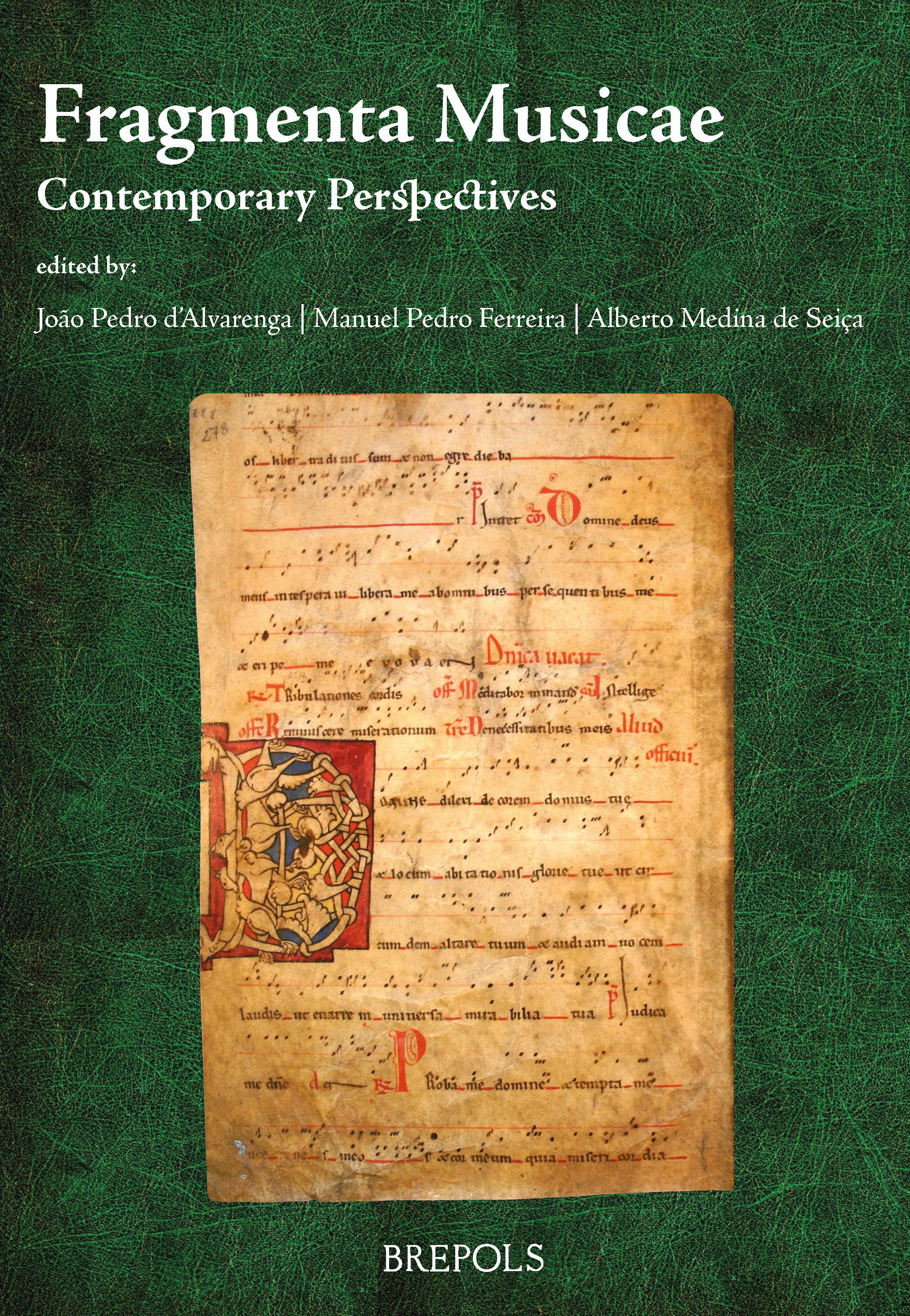
 Ludwig Senfl (c.1490-1543)
A Catalogue Raisonne of the Works and Sources: Volume 2: Catalogue of the Sources Abbreviations, Bibliography and Indexes

 Le Metier du maitre de musique d’Eglise du XVIe siecle au debut du XIXe
Activites, sociologie, carrieres


 The Production and Reading of Music Sources
Mise-en-page in manuscripts and printed books containing polyphonic music, 1480-1530


 Music and the Identity Process
The National Churches of Rome and their Networks in the Early Modern Period



 Ludwig Senfl (c.1490-1543)
A Catalogue Raisonne of the Works and Sources: Vol. 1: Catalogue of the Works


 A Late Medieval Songbook and its Context
New Perspectives on the Chantilly Codex (Bibliotheque du Chateau de Chantilly, Ms. 564)
 La musique en images
Instruments, voix et corps sonores dans les manuscrits enlumines (XIIIe-XVe siecles)

Similar Books


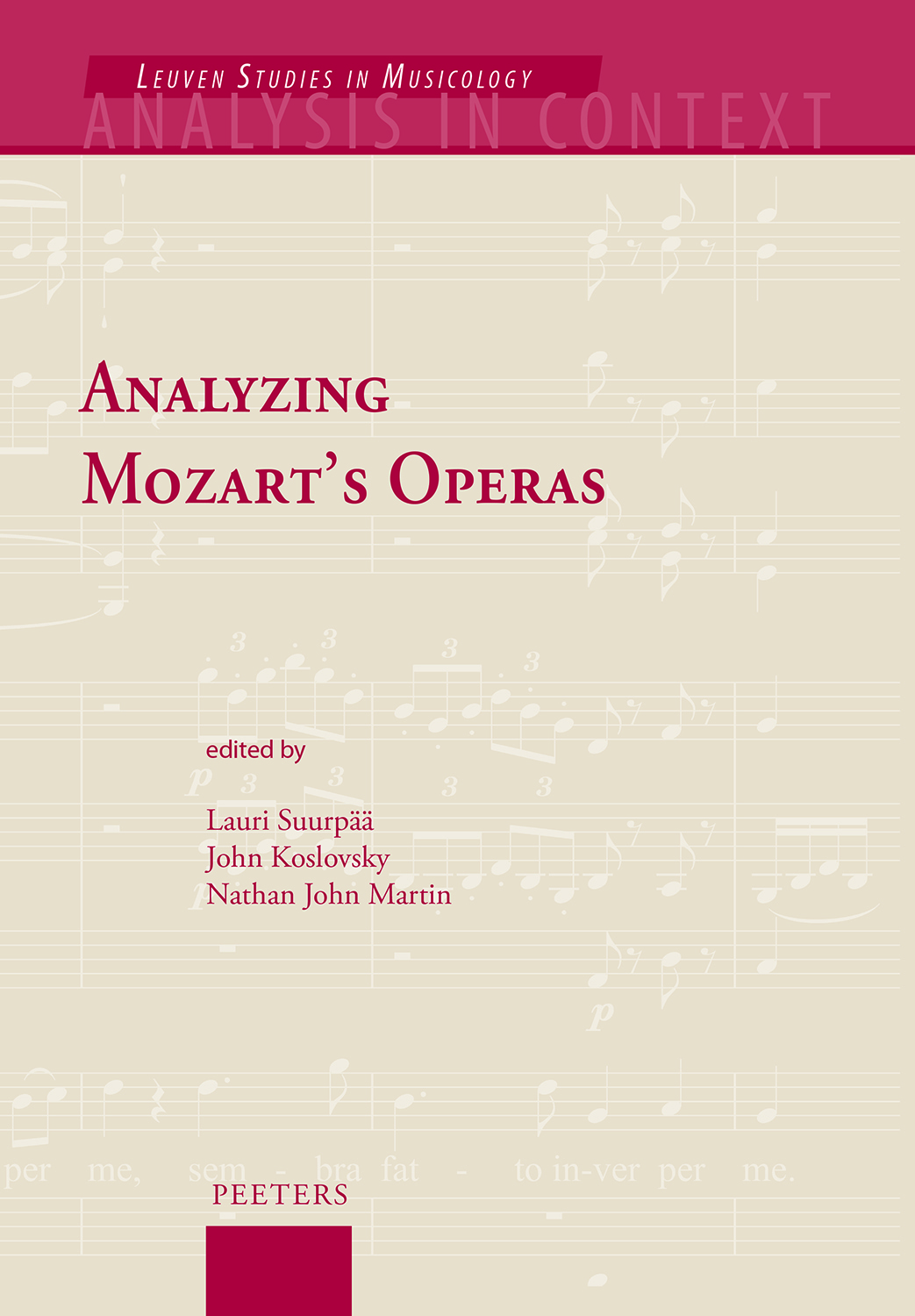
 Balthasar Caymox of Nuremberg
Early Modern German Print Publishers: Popular Prints of the Seventeenth Century


 Beyond Sovereign Courts
Agents and Practices in Early Modern Spanish and Habsburg Diplomacy
Volume 3



 Circulation, Use, Impact
The Consumption of Architectural Books in the Early Modern Eastern Adriatic
Volume 1


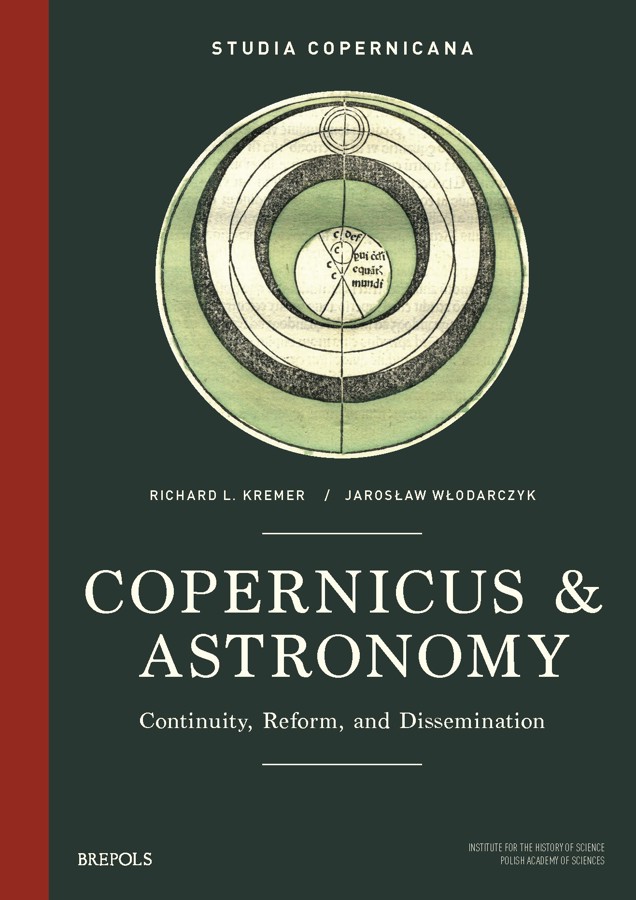
 Councils, Conflicts, Correspondence
Urban Diplomacy in Reval (Tallinn) and Lübeck (c. 1470–1570)
Volume 67


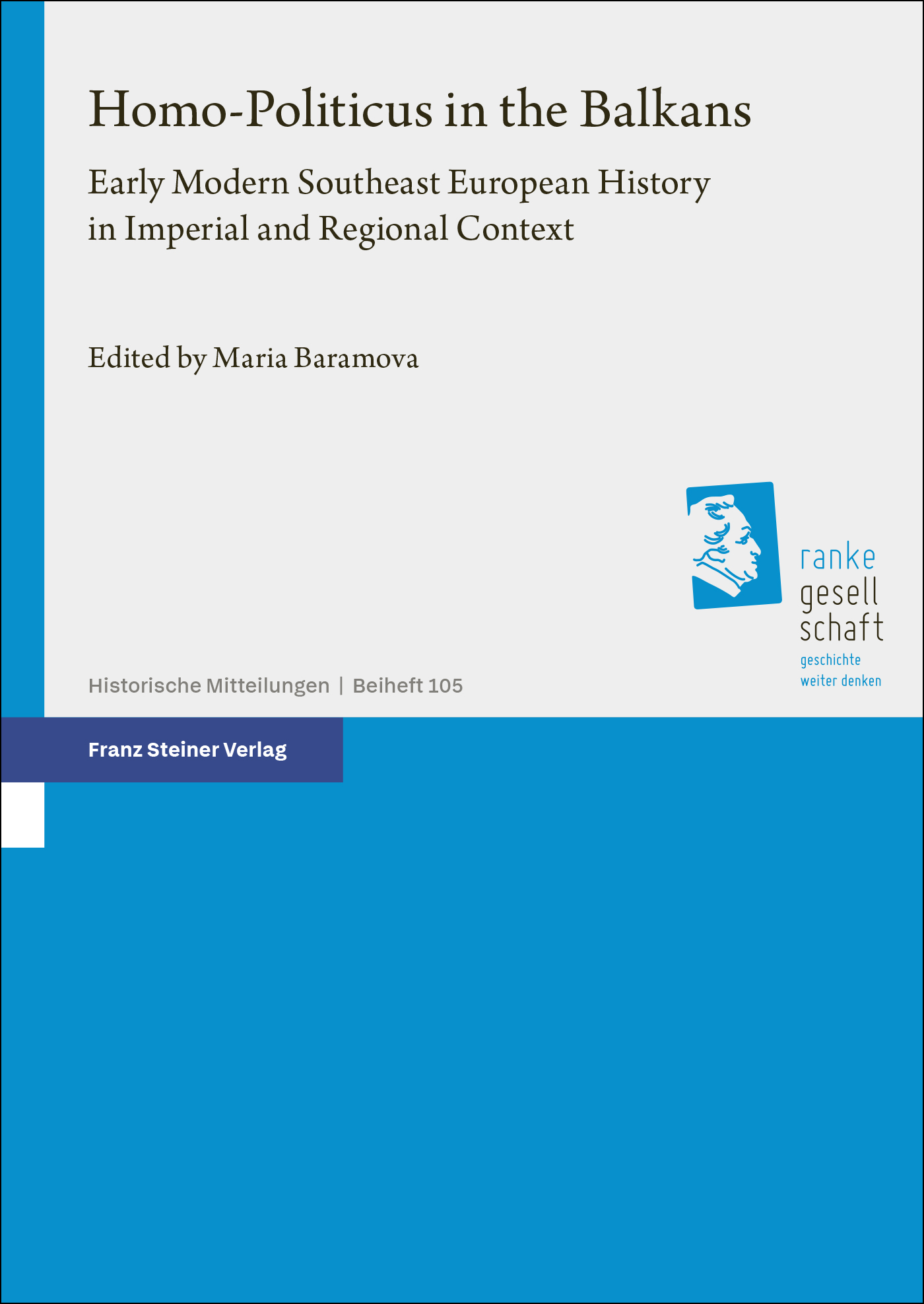 Homo-Politicus in the Balkans
Early Modern Southeast European History in Imperial and Regional Context


 Innovationes Lovanienses: Arts, Law and Theology at the University of Louvain (1425–1797)
Studium Lovaniense: Learning across Borders, 2
Volume 18

 John Dunstaple Reading Boethius
John Dunstaple’s Annotations to Boethius’s “De institutione musica” in the Manuscript Oxford, Corpus Christi College Library, MS 118
 Legal Visuality
Exegesis, Ambiguity, and Dissimulation of the Donation of Constantine in the Early Modern Period
 Music and Colonialism in Fascist Italy
Identity, Propaganda, and Ethnographic Representation
Volume 13



 Naples as Laboratory / Laboratorium Neapel
Style Options, Artistic Rivalry and Self Fashioning in Neapolitan Baroque Painting / Plurale Stilbildung, Kunstlerkonkurrenz und Self Fashioning in der neapolitanischen Barockmalerei


