
Dionysius bar Salibi. A Response to the Arabs
V.
By (author) J.P. Amar

Dionysius bar Salibi’s apologetic treatise, A Response to the Arabs, is the longest and most comprehensive dispute text with Muslims that exists in Syriac. Its main purpose is to acquaint the reader with the essential facts pertaining to Islam and to provide apologetic arguments intended to refute the challenges of Islam to the Christian faith. What sets Bar Salibi’s treatise apart from other Syriac dispute texts is the information it contains concerning the history and doctrinal development of Islam. The first two discourses deal with the prophet Muhammad, the emergence of Islam, the Qurian, and the origins and characteristics of the main Islamic schools of thought. The central beliefs of the Christian faith are explained and defended. The third discourse (chapters 25-30) is made up of the most extensive collection of quotations from the Qurian translated into Syriac that exists in any known Syriac dispute text. A parallel column contains Bar Salibi’s observations and refutations.
- By (author) J.P. Amar
Other Titles in this Series

 Vie et conduite des Bienheureux Justes-nus et de notre saint Père Zosime: trois traductions géorgiennes
V.
Volume 687, 26
 Dionigi Areopagita. Nomi divini, teologia mistica, epistole
La versione siriaca di Sergio di Res'ayna (VI secolo). V.
Volume 657, 253

 Kirakos Ganjakec’i (XIIIe siècle). Histoire d’Arménie
Traduction, introduction et notes
Volume 696, 144
 Das koptisch hagiographische Dossier des Heiligen Kolluthos
Arzt, Märtyrer und Wunderheiler
Volume 650, 132
 La version arménienne ancienne des homélies sur les «Actes des Apôtres» de Jean Chrysostome. Homélies I, II, VII, VIII
T.
Volume 607, 27


 Histoire de Mar Abba, catholicos de l’Orient. Martyres de Mar Grigor, général en chef du roi Khusro Ier et de Mar Yazd-panah, juge et gouverneur
T.
Volume 658, 254


 Arméniens et Byzantins à l’époque de Photius: Deux débats théologiques après le Triomphe de l’Orthodoxie
Volume 609, 117

 Catalogue of Syriac and Garshuni Manuscripts
Manuscripts Owned by the Iraqi Department of Antiquities and Heritage
Volume 639, 126

 Analecta Hymnica Coptica
Bohairic Hymns for the Liturgical Year from Medieval Chant Manuscripts
Volume 705, 56

 Histoire de Mar Abba, catholicos de l’Orient. Martyres de Mar Grigor, général en chef du roi Khusro Ier et de Mar Yazd-panah, juge et gouverneur
V.
Volume 659, 255
 Saint Basil of Caesarea and Armenian Cosmology
A Study of the Armenian Version of Saint Basil's Hexaemeron and its Influence on Medieval Armenian Views about the Cosmos
Volume 646, 130


 Das Berliner “Koptische Buch” (P20915). Eine wieder hergestellte frühchristlich-theologische Abhandlung
T.
Volume 610, 49


Similar Books
 ‘For You I Study, For You I Work, For You I Live, For You I Am Ready To Even Give My Life’
Essays in Honour of Francis (Frank) J Moloney, SDB

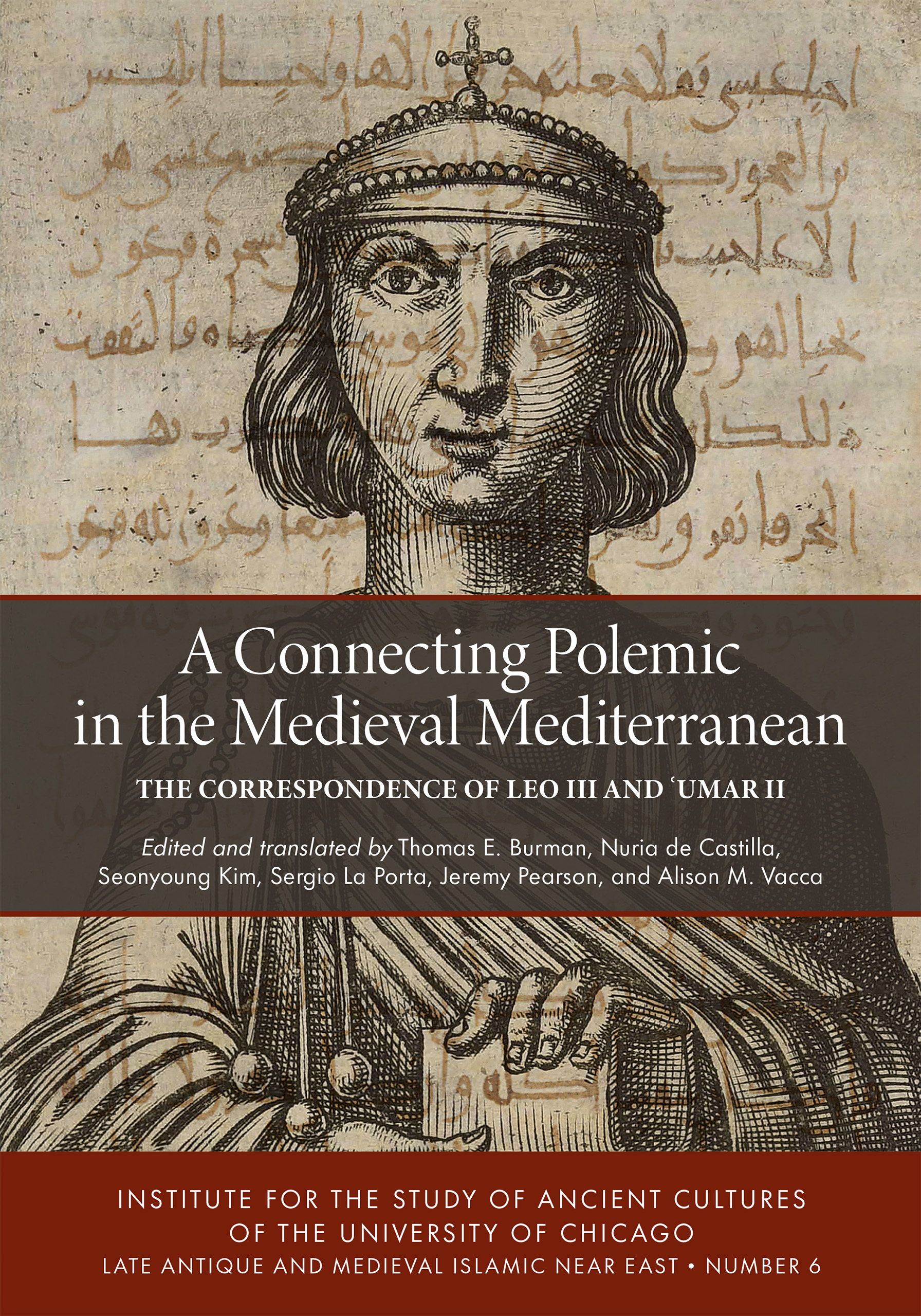 A Connecting Polemic in the Medieval Mediterranean
The Correspondence of Leo III and ʿUmar II
Volume 6




 Ars Prophetica
Theology in the Poetry of Twentieth-Century Hebrew Poets Avraham Halfi, Shin Shalom, Amir Gilboa, and T. Carmi
 As Messianism Turns to Heresy
The Regenstein Chair Lectures On Lurianic Kabbalah and Shabbatai Tzevi at Hebrew Union College - Cincinnati


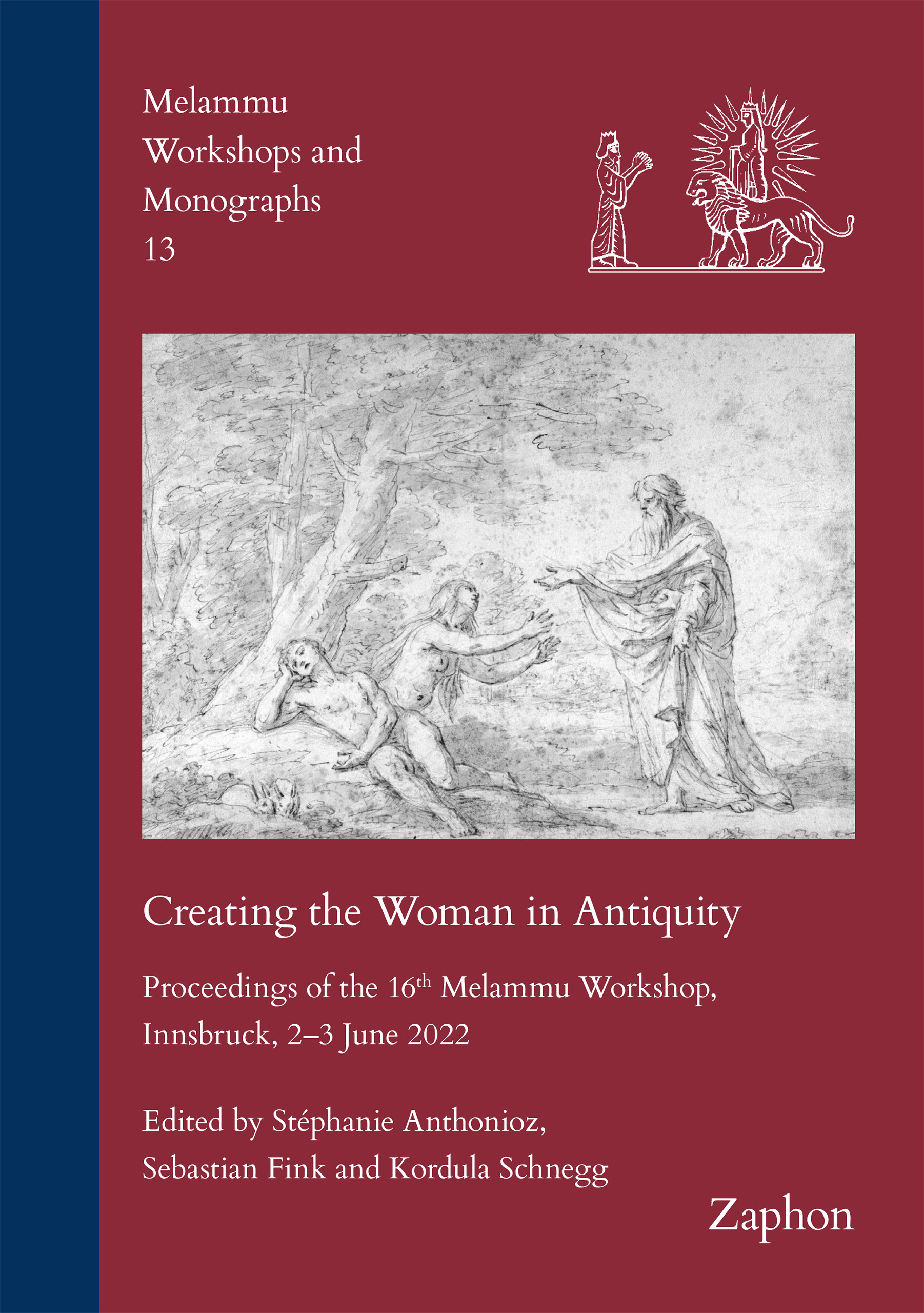 Creating the Woman in Antiquity
Proceedings of the 16th Melammu Workshop, Innsbruck, 2–3 June 2022
Volume 13
 Des mots aux actes
Traduction épistémique et littéraire. Nouvelles tendances en histoire et didactique
Volume 15


 Drunk the Potion, No Whit Charmed
The Doctrine of Pure and Perfect Souls from Iamblichus to Damascius



 Extracanonical Traditions and the Holy Land
Texts, Rituals, and Material Culture in Late Antique Palestine
 Fear, Fear of God, God-Fearers
Philological and Historical Perspectives on the World of Ancient Judaism and Christianity


