
Die Beduinen der Mamluken
Beduinen im politischen Leben Ägyptens im 8./14. Jahrhundert
By (author) Sarah Büssow-Schmitz

Hardback (Published)
(March 2016)
ISBN: 9783954901395
6.69 x 9.49 inches
Price: $68.00
In stock
English summary: During the fourteenth century, the Bedouins (‘arab) of Egypt experienced a significant increase in power. The Bedouins were the group with the largest military and political power in the Mamluk Empire, after the ruling Mamluks themselves. This study offers the first comprehensive overview on Bedouin groups in politics and society of Mamluk Egypt with a focus on the ambivalent relationship between Bedouin and Mamluk representatives. What characterised the Bedouins way of life during this period, how were they perceived by the urban elites and how did the Bedouin-Mamluk-relationship change over time? These are the main questions this study deals with. In doing so, it focuses on the symbolic communication between Mamluks and Bedouins. It is shown that both groups used a common repertoire of rules, gestures and institutions that were essential to negotiating, shaping and adjusting their relations. German description: Im 14. Jahrhundert erfuhren die Beduinen (‘arab) in Agypten einen deutlichen Machtzuwachs. Nach der herrschenden Gruppe der Mamluken waren die Beduinen allgemein diejenige Bevolkerungsgruppe, die die grosste militarische und politische Macht auf sich vereinte. Diese Studie ist die erste systematische Darstellung der ambivalenten Beziehungen zwischen Mamluken und Beduinen in dieser Periode. Sie analysiert die sozialen und wirtschaftlichen Verhaltnisse von Beduinengruppen in den unterschiedlichen Landschaften Agyptens. Was kennzeichnet die Lebensweise der Beduinen dieser Zeit, wie wurden sie von den Mamluken und den arabischen Chronisten der Zeit wahrgenommen und wie veranderte sich ihre Beziehung zu den Herrschern des Landes uber die Zeit? Dies sind einige der Fragen, die in diesem Buch besprochen werden. Der Fokus liegt dabei auf der symbolischen Kommunikation zwischen Beduinen und Mamluken. Es wird gezeigt, dass beide Gruppen sich dabei aus einem gemeinsamen Repertoire an Regeln, Gesten und Institutionen bedienten, mit denen sie ihr Verhaltnis immer wieder neu aushandelten und justierten.
Sarah Bussow-Schmitz Born 1981 in Munster, 2001-2008 study of Middle Eastern Studies and History at Martin-Luther University Halle, PhD in 2014, research stays throughout the Middle East. Current research topics: Cultural history of German diplomacy in the late Ottoman Empire.
- By (author) Sarah Büssow-Schmitz
Other Titles in this Series
 Arms and Armour as Indicators of Cultural Transfer
The Steppes and the Ancient World from Hellenistic Times to the Early Middle Ages
 Nomadische Ressourcennutzung und Existenzsicherung im Umbruch
Die osttibetische Region Yushu (Qinghai, VR China)

 Vom Beutezug zur Territorialherrschaft
Das lange Jahrhundert des Aufstiegs von Nomaden zur Vormacht in Syrien und Mesopotamien 286 bis 420 / 889 bis 1029. Beduinische Gruppen in mittelislamischer Zeit I

 Der imaginierte Nomade
Formel und Realitätsbezug bei antiken, mittelalterlichen und arabischen Autoren


 Raum – Landschaft – Territorium
Zur Konstruktion physischer Räume als nomadischer und sesshafter Lebensraum


 Die Kujuji-Stiftungen in Tabriz
Ein Beitrag zur Geschichte der Jalayiriden (Edition, Übersetzung, Kommentar)


 Pastoréalismes
Anthropologie historique des processus d’intégration chez les Kirghiz du Tian Shan intérieur


Similar Books

 As Messianism Turns to Heresy
The Regenstein Chair Lectures On Lurianic Kabbalah and Shabbatai Tzevi at Hebrew Union College - Cincinnati

 Beyond Sovereign Courts
Agents and Practices in Early Modern Spanish and Habsburg Diplomacy
Volume 3


 Cities through Time
Glimpses into Urbanity and Community in Mediaeval to Modern West Asia and Egypt
Volume 1

 Cuneiform Artefacts from Archaeological Contexts: New Research on Ancient Iraq
Proceedings of a Conference Held at the Bavarian Academy of Sciences and Humanities, July 4–5, 2024
Volume 2




 Food Security under Armed Conflict
Global Knowledge Landscape and Public Attention to Social, Economic, and Humanitarian Dimensions


 From the Frontiers of the Empire to the Borders of the Nations
Borderland Security and Safety in the (post-)Ottoman Spaces (1700–1939)
 Global Gulf
Geo-Economic, Geo-Political, and Geo-Technological Transformation in Saudi Arabia, the United Arab Emirates, and Qatar

 Innovationes Lovanienses: Arts, Law and Theology at the University of Louvain (1425–1797)
Studium Lovaniense: Learning across Borders, 2
Volume 18

 Islamic Rituals Beyond the Mosque
Historical Evolution of Prayer and Devotion in Physical Space and Cyberspace
 Ismail Hakki Bursevi’s translation of and commentary on Fusus al-Hikam By Muhyiddin Ibn ‘Arabi
Volumes 1-4


 Monastic Manuscripts from the Eastern Mediterranean (Sinai, Jerusalem, Antioch)
Production, Use, and Contexts

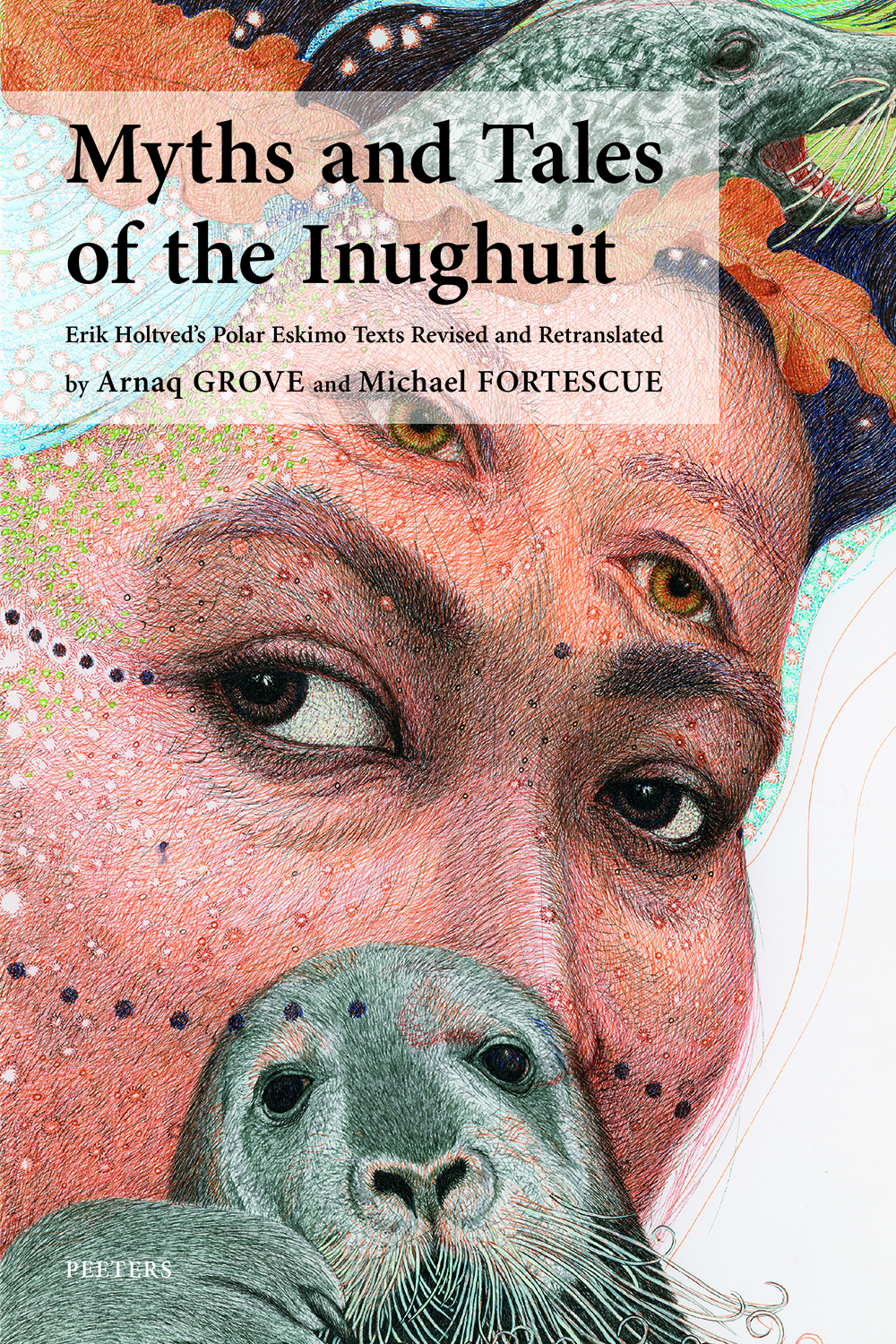 Myths and Tales of the Inughuit
Erik Holtved's Polar Eskimo Texts Revised and Re-translated into Danish and English
Volume 475, 12


 Qatar’s Societal Security
Towards the Inclusive National Concept of ‘Baladna’ Identity, Migration and External Threats Since 2017


