Decoding Canaanite Pottery Paintings from the late Bronze Age and Iron Age I
Classification and Analysis of Decorative Motifs and Design Structures – Statistics, Distribution Patterns – Cultural and Socio-Political Implications
Edited by Gwanghyun D. Choi Series edited by Bernd U. Schipper

A systematic study of motifs found on Canaanite pottery!
This book presents a systematic study of the decorative motifs and designs found on painted Canaanite pottery vessels excavated in Palestine and dating back to the Late Bronze Age and Iron Age I. The study is based on an analysis of 3,225 painted vessels and sherds. One of its most important goals is to provide a taxonomy of the decorative motifs and designs found on the vessels. To achieve this goal, each of the motifs and designs is carefully described and codified as a unit within a system of classification grouping them into categories, sub-categories, classes, types, and sub-types. Based on this classification system, statistical figures representing the frequency of occurrence of the decorative motifs and designs are produced. The degree of popularity and the temporal or spatial distribution of each of the motifs and designs are thus clarified. Based on the statistical analysis, tree iconography (representing particularly the date-palm, often called “tree of life”) was confirmed to be the most prominent and representative feature of the Canaanite pottery painting tradition. The motif most commonly found on handles and best known as “Union Jack” mark is demonstrated to be a schematized representation of the date-palm. Canaanite tree iconography was probably associated with a fertility cult, but there is no direct evidence associating it with the goddess Asherah. The cultural origins of painted pottery traditions, colors used for decoration, archaeological contexts where the decorative motifs come from and their socio-political meanings are also considered in detail. Although during the Late Bronze and Iron IA ages the inhabitants of Canaan were politically controlled by New Kingdom Egypt, Egyptian influence on their pottery painting tradition was insignificant. Western Asiatic features prevail much more in the main motifs and design elements, their iconography, design, and style. The archaeological contexts of painted Canaanite vessels indicate that the decorative motifs reveal the Canaanites’ desire for blessing in present life rather than in the afterlife. The rise and decline of the painted pottery phenomenon is most likely associated with socio-political changes. The Canaanite pottery painting tradition declined notably in the 11th century BCE, following the end of Egyptian rule in Canaan. In the 10th century BCE, tradition virtually disappeared, indicating the rise of a new socio-political order in Canaan.
Gwanghyun D. Choi, Ph.D. lehrt an der Yonsei Universität, Seoul, Südkorea.
- Edited by Gwanghyun D. Choi
- Series edited by Bernd U. Schipper
Other Titles in this Series
 Corpus der Stempelsiegel-Amulette aus Palästina/Israel
Von den Anfängen bis zur Perserzeit Katalog Band V: Von Tel el-˓Idham bis Tel Kitan
 Corpus der Stempelsiegel-Amulette aus Palästina/Israel
Von den Anfängen bis zur Perserzeit Katalog Band III: Von Tell el-Far´a-Nord bis Tell el-Fir
 Text and Image
Proceedings of the 61e Rencontre Assyriologique Internationale, Geneva and Bern, 22-26 June 2015
Volume 40


 Corpus der Stempelsiegel-Amulette aus Palästina/Israel
Von den Anfängen bis zur Perserzeit Katalog Band II: Von Bahan bis Tel Eton

 Eclipses, Volcanoes, and Eponyms
New Perspectives on the Chronology of the Early Second Millennium BC in Mesopotamia
Volume 43
 Aegyptiaca in der nördlichen Levante
Eine Studie zur Kontextualisierung und Rezeption ägyptischer und ägyptisierender Objekte in der Bronzezeit
Volume 41


Similar Books





 Boğazköy Tablets in the Museum of Anatolian Civilizations (Bo 9032–Bo 9097)
Anadolu Medeniyetleri Müzesinde Bulunan Boğazköy Tabletleri (Bo 9032–Bo 9097)
Volume 4
 Connecting the Dots: Counting, Writing, and the Beginnings of Civilization
The Secret Lives of Clay Tokens: A Memoir

 Curating the Prehistoric Past
Studies on West Asian Archaeology and Beyond in Honour of Yoshihiro Nishiaki

 Exploring Gender Dynamics across the Ancient Near East
Collected Essays of Gender and Methodology in the Ancient Near East (GeMANE) 4 and 5
Volume 7


 Ḫattušaš utnē išḫameški
Hittite and Other Ancient Near Eastern Studies Presented to Piotr Taracha on the Occasion of His 65th Birthday




 Kultur – Kontakt – Kultur
Beiträge anlässlich der 66. Rencontre Assyriologique Internationale in Frankfurt/Main und Mainz, 25.–29. Juli 2022
Volume 35
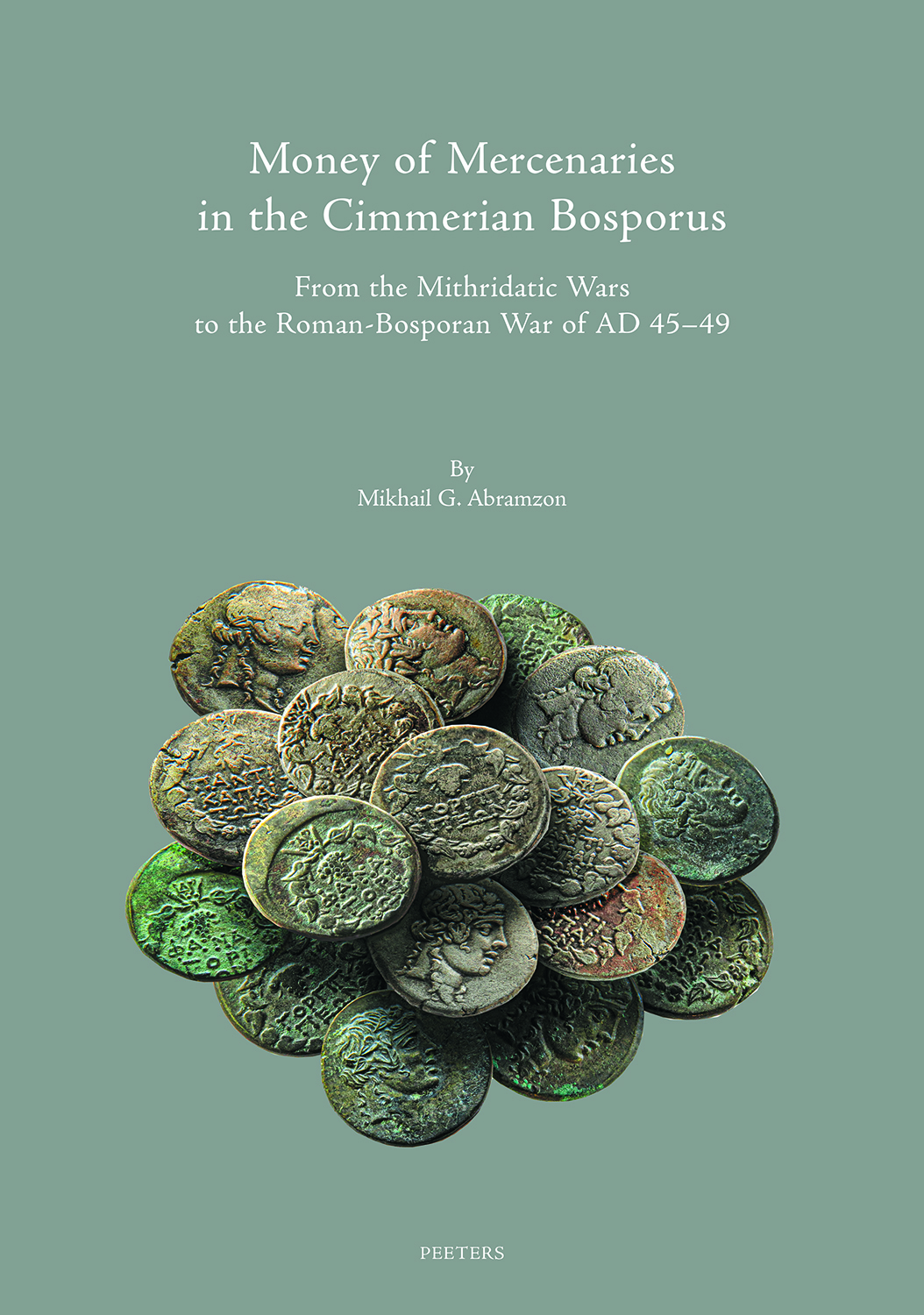 Money of Mercenaries in the Cimmerian Bosporus
From the Mithridatic Wars to the Roman-Bosporan War of AD 45-49
Volume 45

 New Research on Old Collections in Southwest Asian Archaeology
Proceedings of the Workshop Held at the British Museum, London, 31 July – 2 August, 2023
 Old Aramaic Inscriptions and their Contexts
An Epigraphic, Archaeological, and Historical Synthesis
Volume 63

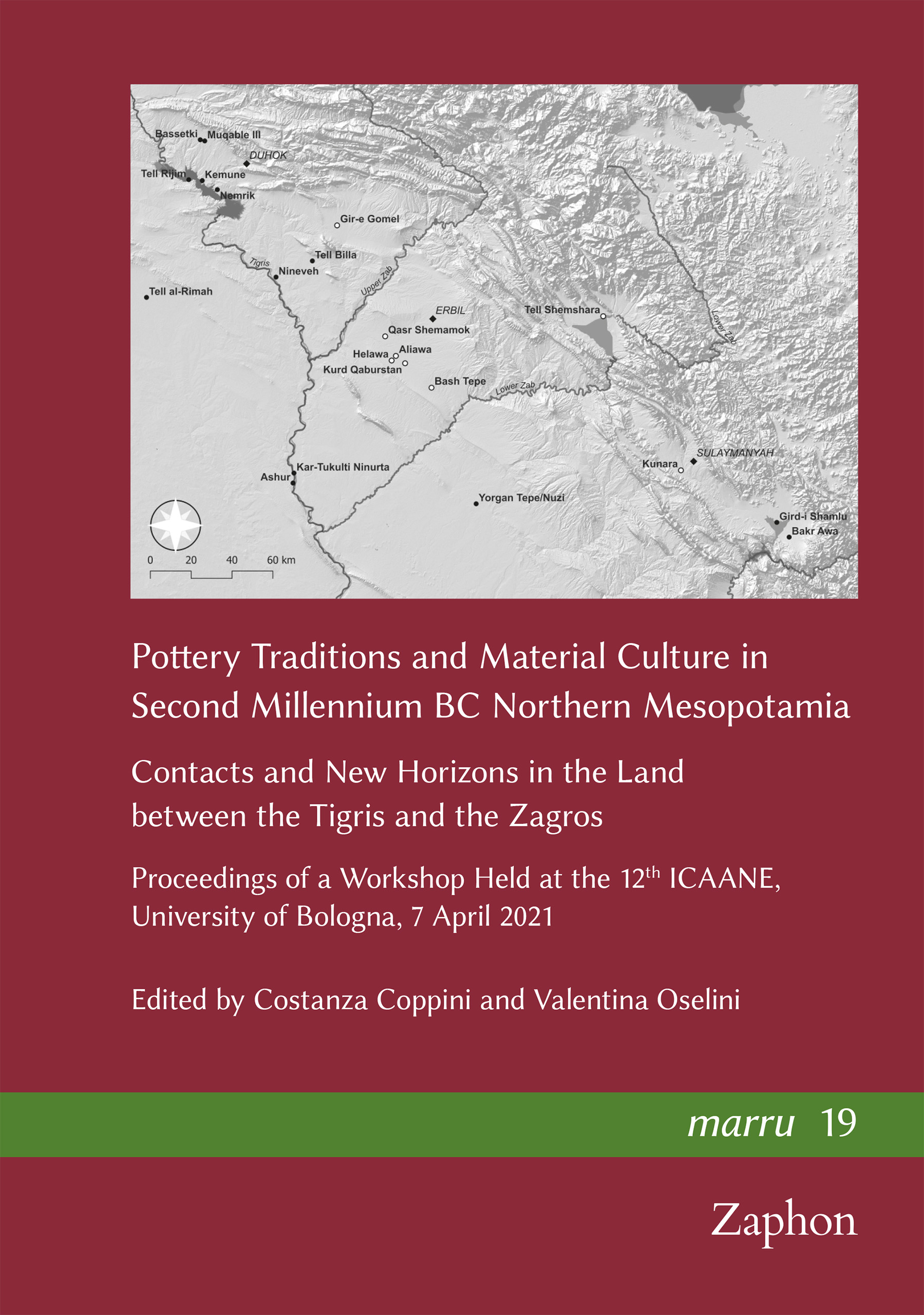 Pottery Traditions and Material Culture in Second Millennium BC Northern Mesopotamia
Contacts and New Horizons in the Land between the Tigris and the Zagros. Proceedings of a Workshop Held at the 12th ICAANE, University of Bologna, 7 April 2021
Volume 19
 Punning in Odd or Elegant Constructions in Jeremiah
The Convergence of Linguistics, Rhetoric, and Textuality in the Hebrew Text of Jeremiah

 Sertorius, the Exiles of the Sullan Regime and the Provinces of the Empire
Legitimacy, Morality and Imperial Discourse in the 70s BCE
 Shame in the Worlds of the Hebrew Bible and Akkadian Texts
A Linguistic Study and Its Implications
Volume 33

 Telling Contexts
Archaeological and Textual Studies in Honor of Elizabeth Bloch-Smith and Mark S. Smith
 The Body
Lived, Cultured, Adorned: Essays on Dress and the Body in the Bible and Ancient Near East in Honor of Nili S. Fox
 The Discourse of Rites
Shaping and Reshaping the (Counter-)Priestly Rituals Conducted Outside the Tabernacle
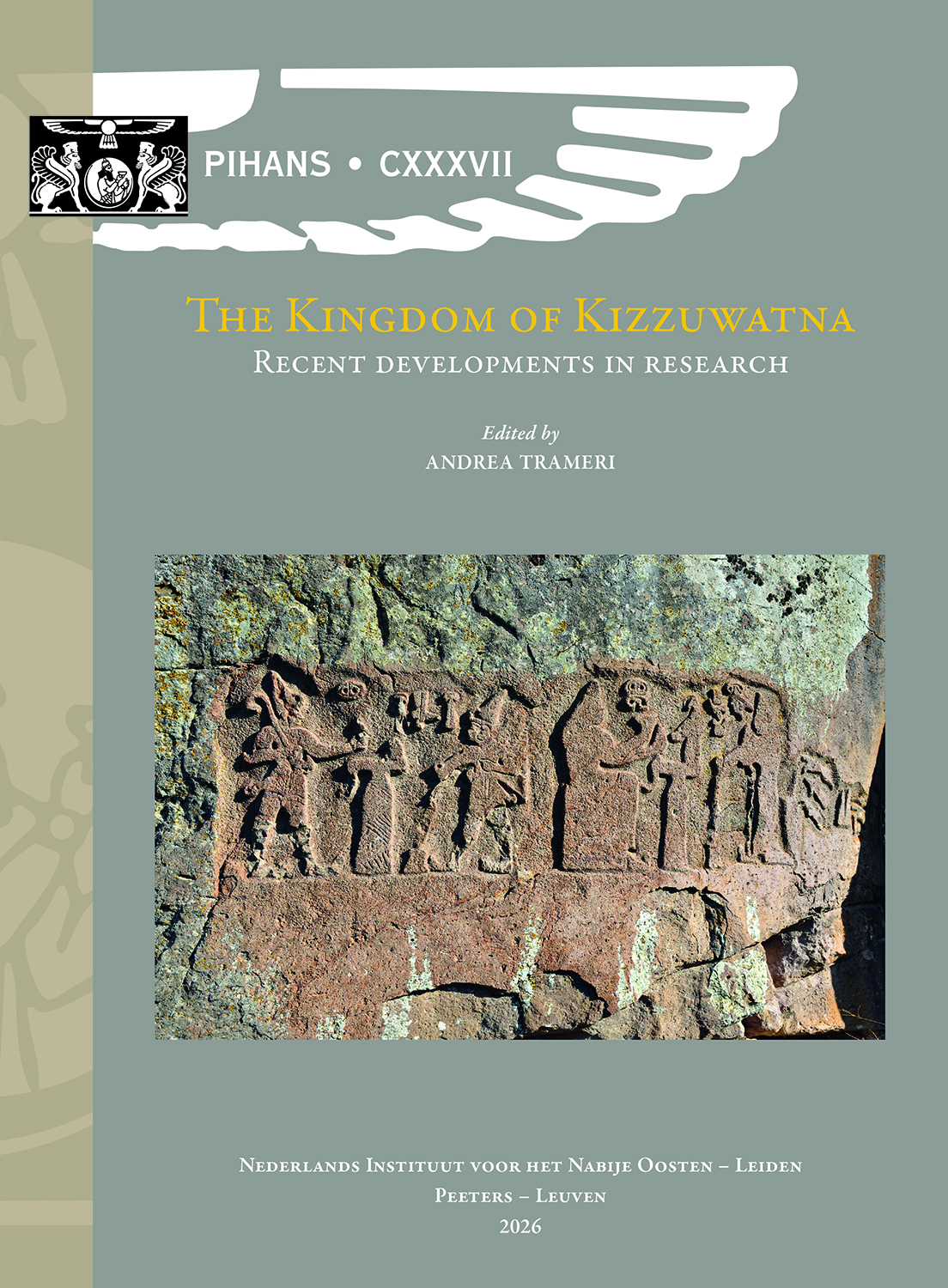 The Kingdom of Kizzuwatna: Recent Developments in Research
Proceedings of the Third NINO Postdoctoral Research Fellow Annual Conference, Leiden, 23rd-25th March 2023
Volume 137