
Das Selbstverstandnis Jesu
Hermeneutische und christologische Reflexion
by Matthias Kreplin

English summary: Matthias Kreplin begins by explaining the theological relevance of the historical question about Jesus and in particular Jesus’ self-conception. In doing so, he takes both a Christological and linguistic approach in order to show the significance of historical research on Jesus without allowing the Christian faith to become directly dependent on the changing research views. In this context, the author deals in detail with the expression ‘Son of Man’ and with the messianic secret. At the end of his work, the author draws further historical and theological conclusions pertaining to the origin and the interpretation of New Testament Christology. In this context, the author deals in detail with the expression ‘Son of Man’, with the role Jesus claimed, and with the messianic secret. German description: Matthias Kreplin setzt sich mit den verschiedenen Positionen der alteren und neueren Forschung zu der historischen Ruckfrage nach Jesus und insbesondere dessen Selbstverstandnis auseinander und klart dabei auch deren theologische Relevanz. Er verbindet sprachanalytische und christologische Ansatze so miteinander, dass eine Relevanz historischer Jesus-Forschung deutlich wird, ohne dass dabei der christliche Glaube in direkter Abhangigkeit von wechselnden Forschungsmeinungen steht.Der Ausdruck ‘der Menschensohn’ ist zunachst Gegenstand der auf diesem hermeneutischen Fundament aufbauenden historischen Ruckfrage nach Jesu Selbstverstandnis. Matthias Kreplin greift eine in der Menschensohn-Diskussion wenig bekannte These neu auf: Der Ausdruck ‘der Menschensohn’ ist nicht als apokalyptischer Titel, sondern als ein von Jesus selbst gepragter Name fur die indirekte Selbstbezeichnung zu verstehen. Die apokalyptischen Menschensohnworte sind sekundar.Da es uber Hoheitstitel keinen Zugang zum Selbstverstandnis Jesu gibt, untersucht Matthias Kreplin die von Jesus beanspruchte und eingenommene Rolle. Er zeigt, dass Jesus sich als eschatologischer Reprasentant Gottes sah. Fur die Tatsache, dass sich Jesus trotz dieses Selbstverstandnisses aller Titel und Hoheitsanspruche enthielt, gibt es folgende Erklarung: Weil Jesus seiner eigenen Botschaft entsprechen wollte, musste er ein Geheimnis um seine Person machen. Das Messiasgeheimnis wird so im Kern auf Jesus selbst zuruckgefuhrt.Weitere historische und theologische Schlussfolgerungen zur Entstehung und Interpretation der neutestamentlichen Christologie schliessen den Band ab.
- By (author) Matthias Kreplin
Other Titles in this Series


 Teaching through Song in Antiquity
Didactic Hymnody among Greeks, Romans, Jews, and Christians
Volume 302


 The Baptismal Episode as Trinitarian Narrative
Proto-Trinitarian Structures in Mark's Conception of God
Volume 535

 Veranderte Endzeitvorstellungen
Die Rezeption der Offenbarung des Johannes beim ersten christlich-lateinischen Dichter Commodian
Volume 504
 The Use of Scripture in the Apocryphon of John
A Diachronic Analysis of the Variant Versions
Volume 441


 Jesus Tradition in the Apostolic Fathers
Their Explicit Appeals to the Words of Jesus in Light of Orality Studies
Volume 311


 Scribal Habits and Theological Influences in the Apocalypse
The Singular Readings of Sinaiticus, Alexandrinus, and Ephraemi
Volume 218

 Paul and Sacrifice in Corinth
Rethinking Paul's Views on Gentile Cults in 1 Corinthians 8 and 10
Volume 623

 The Formative Stratum of the Sayings Gospel Q
Reconsidering Its Extent, Message, and Unity
Volume 545


Similar Books
 ‘For You I Study, For You I Work, For You I Live, For You I Am Ready To Even Give My Life’
Essays in Honour of Francis (Frank) J Moloney, SDB




 Ars Prophetica
Theology in the Poetry of Twentieth-Century Hebrew Poets Avraham Halfi, Shin Shalom, Amir Gilboa, and T. Carmi
 As Messianism Turns to Heresy
The Regenstein Chair Lectures On Lurianic Kabbalah and Shabbatai Tzevi at Hebrew Union College - Cincinnati


 Creating the Woman in Antiquity
Proceedings of the 16th Melammu Workshop, Innsbruck, 2–3 June 2022
Volume 13

 Drunk the Potion, No Whit Charmed
The Doctrine of Pure and Perfect Souls from Iamblichus to Damascius



 Extracanonical Traditions and the Holy Land
Texts, Rituals, and Material Culture in Late Antique Palestine
 Fear, Fear of God, God-Fearers
Philological and Historical Perspectives on the World of Ancient Judaism and Christianity




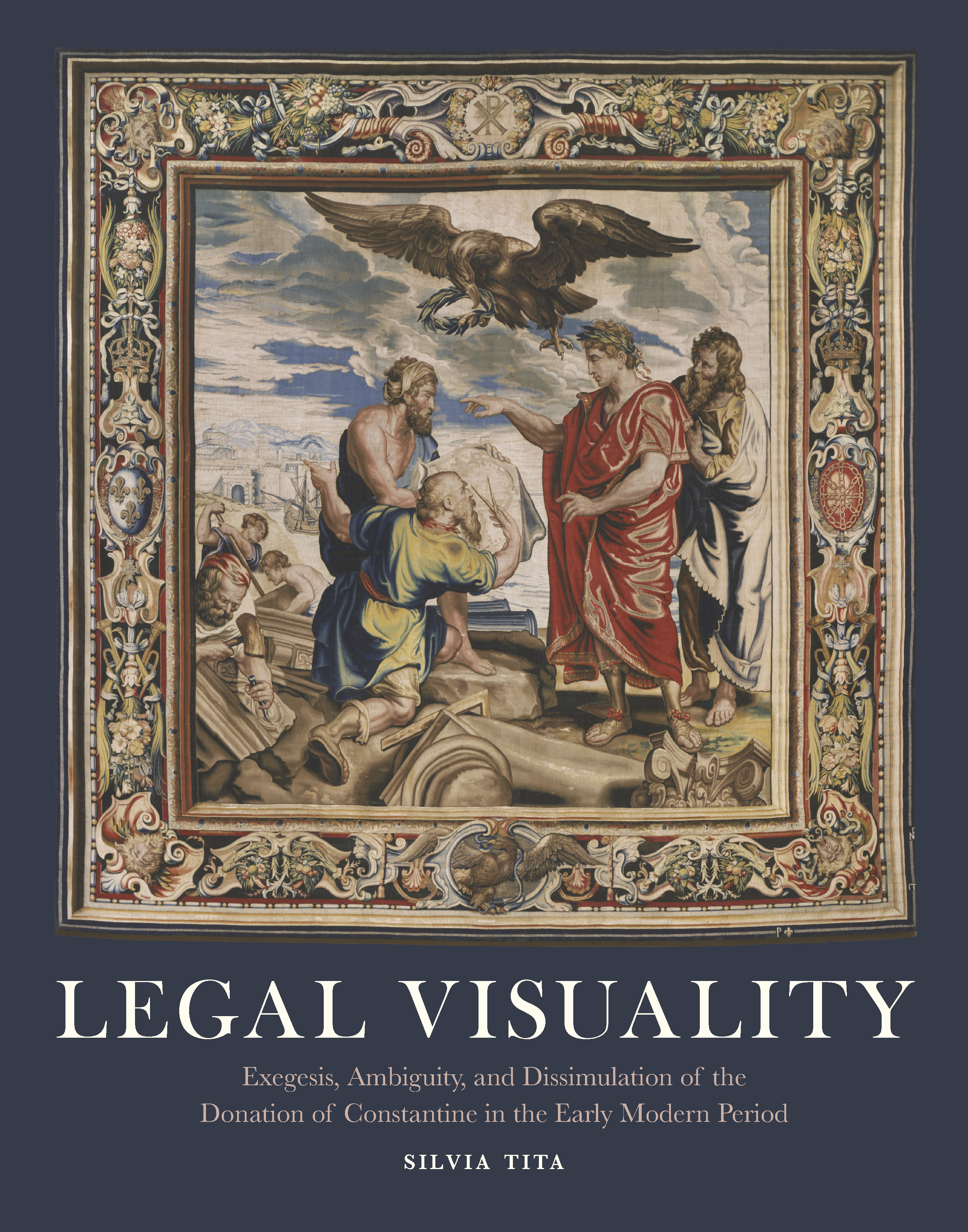 Legal Visuality
Exegesis, Ambiguity, and Dissimulation of the Donation of Constantine in the Early Modern Period
 Liturgia semper reformanda
Adaptations and accommodations in the liturgy in light of canon 838 of the Code of Canon Law
