
Crisis y muerte en la Antigüedad
Reflexiones desde la historia y la arqueología
Edited by José Javier Martínez García Edited by Pedro David Conesa Navarro

Paperback (Published)
(September 2022)
ISBN: 9781803273525
7.99 x 10.91 inches
Price: $64.00
On back order
Crisis y muerte en la Antiguedad takes a multidisciplinary and international perspective to analyse periods of crisis in the Ancient World from a historical and archaeological point of view. To this end, the contributors have focused on periods of health and environmental crises, as well as persecutions and periods of famine and starvation during antiquity. The first two articles analyse these issues from a global perspective, providing an introductory framework for the volume. The following contributions not only study specific areas such as the Lower Guadalquivir region (Andalusia) or Tierras de Barros (Extremadura) in the Iberian Peninsula, but also other emblematic historical sites such as the city of Oxyrhynchus, Egypt. Martyrdom and the persecution of people of the Christian faith forms another focus, and despite being widely treated by contemporary historiography, new data is provided through the philological and historical analysis of authors such as Orosius, Lactantius, Prudentius and Augustine of Hippo, and through case studies of episodes during the reigns of Septimius Severus, Caracalla and Theodosius. The volume ends with a key theme, the so-called Plague of Justinian. From an archaeological perspective, and centred on the Iberian Peninsula, it offers a concrete overview that complements the information transmitted by classical authors on a phenomenon that occurred throughout the late Roman Empire.
Prologo - Rafael Gonzalez FernandezJose Ramon Carbo GarciaJuan Manuel Martin CasadoLuis-Gethsemani Perez-Aguilar, Paloma Caballero-Marquez, David Gordillo-Salguero y Valvanera Nieto-Dominguezdiscidium social y las perturbaciones humanas - Liliana Pegolo y Nicolas RussoJose Javier Martinez GarciaPedro David Conesa NavarroJose Ignacio Sanchez SanchezMiguel Pablo Sancho GomezQui insultaverant deo, iacent: el castigo divino a los emperadores en Lact. Mort. Pers. - Amparo Mateo Donet y Jonatan Ortiz-GarciaHistoriae adversus paganos de Orosio - Raul Serrano MadronalLa masacre de Tesalonica del ano 390: Historiografia e Historia - Diego Piay AugustoDe Excidio Urbis Romae de San Agustin como relato de la devastacion en el saqueo de Roma: el comienzo del fin - Manuel Ortuno ArreguiM Dolores Hernandez Mayor Jordina Sales-Carbonell, Prólogo – Rafael González Fernández La concepción del desastre en el mundo antiguo. Perspectivas de estudio en torno a las plagas del pasado y pandemias del presente – José Ramón Carbó García Explicaciones ambientales a la crisis del Imperio romano. Apuntes historiográficos y metodologicos – Juan Manuel Martín Casado Cambios climáticos, crisis de subsistencia y poblamiento humano en el SW Hispano entre la Prehistoria reciente y la Edad Media: Las comarcas del Bajo Guadalquivir (Andalucía) y Tierra de Barros (Extremadura) – Luis-Gethsemaní Pérez-Aguilar, Paloma Caballero-Márquez, David Gordillo-Salguero y Valvanera Nieto-Domínguez La peste de Atenas como metáfora lucreciana del discidium social y las perturbaciones humanas – Liliana Pégolo y Nicolás Russo Persecuciones cristianas y mártires en la ciudad de Oxirrinco – José Javier Martínez García Septimio Severo y las persecuciones cristianas del norte de África (202-203 d.C.). Análisis de una problemática a través de las fuentes clásicas y su balance historiográfico – Pedro David Conesa Navarro Caracalla en Alejandría. Cuando el Nilo se tiñó de rojo – José Ignacio Sánchez Sánchez La peste de san Cipriano. Pandemia y muerte de emperadores durante la Crisis del siglo III (251-270) – Miguel Pablo Sancho Gómez Qui insultaverant deo, iacent: el castigo divino a los emperadores en Lact. Mort. Pers. – Amparo Mateo Donet y Jónatan Ortiz-García La instrumentalización apologética de las plagas en las Historiae adversus paganos de Orosio – Raúl Serrano Madroñal La masacre de Tesalónica del año 390: Historiografía e Historia – Diego Piay Augusto El sermón De Excidio Urbis Romae de San Agustín como relato de la devastación en el saqueo de Roma: el comienzo del fin – Manuel Ortuño Arregui Un cruel retrato de Herodes en la mirada de los poetas Prudencio y Sedulio – Mª Dolores Hernández Mayor La peste de Justiniano y sus estragos y rebrotes en Hispania – Jordina Sales-Carbonell
José Javier Martínez García. Licenciado en Historia por la Universidad de Murcia, así como en Antropología por la Universidad Católica de Murcia. Máster en Sistemas de Información Geográfica, Máster en Arqueología, Máster en Formación del Profesorado y Máster en Egiptología. Codirector de Begastri (Cehegín) y del Martirium de La Alberca (Murcia) y miembro del equipo de investigación de Los Villaricos (Mula), Los Cantos (Bullas), Coimbra del Barranco Ancho (Jumilla), Mazarrón Fenicio (Mazarrón), Heracleópolis Magna y Oxirrinco (Egipto).
Pedro David Conesa Navarro. Doctor en Historia por la Universidad de Murcia y la Universidad de Roma – Tor Vergata. He realizado diferentes estancias de investigación en Roma, Cambridge, Heidelberg y Hamburgo. He sido profesor de Arte Antiguo en la UAB y actualmente tengo una beca postdoctoral de la Universidad de Murcia. He participado en congresos internacionales y nacionales y he escrito en revistas especializadas como Athenaeum o Latomus. Tiene varios capítulos en libros de importantes editoriales.
- Edited by José Javier Martínez García
- Edited by Pedro David Conesa Navarro
Similar Books


 Archaeological Excavations at Irmis Rka: An Investigation of a Multi-Layered Settlement in Southwest Georgia
Results from the 2020 Season: Early Bronze Age to Medieval Occupations


 Caesar’s Visions and Impact on the Roman Empire
Revisiting the Archaeological and Historical Record of the 40s BC
Volume 2


 Catuvellaunia and Rome: Economic and Political Relations during the Final Decades Pre-conquest
The Role of Grain from Southeastern Britain and Its Potential for Maintenance of the Roman Military along the Frontier on the Rhine
 Colour Concept “Secoli bui” a colori
Codici cromatici e architetture dipinte nell’età tardoantica e medievale
 Construction Processes in Historical Western Societies (5th c. BC – 10th c. AD)
Case Studies on Techniques, Models, and Costs

 Crossing Disciplines in the Study of Archaeology and Prehistoric Art: Insights from the Sahara and Mediterranean Africa
Proceedings of the XX UISPP World Congress (5–9 September 2023, Timișoara, Romania) Volume / Session 18
 Crossing Sacred Landscapes
Contacts and Continuities in the Desert Cults and Beliefs of Ancient Northern Arabia and the Arid Southern Levant
 Cuneiform Artefacts from Archaeological Contexts: New Research on Ancient Iraq
Proceedings of a Conference Held at the Bavarian Academy of Sciences and Humanities, July 4–5, 2024
Volume 2


 ENTANGLED AFRICA
Intra-African Relations Between Rain Forest and Mediterranean from Around 4,000 BCE to 1,500 CE


 Etruscan and Roman Hellenistic Anatomical ex votos
Reassessing Popular Religious Expressions in Central Italy
Volume 8

 Exploring Prehistoric Pottery in Japan
A Study of Organic Inclusions, Adhering Materials, and Impressions of Woven Items


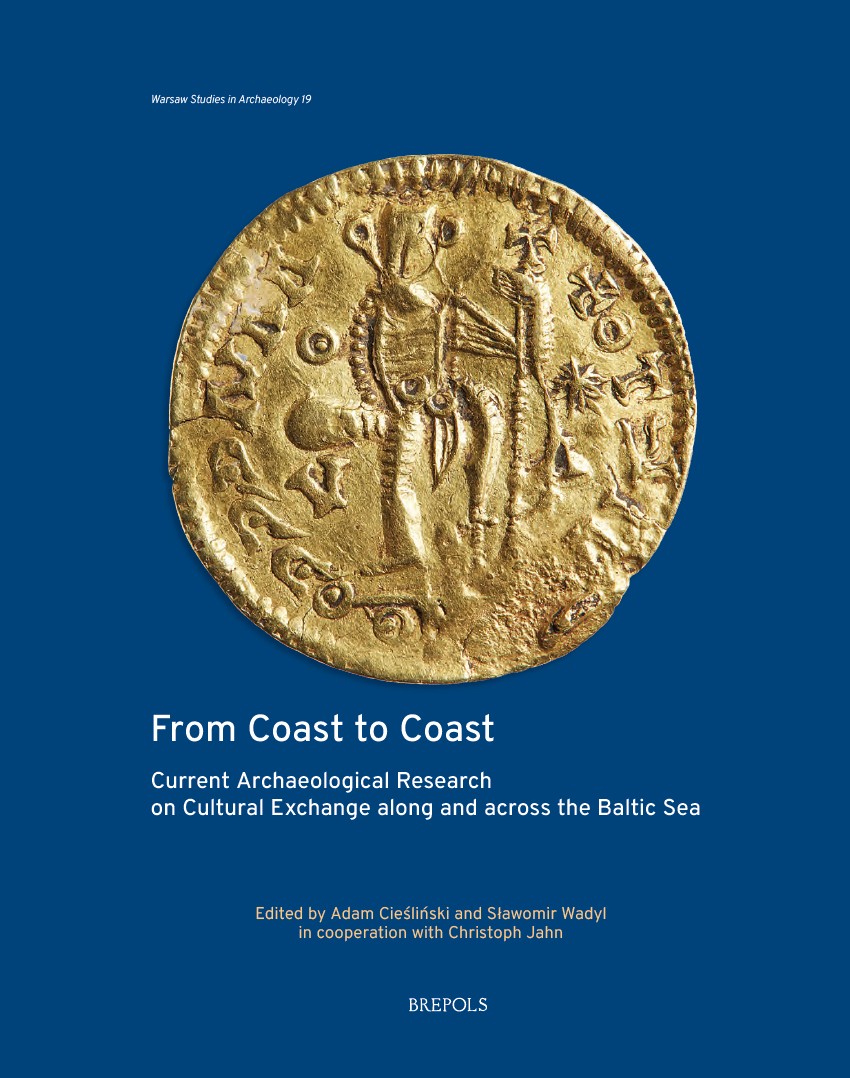 From Coast to Coast
Current Archaeological Research on Cultural Exchange along and across the Baltic Sea
Volume 19
 Frontiers of the Roman Empire: The Frontier of the Roman Province of Raetia
Grenzen des Römischen Reiches: Die Grenze der Römischen Provinz Raetien

 Gold, Silver and Glass: Power Networks, Cultural Identities, Technology Transfers and Agency across the Old World (7th Century BC – 1st Century AD)
Proceedings of a Conference Held at the British Museum, 16–18 June 2023
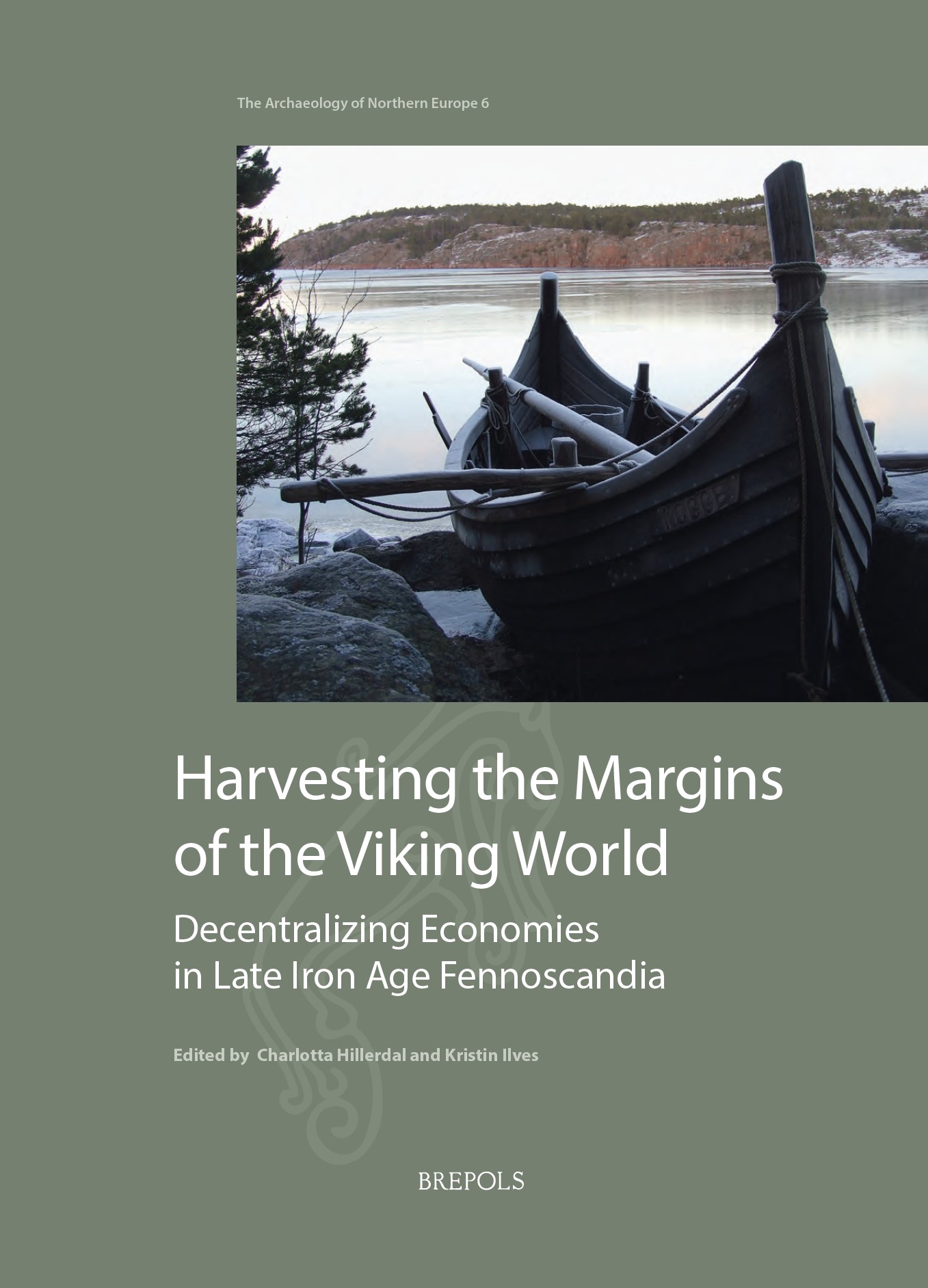 Harvesting the Margins of the Viking World
Decentralizing Economies in Late Iron Age Fennoscandia
Volume 6


 Images of Anonymous Women
A Semiotic Approach to Image-Text Relations in Interpretation of Ancient Near Eastern Art and the Hebrew Bible
Volume 310
