
Comment l’utopie est devenue un programme politique
Du roman a la Revolution
by Stephanie Roza

Paperback (Published)
(December 2015)
ISBN: 9782812437052
Price: $54.00
On back order
How did the idea of utopia become a political programme between 1755 and 1797? This work seeks to respond to this question, confronting the writings of three of the agents of this transformation (Morelly, Mably, and Babeuf) with the principal philosophical, utopian, and political works of their time.
- By (author) Stephanie Roza
Review - French Comment, entre 1755, ou parait leCode de la Nature, et 1797, ou Gracchus Babeuf, premier communautiste , est condamne a mort au terme du dernier grand proces politique de la Revolution, l'utopie est-elle devenue un programme ? Comment, a la faveur de quels evenements s'est-elle arrachee aux limbes du roman, pour s'incarner dans un projet insurrectionnel, conjonction de l'energie des mobilisations populaires, de la radicalite egalitariste et de l'optimisme des Lumieres ? Comment, ce faisant, est-elle entree dans l'histoire reelle ? C'est a cet ensemble de problemes que l'ouvrage essaie de repondre, confrontant les ecrits des trois protagonistes de cette transformation (Morelly, Mably, Babeuf) aux principales oeuvres philosophiques, utopiques et politiques de leur temps.
—
Other Titles in this Series


Similar Books


 Drunk the Potion, No Whit Charmed
The Doctrine of Pure and Perfect Souls from Iamblichus to Damascius

 Libertinage et philosophie à l’époque classique (XVIe-XVIIIe siècle)
Athéisme, Modernité et Sécularisation / Atheism, Modernity and Secularization
Volume 23

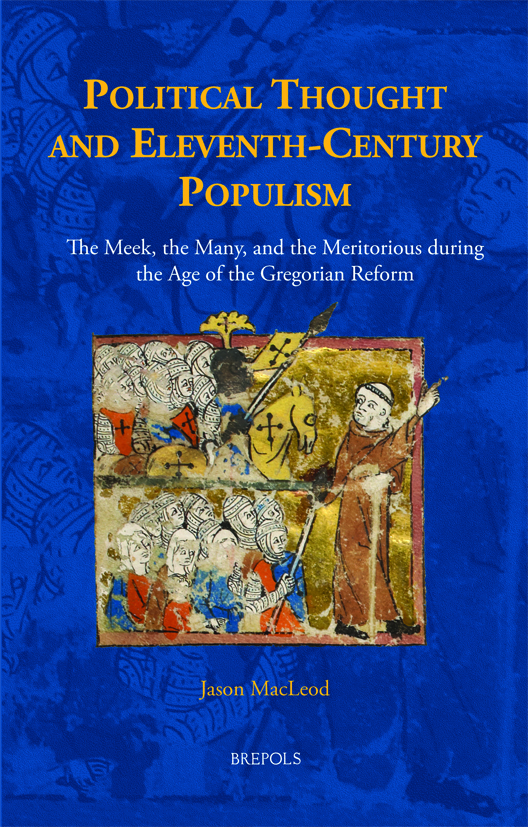 Political Thought and Eleventh-Century Populism
The Meek, the Many, and the Meritorious during the Age of the Gregorian Reform
Volume 38


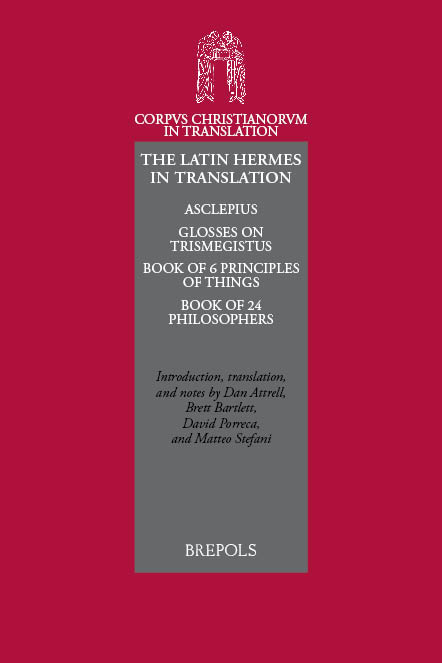 The Latin Hermes in Translation
Asclepius, Glosses on Trismegistus, Book of Six Principles of Things, Book of 24 Philosophers
Volume 50



 Éthique, politique, religions
Superstition (XVIIe - XXIe siècles). Sémantique, histoires et cultures


 Lehrreiche Literatur
Die didaktische Gestaltung von Plutarchs Quaestiones Graecae und Romanae und Gellius' Noctes Atticae


 Sitten zwischen Moralphilosophie und Politischer Okonomie am Ende des 18. Jahrhunderts
Mit einer zweisprachigen Edition von Ludwig Heinrich Jakobs Preisschrift Quelles sont les institutions les plus propres a fonder la morale d'un peuple

 Theologische Anthropologie in G. E. Lessings Frühwerk
Literarische Bilder von Gemeinschaft und Nonkonformität, Glück und Sünde

