
Château et Église
Actes du colloque international de Goldegg (Autriche 3-9 septembre 2022)
Edited by P. Ettel Edited by A.-M. Flambard Héricher Edited by T. Kühtreiber

Créés, en 1961, à l’initiative de Michel de Boüard, membre de l’Institut et doyen de la faculté des Lettres de l’université de Caen, les colloques Château Gaillard, regroupent des spécialistes européens de castellologie qui se réunissent tous les deux ans dans un pays d’Europe à chaque fois différent. Dix pays participent à l’entreprise Château Gaillard: Allemagne, Autriche, Belgique, Danemark, France, Irlande, Italie, Pays-Bas, Royaume-Uni, Suisse. Deux autres membres représentent le reste de l’Europe et l’Orient latin. Les représentants de chaque pays composent le comité permanent qui se charge de choisir le lieu d’organisation et le pays organisateur du colloque à venir. Il choisit également le thème des colloques et répartit les communications entre les différents pays. <br />Depuis plus de quarante ans tous les pays d’Europe représentés dans le «Comité permanent» ont été parcourus à plusieurs reprises: France (Andelys 1962, Blois 1974, Najac 1988, Voiron 2004, Château-Thierry 2018), Allemagne (Büderich 1964, Bad Münstereifel 1976, Schwäbisch Hall 1990, Bad Neustadt 2014), Royaume-Uni (Battle 1966, Durham 1980, Abergavenny 1994, Stirling 2008), Belgique (Gand 1968, Oostduinkerke et Floreffe 1984, Houffalize 2006), Danemark (Hindsgavl 1970, Gilleleje 1996, Aabenraa 2012), Pays-Bas (Venlo 1972, Wageningen 1986, Rindern 2010), Suisse (Bâle 1978 et Gwatt 2000), Luxembourg 1992, Autriche (Graz 1998 et Goldegg 2022), Irlande (Maynooth 2002, Roscommon 2016). <br />Les relations entre Château et Église étaient au cœur des réflexions des chercheurs réunis à Goldegg (Autriche) pour le 30e colloque Château Gaillard en 2022. Les 28 contributions de cet ouvrage balaient l’espace européen du Danemark au Portugal et de l’Irlande à la Livonie et à la Silésie, avec une incursion en Syrie. Archéologie oblige, elles abordent les bâtiments eux-mêmes et leur architecture quel que soit leur statut: chapelle, église, abbaye, en évoquant leur construction et leur implantation (hors du château ou dans le château et à quel emplacement de ce dernier), mais en abordant aussi les circonstances de leur fondation, les dates, les pouvoirs qui sont à l’œuvre et les relations qu’entretiennent détenteurs de châteaux et établissements religieux. L’antériorité des unes ou des autres est au cœur des réflexions, que ce soit en Bretagne ou en Toscane. L’influence du contexte politique sur la multiplication des églises ou des châteaux est également abordée, ainsi dans l’Angleterre du XIIe siècle, et l’on voit que la transformation de certains monastères en châteaux ou l’inverse s’avère une pratique courante que ce soit en Irlande ou en Allemagne.
- Edited by P. Ettel
- Edited by A.-M. Flambard Héricher
- Edited by T. Kühtreiber
Other Titles in this Series

 Chateau et commerce
Actes du colloque international de Bad Neustadt an der Saale (Allemagne, 23-31 aout 2014)
Volume 27
Similar Books


 Archaeological Excavations at Irmis Rka: An Investigation of a Multi-Layered Settlement in Southwest Georgia
Results from the 2020 Season: Early Bronze Age to Medieval Occupations


 Catuvellaunia and Rome: Economic and Political Relations during the Final Decades Pre-conquest
The Role of Grain from Southeastern Britain and Its Potential for Maintenance of the Roman Military along the Frontier on the Rhine
 Colour Concept “Secoli bui” a colori
Codici cromatici e architetture dipinte nell’età tardoantica e medievale

 Crossing Disciplines in the Study of Archaeology and Prehistoric Art: Insights from the Sahara and Mediterranean Africa
Proceedings of the XX UISPP World Congress (5–9 September 2023, Timișoara, Romania) Volume / Session 18
 Crossing Sacred Landscapes
Contacts and Continuities in the Desert Cults and Beliefs of Ancient Northern Arabia and the Arid Southern Levant
 Cuneiform Artefacts from Archaeological Contexts: New Research on Ancient Iraq
Proceedings of a Conference Held at the Bavarian Academy of Sciences and Humanities, July 4–5, 2024
Volume 2

 ENTANGLED AFRICA
Intra-African Relations Between Rain Forest and Mediterranean from Around 4,000 BCE to 1,500 CE


 Exploring Prehistoric Pottery in Japan
A Study of Organic Inclusions, Adhering Materials, and Impressions of Woven Items

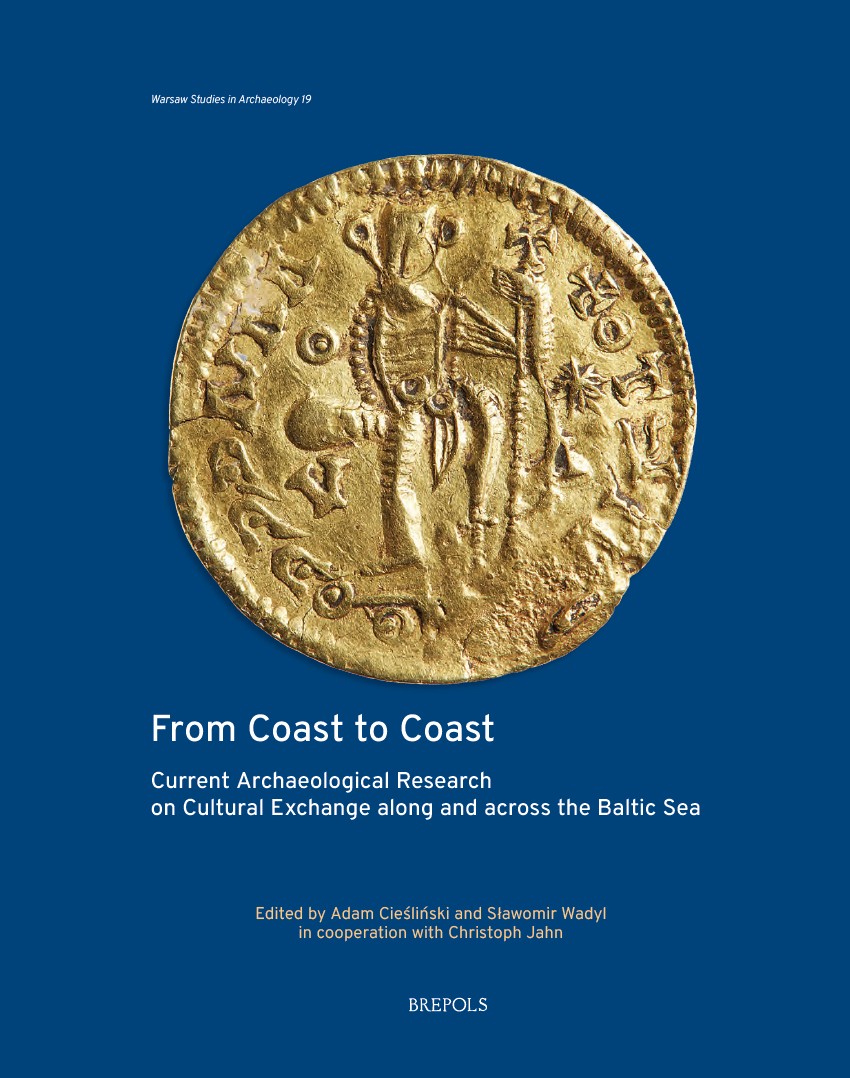 From Coast to Coast
Current Archaeological Research on Cultural Exchange along and across the Baltic Sea
Volume 19
 Frontiers of the Roman Empire: The Frontier of the Roman Province of Raetia
Grenzen des Römischen Reiches: Die Grenze der Römischen Provinz Raetien
 Gold, Silver and Glass: Power Networks, Cultural Identities, Technology Transfers and Agency across the Old World (7th Century BC – 1st Century AD)
Proceedings of a Conference Held at the British Museum, 16–18 June 2023
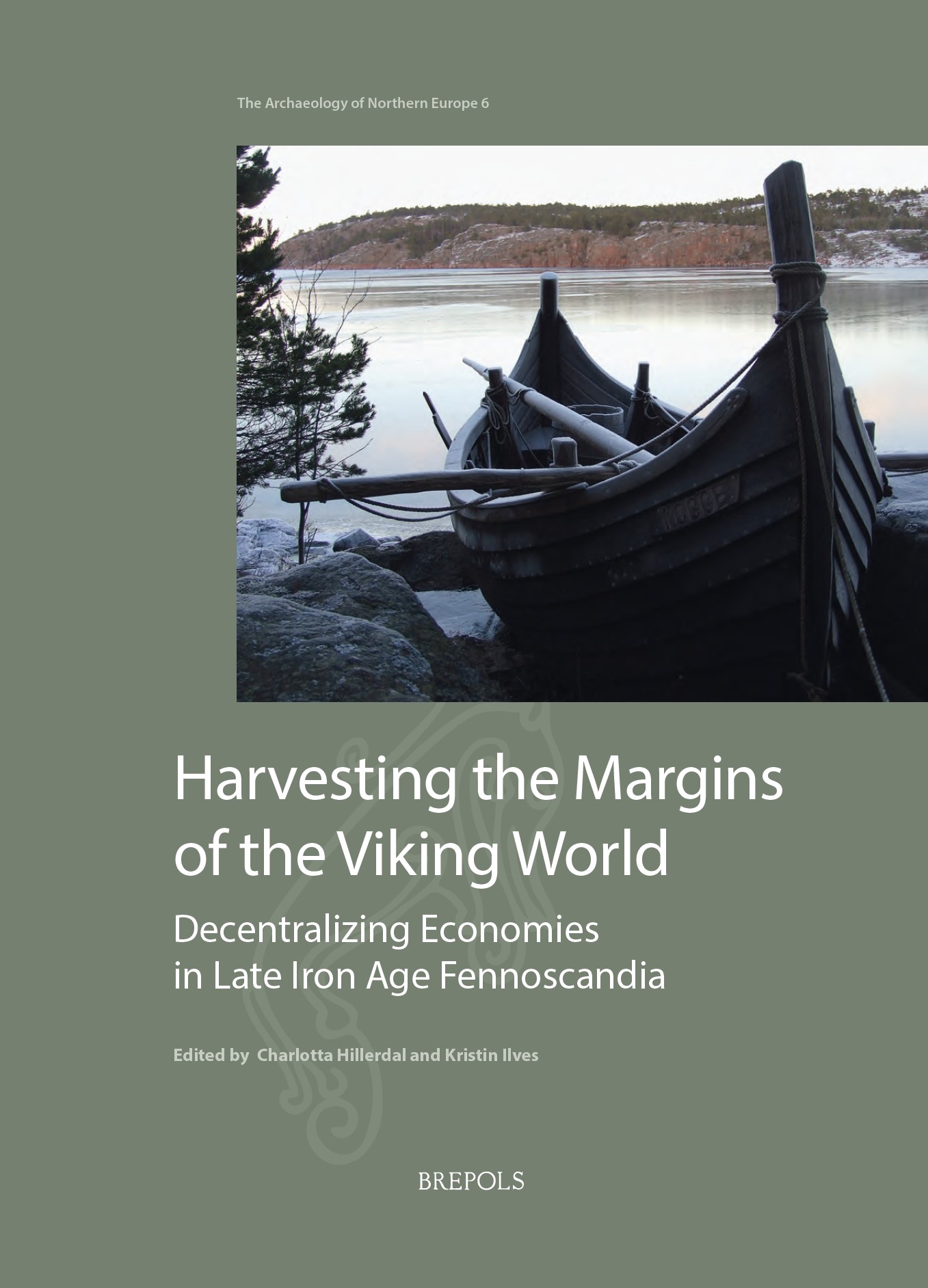 Harvesting the Margins of the Viking World
Decentralizing Economies in Late Iron Age Fennoscandia
Volume 6
 Images of Anonymous Women
A Semiotic Approach to Image-Text Relations in Interpretation of Ancient Near Eastern Art and the Hebrew Bible
Volume 310

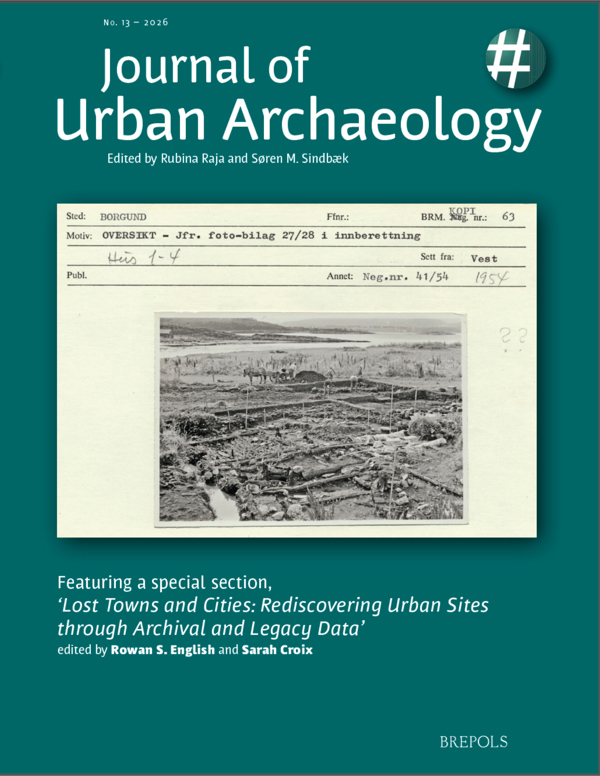 Journal of Urban Archaeology 13 (2026)
Featuring a special section, ‘Lost Towns and Cities: Rediscovering Urban Sites through Archival and Legacy Data’


 Making and Meaning in the Bronze and Iron Ages
Chronology, Landscapes and Societies across Europe. Proceedings from the METALAGES2024 Colloquium (Florence, 23 October 2024)

 Medieval Yeghegis, Armenia
History, Archaeology, Society. Local Multiplicities and Global Connections of a Rural Centre on the Silk Road(s)
 Mobility and Archaeogenetics in Central Asia
People – Goods – Ideas. 3rd International Conference on Central Asian Archaeology in Bern, 11th–13th January 2024
Volume 24


 Offa’s Dyke Journal: Volume 7 for 2025
A Journal for Linear Monuments, Frontiers and Borderlands Research


