
Caesarea Maritima Excavations in the Old City 1989-2003 Conducted by the University of Maryland and the University of Haifa, Final Reports
Volume 1: The Temple Platform (Area TP), Neighboring Quarters (Area TPS and Z), and the Inner Harbor Quays (Area I): Hellenistic Evidence, King Herods Harbor Temple, Intermediate Occupation, and the Octagonal Harbor Church
edited by Kenneth G. Holum

This book presents results of the excavation by the Combined Caesarea Expeditions which explored the city and harbour of ancient Caesarea, built by the Jewish king Herod the Great at the end of the first century BCE. It makes a significant contribution to our understanding of the transition from paganism to Christianity in Late Antiquity.
In this volume, Kenneth G. Holum, a professor at the University of Maryland, presents the results of the many years of excavation by the Combined Caesarea Expeditions, a joint project he and Avner Raban of the University of Haifa organized to explore the city and harbor of ancient Caesarea, built by the Jewish king, Herod the Great, at the end of the first century BCE. The volume publishes what they discovered on land, both on the Temple Platform, built by Herod for his magnificent harbor temple to Roma and Augustus, and in the Inner Harbor quays. Holum presents CCE’s original research questions, the overall stratigraphy of the site, and the team’s findings about Caesarea from the Hellenistic period to the end of antiquity in the seventh century CE. In so doing, the volume makes a significant contribution to our understanding of the transition from paganism to Christianity in Late Antiquity. It explores in depth King Herod’s pagan temple, which existed until about 400 CE, when the now Christian authorities deliberately dismantled it, removing all but its deepest foundations, and let the site lose its holiness. A century later, in 500 CE, the authorities built a grand Octagonal Church in exactly the same spot and on the same alignment as Herod’s temple, so that it functioned as a harbor church, visible from far at sea. In the Byzantine period, Caesarea prospered and reached its largest extent. This volume presents the archaeological evidence for these developments, paying careful attention to the foundations of the temple and church, fragments of the superstructure of both monumental buildings, the Herodian and Byzantine staircases that rose directly from the harbor to the temple and church, the pottery, coins, and other evidence, as well as of the vibrant city which surrounded these commanding religious structures.
- Edited by Kenneth G. Holum
Other Titles in this Series

 The Archaeological Survey of the Desert Roads between Berenike and the Nile Valley
Expeditions by the University of Michigan and the University of Delaware to the Eastern Desert of Egypt, 1987-2015
Volume 26


 The Roman Aqaba Project Final Report, Volume 1
The Regional Environment and the Regional Survey
Volume 19

 Cyprus and the Balance of Empires
Art and Archaeology from Justinian I to the Coeur de Lion
Volume 20


 University of Michigan and University of Minnesota Excavations at Tel Kedesh I
The Hellenistic Archive and its Sealings
Volume 30

 All Things Cypriot
Studies on Ancient Environment, Technology, and Society in Honor of Stuart Swiny
Volume 28


Similar Books





 Caesar’s Visions and Impact on the Roman Empire
Revisiting the Archaeological and Historical Record of the 40s BC
Volume 2

 Connecting the Dots: Counting, Writing, and the Beginnings of Civilization
The Secret Lives of Clay Tokens: A Memoir
 Construction Processes in Historical Western Societies (5th c. BC – 10th c. AD)
Case Studies on Techniques, Models, and Costs

 Curating the Prehistoric Past
Studies on West Asian Archaeology and Beyond in Honour of Yoshihiro Nishiaki


 Etruscan and Roman Hellenistic Anatomical ex votos
Reassessing Popular Religious Expressions in Central Italy
Volume 8

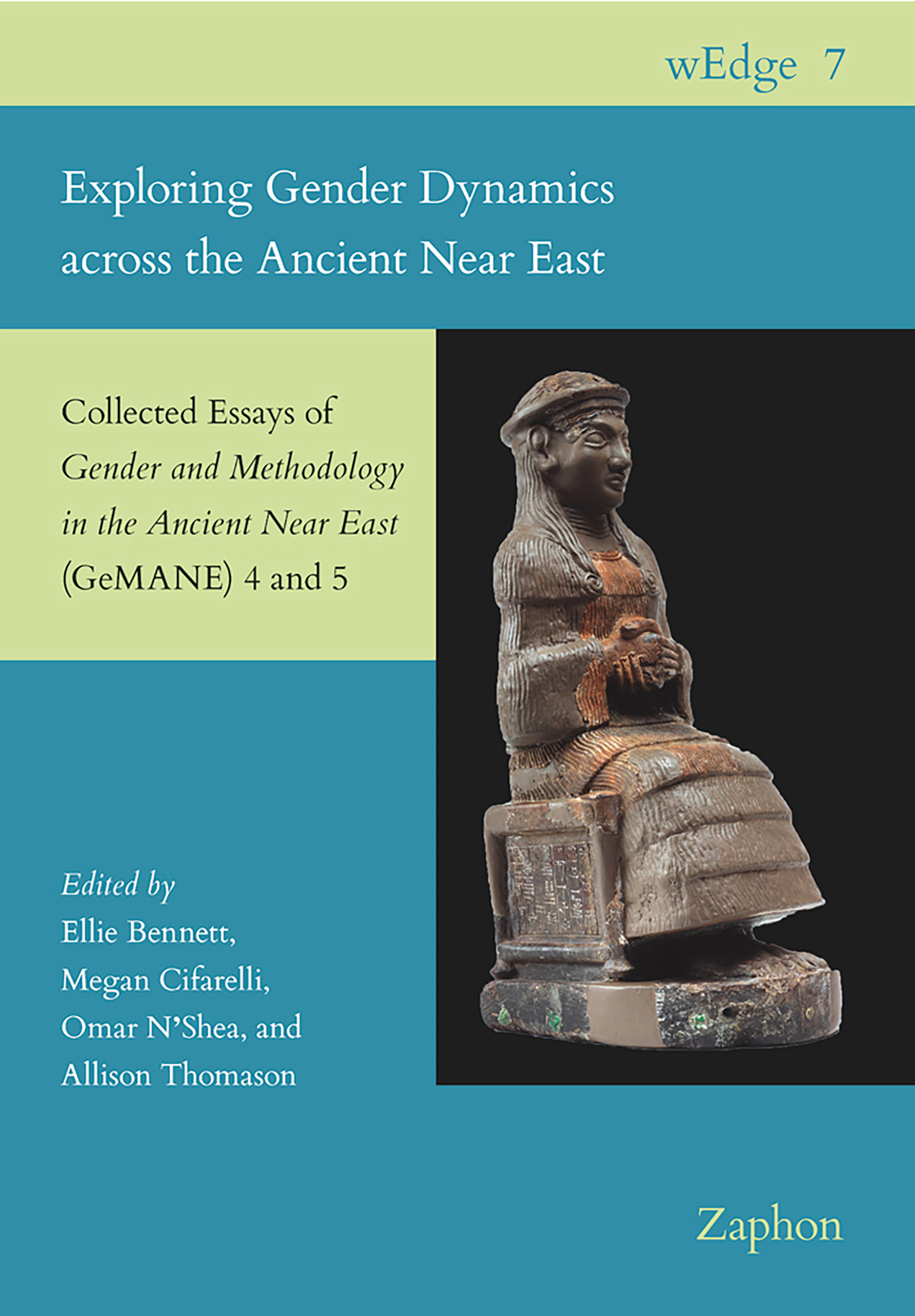 Exploring Gender Dynamics across the Ancient Near East
Collected Essays of Gender and Methodology in the Ancient Near East (GeMANE) 4 and 5
Volume 7


 Ḫattušaš utnē išḫameški
Hittite and Other Ancient Near Eastern Studies Presented to Piotr Taracha on the Occasion of His 65th Birthday



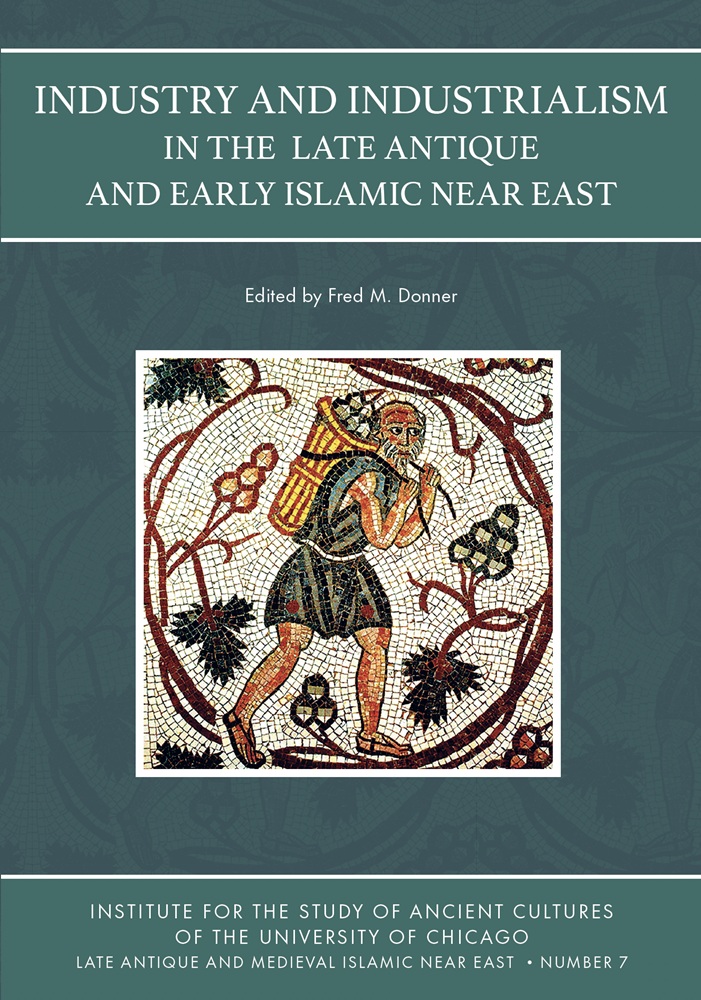
 Invisible Labour in Antiquity
Visualizing Obscure Work in the Ancient Mediterannean and West Asia
Volume 1


 Kultur – Kontakt – Kultur
Beiträge anlässlich der 66. Rencontre Assyriologique Internationale in Frankfurt/Main und Mainz, 25.–29. Juli 2022
Volume 35
 Late Antique villae in the Balkans (3rd–7th c. AD): Current Research Questions and Perspectives
HAEMUS Companion to the Late Antique Balkans 1
Volume 4


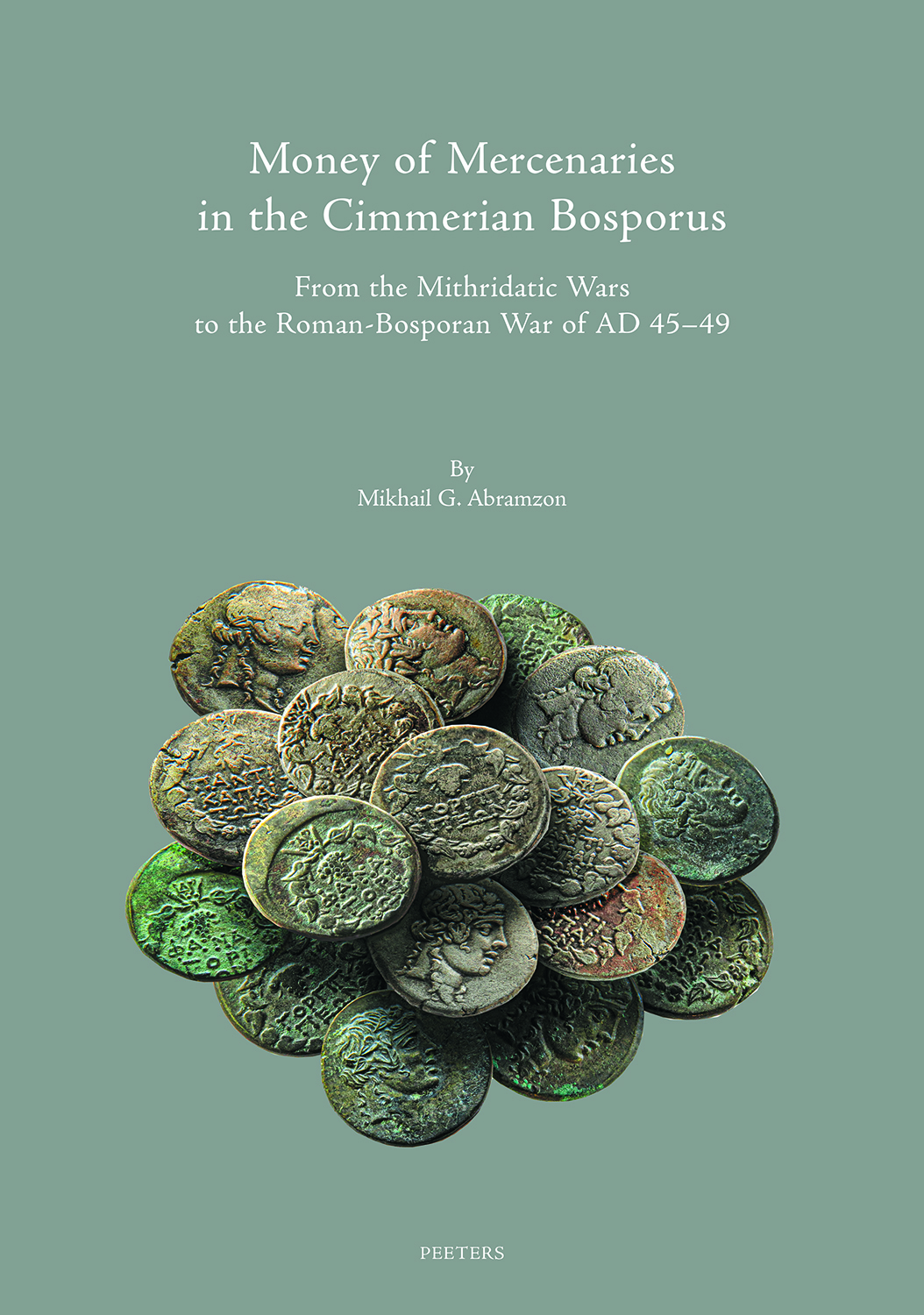 Money of Mercenaries in the Cimmerian Bosporus
From the Mithridatic Wars to the Roman-Bosporan War of AD 45-49
Volume 45



 New Research on Old Collections in Southwest Asian Archaeology
Proceedings of the Workshop Held at the British Museum, London, 31 July – 2 August, 2023