
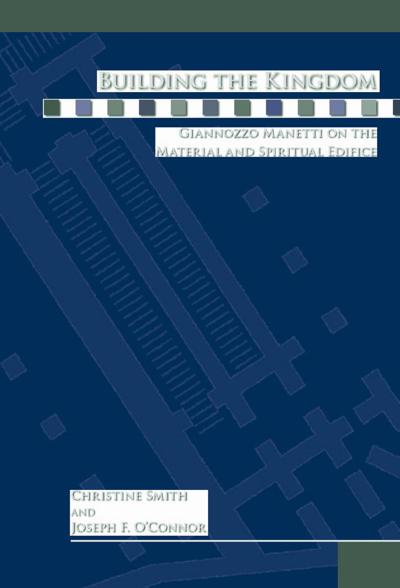
Building the Kingdom
Giannozzo Manetti on the Material and Spiritual Edifice
By (author) Christine Smith By (author) Joseph F. O’Connor
Hardback (Published)
(March 2007)
ISBN: 9782503525815
6.34 x 9.45 inches
Price: $113.00
On back order
Building the Kingdom examines how Giannozzo Manetti (1396–1459), by interpreting the great architectural projects of his day within historical, literary, and spiritual contexts, articulated their relevance for his contemporaries as cultural paradigms of the Early Italian Renaissance. Manetti, wealthy, learned, devout, and politically active, was perhaps the most admired lay thinker of his generation, a leader within the new intellectual currents of his native Florence and prominent in Rome at the court of Pope Nicholas V (1447–1455). Manetti’s detailed accounts both of the consecration of Florence Cathedral in 1436 (‘De secularibus et pontificalibus pompis’ [Concerning the Secular and Pontifical Parades]) and of the ambitious building projects planned by Nicholas for a revival of papal splendor in Rome (book 2 of his ‘Life of Nicholas V Supreme Pontiff’) are among the most elaborate architectural ekphrases of the fifteenth century. In these, he surpasses his better known rival, Leon Battista Alberti. These important Latin texts are presented here in new critical editions, with English translations and commentaries, preceded by chapters situating them within Manetti’s other writings, his vast reading, and his historical moment. A close reading of the texts, coupled with an in-depth examination of the sites described and the ceremonies conducted there, shows how Manetti’s distinctive fusion of Scholastic and Humanist ideas became authoritative for an Early Renaissance understanding of the cultural and spiritual power of buildings.
Building the Kingdom examines how Giannozzo Manetti (1396–1459), by interpreting the great architectural projects of his day within historical, literary, and spiritual contexts, articulated their relevance for his contemporaries as cultural paradigms of the Early Italian Renaissance. Manetti, wealthy, learned, devout, and politically active, was perhaps the most admired lay thinker of his generation, a leader within the new intellectual currents of his native Florence and prominent in Rome at the court of Pope Nicholas V (1447–1455). Manetti’s detailed accounts both of the consecration of Florence Cathedral in 1436 (‘De secularibus et pontificalibus pompis’ [Concerning the Secular and Pontifical Parades]) and of the ambitious building projects planned by Nicholas for a revival of papal splendor in Rome (book 2 of his ‘Life of Nicholas V Supreme Pontiff’) are among the most elaborate architectural ekphrases of the fifteenth century. In these, he surpasses his better known rival, Leon Battista Alberti. These important Latin texts are presented here in new critical editions, with English translations and commentaries, preceded by chapters situating them within Manetti’s other writings, his vast reading, and his historical moment. A close reading of the texts, coupled with an in-depth examination of the sites described and the ceremonies conducted there, shows how Manetti’s distinctive fusion of Scholastic and Humanist ideas became authoritative for an Early Renaissance understanding of the cultural and spiritual power of buildings.
- By (author) Christine Smith
- By (author) Joseph F. O’Connor
Similar Books


 Balthasar Caymox of Nuremberg
Early Modern German Print Publishers: Popular Prints of the Seventeenth Century


 Beyond Sovereign Courts
Agents and Practices in Early Modern Spanish and Habsburg Diplomacy
Volume 3

 Circulation, Use, Impact
The Consumption of Architectural Books in the Early Modern Eastern Adriatic
Volume 1


 Councils, Conflicts, Correspondence
Urban Diplomacy in Reval (Tallinn) and Lübeck (c. 1470–1570)
Volume 67


 Homo-Politicus in the Balkans
Early Modern Southeast European History in Imperial and Regional Context

 Innovationes Lovanienses: Arts, Law and Theology at the University of Louvain (1425–1797)
Studium Lovaniense: Learning across Borders, 2
Volume 18
 Legal Visuality
Exegesis, Ambiguity, and Dissimulation of the Donation of Constantine in the Early Modern Period

 Naples as Laboratory / Laboratorium Neapel
Style Options, Artistic Rivalry and Self Fashioning in Neapolitan Baroque Painting / Plurale Stilbildung, Kunstlerkonkurrenz und Self Fashioning in der neapolitanischen Barockmalerei

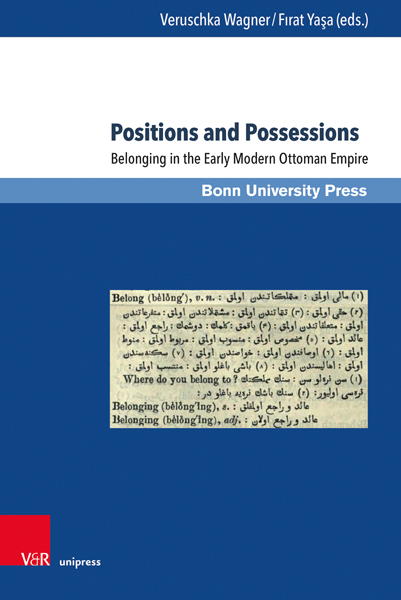
 Power and Women in Southeast and Central Europe in Late Medieval and Early Modern Period (1300-1600)
Volume 10



 Staging the Spectacle of Majesty
Ceremonial, Courtly Space, and Collecting under the Spanish Habsburgs
Volume 9
 Students, Scholars and Their Books at the University of Louvain (1425-1797)
Studium Lovaniense: Learning across Borders, 1
Volume 17


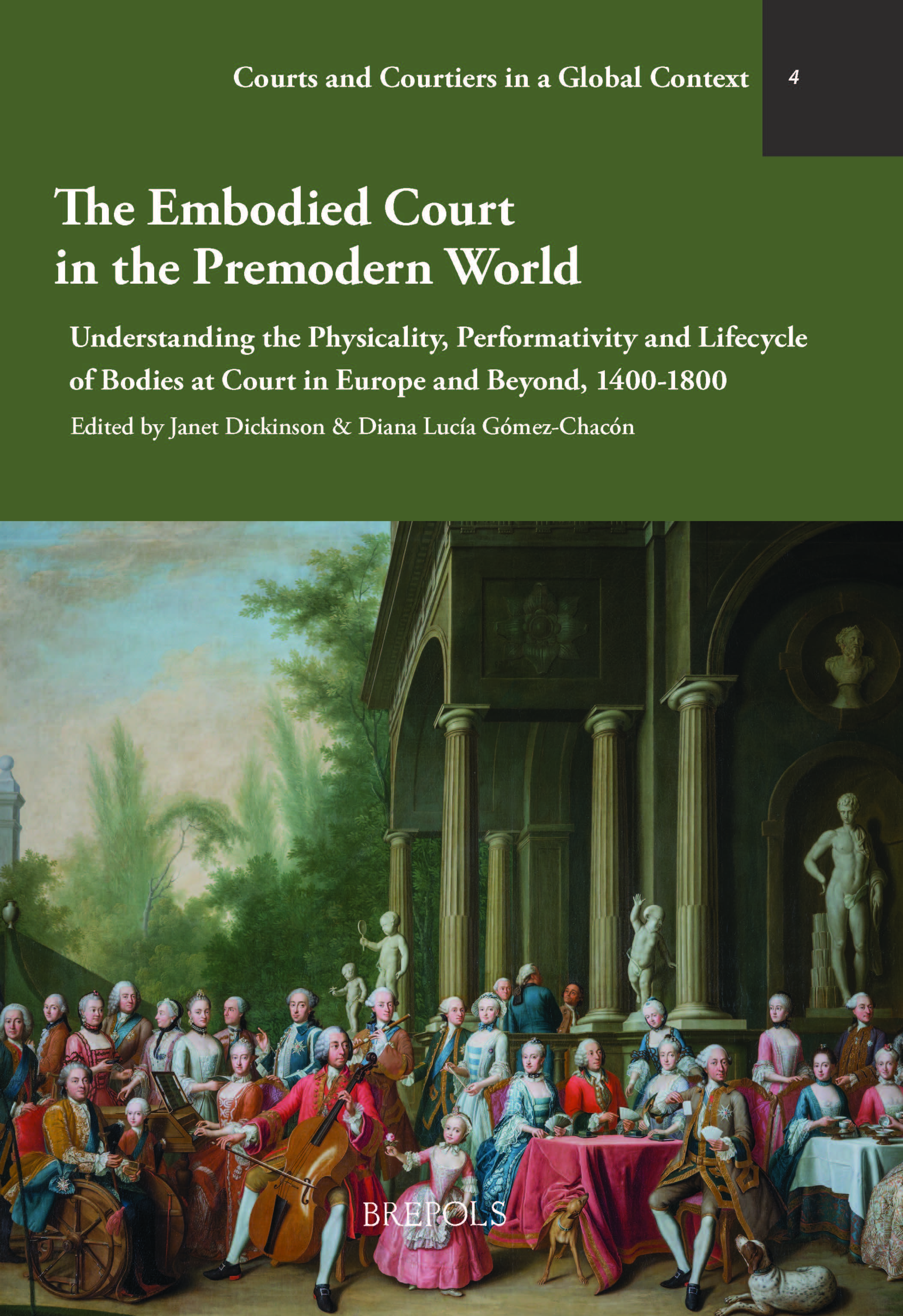 The Embodied Court in the Premodern World
Understanding the Physicality, Performativity and Lifecycle of Bodies at Court in Europe and Beyond, 1400-1800
Volume 4
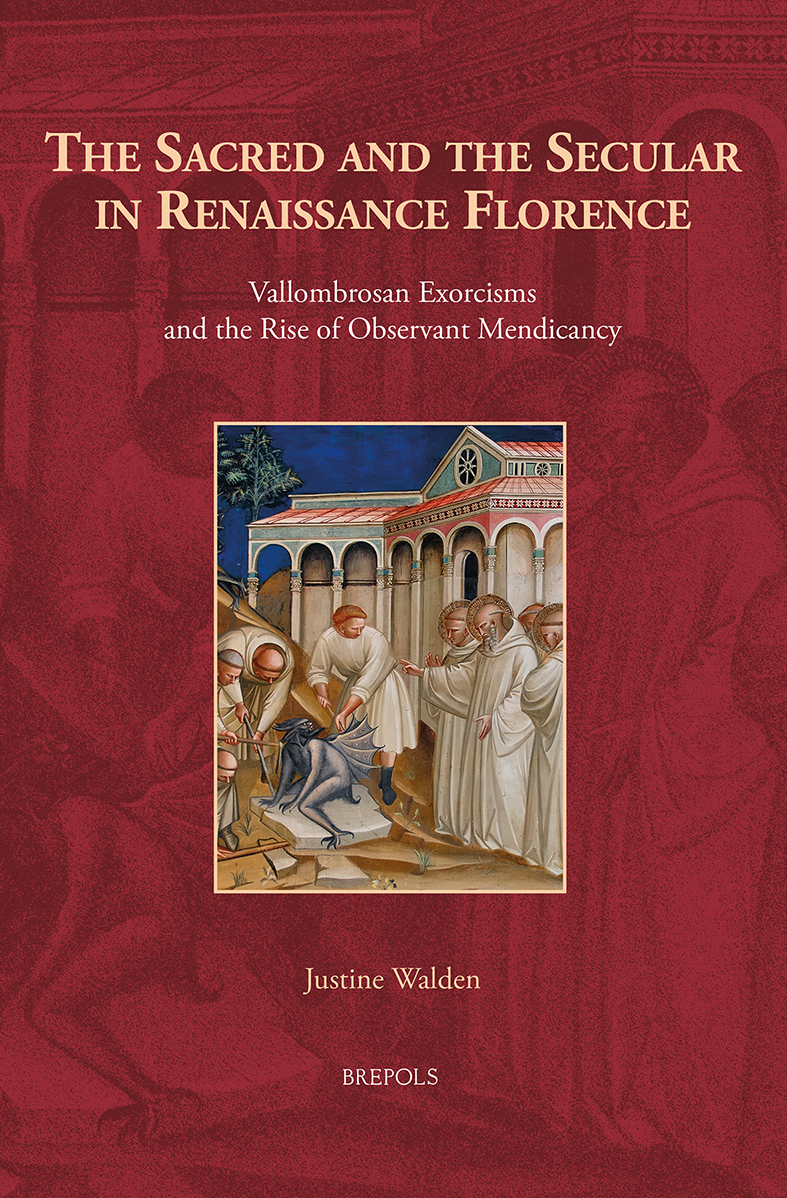 The Sacred and the Secular in Renaissance Florence
Vallombrosan Exorcisms and the Rise of Observant Mendicancy
Volume 31
 Tradition, Interpretation, and Change
Developments in the Liturgy of Medieval and Early Modern Ashkenaz

 wunder in Serie
 À la recherche des normes de traduction
Textes spécialisés dans le monde hispanophone et francophone (1450–1850)