
Besitzverzicht und Almosen bei Lukas
Wesen und Forderung des lukanischen Vermogensethos
by Kiyoshi Mineshige

English summary: What does the Scripture teach us about the issue of wealth and possessions? Does it tell us to abandon possessions totally and to live piously, or to accumulate wealth and use it effectively for others? Kiyoshi Mineshige takes a critical approach to Luke’s ideas of possessions and almsgiving. He argues that Luke distinguishes between renunciation of possessions and almsgiving, and thus that in the Gospel of Luke the author is talking about two different concepts. German description: Die Einstellung des Lukas zum Thema ‘Besitz’ ist nicht einheitlich. Einerseits betont er den vollstandigen Besitzverzicht der ersten Junger in der Nachfolge Jesu. Andererseits unterstreicht er aber die Aufforderung Jesu zum verantwortlichen Umgang mit dem Besitz, namlich die Aufforderung zum Almosengeben. Wie ist diese Spannung zwischen ‘Besitzverzicht’ und ‘Almosengeben’ zu verstehen?Viele Forscher haben versucht, diesen Widerspruch zu erklaren, indem sie die beiden Aufforderungen harmonisieren. Eine genaue Untersuchung der lukanischen Texte lasst jedoch Zweifel aufkommen, ob es uberhaupt moglich ist, die zwei verschiedenen Aussagereihen, d.h. Besitzverzicht und Almosengeben auf der Ebene des lukanischen Textes inhaltlich direkt aufeinander zu beziehen. Kiyoshi Mineshige entwickelt vor allem mit der Methode der redaktionsgeschichtlichen Analyse die These, dass Besitzverzicht und Almosengeben bei Lukas eine voneinander verschiedene Bedeutung und Funktion haben.
Kiyoshi Mineshige, Geboren 1962; Studium der Geschichte an der Universitat Waseda (Tokyo); Studium der Theologie an der Universitat Kwansei Gakuin (Nishinomiya, Japan); 1992-95 und 2001-2003 Pfarrer in Osaka; 2001 Promotion an der Universitat Bern; zur Zeit Dozent an der Universitat Kwansei Gakuin (Nishinomiya, Japan).
- By (author) Kiyoshi Mineshige
Other Titles in this Series


 The Sabbath and the Sanctuary
Access to God in the Letter to the Hebrews and its Priestly Context
Volume 349
 Geschichte des Gottesvolkes und christliche Identitat
Eine kanonisch-intertextuelle Auslegung der Stephanusepisode Apg 6,1-8,3
Volume 279
 Christ the Ideal King
Cultural Context, Rhetorical Strategy, and the Power of Divine Monarchy in Ephesians
Volume 313
 The Death of the Soul in Romans 7
Sin, Death, and the Law in Light of Hellenistic Moral Psychology
Volume 256


 Der Jakobusbrief in der Alten Kirche
Eine Spurensuche vom Neuen Testament bis zu Origenes
Volume 588


 Sexualitat und Geschlecht bei Paulus
Die Spannung zwischen 'Inklusivitat' und 'Exklusivitat' des paulinischen Ethos am Beispiel der Sexual- und Geschlechterrollenethik
Volume 512


 Earliest Christian History
History, Literature, and Theology. Essays from the Tyndale Fellowship in Honor of Martin Hengel
Volume 320


 Relationale Ontologie bei Paulus
Die ontische Wirksamkeit der Christusbezogenheit im Denken des Heidenapostels
Volume 326
 Fellowship and Food in the Kingdom
Eschatological Meals and Scenes of Utopian Abundance in the New Testament
Volume 234


 Sinners, Works of Law, and Transgression in Gal 2:14b-21
A Study in Paul's Line of Thought
Volume 602

 Paul’s Concept of a Hebrew Deity in Relation to Jesus
Insights from the Kyrios and Theos Citations
Volume 593


 Von den Wachtern zu Adam
Fruhjudische Mythen uber die Ursprunge des Bosen und ihre fruhchristliche Rezeption
Volume 426
Similar Books



 Cyril of Alexandria’s Christological Exegesis
Explorations of Partitive Exegesis in the Dialogues on the Trinity
Volume 70


 Reformed Covenantal Eudaimonism
Wilhelmus à Brakel (1635–1711) on Highest Good, Virtue, and Law
Volume 87

 The Biblical Tale of Judah and Tamar in Fourteenth-Century Iran
A Judeo-Persian Versified Account by Shāhīn with Scholarly Edition, Annotated Translation and Persian Transliteration
Volume 94, 951

 The Therapeutae as the Best Paradigm for the Contemplative Life
A Contextual Reading of Philo of Alexandria's De Vita Contemplativa

 De Moïse à Jésus: une messianité en discussion
Une interprétation de Jean 6 à partir de la section narrative (vv. 1-25a)
Volume 244


 Die Sprache der Psalmen
Skizzierung eines lyrischen Prototyps der hebräischen Psalmen mithilfe von gattungs- und lyriktheoretischen Ansätzen
Volume 440

 Makrothymia im Neuen Testament
Semantik und Ethik einer vergessenen ethischen Norm. Kontexte und Normen neutestamentlicher Ethik / Contexts and Norms of New Testament Ethics. Band XV
 Parola di Dio, di uomo e di Re
L'assoluta verità della Bibbia nella dottrina cattolica di Bacchisio Raimondo Motzo


 Breaking New Ground in John
Imagery, Parables, Characters, Christology, and Ethics in the Fourth Gospel
Volume 531
 But the Wise Shall Understand
Reuse of Prophecies, Chronotope, and Merging of Eschatological Horizons in Daniel 10-12
 Creation Concepts and Creation Care
Perspectives from Early Judaism, Early Christianity, and Beyond. Kontexte und Normen neutestamentlicher Ethik / Contexts and Norms of New Testament Ethics XVII
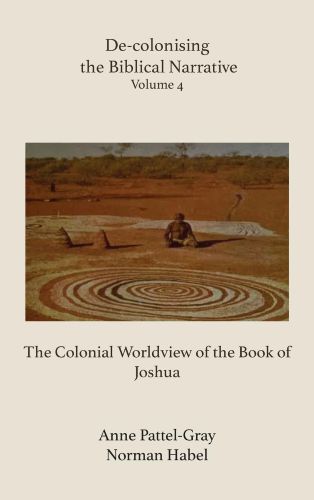 De-colonising the Biblical Narrative. Volume 4
The Colonial Worldview of the Book of Joshua
Volume 4


 Personified Mountains in Ancient Canonical Narratives
Spatial and Mythic Studies of Mesopotamian, Greek, and Hebrew Bible Landscapes
Volume 62
