
Bayuda and its Neighbours
Edited by Artur Obluski Edited by Henryk Paner Edited by Miroslaw Masojc

The Bayuda, although an arid desert located in modern-day Sudan, has nonetheless been inhabited, farmed, worshipped in, and fought over by humans from the Palaeolithic onwards. Yet despite the longevity of its human occupation, the region has only in recent years become the focus of more intensive scholarly research. This volume, the first in a series dedicated to exploring the archaeology and history of Northeast Africa, aims to build on this trend by drawing together the very latest archaeological research and data and shedding light on how the Bayuda Desert and its environs were transformed into a cultural landscape. The contributions gathered here introduce, examine, and (re)assess a number of important issues, many of which are new in the archaeology of Nubia, as well as considering them against a broader comparative background. From climate change over the past millennia–and its far-reaching consequences in the present–through to an examination of the cultural influences of the Kingdom of Kerma, and from analysis of funeral rites through to interpretations of rock art, forgotten trade routes, and the commerce in cattle and slaves, this insightful volume offers a wealth of new information into the history of ancient Nubia.
The Bayuda, although an arid desert located in modern-day Sudan, has nonetheless been inhabited, farmed, worshipped in, and fought over by humans from the Palaeolithic onwards. Yet despite the longevity of its human occupation, the region has only in recent years become the focus of more intensive scholarly research. This volume, the first in a series dedicated to exploring the archaeology and history of Northeast Africa, aims to build on this trend by drawing together the very latest archaeological research and data and shedding light on how the Bayuda Desert and its environs were transformed into a cultural landscape. The contributions gathered here introduce, examine, and (re)assess a number of important issues, many of which are new in the archaeology of Nubia, as well as considering them against a broader comparative background. From climate change over the past millennia–and its far-reaching consequences in the present–through to an examination of the cultural influences of the Kingdom of Kerma, and from analysis of funeral rites through to interpretations of rock art, forgotten trade routes, and the commerce in cattle and slaves, this insightful volume offers a wealth of new information into the history of ancient Nubia.
- Edited by Artur Obluski
- Edited by Henryk Paner
- Edited by Miroslaw Masojc
Other Titles in this Series



Similar Books


 Archaeological Discoveries at the Temple of Ramesses II in Abydos
Vol. 2: Old Kingdom Wall, Papyri, Ostraca, and Leather Remains


 Colour Concept “Secoli bui” a colori
Codici cromatici e architetture dipinte nell’età tardoantica e medievale
 Crossing Disciplines in the Study of Archaeology and Prehistoric Art: Insights from the Sahara and Mediterranean Africa
Proceedings of the XX UISPP World Congress (5–9 September 2023, Timișoara, Romania) Volume / Session 18
 Crossing Sacred Landscapes
Contacts and Continuities in the Desert Cults and Beliefs of Ancient Northern Arabia and the Arid Southern Levant
 Cuneiform Artefacts from Archaeological Contexts: New Research on Ancient Iraq
Proceedings of a Conference Held at the Bavarian Academy of Sciences and Humanities, July 4–5, 2024
Volume 2



 Exploring Prehistoric Pottery in Japan
A Study of Organic Inclusions, Adhering Materials, and Impressions of Woven Items
 From Coast to Coast
Current Archaeological Research on Cultural Exchange along and across the Baltic Sea
Volume 19
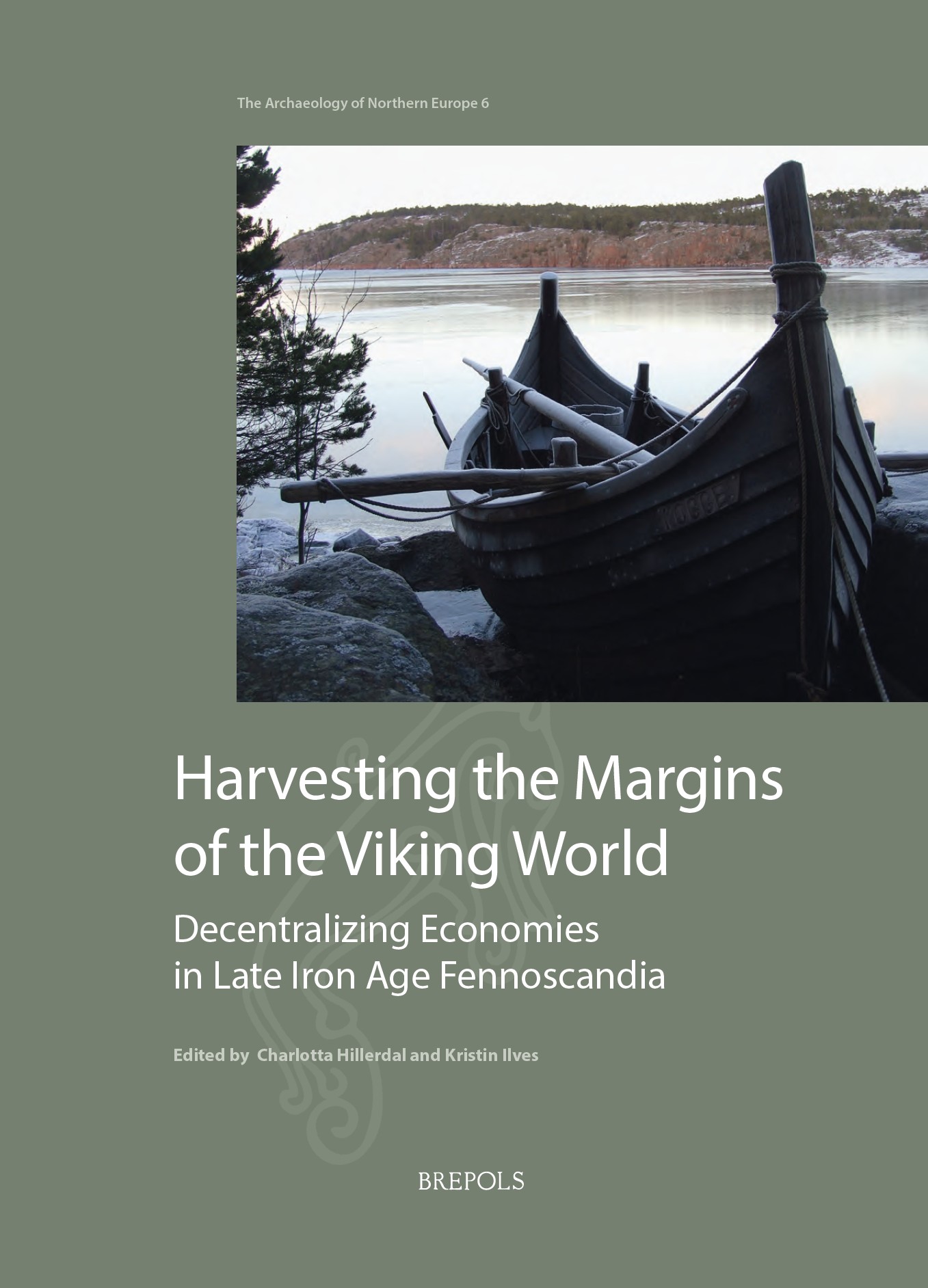 Harvesting the Margins of the Viking World
Decentralizing Economies in Late Iron Age Fennoscandia
Volume 6


 Linguistic and Cultural Dynamics in a Frontier Society
New Perspectives on Northeastern Bavaria and Western Bohemia in the Early Middle Ages
Volume 9


 Making and Meaning in the Bronze and Iron Ages
Chronology, Landscapes and Societies across Europe. Proceedings from the METALAGES2024 Colloquium (Florence, 23 October 2024)
 Medieval Yeghegis, Armenia
History, Archaeology, Society. Local Multiplicities and Global Connections of a Rural Centre on the Silk Road(s)


 Promoting the Profession
Papers in Honour of Peter Hinton Director of the Chartered Institute for Archaeologists 1997-2025


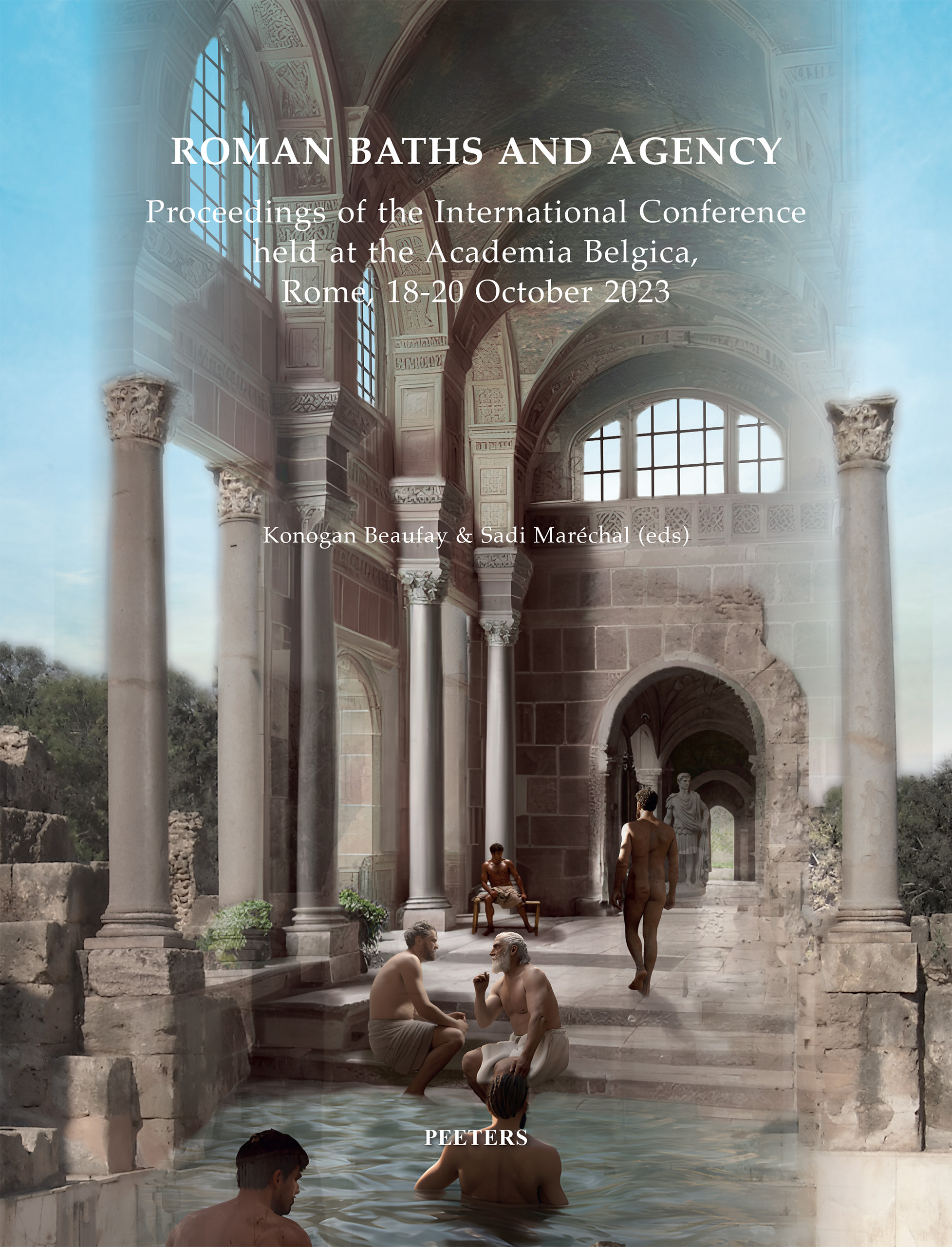 Roman Baths and Agency
Proceedings of the International Conference held at the Academia Belgica, Rome, 18-20 October 2023
Volume 51


