
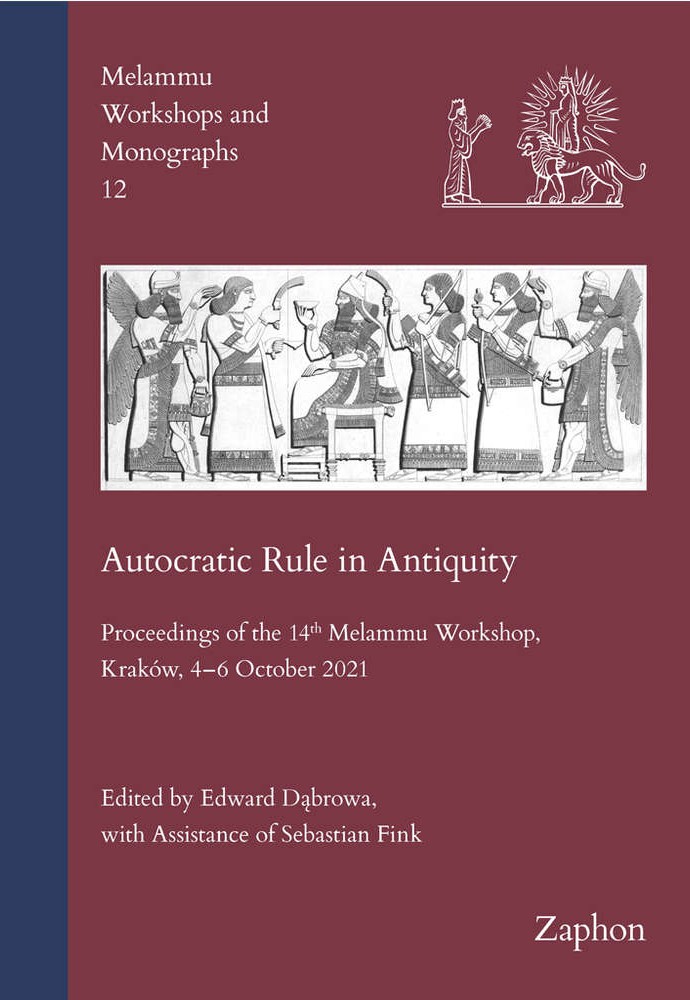
Autocratic Rule in Antiquity
Proceedings of the 14th Melammu Workshop, Krakow, 46 October 2021
edited by Edward Dabrowa
Hardback (Published)
(February 2025)
ISBN: 9783963272844
6.65 x 9.45 inches
Price: $107.00
In stock
Autocratic forms of government have been around in all historical periods, from ancient times to the present day. Autocracy has taken various forms, yet undoubtedly its most characteristic feature is the manner in which an individual or group exercises power – one contrary to the principles of the legal and political order underpinning the sociopolitical life of the collective in which it appeared. As a form of government, it took various forms, determined by a variety of factors. This diversity of forms in which the autocratic style of government manifested itself has led researchers to attempt to describe and classify them. The important place occupied by autocratic forms of government in the ancient world led the academic collective of the Melammu Project to choose autocracy in antiquity as the theme of the 14th Melammu Workshop. Among others, “Oriental Despots in the Inscriptions of Assurbanipal” are in the focus of Sebastian Fink; “Mycenaean Kingship” is dealt with by Josef Fischer and “Lydian Autocracy as Seen by the Greeks” by Francesca Gazzano. Jesper Majbom Madsen analyses “The Fear of Democracy and the Need of Autocracy in Cassius Dio’s Political Thinking”; “Thoughts on Autocratic Authorship in Antiquity” are presented by Matthias Haake and “Attributes of Power of the Hasmoneans” by Edward Dabrowa.
Autocratic forms of government have been around in all historical periods, from ancient times to the present day. Autocracy has taken various forms, yet undoubtedly its most characteristic feature is the manner in which an individual or group exercises power – one contrary to the principles of the legal and political order underpinning the sociopolitical life of the collective in which it appeared. As a form of government, it took various forms, determined by a variety of factors. This diversity of forms in which the autocratic style of government manifested itself has led researchers to attempt to describe and classify them. The important place occupied by autocratic forms of government in the ancient world led the academic collective of the Melammu Project to choose autocracy in antiquity as the theme of the 14th Melammu Workshop. Among others, “Oriental Despots in the Inscriptions of Assurbanipal” are in the focus of Sebastian Fink; “Mycenaean Kingship” is dealt with by Josef Fischer and “Lydian Autocracy as Seen by the Greeks” by Francesca Gazzano. Jesper Majbom Madsen analyses “The Fear of Democracy and the Need of Autocracy in Cassius Dio’s Political Thinking”; “Thoughts on Autocratic Authorship in Antiquity” are presented by Matthias Haake and “Attributes of Power of the Hasmoneans” by Edward Dabrowa.
- Edited by Edward Dabrowa
Other Titles in this Series
 Literary Change in Mesopotamia and Beyond and Routes and Travellers between East and West
Proceedings of the 2nd and 3rd Melammu Workshop
Volume 2
 Representing the Wise
A Gendered Approach: Proceedings of the 1st Melammu Workshop. Lille, 4-5 April 2016
Volume 1
 Domestic Trade and Maritime Trade in the Eastern Mediterranean and the Ancient Near East
Proceedings of the 10th Melammu Workshop, TRANSMARE Institute Trier, 11–13 December 2019
Volume 11
 Creating the Woman in Antiquity
Proceedings of the 16th Melammu Workshop, Innsbruck, 2–3 June 2022
Volume 13
 Responses to the 12th Century BC Collapse
Recovery and Restructuration in the Early Iron Age Near East and Mediterranean. Proceedings of the 9th Melammu Workshop, Tartu, 7-9 June 2019
Volume 10
 Making Peace in the Ancient World
Proceedings of the 7th Melammu Workshop, Padova, 5-7 November 2018
Volume 5
 Ceremonies, Feasts and Festivities in Ancient Mesopotamia and the Mediterranean World
Performance and Participation: Proceedings of the 11th Melammu Workshop, Barcelona, 29-31 January 2020
Volume 7

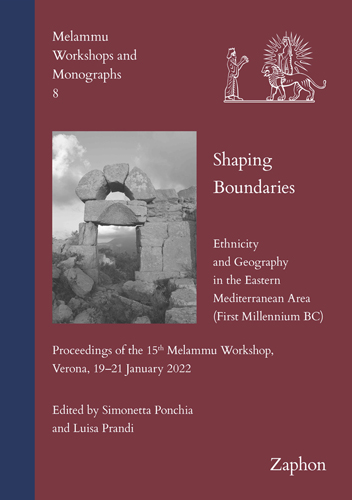 Shaping Boundaries
Ethnicity and Geography in the Eastern Mediterranean Area (First Millennium BC). Proceedings of the 15th Melammu Workshop, Verona, 19-21 January 2022
Volume 8
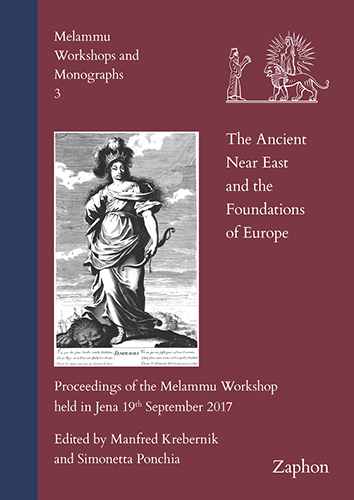 The Ancient Near East and the Foundations of Europe
Proceedings of the Melammu Workshop held in Jena 19th September 2017
Volume 3
Similar Books




 As Messianism Turns to Heresy
The Regenstein Chair Lectures On Lurianic Kabbalah and Shabbatai Tzevi at Hebrew Union College - Cincinnati


 Beyond Sovereign Courts
Agents and Practices in Early Modern Spanish and Habsburg Diplomacy
Volume 3
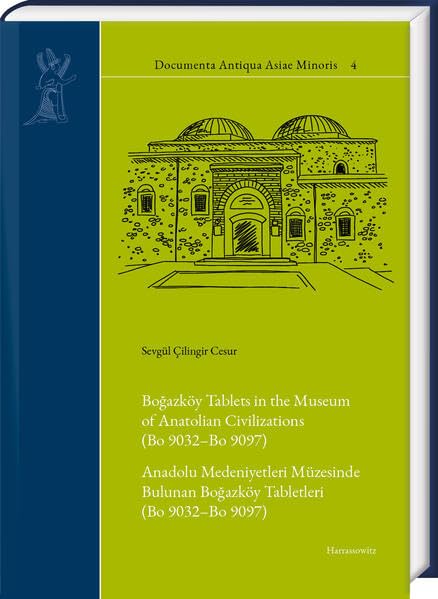 Boğazköy Tablets in the Museum of Anatolian Civilizations (Bo 9032–Bo 9097)
Anadolu Medeniyetleri Müzesinde Bulunan Boğazköy Tabletleri (Bo 9032–Bo 9097)
Volume 4


 Connecting the Dots: Counting, Writing, and the Beginnings of Civilization
The Secret Lives of Clay Tokens: A Memoir

 Curating the Prehistoric Past
Studies on West Asian Archaeology and Beyond in Honour of Yoshihiro Nishiaki



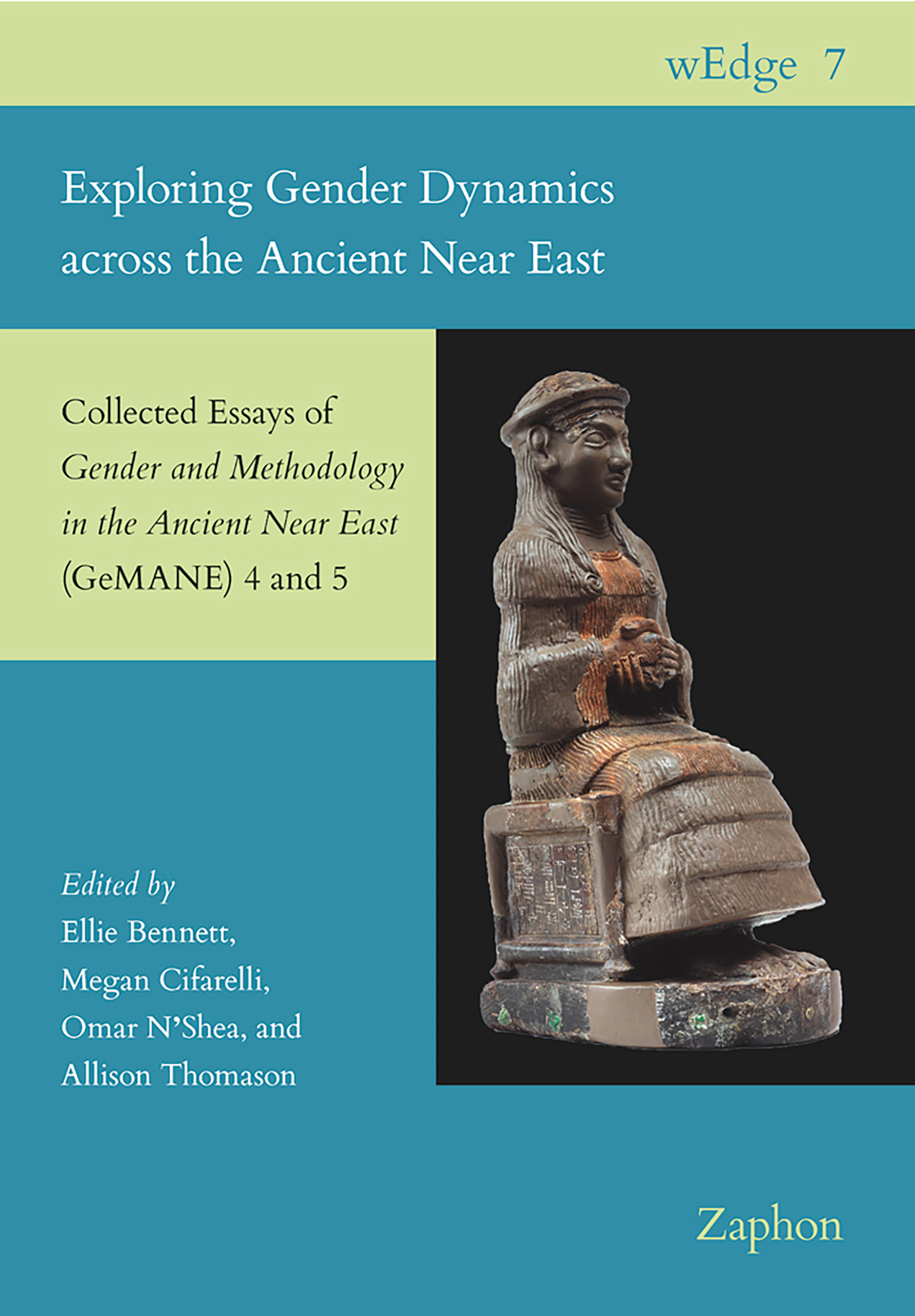 Exploring Gender Dynamics across the Ancient Near East
Collected Essays of Gender and Methodology in the Ancient Near East (GeMANE) 4 and 5
Volume 7

 Food Security under Armed Conflict
Global Knowledge Landscape and Public Attention to Social, Economic, and Humanitarian Dimensions


 Ḫattušaš utnē išḫameški
Hittite and Other Ancient Near Eastern Studies Presented to Piotr Taracha on the Occasion of His 65th Birthday


 Innovationes Lovanienses: Arts, Law and Theology at the University of Louvain (1425–1797)
Studium Lovaniense: Learning across Borders, 2
Volume 18


 Kultur – Kontakt – Kultur
Beiträge anlässlich der 66. Rencontre Assyriologique Internationale in Frankfurt/Main und Mainz, 25.–29. Juli 2022
Volume 35



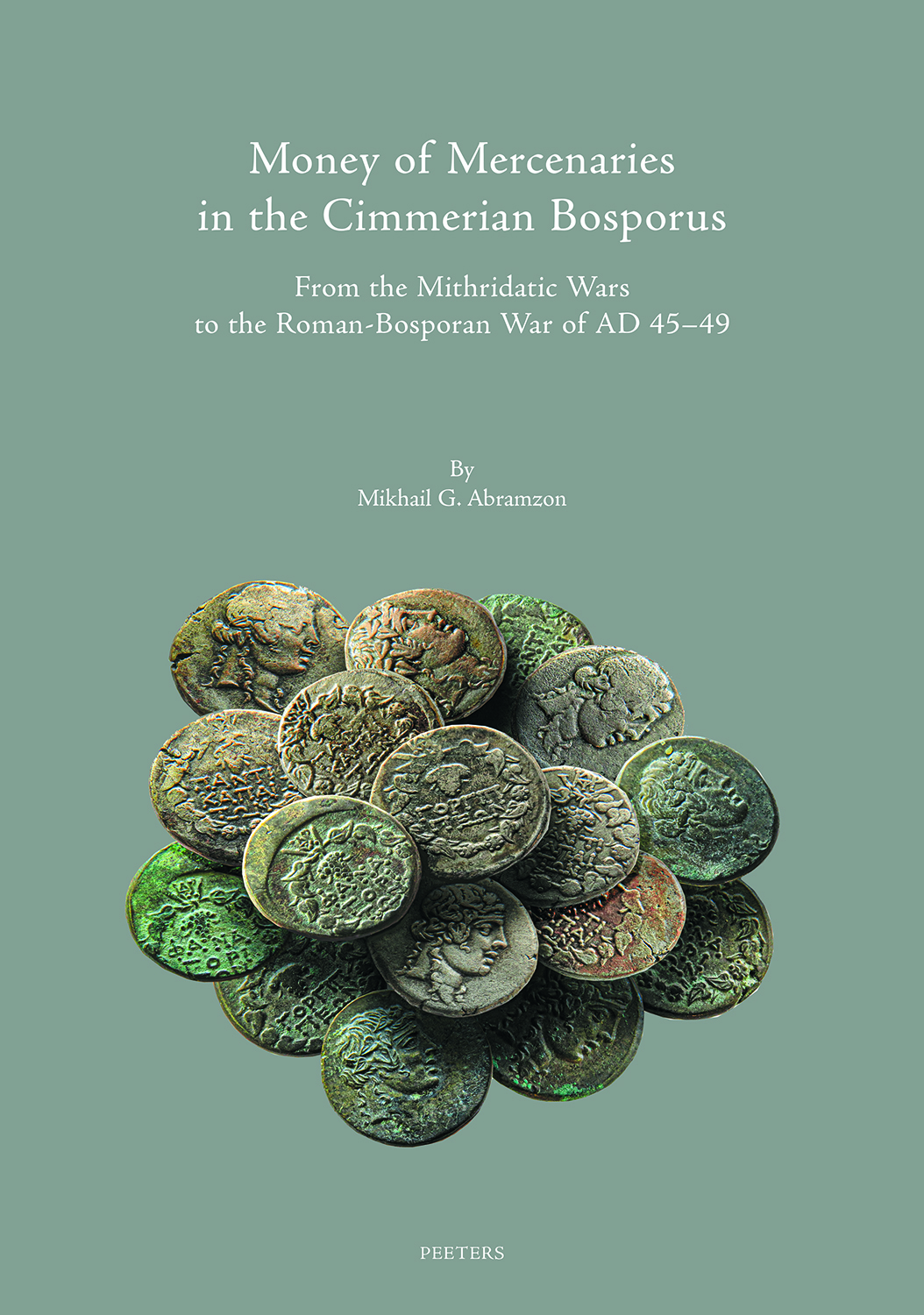 Money of Mercenaries in the Cimmerian Bosporus
From the Mithridatic Wars to the Roman-Bosporan War of AD 45-49
Volume 45

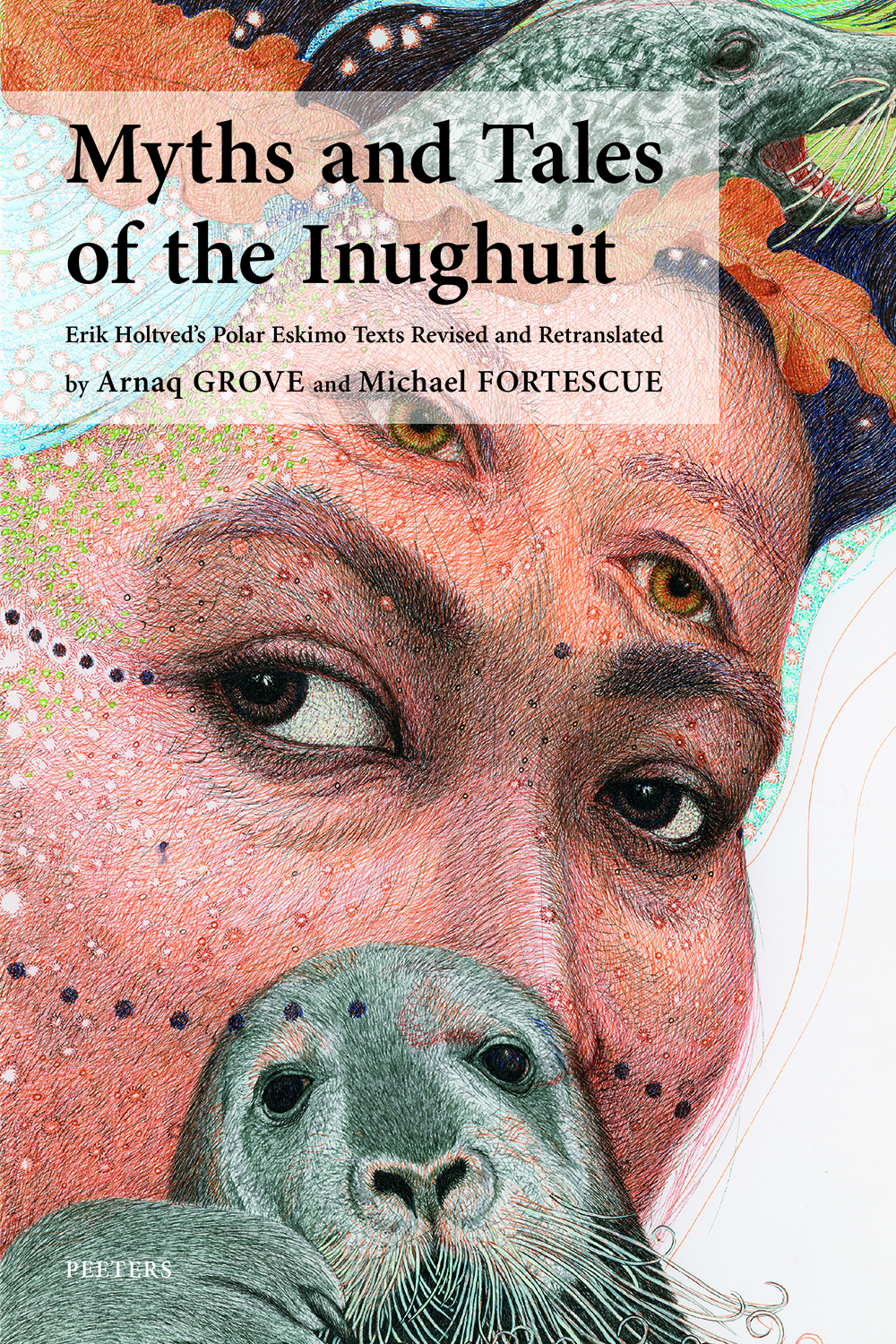 Myths and Tales of the Inughuit
Erik Holtved's Polar Eskimo Texts Revised and Re-translated into Danish and English
Volume 475, 12