
Archaeodiet in the Greek World
Dietary Reconstruction from Stable Isotope Analysis
Edited by Anastasia Papathanasiou Edited by Michael P. Richards Edited by Sherry C. Fox

Paperback (Published)
(August 2015)
ISBN: 9780876615492
8.46 x 10.94 inches
Price: $74.95
In stock
The analysis of stable isotope ratios of carbon and nitrogen in bone collagen provides a powerful tool for reconstructing past diets, since it provides the only direct evidence of the foods that were actually consumed. The chapters that comprise this volume describe the application of this methodology to the archaeology of Greece, a country whose archaeobotanical remains have been isotopically studied more extensively than any other place in the world. The archaeological issues that can be addressed using stable isotope methods include the importance of fishing; the possible early introduction of millet; the nature of childrearing including weaning age and weaning foods; temporal shifts in protein consumption; differential access to certain foods associated with social status as well as gender and age; and cultural differences in dietary patterns. Additionally, diet is strongly correlated with health or stress markers in the teeth and bones. Knowing what people ate has vital implications for our understanding of past environments and economies, subsistence strategies, and nutrition.
- Edited by Anastasia Papathanasiou
- Edited by Michael P. Richards
- Edited by Sherry C. Fox
Other Titles in this Series
 Studies in Athenian Architecture, Sculpture, and Topography Presented to Homer A. Thompson
Volume 20
 The Molyvoti, Thrace, Archaeological Project 1
Landscape, Architecture, and Material Culture
Volume 54


 Ceramicus Redivivus
The Early Iron Age Potters' Field in the Area of the Classical Athenian Agora
Volume 31


Similar Books

 Caesar’s Visions and Impact on the Roman Empire
Revisiting the Archaeological and Historical Record of the 40s BC
Volume 2


 Etruscan and Roman Hellenistic Anatomical ex votos
Reassessing Popular Religious Expressions in Central Italy
Volume 8


 Invisible Labour in Antiquity
Visualizing Obscure Work in the Ancient Mediterannean and West Asia
Volume 1
 Late Antique villae in the Balkans (3rd–7th c. AD): Current Research Questions and Perspectives
HAEMUS Companion to the Late Antique Balkans 1
Volume 4


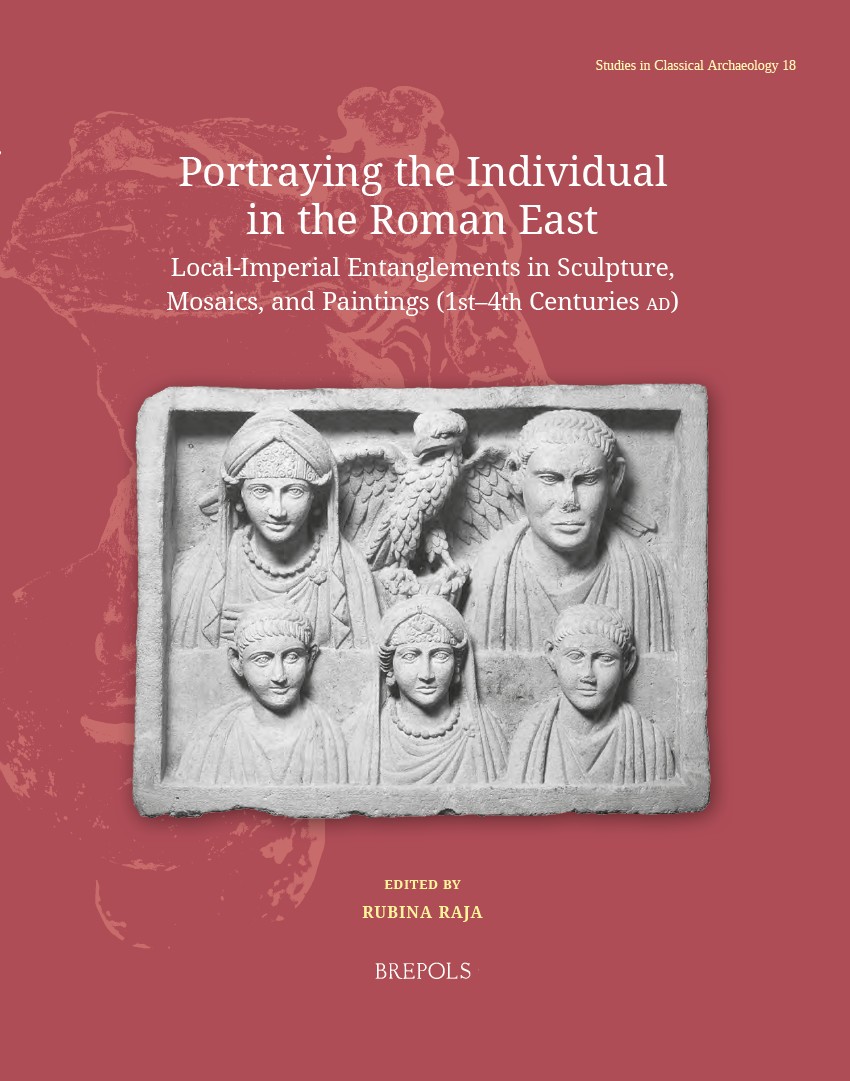 Portraying the Individual in the Roman East
Local–Imperial Entanglements in Sculpture, Mosaics, and Paintings (First–Fourth Centuries AD)
Volume 18

 Small Worlds and Relational Agencies: Local Societies in Early Medieval Iberia
Pequeños mundos y Agencias relacionales: Sociedades locales altomedievales en la Península Ibérica

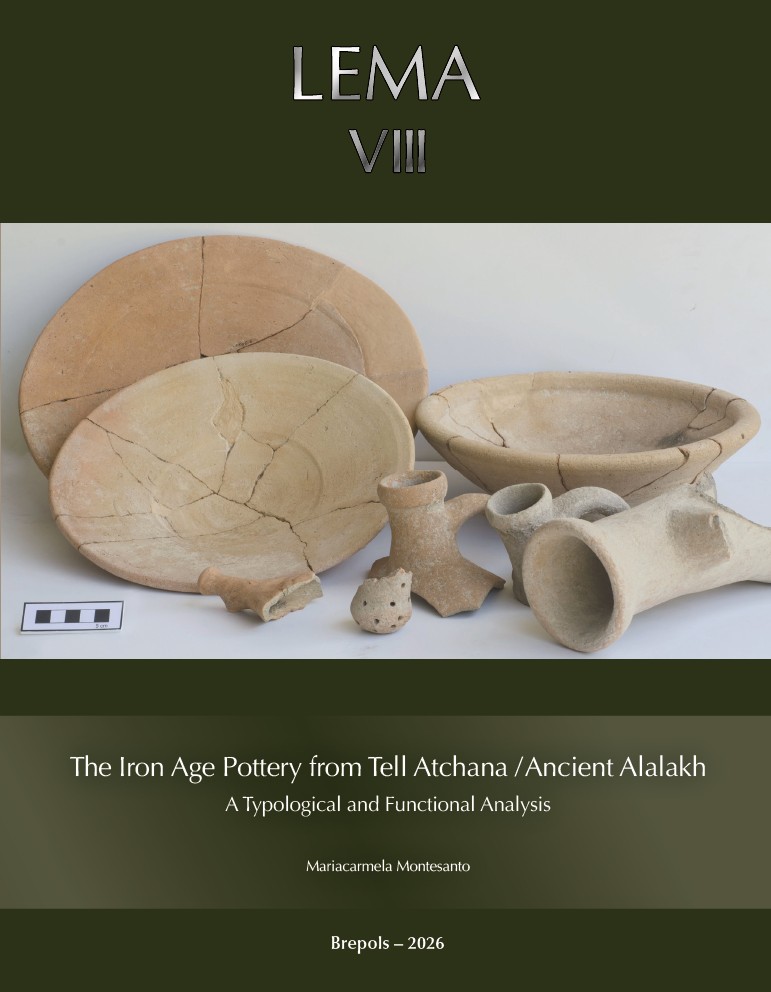 The Iron Age Pottery from Tell Atchana / Ancient Alalakh
A Typological and Functional Analysis
Volume 8

 Writing in the Church of the Nativity in Bethlehem
Inscription and Graffiti in a Multilingual and Multigraphic Perspective
Volume 45


 Atlante tematico di topografia antica 36-2026
Urbanistica e monumenti, porti, Roma. Ricerche sui monti Aurunci
Volume 36
 Cerámica común romana y ciclo haliéutico
Análisis de los contextos de las cetariae de Iulia Traducta

 Nuove scoperte e progressi nelle metodologie di rilievo e analisi dell’arte rupestre post-paleolitica in Italia
New discoveries and progress in the tracing and analysis methodologies of the post-Paleolithic rock art in Italy


 A Dramatic Event in Late Roman Florence
The Anomalous Burial Site Discovered beneath the Uffizi Gallery

 Alexander the Great and the Campaign of Gaugamela
New Research on Topography and Chronology. IAMNI 1 (Italian Archaeological Mission to Northern Iraq)
Volume 53


 Approaching Ancient Greek Coastal and Inland Poleis in the Northern Peloponnese
New Research in the Microregions of Aigeira, Lousoi and Sikyon
Volume 4