
Apsaros
A Roman Fort on the Colchis Coast
by Radoslaw Karasiewicz-Szczypiorski

A new perspective on the history of the Roman fort of Apsaros and the Roman military presence in Colchis gleaned from recent archaeological research
From AD 63/64, when the Roman Empire annexed the kingdom known as Pontus Polemoniacus, up to c. 257 and the invasion of the Borans, the coast of Colchis, in modern-day Georgia, hosted a Roman garrison system that stretched along the south-eastern edge of the Black Sea. One such Roman fort, at the site of Apsaros (Gonio, Georgia) has been the subject of intensive interdisciplinary research, with a focus on exploring the site and its environs to shed new light on the history, chronology, and periodization of the Roman military presence. From the discovery of traces of the presence of four cohorts of the V Macedonian legion through to analysis of the ruins of the garrison commander’s house, which was equipped with private baths and decorated with mosaics, this volume draws together ground-breaking new research to shed new light on Roman Colchis, the garrisons who lived here, and their complicated relations with local tribes.
- By (author) Radoslaw Karasiewicz-Szczypiorski
- By (author) Radosław Karasiewicz-Szczypiorski
Other Titles in this Series
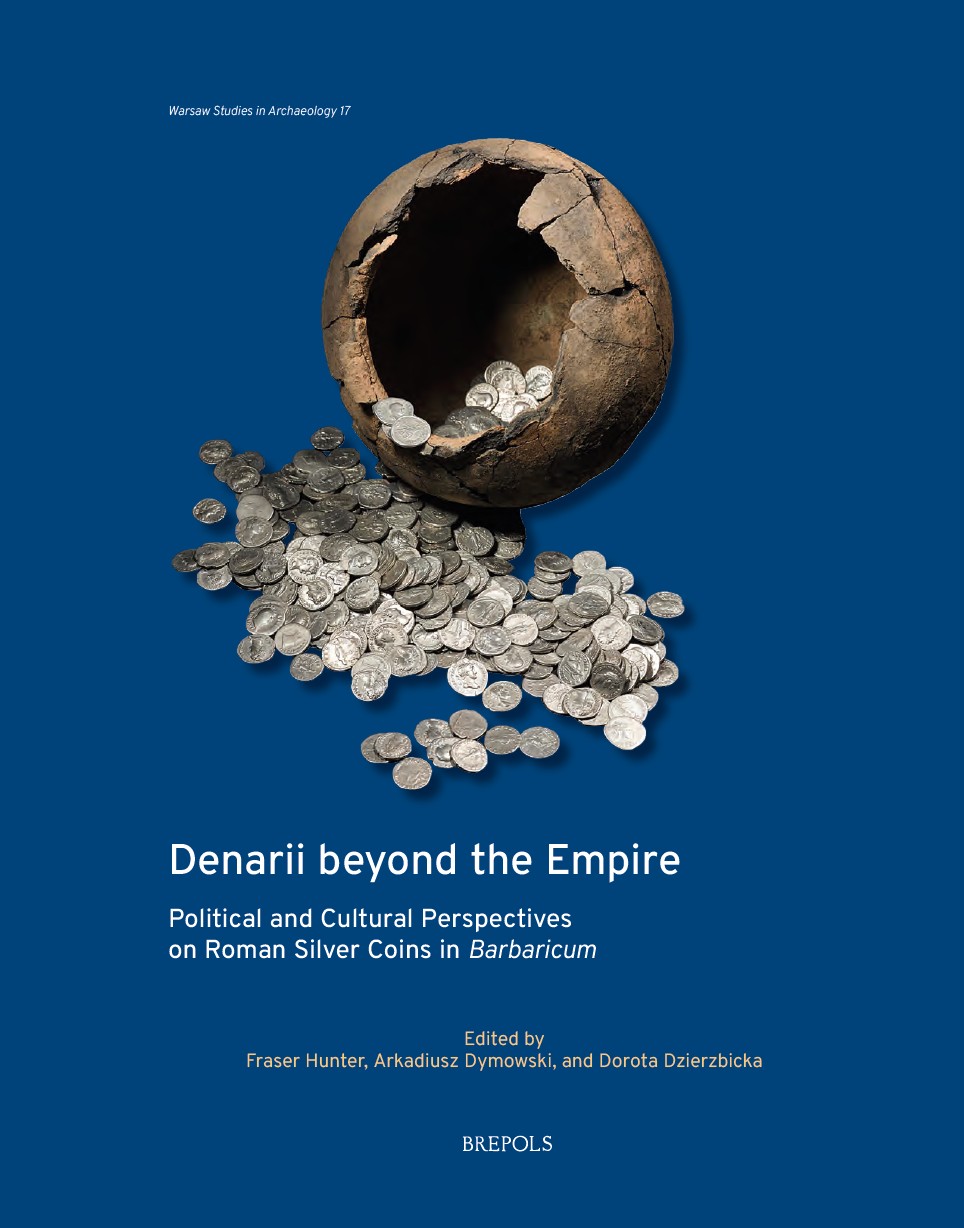 Denarii beyond the Empire
Political and Cultural Perspectives on Roman Silver Coins in Barbaricum
Volume 17
 Proceedings of the XVI International Numismatic Congress, 11-16.09.2022, Warsaw
Vol. I. Greek Numismatics
Volume 10
 Proceedings of the XVI International Numismatic Congress, 11- 16.09.2022, Warsaw
Vol. IV. Medals, Modern and General Numismatics
Volume 13

 Proceedings of the XVI International Numismatic Congress, 11-16.09.2022, Warsaw
Vol. II. Roman Numismatics: 11.1 Coinage, 11.2 Circulation
Volume 11
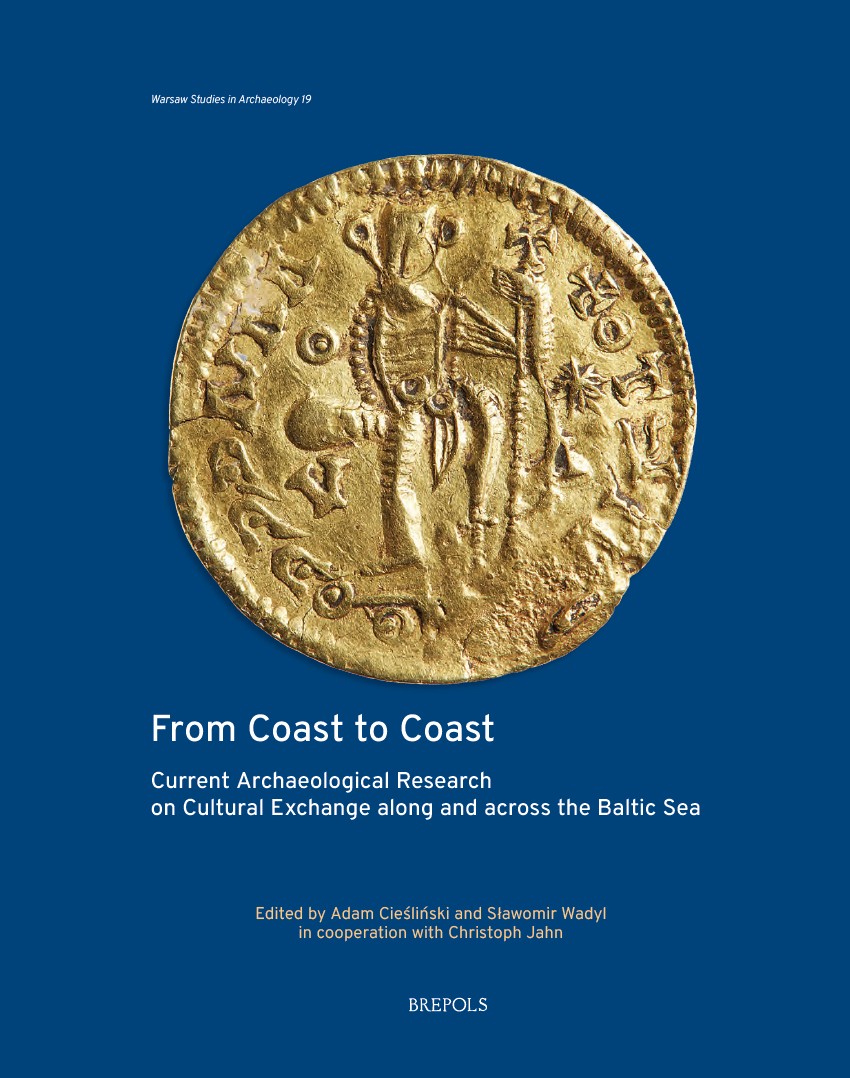 From Coast to Coast
Current Archaeological Research on Cultural Exchange along and across the Baltic Sea
Volume 19
 Proceedings of the XVI International Numismatic Congress, 11-16.09.2022, Warsaw
Vol. III. Medieval Numismatics
Volume 12
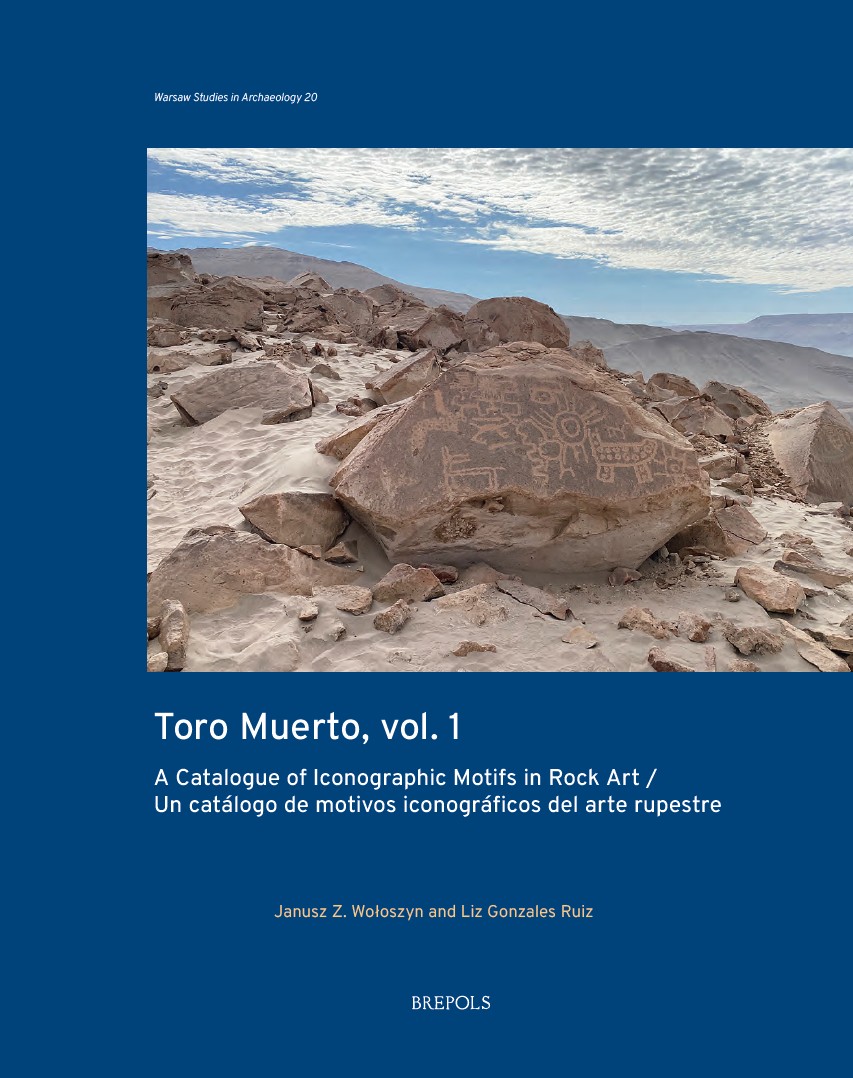 Toro Muerto, vol. I
A Catalogue of Iconographic Motifs in Rock Art / Un catálogo de motivos iconográficos del arte rupestre
Volume 20
 Archaeological Finds from the Main Town in Gdansk
A Catalogue from Excavations at Dlugi Targ and Powroznicza Street
Volume 2

 Living with the Army II
The Results of Remote Sensing and Fieldwalking Surveys in Novae (Lower Moesia)
Volume 4
 The Archaeology of War
Studies on Weapons of Barbarian Europe in the Roman and Migration Period
Volume 1


 Counterfeits, Imitations, and Copies of Roman Imperial Denarii
Making and Faking Coins on Both Sides of the Limes
Volume 8


Similar Books


 Caesar’s Visions and Impact on the Roman Empire
Revisiting the Archaeological and Historical Record of the 40s BC
Volume 2

 Construction Processes in Historical Western Societies (5th c. BC – 10th c. AD)
Case Studies on Techniques, Models, and Costs


 Etruscan and Roman Hellenistic Anatomical ex votos
Reassessing Popular Religious Expressions in Central Italy
Volume 8




 Invisible Labour in Antiquity
Visualizing Obscure Work in the Ancient Mediterannean and West Asia
Volume 1

 Late Antique villae in the Balkans (3rd–7th c. AD): Current Research Questions and Perspectives
HAEMUS Companion to the Late Antique Balkans 1
Volume 4





 Portraying the Individual in the Roman East
Local–Imperial Entanglements in Sculpture, Mosaics, and Paintings (First–Fourth Centuries AD)
Volume 18


 Roman Copies, Collecting, and Culture in the Bay of Naples and Beyond
Papers in Honor of Eugene J. Dwyer
 Small Worlds and Relational Agencies: Local Societies in Early Medieval Iberia
Pequeños mundos y Agencias relacionales: Sociedades locales altomedievales en la Península Ibérica
 SOMA 2023: Proceedings of the 24th Symposium on Mediterranean Archaeology
Ideas that Travelled by the Sea, Udine, 2-4 February, 2023


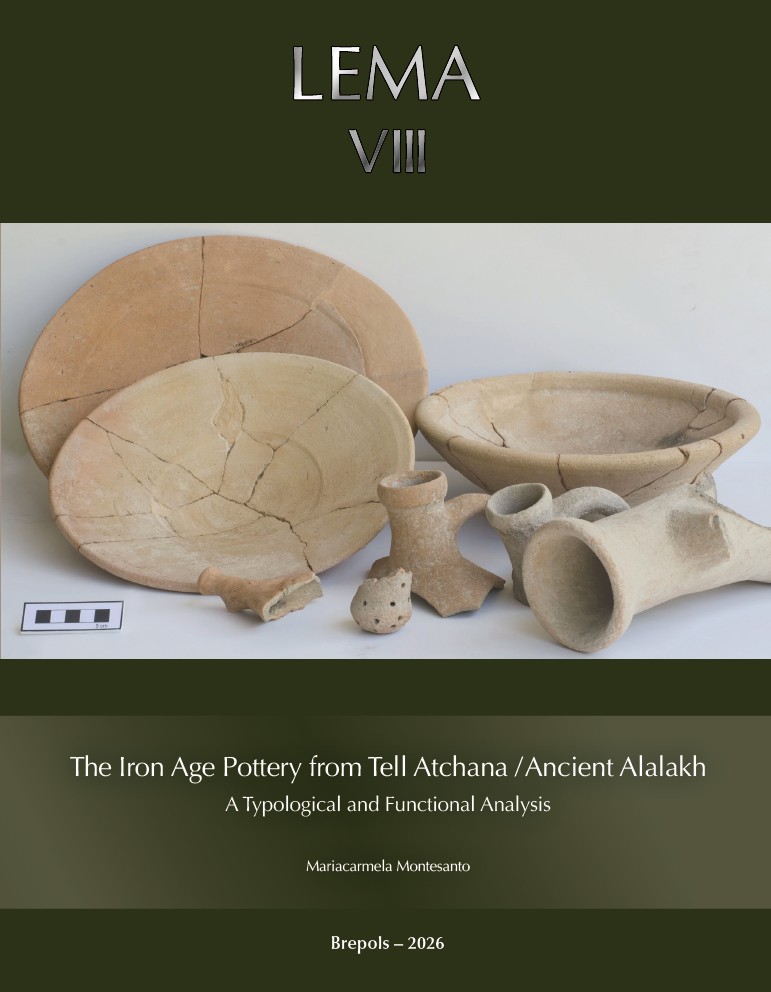 The Iron Age Pottery from Tell Atchana / Ancient Alalakh
A Typological and Functional Analysis
Volume 8


 Writing in the Church of the Nativity in Bethlehem
Inscription and Graffiti in a Multilingual and Multigraphic Perspective
Volume 45
 Zooarchaeology of Ancient Greek Sanctuaries in Southwestern Sicily
Faunal Analysis from Selinus and Akragas as Evidence of Differences in the Treatment of Animals for Ritual Purposes


