
Allegories of Breathing
Intersections of Language and Life in Literature
Edited by Zoltan Kulcsar-Szabo Edited by Csongor Lorincz Edited by Gabor Mezei Edited by Gabor Tamas Molnar Edited by Attila Simon

Hardback (Published)
(February 2026)
ISBN: 9783515140263
6.69 x 9.49 inches
Price: $102.00
In stock
The aim of this volume is to present a quite recent focus on the ways biological materiality of bodily existence comes into closest contact with literary or cultural communication. The studies examine not only how breathing, understood as a complex site of intersections between life and language, is thematised, but also how it becomes a textual factor in literary writing. The topicality of the subject, given the broader cultural, social, and political context, is obvious: the climate crisis and the pandemic in recent years, or even a sentence that occupied the political public for months in 2020 (“I can’t breathe”), have confronted us with the fact that breathing has become a visible medium. Literature’s interest in breathing is of course nothing new: as the fundamental intersection of the linguistic and biological conceptions of life, it has been present in ideas about the creation, transmission, and reception of literature since the beginnings of European culture.
Breathing, therefore, must clearly be a starting point for all examinations of literature and language in cultural studies, as it bears witness to the dependence of language on life in a biological context.
- Edited by Zoltan Kulcsar-Szabo
- Edited by Csongor Lorincz
- Edited by Gabor Mezei
- Edited by Gabor Tamas Molnar
- Edited by Attila Simon
Other Titles in this Series


Similar Books


 Drunk the Potion, No Whit Charmed
The Doctrine of Pure and Perfect Souls from Iamblichus to Damascius
 Éthique, politique, religions
Superstition (XVIIe - XXIe siècles). Sémantique, histoires et cultures


 La Lettre clandestine
La littérature philosophique clandestine, ses éditeurs et ses éditions
Volume 34
 Libertinage et philosophie à l’époque classique (XVIe-XVIIIe siècle)
Athéisme, Modernité et Sécularisation / Atheism, Modernity and Secularization
Volume 23


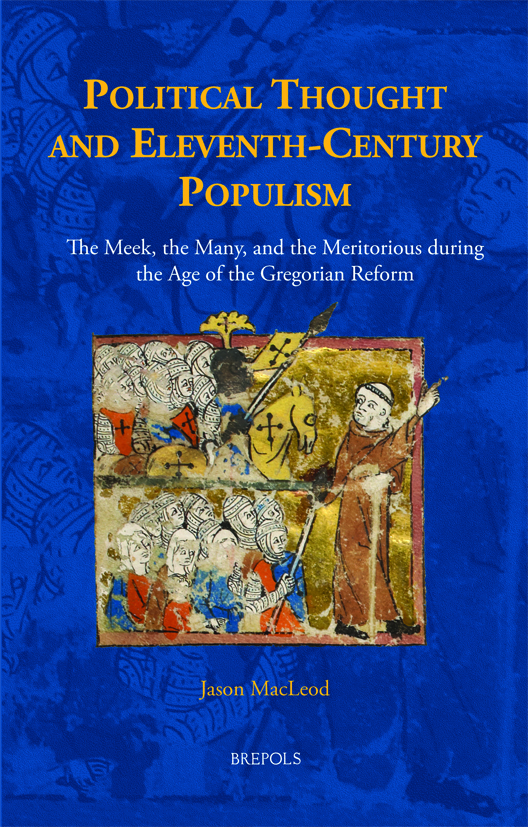 Political Thought and Eleventh-Century Populism
The Meek, the Many, and the Meritorious during the Age of the Gregorian Reform
Volume 38


 The Latin Hermes in Translation
Asclepius, Glosses on Trismegistus, Book of Six Principles of Things, Book of 24 Philosophers
Volume 50



 ‘Emergente Evolution’?
Fallstudien zur philosophischen Rekonstruktion und schopfungstheologischen Rezeption eines naturalistischen Paradigmas
Volume 40
 Al-Ğābirīs Genese und Kritik der Arabischen Vernunft
On Genesis and Critique of Arab Reason by Muḥammed ʿĀbid al-Ğābirī


 Geschichte der Ästhetik und Kunsttheorie
Band 1: Von der Antike bis zum 19. Jahrhundert. 2. aktualisierte Auflage


