
Actes de la 1re Journee d’etudes sur la Libye antique et medievale (30 janvier 2010, Sorbonne, Paris)
Hommage a Andre Laronde, membre de l'Academie des Inscriptions et Belles-Lettres (Institut de France), directeur de la Mission archeologique francaise en Libye
edited by M. Zink and J.-M. Mouton

La Libye est longtemps apparue comme une zone difficilement accessible aux chercheurs bien que ce territoire soit porteur d’une tres riche histoire et d’un patrimoine exceptionnel. Depuis des annees 1970, la Mission archeologique francaise en Libye n’a pourtant eu de cesse de multiplier l’exploration et l’etude de nouveaux sites dans ce pays allant de la periode prehistorique jusqu’a l’epoque medievale. Une premiere Journee d’etudes sur la Libye antique et medievale a ete organisee en janvier 2010 a l’EPHE sous le patronage d’Andre Laronde qui nous a quitte depuis lors. La publication de cette manifestation est d’abord un hommage qui lui est rendu en presentant les activites de la Mission qu’il a dirigee durant 30 ans. La premiere partie de cet ouvrage explore differents sites archeologiques et monuments historiques de Libye depuis la grotte prehistorique d’Abu Tamsa et les sanctuaires rupestres de Cyrenaique jusqu’a Erythron et ses productions de ceramiques byzantines. La presentation des mosquees ibadites du djebel Nafusa et des itineraires libyens de l’epoque medievale apparaissant chez le celebre geographe al-Idrisi viennent clore cette premiere approche. La seconde partie est consacree a l’histoire, aux etudes archeologiques et a l’urbanisme de la ville medievale de Syrte (Surt). Libya seemed for a long time to be a place of difficult access for researchers, even if it is a territory holds a rich history and a unique heritage. Since the 1970s, the French Archaeological Mission in Libya has been sending multiple teams for exploration, research and study of new sites in Libya, whose researches range from the prehistorical period to the medieval times. A first study day on ancient and medieval Libya was organized in January 2010 in the EPHE, under the patronage of Andre Laronde who has left us since. Publishing the proceedings of that event is first and foremost a tribute to him, by presenting the activities of the Mission he led for 30 years. The first part of this book explores the various archaeological sites and historical monuments of Libya since the prehistoric cave of Abu Tamsa and rock sanctuary of Cyrenaica until Erythron and its production of Byzantine ceramics. The presentation of Ibadi Mosques of Djebel Nafusa and the itinerary of Libyans in the medieval times which are mentioned by the renowned geographer, al-Idrisi close this first part. The second part is devoted to history, archaeological studies and planning of the medieval town of Syrt (Surt).
- Edited by J-M Mouton
- Edited by M Zink
Other Titles in this Series
 IIIe Journee d’etudes anglo-normandes
Adaptation, parodie et autres emplois: Colloque organise par l'Academie des Inscriptions et Belles-Lettres a l'Academie des Inscriptions et Belles-Lettres le 8 juin 2012
Similar Books


 Archaeological Excavations at Irmis Rka: An Investigation of a Multi-Layered Settlement in Southwest Georgia
Results from the 2020 Season: Early Bronze Age to Medieval Occupations


 Catuvellaunia and Rome: Economic and Political Relations during the Final Decades Pre-conquest
The Role of Grain from Southeastern Britain and Its Potential for Maintenance of the Roman Military along the Frontier on the Rhine
 Colour Concept “Secoli bui” a colori
Codici cromatici e architetture dipinte nell’età tardoantica e medievale

 Crossing Disciplines in the Study of Archaeology and Prehistoric Art: Insights from the Sahara and Mediterranean Africa
Proceedings of the XX UISPP World Congress (5–9 September 2023, Timișoara, Romania) Volume / Session 18
 Crossing Sacred Landscapes
Contacts and Continuities in the Desert Cults and Beliefs of Ancient Northern Arabia and the Arid Southern Levant
 Cuneiform Artefacts from Archaeological Contexts: New Research on Ancient Iraq
Proceedings of a Conference Held at the Bavarian Academy of Sciences and Humanities, July 4–5, 2024
Volume 2

 ENTANGLED AFRICA
Intra-African Relations Between Rain Forest and Mediterranean from Around 4,000 BCE to 1,500 CE


 Exploring Prehistoric Pottery in Japan
A Study of Organic Inclusions, Adhering Materials, and Impressions of Woven Items

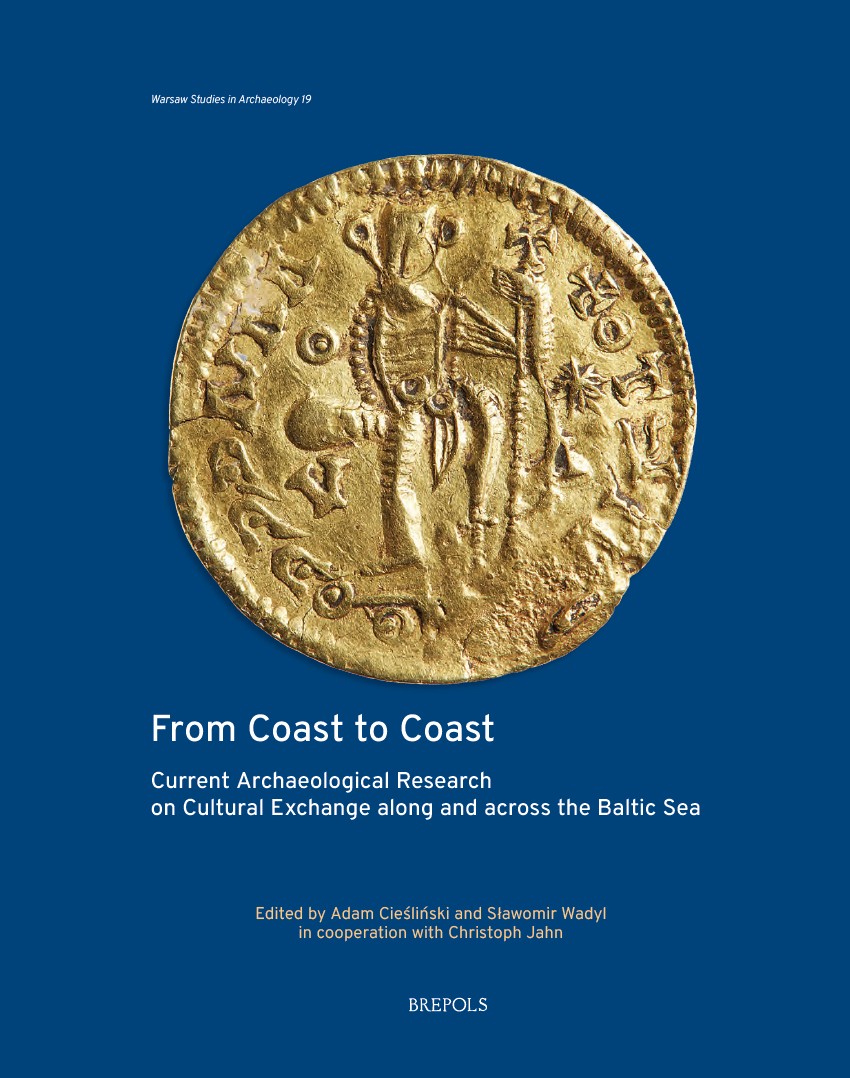 From Coast to Coast
Current Archaeological Research on Cultural Exchange along and across the Baltic Sea
Volume 19
 Frontiers of the Roman Empire: The Frontier of the Roman Province of Raetia
Grenzen des Römischen Reiches: Die Grenze der Römischen Provinz Raetien
 Gold, Silver and Glass: Power Networks, Cultural Identities, Technology Transfers and Agency across the Old World (7th Century BC – 1st Century AD)
Proceedings of a Conference Held at the British Museum, 16–18 June 2023
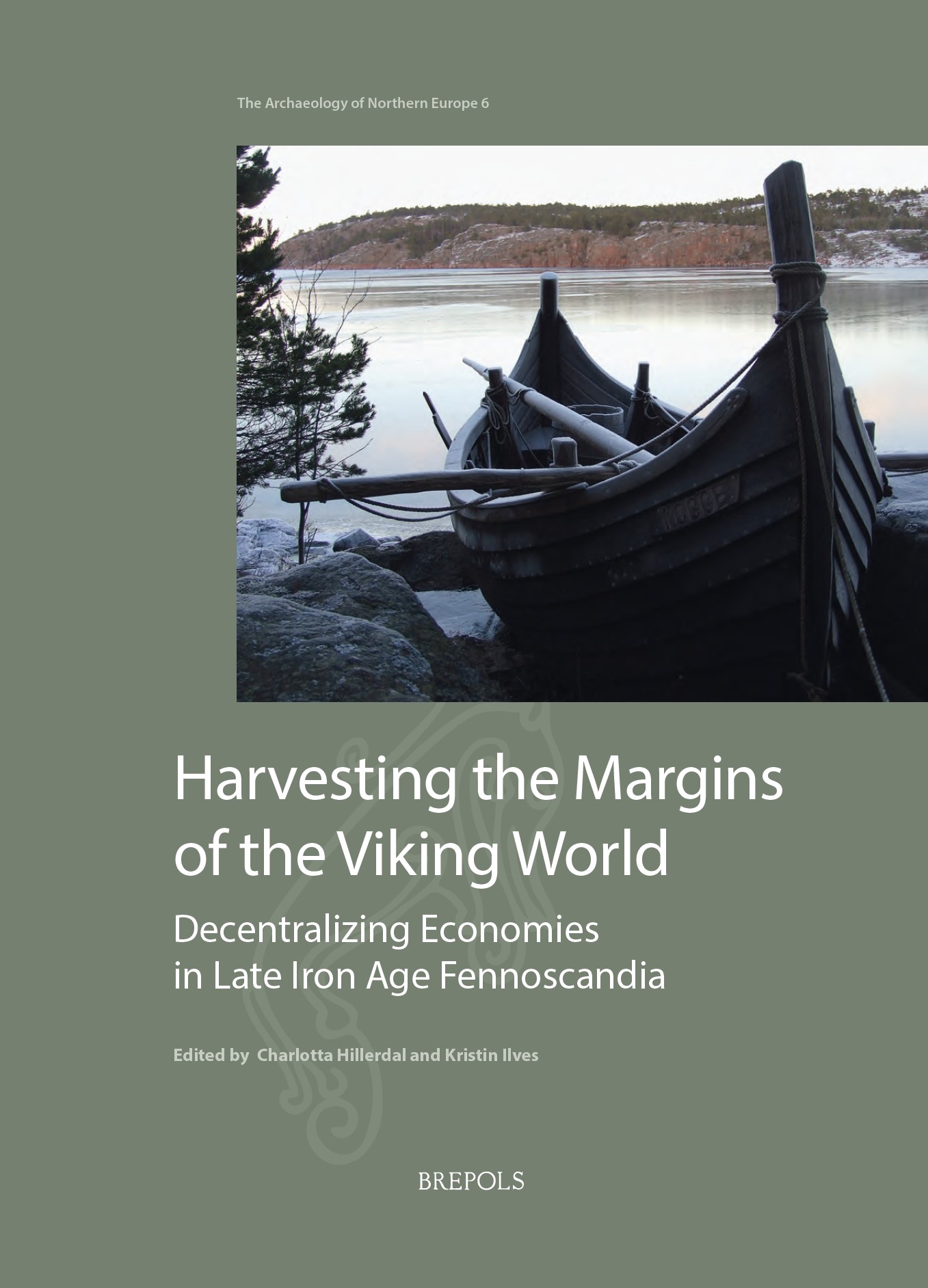 Harvesting the Margins of the Viking World
Decentralizing Economies in Late Iron Age Fennoscandia
Volume 6
 Images of Anonymous Women
A Semiotic Approach to Image-Text Relations in Interpretation of Ancient Near Eastern Art and the Hebrew Bible
Volume 310

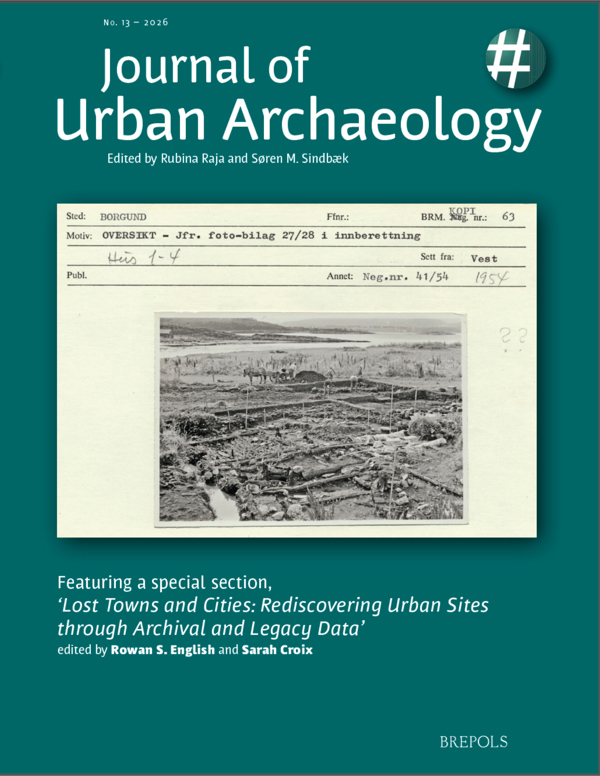 Journal of Urban Archaeology 13 (2026)
Featuring a special section, ‘Lost Towns and Cities: Rediscovering Urban Sites through Archival and Legacy Data’


 Making and Meaning in the Bronze and Iron Ages
Chronology, Landscapes and Societies across Europe. Proceedings from the METALAGES2024 Colloquium (Florence, 23 October 2024)

 Medieval Yeghegis, Armenia
History, Archaeology, Society. Local Multiplicities and Global Connections of a Rural Centre on the Silk Road(s)
 Mobility and Archaeogenetics in Central Asia
People – Goods – Ideas. 3rd International Conference on Central Asian Archaeology in Bern, 11th–13th January 2024
Volume 24


 Offa’s Dyke Journal: Volume 7 for 2025
A Journal for Linear Monuments, Frontiers and Borderlands Research


