Ars et methodus
Philipp Melanchthon’s Humanist concept of philosophy
By (author) Sandra Bihlmaier Series edited by Herman J. Selderhuis Associate editor Christopher B. Brown Associate editor Günter Frank Associate editor Bruce Gordon Associate editor Barbara Mahlmann-Bauer Associate editor Tarald Rasmussen Associate editor Violet Soen Associate editor Zsombor Tóth Associate editor Günther Wassilowsky Associate editor Siegrid Westphal
Hardback (Published)
(July 2018)
ISBN: 9783525570593
6.34 x 9.33 inches
Price: $150.00
In stock
A detailed analysis of the development and scope of the Melanchthonian dialectic and rhetoric.
Sandra Bihlmaier constitutes a historical and philosophical analysis of Philipp Melanchthon’s concept of method and philosophy. By means of a detailed inquiry into Melanchthon’s textbooks of dialectic and rhetoric it uncovers the emergence and development of a notion of method which underlies an encyclopedic understanding of philosophy. The work reveals both the traditions of rhetoric and dialectic which Melanchthon builds on in his own works, as well as the Reformer’s own original reinterpretation of these traditions. Moreover, the reinterpretation and transformation of essential concepts taken from traditional accounts is thematized against the background of the canon of arts and sciences, which undergoes a fundamental change during the European Renaissance. The understanding, configuration, and the applicability of this canon is deeply influenced by this original concept of method. Philipp Melanchthon’s concept of method and philosophy is central to the understanding of 16th century definition of philosophy. Melanchthon’s attempt to integrate into a former theoretical discipline, both the aspect of usefulness, as well as a degree of general applicability in human affairs, testifies to the fertility of his philosophical program. Also his project is highly relevant for an understanding of philosophy which transgresses contemporary idiosyncratic categories of philosophical knowledge and draws attention to two fundamental historiographical aspects. First, it cautions historians and philosophers against transferring current definitions of philosophy to works which emerge from different historical, social and intellectual traditions. Second, it raises the awareness of the reader regarding his own understanding of philosophy and of its underlying presuppositions.
- By (author) Sandra Bihlmaier
- Series edited by Herman J. Selderhuis
- Associate editor Christopher B. Brown
- Associate editor Günter Frank
- Associate editor Bruce Gordon
- Associate editor Barbara Mahlmann-Bauer
- Associate editor Tarald Rasmussen
- Associate editor Violet Soen
- Associate editor Zsombor Tóth
- Associate editor Günther Wassilowsky
- Associate editor Siegrid Westphal
Other Titles in this Series
 Lutheran Theology and the shaping of society: The Danish Monarchy as Example
The Danish Monarchy as Example


 Anton Engelbrecht 1487–1556
Eine Biografie und eine vollständige Edition der Acten des sunderlichen sinodums die oberkeit belangend (1533)
 From Europe to Overseas
Saints, Martyrs, Heroes, Models and Soft Power in an Early Modern Global Perspective
 allen winkeln auff erden durch so viel bucher furgetragen
Formierung und Konsolidierung des lutherischen Bekenntnisses in Siebenbürgen aufgezeigt am Medium Buch (1550–1650)



 Sebastian Castellio (1515–1563) – Dissidenz und Toleranz
Beiträge zu einer internationalen Tagung auf dem Monte Verità in Ascona 2015



 Konfessionelle Vielfalt als Herausforderung und Perspektive
Zur Verschränkung von Religion und Politik im frühneuzeitlichen Ostmitteleuropa
 Konsolidierung des reformierten Bekenntnisses im Reich der Stephanskrone
Ein Beitrag zur Kommunikationsgeschichte zwischen Ungarn und der Schweiz in der frühen Neuzeit (1500–1700)
 The Council of Trent: Reform and Controversy in Europe and Beyond (1545-1700)
Vol. 1: Between Trent, Rome and Wittenberg
 The Doctrine of Election in Reformed Perspective
Historical and Theological Investigations of the Synod of Dordt 1618–1619


 Petrus Dathenus und der Heidelberger Katechismus
Eine traditionsgeschichtliche Untersuchung zum konfessionellen Wandel in der Kurpfalz um 1563
 The Council of Trent: Reform and Controversy in Europe and Beyond (1545-1700)
Vol. 2: Between Bishops and Princes

Similar Books


 Balthasar Caymox of Nuremberg
Early Modern German Print Publishers: Popular Prints of the Seventeenth Century


 Beyond Sovereign Courts
Agents and Practices in Early Modern Spanish and Habsburg Diplomacy
Volume 3


 Circulation, Use, Impact
The Consumption of Architectural Books in the Early Modern Eastern Adriatic
Volume 1


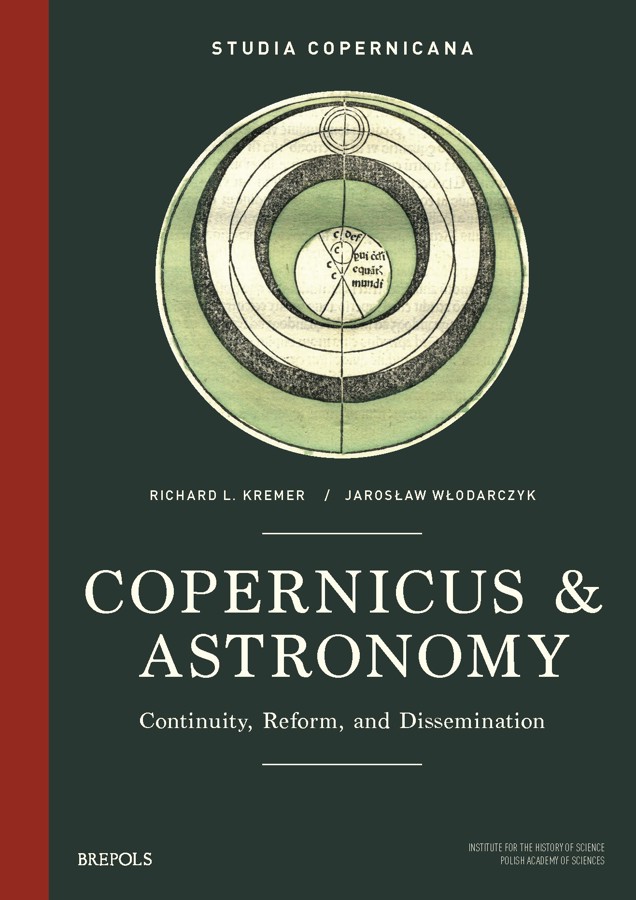
 Councils, Conflicts, Correspondence
Urban Diplomacy in Reval (Tallinn) and Lübeck (c. 1470–1570)
Volume 67


 Drunk the Potion, No Whit Charmed
The Doctrine of Pure and Perfect Souls from Iamblichus to Damascius

 Éthique, politique, religions
Superstition (XVIIe - XXIe siècles). Sémantique, histoires et cultures

 Homo-Politicus in the Balkans
Early Modern Southeast European History in Imperial and Regional Context


 Innovationes Lovanienses: Arts, Law and Theology at the University of Louvain (1425–1797)
Studium Lovaniense: Learning across Borders, 2
Volume 18
 La Lettre clandestine
La littérature philosophique clandestine, ses éditeurs et ses éditions
Volume 34
 Legal Visuality
Exegesis, Ambiguity, and Dissimulation of the Donation of Constantine in the Early Modern Period
 Libertinage et philosophie à l’époque classique (XVIe-XVIIIe siècle)
Athéisme, Modernité et Sécularisation / Atheism, Modernity and Secularization
Volume 23


 Naples as Laboratory / Laboratorium Neapel
Style Options, Artistic Rivalry and Self Fashioning in Neapolitan Baroque Painting / Plurale Stilbildung, Kunstlerkonkurrenz und Self Fashioning in der neapolitanischen Barockmalerei


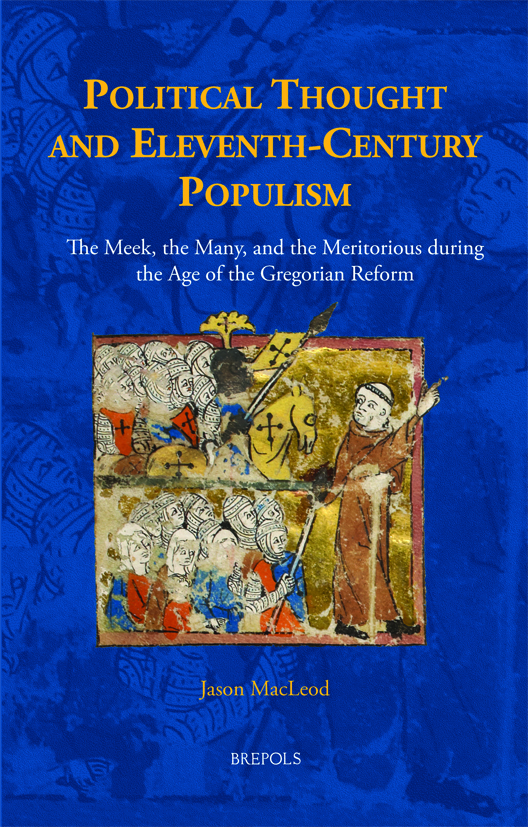 Political Thought and Eleventh-Century Populism
The Meek, the Many, and the Meritorious during the Age of the Gregorian Reform
Volume 38