
Ion
by Platon and notes by Lorenzo Ferroni and introduction by Arnaud Mace, translated with commentary by Arnaud Mace

Platon, dans l’Ion, met en scene la rencontre entre Socrate et un rhapsode couronne de succes pour ses recitations d’Homere. Nait alors l’enquete platonicienne comme une philosophie des pratiques dont la methode consiste a proposer a un praticien differentes representations de son activite afin d’etablir la forme de savoir qu’elle suppose. Meme si Ion echoue a se reconnaitre tout a fait dans chacun des miroirs qui lui sont tendus, le dialogue nous offre, en meme temps que de precieuses informations sur la facon dont on percevait l’art du rhapsode au debut du IVe siecle avant J.-C., une exploration des principes fondamentaux qui doivent regir tout art et toute science, et que Platon ne cessera d’interroger. Le present volume propose une edition et une traduction inedites du texte grec de l’Ion, accompagnees d’un commentaire lineaire et de notes critiques.
Avertissement Remerciements IntroductionEsquisse sur la tradition textuelle de l'Ion de PlatonPlaton, Ion : texte critique et traductionCommentaireNotes textuellesReferences bibliographiquesCartes
- Notes by Lorenzo Ferroni
- Translated with commentary by Arnaud Mace
Other Titles in this Series


Similar Books



 Contesting Labeled Identities
The Sociology of Gentilics in Biblical and Northwest Semitic Literature


 Drunk the Potion, No Whit Charmed
The Doctrine of Pure and Perfect Souls from Iamblichus to Damascius

 Epigraphic “Shades” from Hellenistic Thrace
Contextualizing Inscriptions in Greek from Thracian Tombs

 Epiphanies of the Divine in the Septuagint and the New Testament
Fifth International Symposium of the Corpus Judaeo-Hellenisticum Novi Testamenti (CJHNT), 14-17 May 2015, Nottingham


 Éthique, politique, religions
Superstition (XVIIe - XXIe siècles). Sémantique, histoires et cultures


 Gold, Silver and Glass: Power Networks, Cultural Identities, Technology Transfers and Agency across the Old World (7th Century BC – 1st Century AD)
Proceedings of a Conference Held at the British Museum, 16–18 June 2023

 La Lettre clandestine
La littérature philosophique clandestine, ses éditeurs et ses éditions
Volume 34
 Language and Power in the Roman Empire and Early India
Hierarchy, Ambiguity, and the Art of Reading the Signs in Cosmopolitan Cultures
 Late Antique villae in the Balkans (3rd–7th c. AD): Current Research Questions and Perspectives
HAEMUS Companion to the Late Antique Balkans 1
Volume 4
 Libertinage et philosophie à l’époque classique (XVIe-XVIIIe siècle)
Athéisme, Modernité et Sécularisation / Atheism, Modernity and Secularization
Volume 23


 Nurturing the Elite
Representations of Drinking, Eating, and Religious Vessels in Palmyrene Funerary Iconography
Volume 13


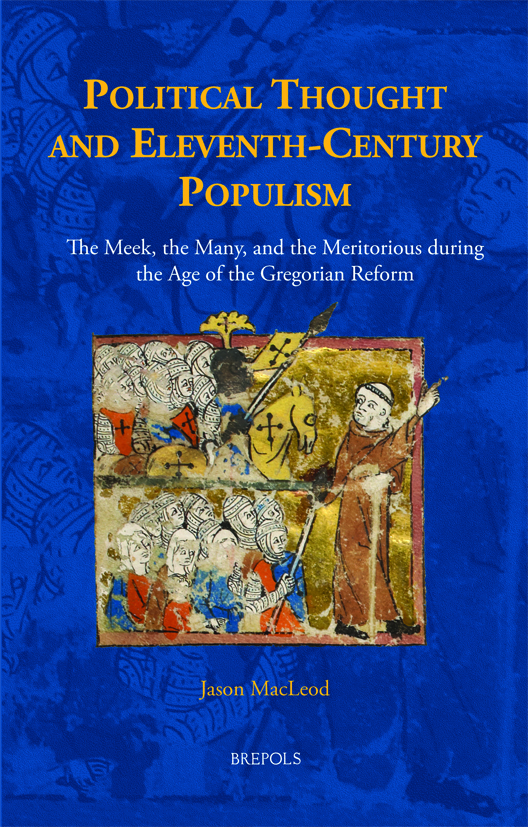 Political Thought and Eleventh-Century Populism
The Meek, the Many, and the Meritorious during the Age of the Gregorian Reform
Volume 38



