
Identified skeletal collections: the testing ground of anthropology?
Edited by Charlotte Yvette Henderson Edited by Francisca Alves Cardoso

Paperback (Published)
(May 2018)
ISBN: 9781784918057
6.85 x 9.69 inches
Price: $60.00
In stock
Human skeletons are widely studied in archaeological, anthropological and forensic settings to learn about the deceased. This book focusses on identified skeletal collections and discusses how and why collections were amassed and shows the vital role they play in improving methods and interpretations for archaeological and forensic r
Human skeletons are widely studied in archaeological, anthropological and forensic settings to learn about the deceased. Methods used to identify individuals in forensic contexts and to determine age and sex in archaeological settings are normally tested on identified skeletal collections: collections of skeletons with known age-at-death, sex, often occupation and cause of death. These collections often represent individuals dying within the last century, but this is variable and often depends on the purpose for creating the collection. Many were developed in attempts to understand local population biology whereas those collected recently are for forensic purposes: to improve identification in legal contexts. Some of these collections were developed from body donation programmes, while others have come from cemeteries: cemeteries which were either no longer viable or needed clearing. All these factors impact on who curates these collections: archaeology or anthropology departments and museums. However, unlike many other skeletons curated in these locations, these are individuals with names. All this raises ethical questions about their creation, curation and their use for research. This book focusses on identified skeletal collections in the UK, Portugal, South Africa, USA and Canada. The chapters discuss how and why collections were amassed including the local legislation governing them. Alongside this run the ethical issues associated with their collection, curation and access to them. The demographics of the collections: who is included and why, along with such biases and how they can impact on research are also discussed, as are limitations in the documentary data associated with these individuals. The importance of these collections is also focussed on: particularly their role in developing and testing methods for age determination in adults. This shows why these collections are so vital to improve methods and interpretations for archaeological and forensic research. The importance of communicating this to the wider public is also addressed.
CHARLOTTE HENDERSON is a researcher in CIAS – Research Centre for Anthropology and Health based in the Department of Life Sciences, Coimbra (Portugal). She completed her PhD at the University of Durham in the Department of Archaeology. Her research focusses on methods for identifying activity in past populations. She has a long-standing interest in ethics which she studied as part of her undergraduate degree in Philosophy. | FRANCISCA ALVES CARDOSO is a research fellow at CRIA – Centre for Research in Anthropology (Portugal). In 2008 she was awarded a PhD in Biological Anthropology/Paleopathology by the University of Durham (UK). Her research focuses on the significance of socio-economic and cultural variables in the interpretation of human skeletons. In 2014 she was awarded a grant to develop the project – Portuguese Human Identified Skeletal Collections (HISC): Shaping their ethical and legal framework, which aims to build a bridge between science and society on the importance of HISC, whilst considering their scientific value, social and cultural, as well as ethical implications.
- Edited by Charlotte Yvette Henderson
- Edited by Francisca Alves Cardoso
Similar Books


 Archaeological Excavations at Irmis Rka: An Investigation of a Multi-Layered Settlement in Southwest Georgia
Results from the 2020 Season: Early Bronze Age to Medieval Occupations


 Catuvellaunia and Rome: Economic and Political Relations during the Final Decades Pre-conquest
The Role of Grain from Southeastern Britain and Its Potential for Maintenance of the Roman Military along the Frontier on the Rhine
 Colour Concept “Secoli bui” a colori
Codici cromatici e architetture dipinte nell’età tardoantica e medievale

 Crossing Disciplines in the Study of Archaeology and Prehistoric Art: Insights from the Sahara and Mediterranean Africa
Proceedings of the XX UISPP World Congress (5–9 September 2023, Timișoara, Romania) Volume / Session 18
 Crossing Sacred Landscapes
Contacts and Continuities in the Desert Cults and Beliefs of Ancient Northern Arabia and the Arid Southern Levant
 Cuneiform Artefacts from Archaeological Contexts: New Research on Ancient Iraq
Proceedings of a Conference Held at the Bavarian Academy of Sciences and Humanities, July 4–5, 2024
Volume 2

 ENTANGLED AFRICA
Intra-African Relations Between Rain Forest and Mediterranean from Around 4,000 BCE to 1,500 CE


 Exploring Prehistoric Pottery in Japan
A Study of Organic Inclusions, Adhering Materials, and Impressions of Woven Items

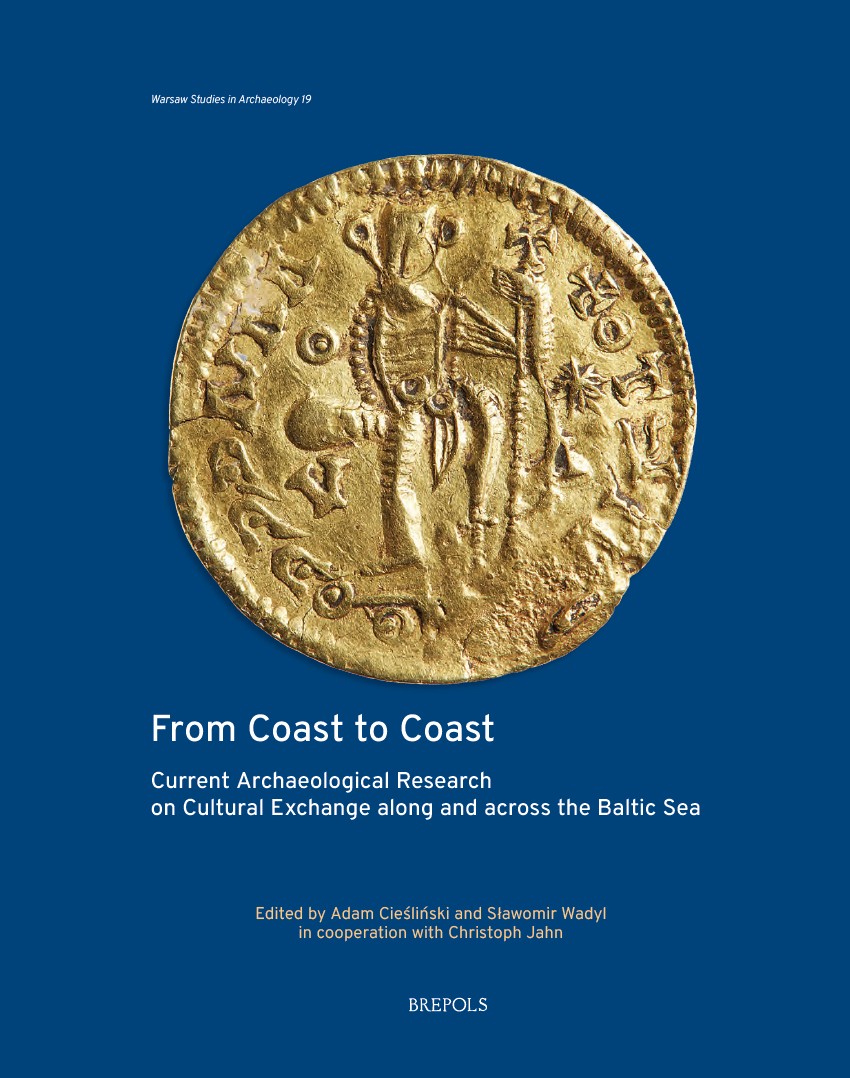 From Coast to Coast
Current Archaeological Research on Cultural Exchange along and across the Baltic Sea
Volume 19
 Frontiers of the Roman Empire: The Frontier of the Roman Province of Raetia
Grenzen des Römischen Reiches: Die Grenze der Römischen Provinz Raetien
 Gold, Silver and Glass: Power Networks, Cultural Identities, Technology Transfers and Agency across the Old World (7th Century BC – 1st Century AD)
Proceedings of a Conference Held at the British Museum, 16–18 June 2023
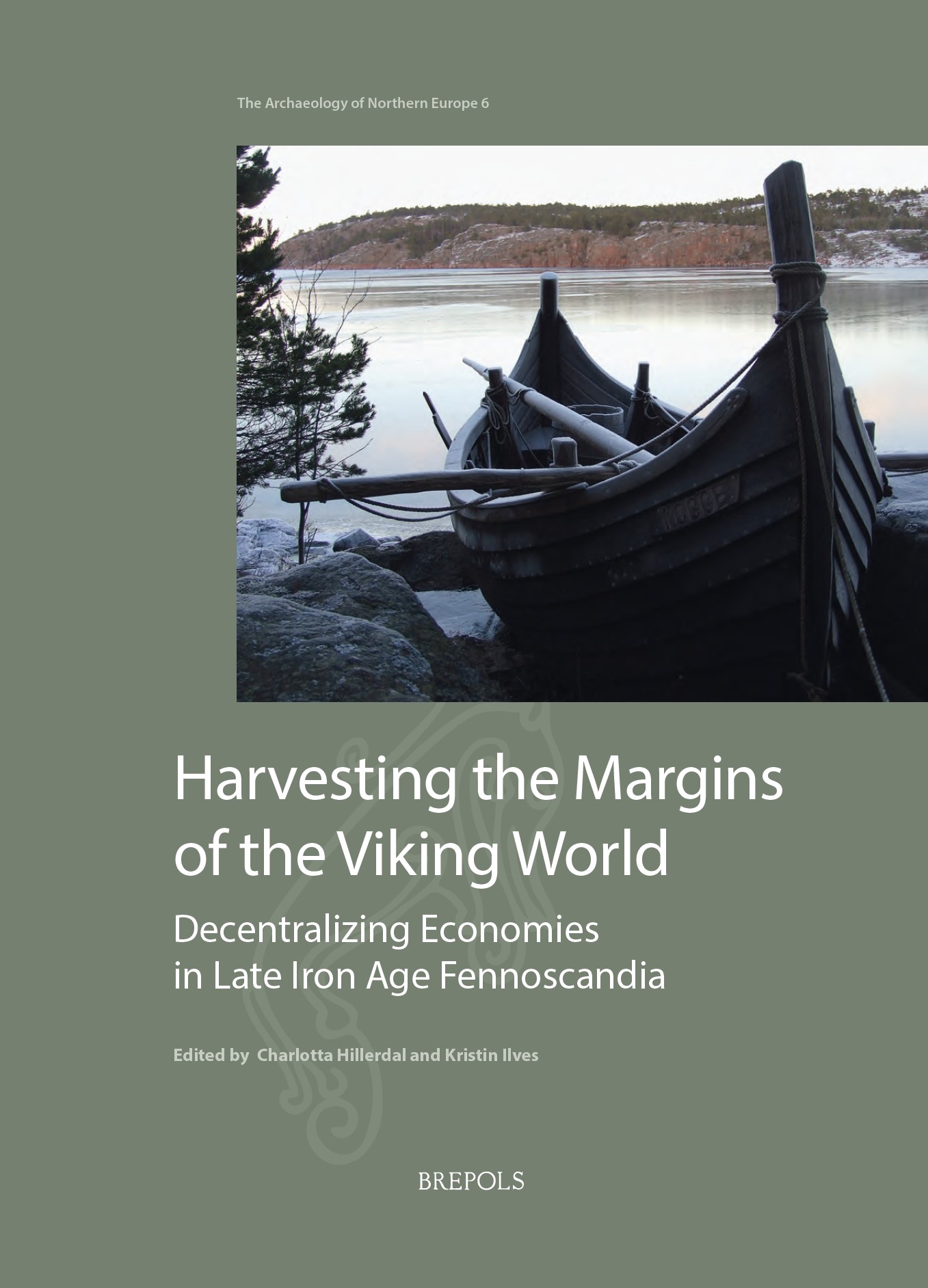 Harvesting the Margins of the Viking World
Decentralizing Economies in Late Iron Age Fennoscandia
Volume 6
 Images of Anonymous Women
A Semiotic Approach to Image-Text Relations in Interpretation of Ancient Near Eastern Art and the Hebrew Bible
Volume 310

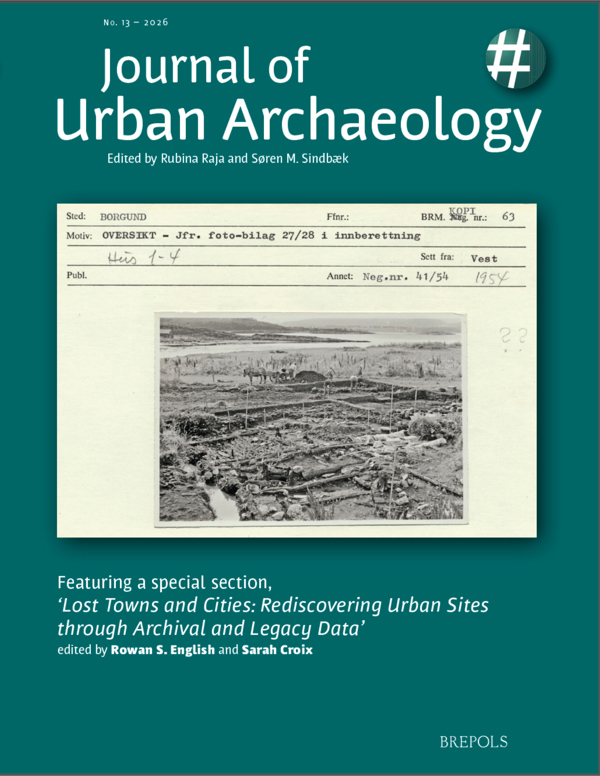 Journal of Urban Archaeology 13 (2026)
Featuring a special section, ‘Lost Towns and Cities: Rediscovering Urban Sites through Archival and Legacy Data’


 Making and Meaning in the Bronze and Iron Ages
Chronology, Landscapes and Societies across Europe. Proceedings from the METALAGES2024 Colloquium (Florence, 23 October 2024)

 Medieval Yeghegis, Armenia
History, Archaeology, Society. Local Multiplicities and Global Connections of a Rural Centre on the Silk Road(s)
 Mobility and Archaeogenetics in Central Asia
People – Goods – Ideas. 3rd International Conference on Central Asian Archaeology in Bern, 11th–13th January 2024
Volume 24


 Offa’s Dyke Journal: Volume 7 for 2025
A Journal for Linear Monuments, Frontiers and Borderlands Research


